
Trans-Resveratrol 98% (Polygonum cuspidatum Extract)
Purified Polygonum cuspidatum root and rhizome extract assaying NLT 98% trans-resveratrol by HPLC. Off-white stilbenoid powder, vegan, non-GMO, free of the major regulated allergens.
Specifications
| Chemical identity | trans-Resveratrol, 5-[(E)-2-(4-hydroxyphenyl)ethenyl]benzene-1,3-diol. CAS 501-36-0, C14H12O3, MW 228.24, PubChem CID 445154 |
| Botanical source | Polygonum cuspidatum Sieb. et Zucc. (accepted name Reynoutria japonica Houtt.), Polygonaceae — dried root and rhizome, cultivated and wild-collected |
| Assay | NLT 98.0% trans-resveratrol by HPLC on the dried basis, against a trans-resveratrol reference standard; cis isomer reported separately |
| Appearance | Off-white to pale beige crystalline powder, characteristic faint odour; passes 80 mesh. Standard, micronised and granulated particle grades |
| Solubility | Practically insoluble in water (approx. 3 mg/100 mL); freely soluble in ethanol, DMSO and dimethylformamide at approx. 65 mg/mL; soluble in acetone |
| Melting point | 253–255 °C (experimental, PubChem) |
| Related constituents | Polydatin / piceid, resveratrol-3-O-β-D-glucoside (CAS 27208-80-6), emodin (CAS 518-82-1) and quercetin; largely removed at 98% and reported on the CoA |
| Light stability | trans isomer photoisomerises to cis-resveratrol under UV. Processed, packed and stored protected from light; opaque liners standard |
| Extraction solvents | Food-grade ethanol and/or ethyl acetate with resin purification and crystallisation; residual solvents tested to ICH Q3C Class 2 and Class 3 limits |
| Allergen status | Free of milk, egg, soy, fish, crustacean, mollusc, peanut, tree nut, sesame, mustard, celery, lupin and gluten. No allergen introduced by the process |
| Origin and diet | Plant-derived (root/rhizome). Vegan and vegetarian; not bovine, porcine, marine or dairy-derived. Non-GMO. Halal and kosher certification available |
| Purity limits | Loss on drying NMT 5.0%; sulphated ash NMT 2.0%; lead NMT 1 ppm, arsenic NMT 1 ppm, cadmium NMT 1 ppm, mercury NMT 0.1 ppm; pesticides to EU MRLs |
| Microbiology | Total plate count NMT 10,000 cfu/g; yeast and mould NMT 100 cfu/g; E. coli, Salmonella and S. aureus absent in 10 g / 25 g as applicable |
| Shelf life and storage | 24 months from manufacture in sealed original packaging, stored below 25 °C, protected from light, air and moisture. Reseal opened liners promptly |
| HS code | 2907.29 (29072990) |
Applications
Available grades
trans-Resveratrol NLT 98% by HPLC (standard) and NLT 99% for pharmaceutical work; Polygonum cuspidatum extract at 20% and 50% resveratrol as separate lower-cost articles; micronised (D90 below 20 µm) and granulated direct-compression grades; water-dispersible and cyclodextrin-complexed grades; organic-certified (NOP/EU) knotweed extract; fermentation-derived and synthetic resveratrol offered separately and never represented as the plant-derived article.
Related products
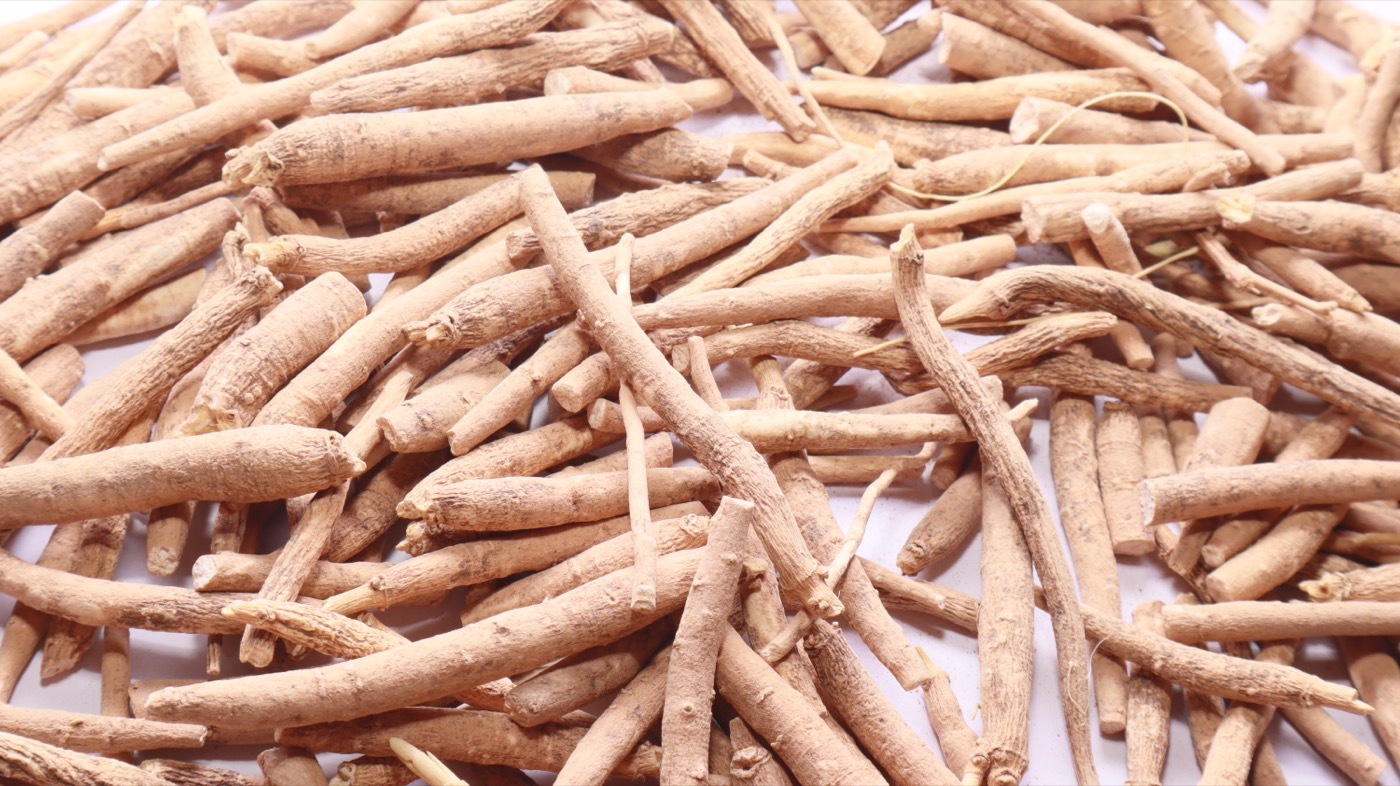
Ashwagandha Extract (Withania somnifera)
Hydro-alcoholic root extract of Withania somnifera standardised to 1.5–10% total withanolides by HPLC. Root-only material, vegan, bulk 25 kg export packing from India with batch COA.
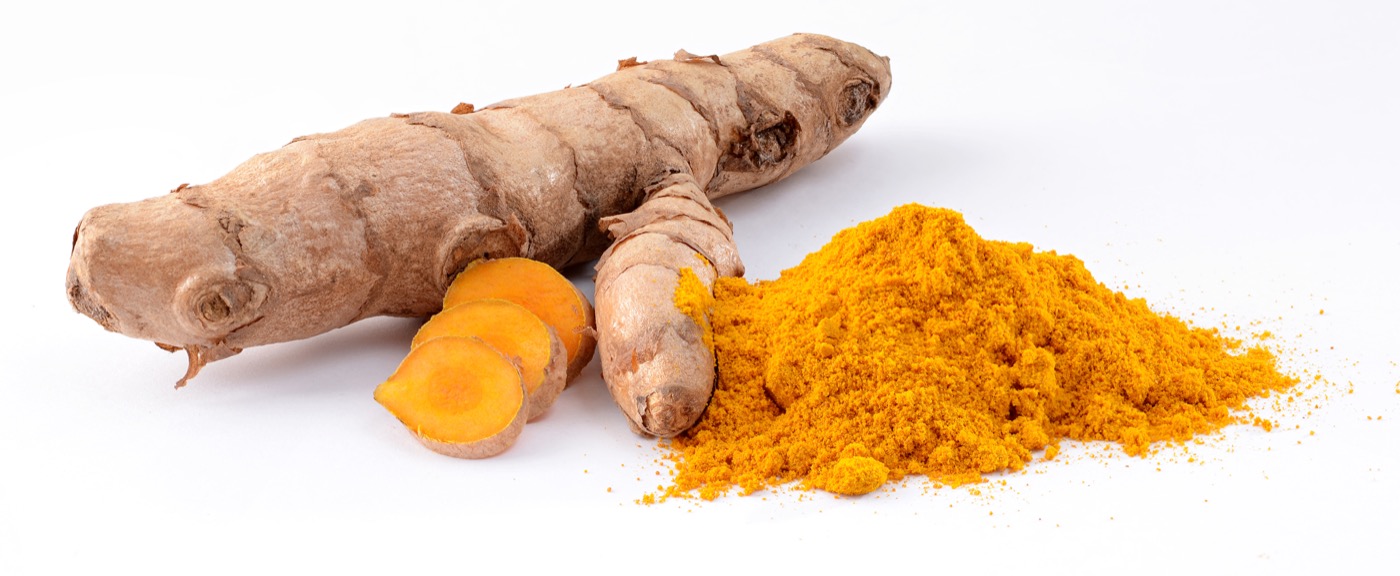
Turmeric Extract / Curcumin 95%
Purified Curcuma longa rhizome extract assaying NLT 95% total curcuminoids by HPLC, in USP curcumin / desmethoxy / bisdesmethoxy proportions. Orange-yellow crystalline powder, vegan.
Turmeric / Curcumin Extract
Standardized curcumin extract (up to 95% curcuminoids) for high-potency anti-inflammatory supplements.