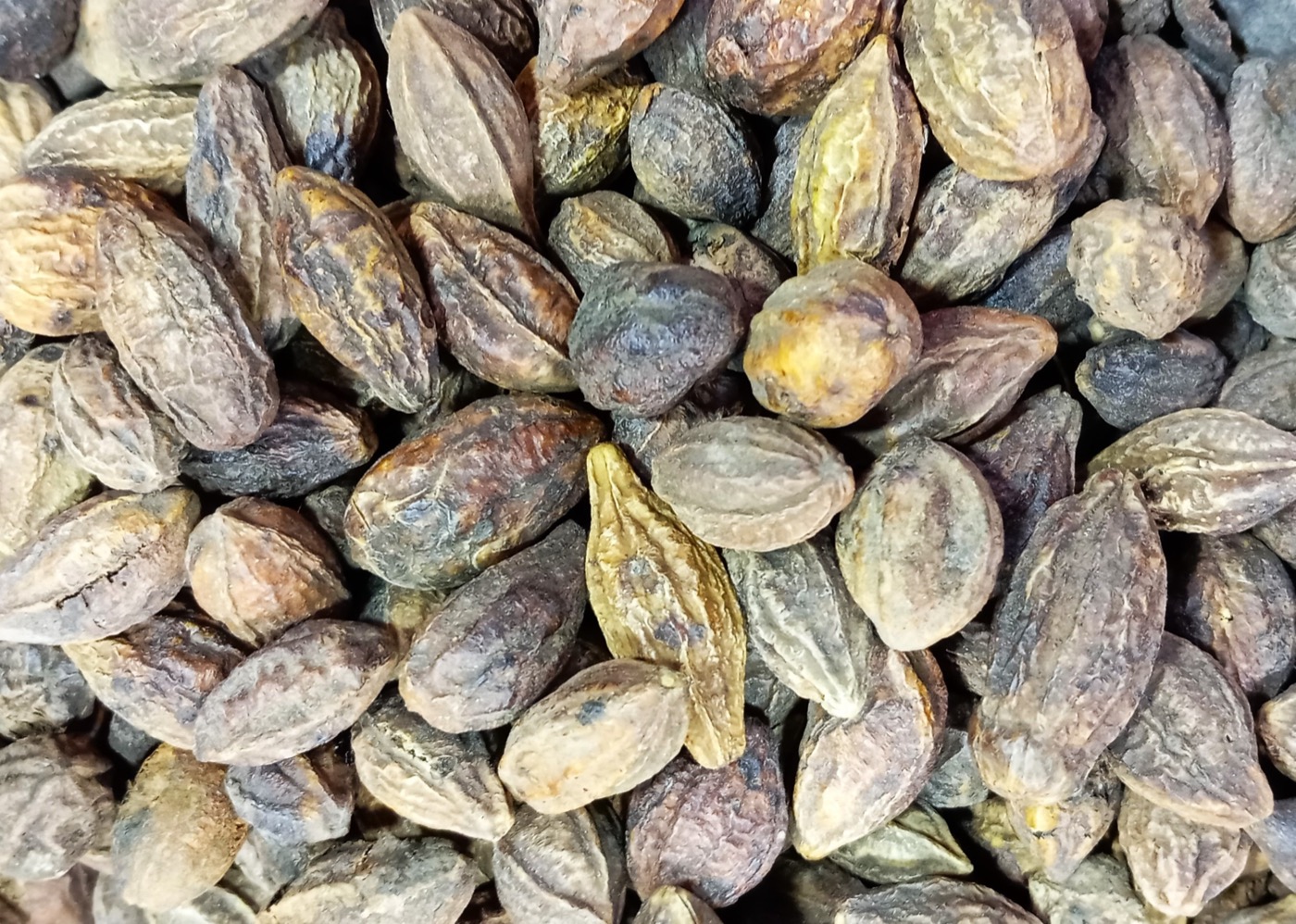
Terminalia chebula extract (Haritaki)
Destoned fruit extract of Terminalia chebula standardised 20-50% tannins by titration, or on chebulagic plus chebulinic acid to the USP Herbal Medicines Compendium basis. Vegan, allergen-free.
Specifications
| Botanical source | Terminalia chebula Retz., family Combretaceae; syn. Myrobalanus chebula (Retz.) Gaertn. Sanskrit Haritaki, Hindi harad, English chebulic or black myrobalan. |
| Plant part | Dried ripe fruit, destoned before milling. The stone is removed because it carries different chemistry, dilutes assay and inflates apparent yield. |
| Product type | Aqueous or hydroalcoholic fruit extract, concentrated and spray dried. Distinct from milled haritaki churna and from Triphala churna blends. |
| Standardisation | Tannins 20%, 30%, 40%, 45% and 50% by titration; chebulagic plus chebulinic acid by HPLC; gallic acid grades; native ratio extracts 4:1 and 10:1. |
| Reference standard | USP Herbal Medicines Compendium monograph, Terminalia chebula Fruit Dry Extract: NLT 90% and NMT 110% of labelled hydrolysable tannins, dried basis. |
| Marker chemistry | Chebulinic acid CAS 18942-26-2, C41H32O27, MW 956.68; chebulagic acid CAS 23094-71-5, C41H30O27, MW 954.66. Corilagin and gallic acid also present. |
| Identity and adulteration | USP names Terminalia citrina as the confounding material. Request an identity test that separates it, plus confirmation the lot was destoned. |
| Assay method caution | Titrimetric tannins and HPLC chebulagic-plus-chebulinic acid are different measurements and will not agree. Fix the basis before comparing quotations. |
| EU regulatory flag | Anthraquinone and sennoside-type constituents are reported in the fruit. Confirm the current EU position on hydroxyanthracenes; lot-level emodin screening available. |
| Appearance and taste | Fine light brown to dark brown powder with a characteristic fruity odour, sharply astringent and sour taste. Colour deepens as the tannin assay rises. |
| Solubility and formulation | Water-soluble; strongly astringent. Tannins bind protein and complex iron and other metal ions, so check RTD clarity and mineral-premix compatibility. |
| Particle size, density, LOD | Typically 100% through 80 mesh (approx. 180 microns); untapped bulk density typically 0.35-0.60 g/mL, lot dependent. Loss on drying typically NMT 5.0% w/w. |
| Purity and microbiology | Residual solvents to ICH/USP <467> Class 3; heavy metals to USP <232> and EU 2023/915; pesticides screened; microbiology to USP <2021>/<2022>, per batch. |
| Allergen, diet, storage | Vegan, vegetarian, non-GMO, free from all fourteen EU Annex II allergens, gluten-free. 24 months unopened below 25 degrees C. India ITC-HS 13021919. |
| HS code | 1302.19 (13021919) |
Applications
Available grades
Tannins 20%, 30%, 40%, 45% and 50% by titration; chebulagic plus chebulinic acid grades by HPLC against the USP Herbal Medicines Compendium basis; gallic acid standardised grades; native ratio extracts 4:1 and 10:1; low-tannin de-astringed grades for beverage work. Water-soluble and hydroalcoholic versions, carrier-free or on maltodextrin. Milled destoned haritaki churna and Triphala blends with bibhitaki and amla are supplied separately as their own products. Conventional, organic (NPOP/NOP/EU), Kosher and Halal.
Related products
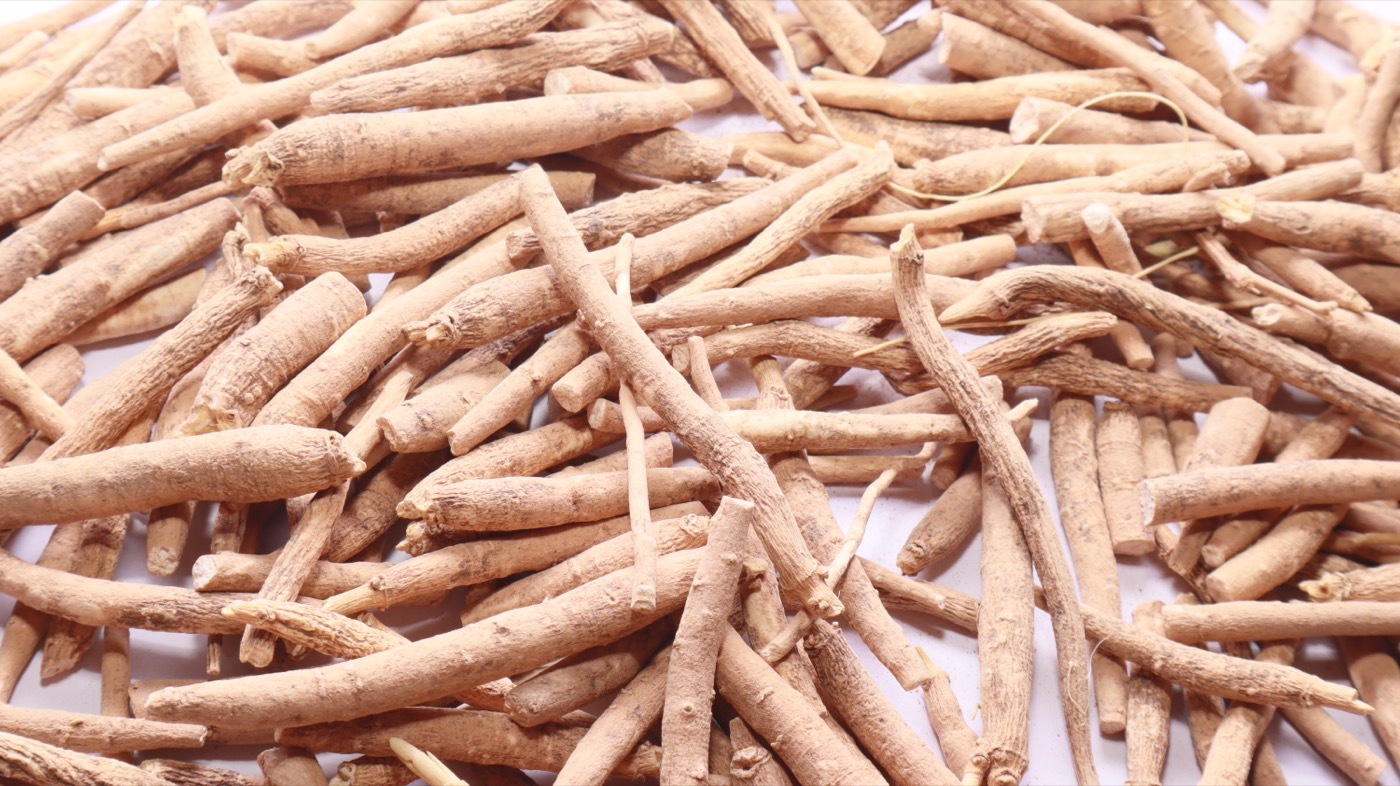
Ashwagandha Extract (Withania somnifera)
Hydro-alcoholic root extract of Withania somnifera standardised to 1.5–10% total withanolides by HPLC. Root-only material, vegan, bulk 25 kg export packing from India with batch COA.
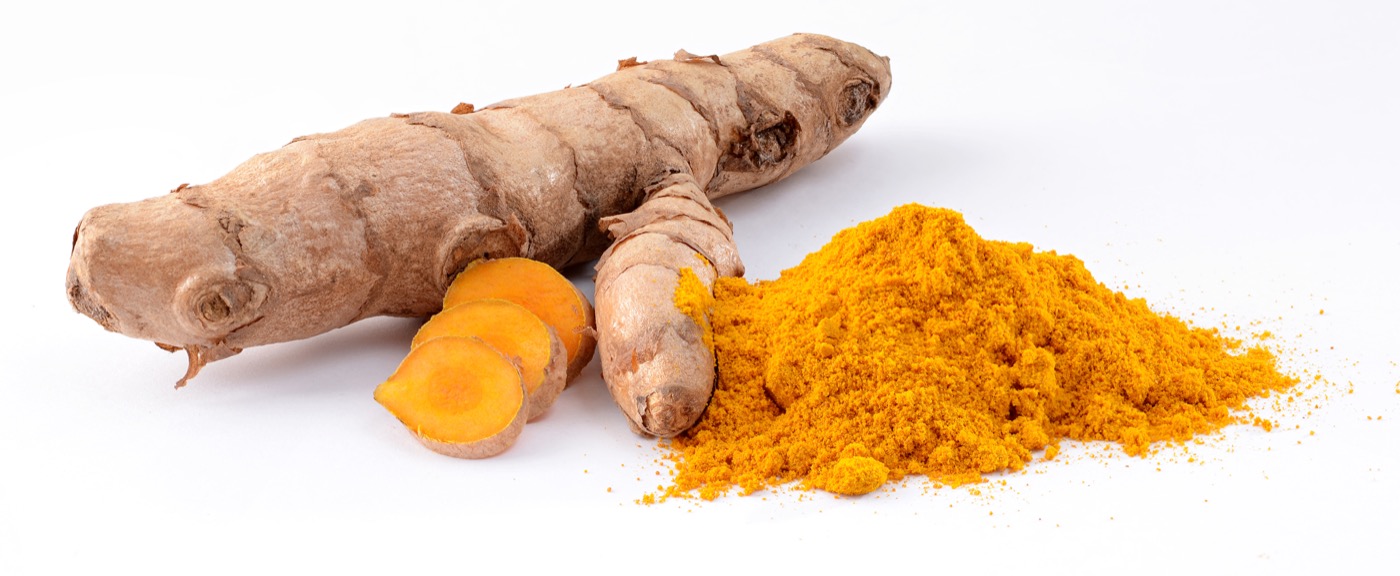
Turmeric Extract / Curcumin 95%
Purified Curcuma longa rhizome extract assaying NLT 95% total curcuminoids by HPLC, in USP curcumin / desmethoxy / bisdesmethoxy proportions. Orange-yellow crystalline powder, vegan.
Turmeric / Curcumin Extract
Standardized curcumin extract (up to 95% curcuminoids) for high-potency anti-inflammatory supplements.