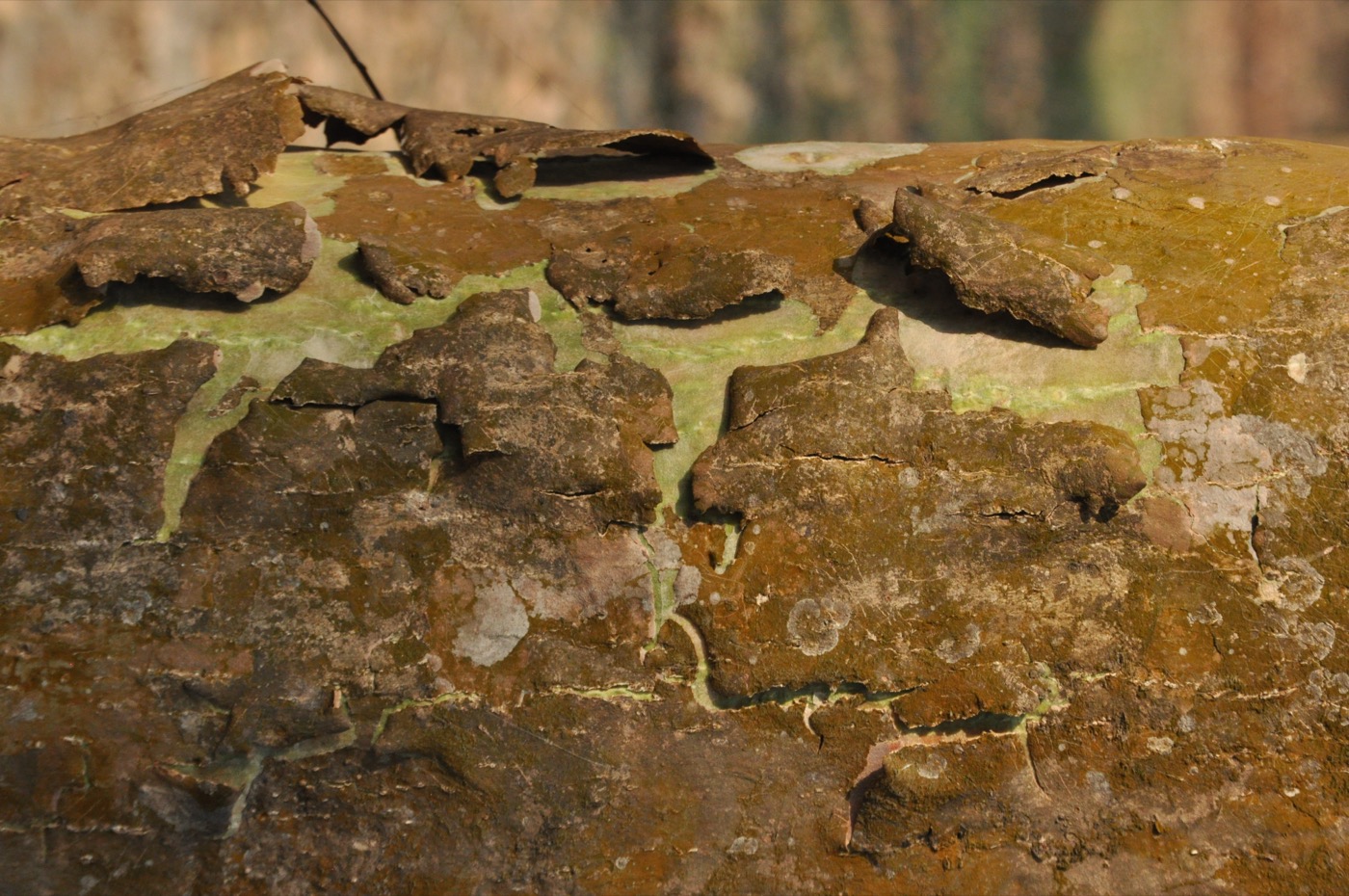
Terminalia arjuna extract
Stem bark extract of Terminalia arjuna standardised 0.5%, 1% or 2% arjunolic acid by HPLC, or 25-40% tannins by titration. Vegan, allergen-free, hydroalcoholic, spray dried in India.
Specifications
| Botanical source | Terminalia arjuna (Roxb. ex DC.) Wight & Arn., family Combretaceae; basionym Pentaptera arjuna Roxb. ex DC. Sanskrit Arjuna, Hindi arjun, Malayalam neermaruthu. |
| Plant part | Stem bark, the part defined for Arjuna in the Ayurvedic Pharmacopoeia of India. Root bark and mixed bark are not accepted; part is stated on every COA. |
| Product type | Aqueous or hydroalcoholic bark extract, concentrated and spray dried. Distinct from milled arjuna bark churna, which is powder rather than extract. |
| Standardisation | Arjunolic acid 0.5%, 1% or 2% by HPLC; tannins 25% or 40% by titration; native ratio extracts 5:1 and 10:1. Combined marker-plus-tannin grades to order. |
| Marker chemistry | Arjunolic acid CAS 465-00-9, C30H48O5, MW 460.7, a pentacyclic triterpenoid. Arjunic acid, arjungenin and arjunetin are present in the same fraction. |
| Other constituents | Bark tannins typically 12-15%, including punicalagin and casuarinin; also gallic acid, ellagic acid, flavonoids and phytosterols including beta-sitosterol. |
| Identity and adulteration | Bark of Terminalia alata and T. tomentosa is a known substitute. Request species-level identity (HPTLC fingerprint or DNA) rather than organoleptic checks alone. |
| Assay method caution | Arjunolic acid by HPLC is the defensible number. Gravimetric total saponins reads far higher; tannins differ by titration versus UV. Name the method on the order. |
| Appearance and taste | Fine light brown to reddish-brown powder with a characteristic woody odour and markedly astringent taste. Colour deepens as the tannin assay rises. |
| Solubility and formulation | Water-dispersible to water-soluble depending on grade. Tannins bind protein and complex iron and other metal ions; trial against protein bases and mineral premixes. |
| Particle size, density, LOD | Typically 100% through 80 mesh (approx. 180 microns); untapped bulk density typically 0.35-0.60 g/mL, lot dependent. Loss on drying typically NMT 5.0% w/w. |
| Extraction and purity | Potable water and/or food-grade ethanol; residual solvents to ICH/USP <467> Class 3. Heavy metals to USP <232> and EU 2023/915; pesticides screened per batch. |
| Allergen and dietary status | Vegan, vegetarian, non-GMO. Free from milk, egg, fish, crustacean, soy, peanut, tree nut, sesame, celery and mustard. Gluten-free (maize-derived carrier). |
| Shelf life, storage | 24 months from manufacture in unopened original packaging below 25 degrees C, protected from light and moisture. |
| HS code | 13021919 |
Applications
Available grades
Arjunolic acid 0.5%, 1% and 2% by HPLC; tannins 25% and 40% by titration; native ratio extracts 5:1 and 10:1; combined arjunolic-acid-plus-tannin grades to a written specification. Water-soluble and hydroalcoholic versions, carrier-free or on maltodextrin. Milled stem bark churna and cut-and-sifted bark are supplied separately as raw-material products with their own specifications and their own tariff classification. Conventional, organic (NPOP/NOP/EU), Kosher and Halal.
Related products
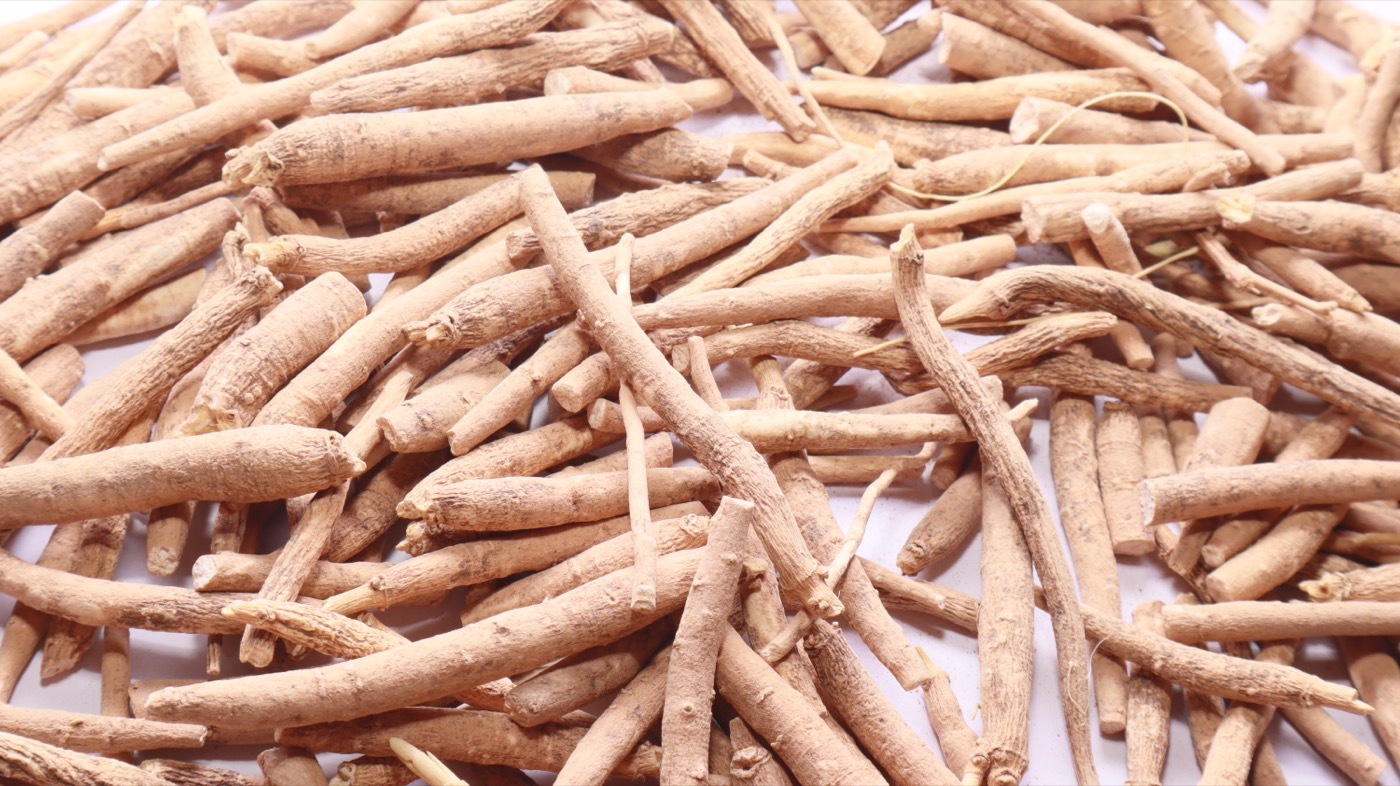
Ashwagandha Extract (Withania somnifera)
Hydro-alcoholic root extract of Withania somnifera standardised to 1.5–10% total withanolides by HPLC. Root-only material, vegan, bulk 25 kg export packing from India with batch COA.
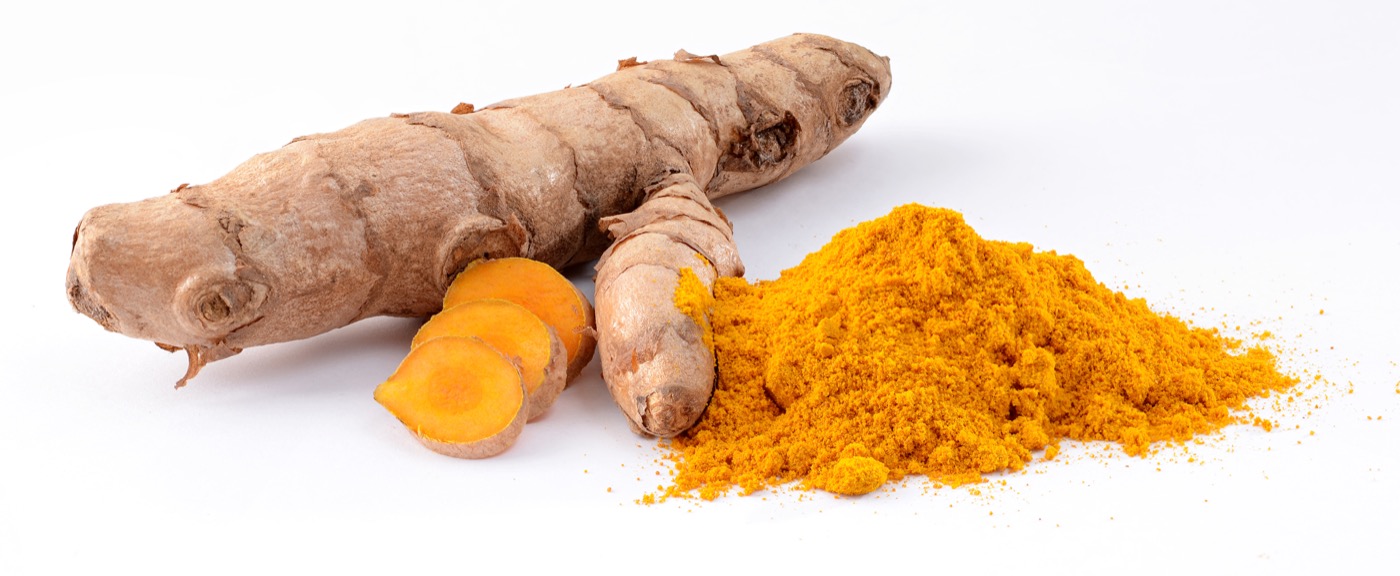
Turmeric Extract / Curcumin 95%
Purified Curcuma longa rhizome extract assaying NLT 95% total curcuminoids by HPLC, in USP curcumin / desmethoxy / bisdesmethoxy proportions. Orange-yellow crystalline powder, vegan.
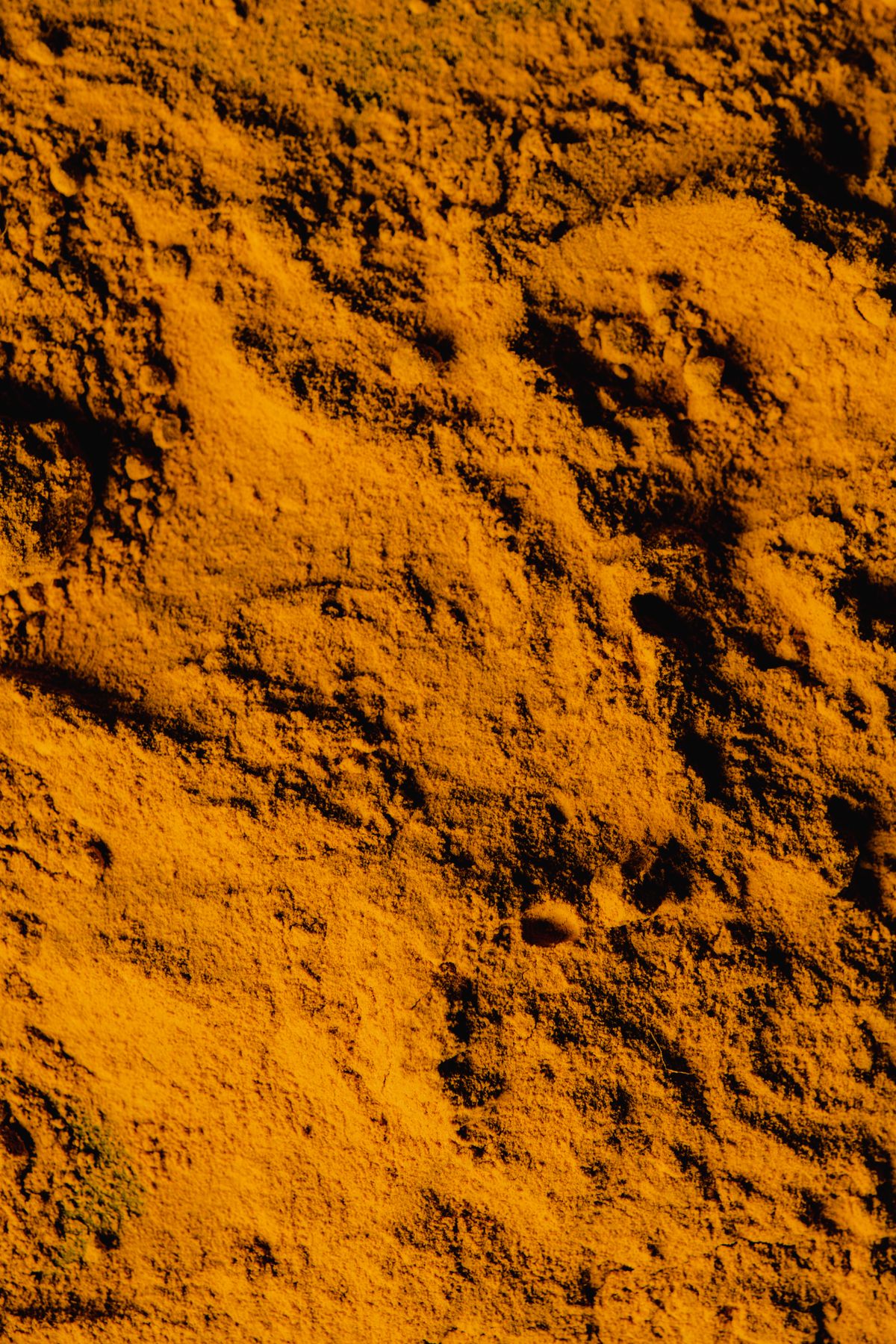
Turmeric / Curcumin Extract
Standardized curcumin extract (up to 95% curcuminoids) for high-potency anti-inflammatory supplements.