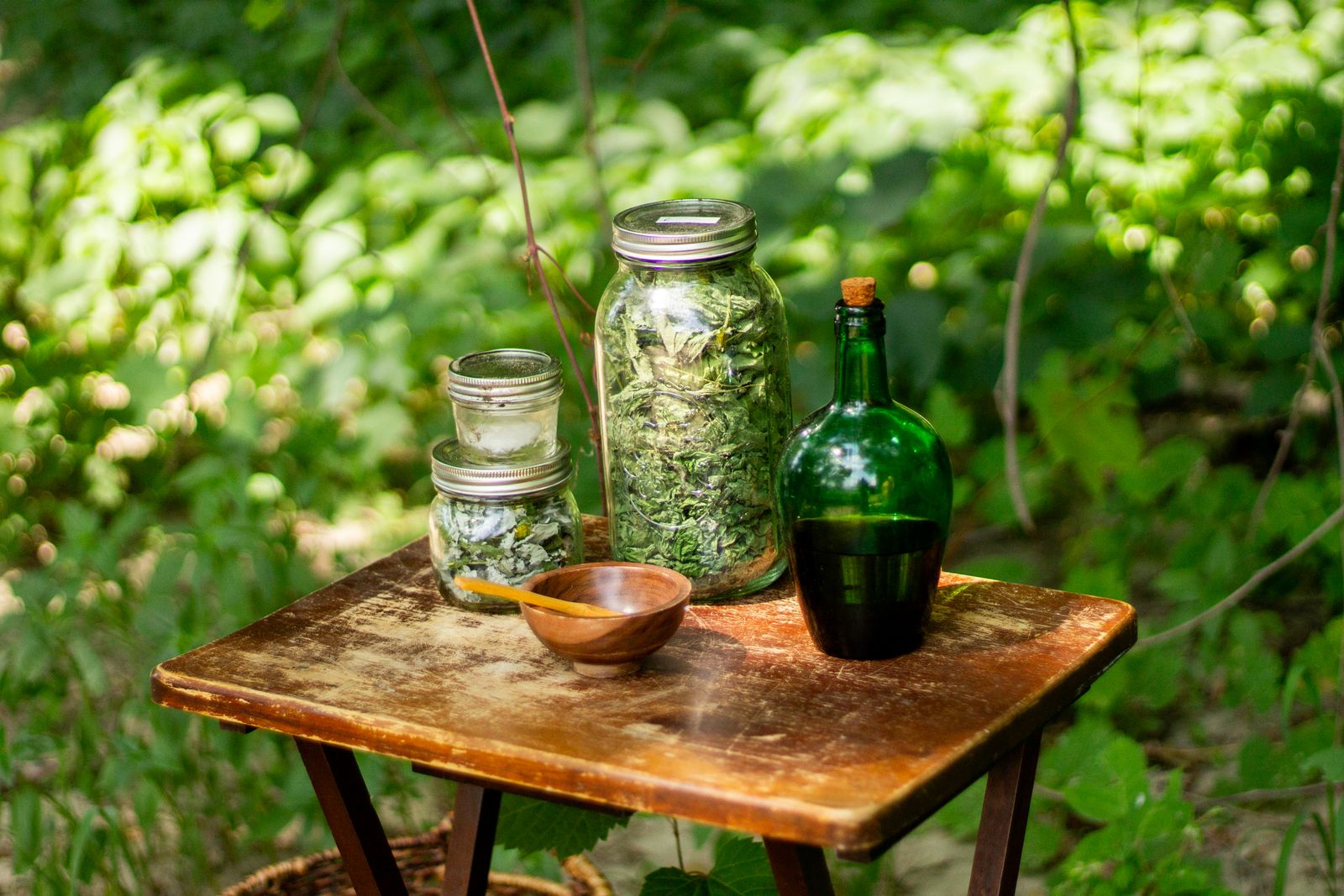
Tamarind Seed Extract
Extract of Tamarindus indica seed in two distinct grades: a procyanidin-rich extract from kernel and testa, and a purified xyloglucan polysaccharide for cold-water viscosity and mucoadhesion.
Specifications
| Botanical source | Tamarindus indica L., family Fabaceae, subfamily Detarioideae; seed |
| Seed anatomy | Kernel or endosperm is 70-75% of the seed and holds the polysaccharide; the dark testa holds the phenolics |
| Whole seed reference | Protein 26.9 g per 100 g; oil 10.9 g per 100 g |
| Kernel reference | As received: polysaccharide 51.0%, oil 7.6%, protein 7.6%. De-oiled: polysaccharide 55.0%, protein 19.0%, oil 0.6% |
| Testa reference | Seed testa contains 23% tannin. Seed procyanidins are mainly oligomeric tetramer, hexamer and pentamer, with lower procyanidin B2 and epicatechin |
| Polyphenol grade assay | Total polyphenols by UV and procyanidins by HPLC, to a target agreed at contract; value declared per lot on the CoA |
| Polysaccharide grade identity | Tamarind seed polysaccharide, a xyloglucan: beta-1,4-glucose backbone with 1,6-linked xylose side chains, many capped with galactose |
| Reported sugar ratio | Glucose : xylose : galactose molar ratio reported at 2.9 : 1.8 : 1.0 |
| Reported characterisation | About 1735 kDa; neutral sugar 86.2%, uronic acid 5.4%, protein 1.3%, moisture 6.1%, ash 0.3%; yield 54.6% w/w from seed |
| Appearance | Polyphenol grade light to dark brown powder; purified polysaccharide grade off-white to cream, free-flowing |
| Solubility and function | Polysaccharide hydrates in cold water to a viscous, mucoadhesive, near-neutral solution. Polyphenol grade soluble in water and hydro-alcohol |
| Allergen and origin | Legume (Fabaceae) seed, not a statutory allergen. Free from milk, egg, soy, fish, crustacean, gluten, peanut and tree nut. Vegan and vegetarian |
| Shelf life and storage | 24 months from manufacture, unopened, below 25 °C at 60% RH or less, protected from light and moisture |
| HS code | 13021919 for the polyphenol extract; 13023900 where the article is the thickener-grade polysaccharide. See the classification note |
Applications
Available grades
Polyphenol grade, aqueous or hydro-alcoholic seed extract standardised on total polyphenols and procyanidins. Testa-enriched procyanidin grade for higher assay. Tamarind seed polysaccharide, purified xyloglucan, food-hydrocolloid grade. High-purity low-endotoxin polysaccharide for ophthalmic vehicles. Granulated and direct-compression grades, and 80 mesh or 100 mesh milling. Organic under NPOP, NOP and EU equivalence, plus Kosher and Halal, on request.
Related products
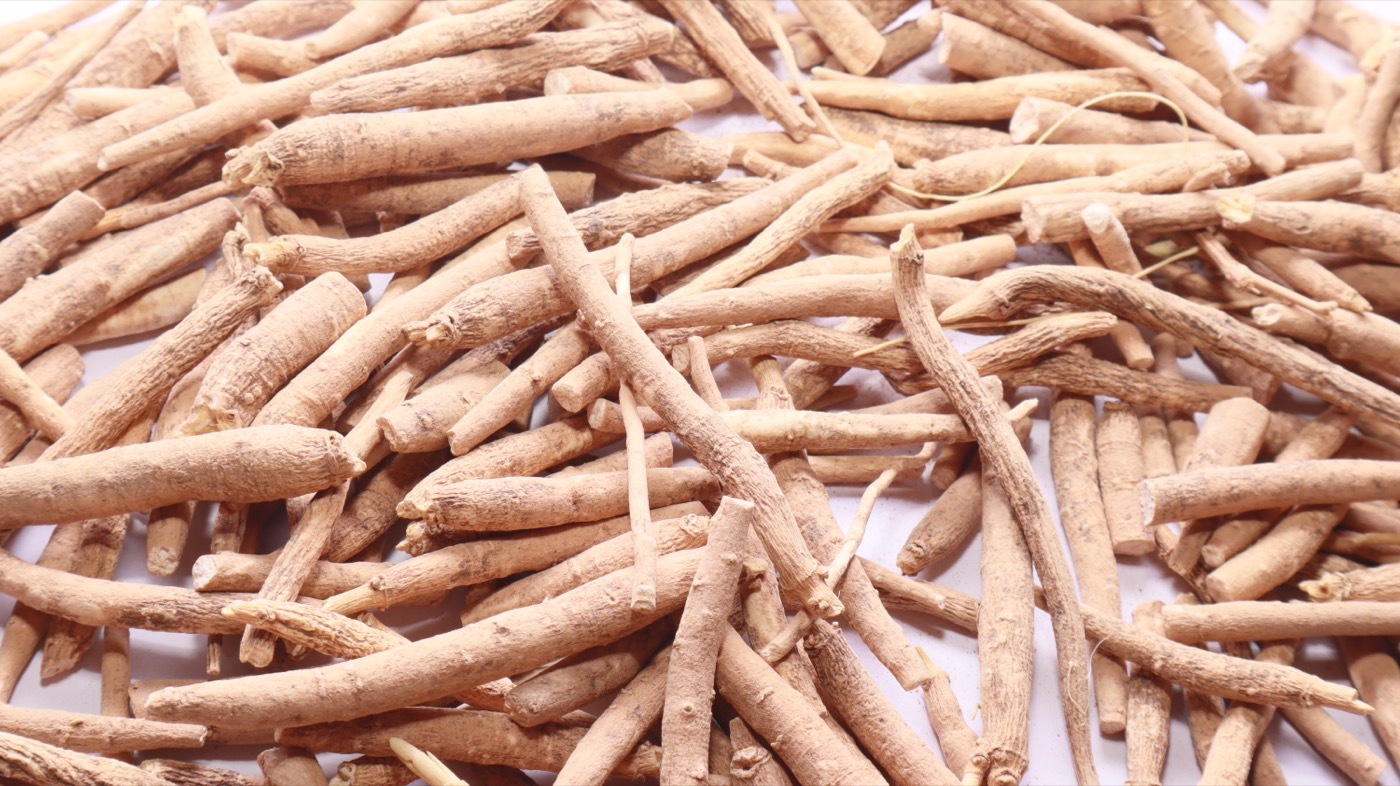
Ashwagandha Extract (Withania somnifera)
Hydro-alcoholic root extract of Withania somnifera standardised to 1.5–10% total withanolides by HPLC. Root-only material, vegan, bulk 25 kg export packing from India with batch COA.
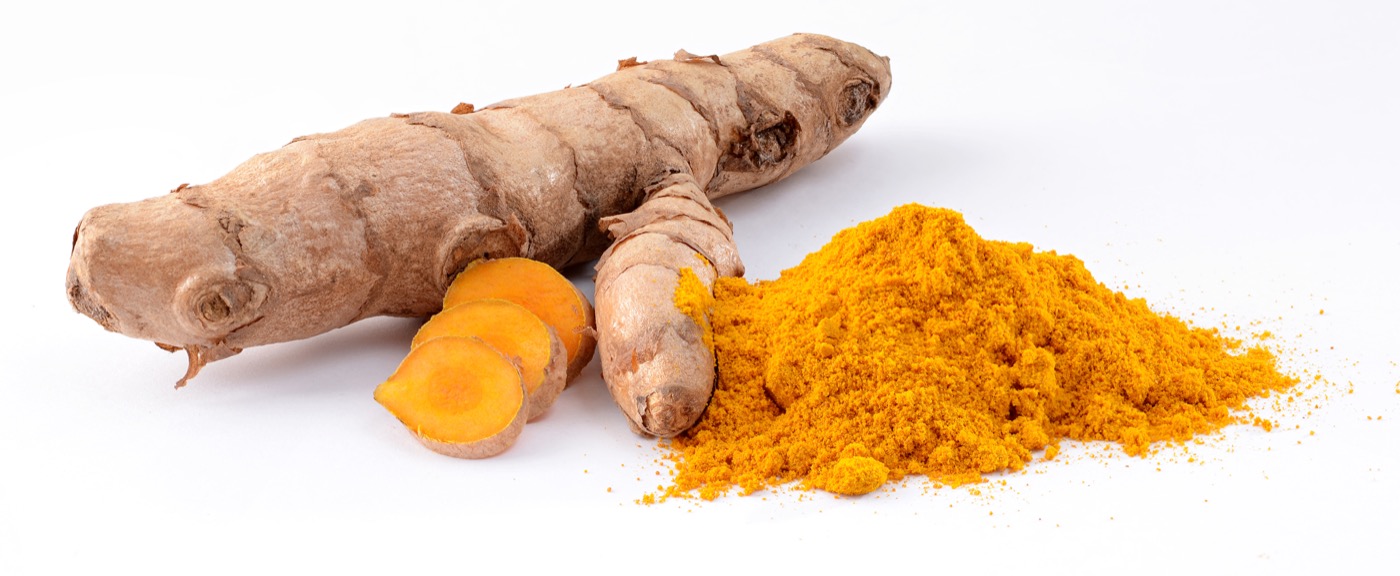
Turmeric Extract / Curcumin 95%
Purified Curcuma longa rhizome extract assaying NLT 95% total curcuminoids by HPLC, in USP curcumin / desmethoxy / bisdesmethoxy proportions. Orange-yellow crystalline powder, vegan.
Turmeric / Curcumin Extract
Standardized curcumin extract (up to 95% curcuminoids) for high-potency anti-inflammatory supplements.