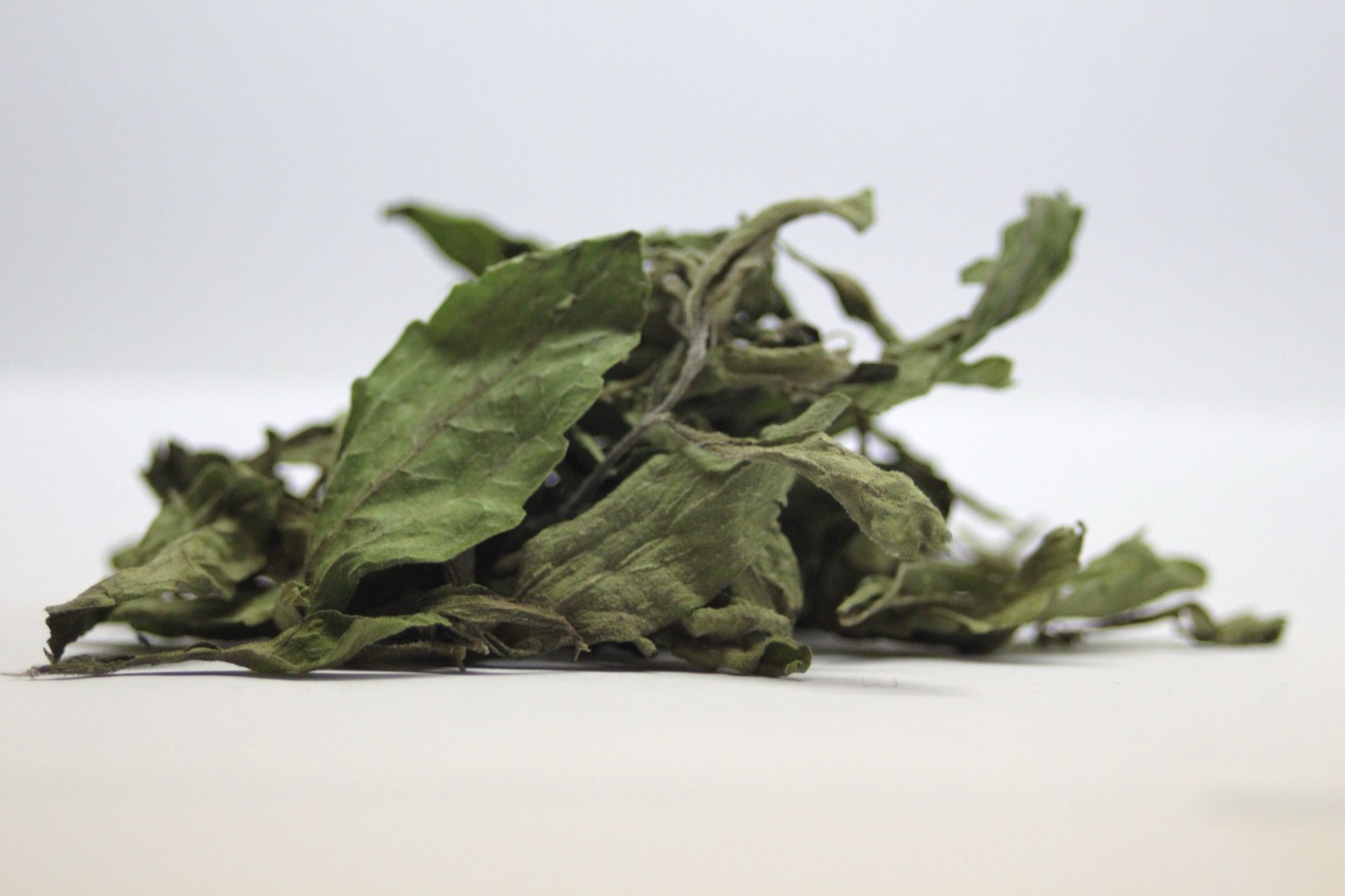
Stevia leaf extract (Steviol glycosides)
Purified steviol glycosides from Stevia rebaudiana leaf, assaying not less than 95% total glycosides on the dried basis. Reb A 60-97% and Reb M profiles for zero-sugar beverage, dairy and tabletop work.
Specifications
| Botanical source | Stevia rebaudiana Bertoni (Asteraceae), dried leaf; water or aqueous-ethanol extraction, ion-exchange purification and crystallisation |
| Assay - total steviol glycosides | Not less than 95.0% on the dried basis by HPLC, per the JECFA specification and EU specification for E 960a |
| Glycosides counted in the 95% | Stevioside, rebaudiosides A, B, C, D, E, F and M, steviolbioside, rubusoside and dulcoside A, in any combination and ratio |
| Marker compounds | Stevioside C38H60O18, MW 804.88, CAS 57817-89-7; rebaudioside A C44H70O23, MW 967.01, CAS 58543-16-1 |
| Additive identity | E 960a / INS 960, steviol glycosides from stevia; JECFA ADI 0-4 mg/kg body weight per day expressed as steviol |
| Appearance | White to off-white crystalline to amorphous free-flowing powder, odourless to faintly characteristic |
| Solubility | Soluble in water and in aqueous ethanol; aqueous solubility improves as rebaudioside A and rebaudioside D content rises |
| Relative sweetness | Commonly quoted at roughly 200-350x sucrose depending on glycoside profile; confirm sucrose equivalence in your own matrix |
| Loss on drying | Not more than 6.0% |
| Total ash | Not more than 1.0% |
| Residual solvents | Methanol not more than 200 mg/kg; ethanol not more than 5,000 mg/kg (Commission Regulation (EU) No 231/2012, E 960a) |
| Heavy metals | Arsenic not more than 1 mg/kg per the E 960a specification; lead, cadmium and mercury tested per batch against the destination limit |
| Allergens and origin | Plant-derived, vegan and vegetarian; no milk, egg, soy, fish, crustacean, peanut, tree nut, sesame or gluten-bearing input; non-GMO leaf |
| Shelf life | 36 months unopened, stored cool, dry and below 25 C, away from direct light |
| HS code | 2938 90 90 |
| CAS number | 91722-21-3 (Stevia rebaudiana, ext. / steviol glycosides). 57817-89-7 is STEVIOSIDE alone - PubChem CID 442089, C38H60O18, MW 804.9 - a single named glycoside, not the article of commerce. E 960a / JECFA material is defined as >=95% of eleven glycosides (steviolbioside, rubusoside, dulcoside A, stevioside, Reb A, B, C, D, E, F, M) in any combination and ratio, and in the usual Reb A 60/80/97 grades stevioside is a MINOR component - so the stevioside CAS misdescribes the shipment. Use 91722-21-3 for the extract; if the grade sold is a single purified glycoside, use the glycoside's own CAS, e.g. rebaudioside A 58543-16-1 (PubChem CID 6918840, C44H70O23, MW 967.0). 57817-89-7 is only correct for a genuine stevioside-grade material. |
Applications
Available grades
Total steviol glycosides 95% min (mixed profile); rebaudioside A 60%, 80%, 90%, 95% and 97%; Reb A plus Reb D or Reb M enriched profiles for full sugar replacement; organic-certified leaf and stevia-erythritol carrier blends to order.
Related products
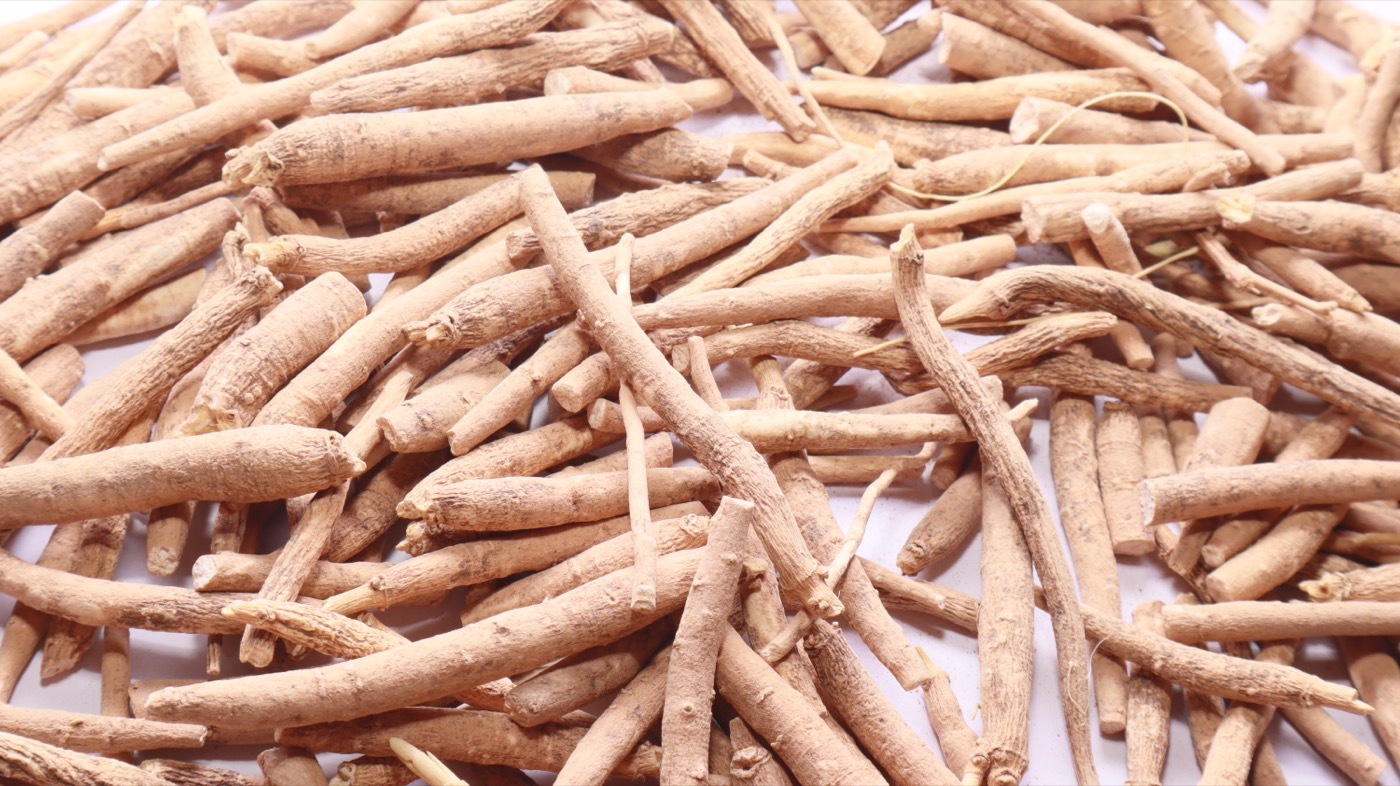
Ashwagandha Extract (Withania somnifera)
Hydro-alcoholic root extract of Withania somnifera standardised to 1.5–10% total withanolides by HPLC. Root-only material, vegan, bulk 25 kg export packing from India with batch COA.
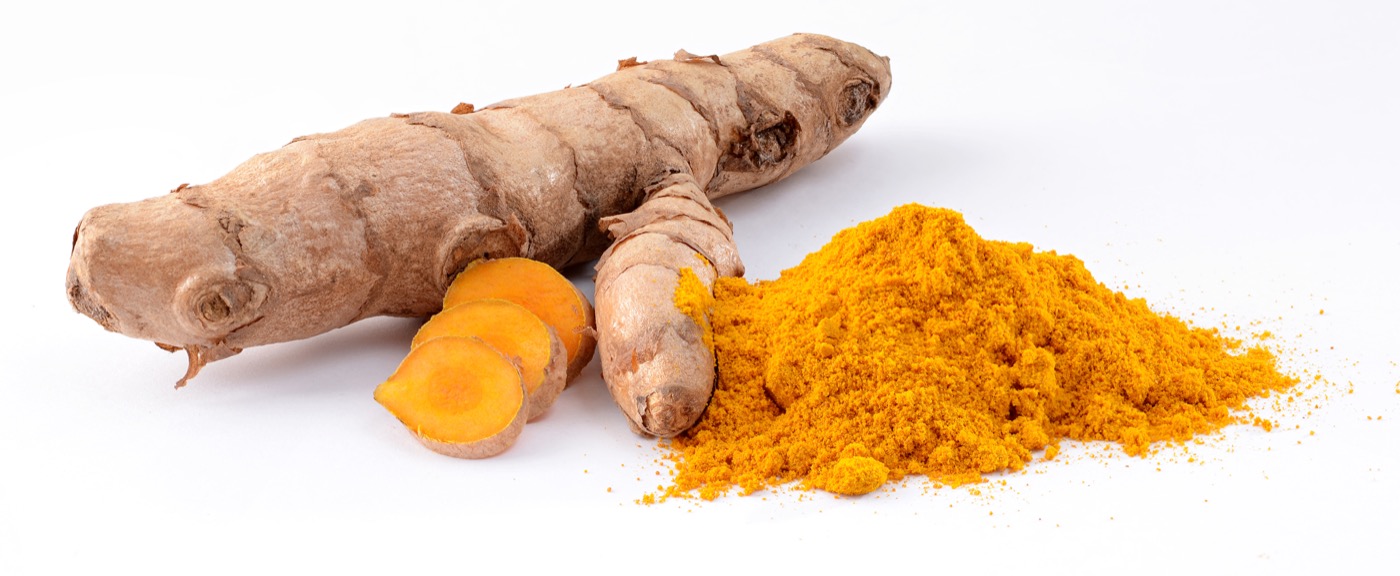
Turmeric Extract / Curcumin 95%
Purified Curcuma longa rhizome extract assaying NLT 95% total curcuminoids by HPLC, in USP curcumin / desmethoxy / bisdesmethoxy proportions. Orange-yellow crystalline powder, vegan.
Turmeric / Curcumin Extract
Standardized curcumin extract (up to 95% curcuminoids) for high-potency anti-inflammatory supplements.