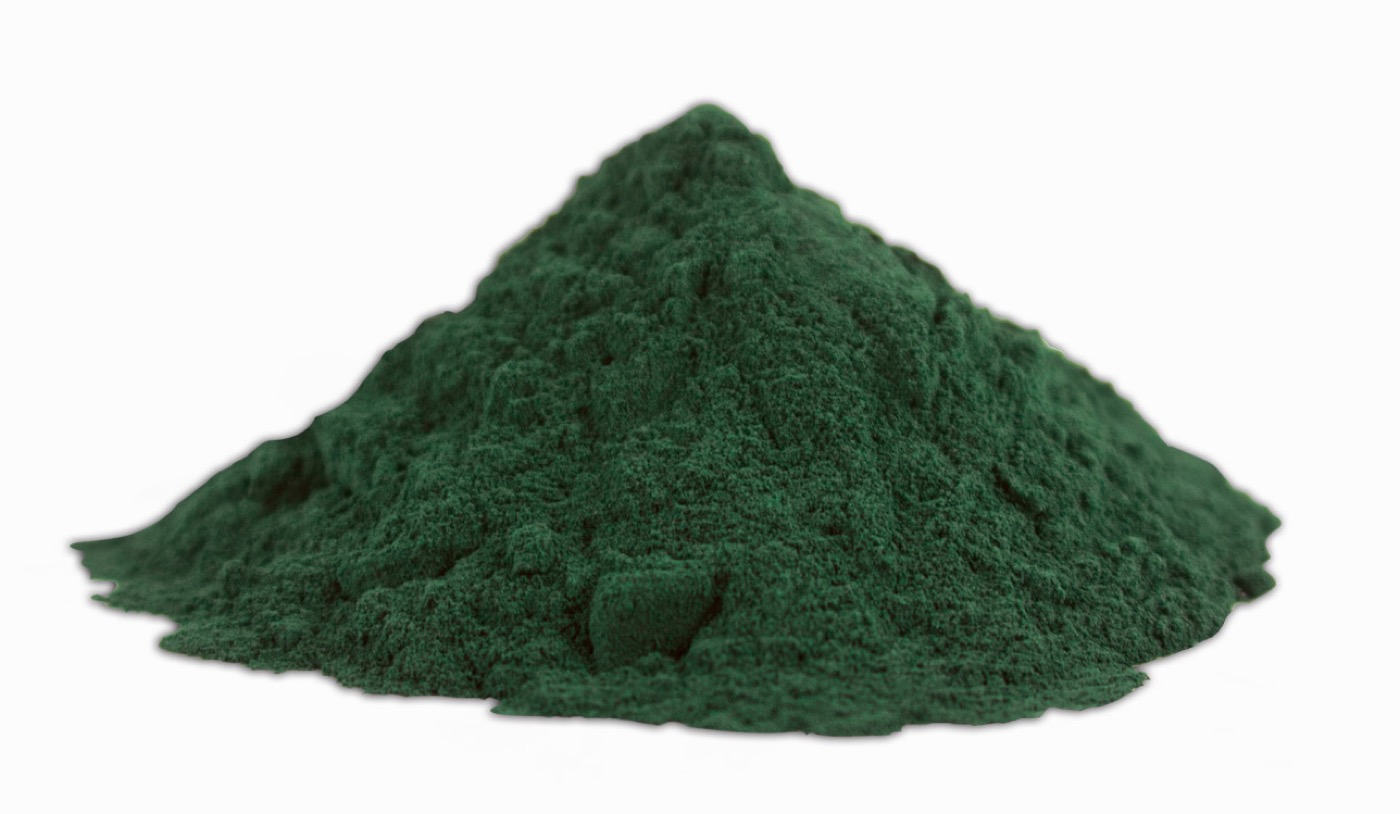
Spirulina Powder
Whole dried Arthrospira platensis biomass, washed and milled to a free-flowing blue-green powder. Standardised to NLT 60% protein and NLT 10% C-phycocyanin, microcystin tested, vegan and allergen free.
Specifications
| Biological source | Arthrospira platensis (Nordstedt) Gomont, a filamentous cyanobacterium; commercially cultivated strains were reassigned to the genus Limnospira in 2019. |
| Material and process | Whole dried biomass from alkaline freshwater raceway ponds: screened, washed, dewatered, spray or drum dried and milled. No solvent extraction, no carrier. |
| Appearance and mesh | Fine blue-green to dark green powder with a characteristic vegetal odour and taste; 100% through 80 mesh, 200 mesh micronised available. |
| Protein (assay) | NLT 60% on dry basis by Kjeldahl (N x 6.25). USDA reference data for dried spirulina give 57.5 g protein per 100 g. |
| C-phycocyanin (standardisation) | NLT 10% by spectrophotometry. Literature reports up to about 20% of dry weight in freeze or sun dried biomass, falling to about 4% when oven dried. |
| Loss on drying and ash | Loss on drying NMT 7.0%; total ash NMT 9.0%. |
| Solubility | Dispersible, not soluble: forms a stable dark green suspension in water. The phycocyanin fraction is water soluble and both heat and pH labile. |
| Microcystins | NMT 1.0 µg/g total microcystins by ELISA or LC-MS/MS, the threshold set by the Oregon Health Division in 1997 for blue-green algae products. |
| Heavy metals | Lead NMT 3.0, cadmium NMT 1.0, mercury NMT 0.1 mg/kg, in line with the food supplement limits in Commission Regulation (EU) 2023/915. |
| Microbiology | Total plate count NMT 10,000 cfu/g; yeast and mould NMT 500 cfu/g; E. coli and Salmonella absent in 25 g. |
| Allergen, origin and dietary status | Freshwater cyanobacterial biomass. Vegan and vegetarian; not fish, mollusc or crustacean. Free from milk, egg, soy, gluten, nuts, peanut and sesame. |
| Vitamin B12 declaration | Cobalamin present is predominantly pseudovitamin B12; do not declare this material as a source of vitamin B12 on finished-product labels. |
| Shelf life | 24 months from manufacture in unopened original packing, stored below 25 C, dry and away from direct light. |
| HS code | 21022000 (India ITC-HS). See the classification note; the sheet value 13021919 is not correct for this article. |
Applications
Available grades
Food grade (default, NLT 60% protein / NLT 10% phycocyanin); certified organic (NPOP, NOP, EU); a high-pigment grade at NLT 15% phycocyanin from low-temperature drying; and a tightened-microcystin grade at NMT 0.1 µg/g for stricter buyer specifications. Available as 80 mesh powder, 200 mesh micronised powder and 0.5-2 mm flakes for direct compression.
Related products
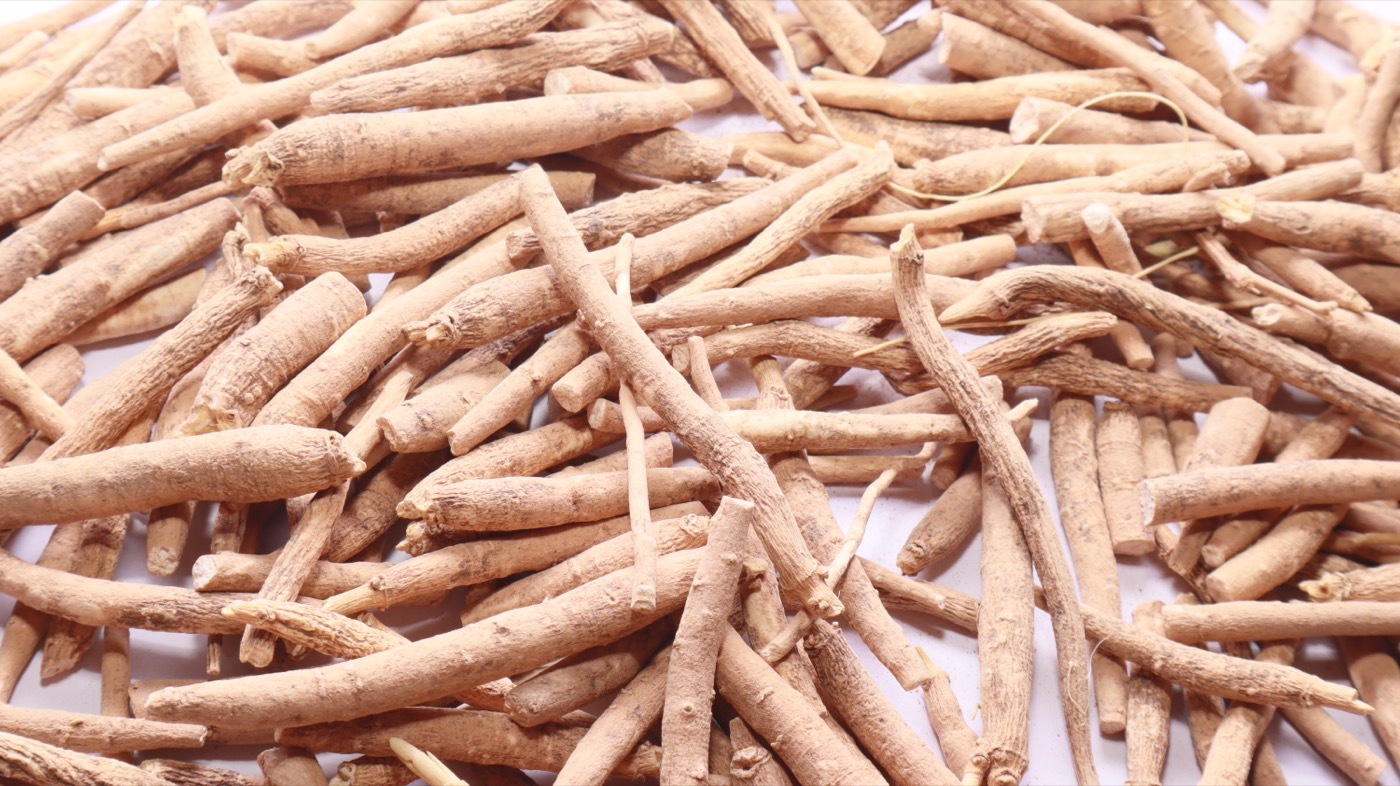
Ashwagandha Extract (Withania somnifera)
Hydro-alcoholic root extract of Withania somnifera standardised to 1.5–10% total withanolides by HPLC. Root-only material, vegan, bulk 25 kg export packing from India with batch COA.
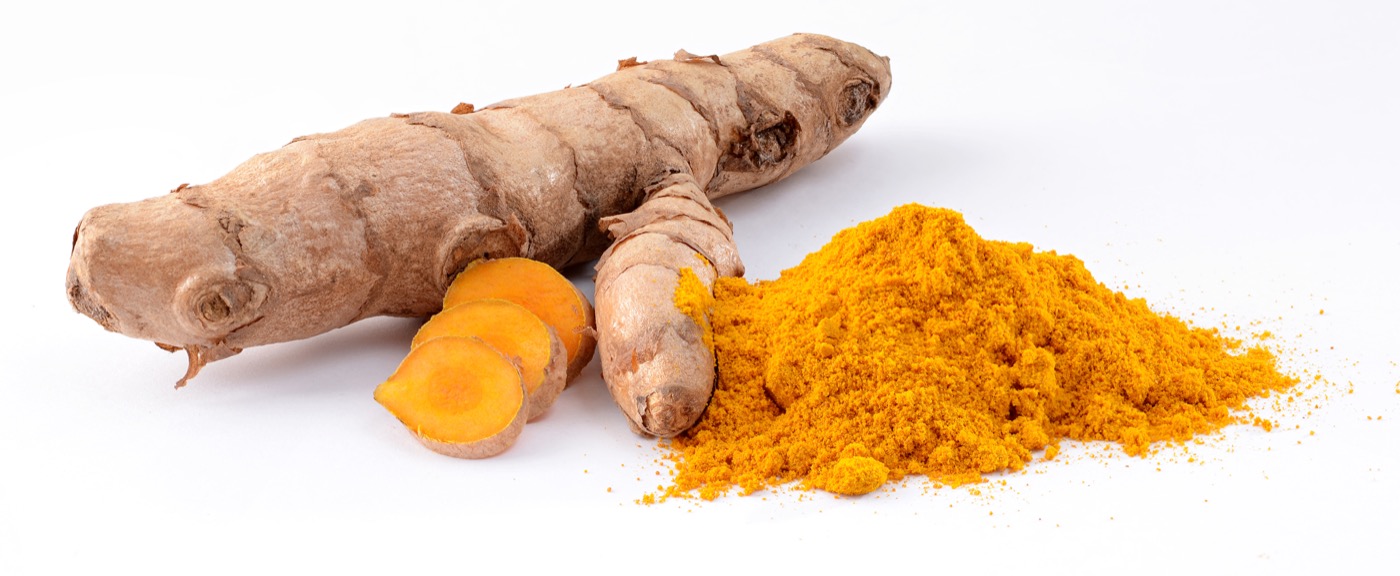
Turmeric Extract / Curcumin 95%
Purified Curcuma longa rhizome extract assaying NLT 95% total curcuminoids by HPLC, in USP curcumin / desmethoxy / bisdesmethoxy proportions. Orange-yellow crystalline powder, vegan.
Turmeric / Curcumin Extract
Standardized curcumin extract (up to 95% curcuminoids) for high-potency anti-inflammatory supplements.