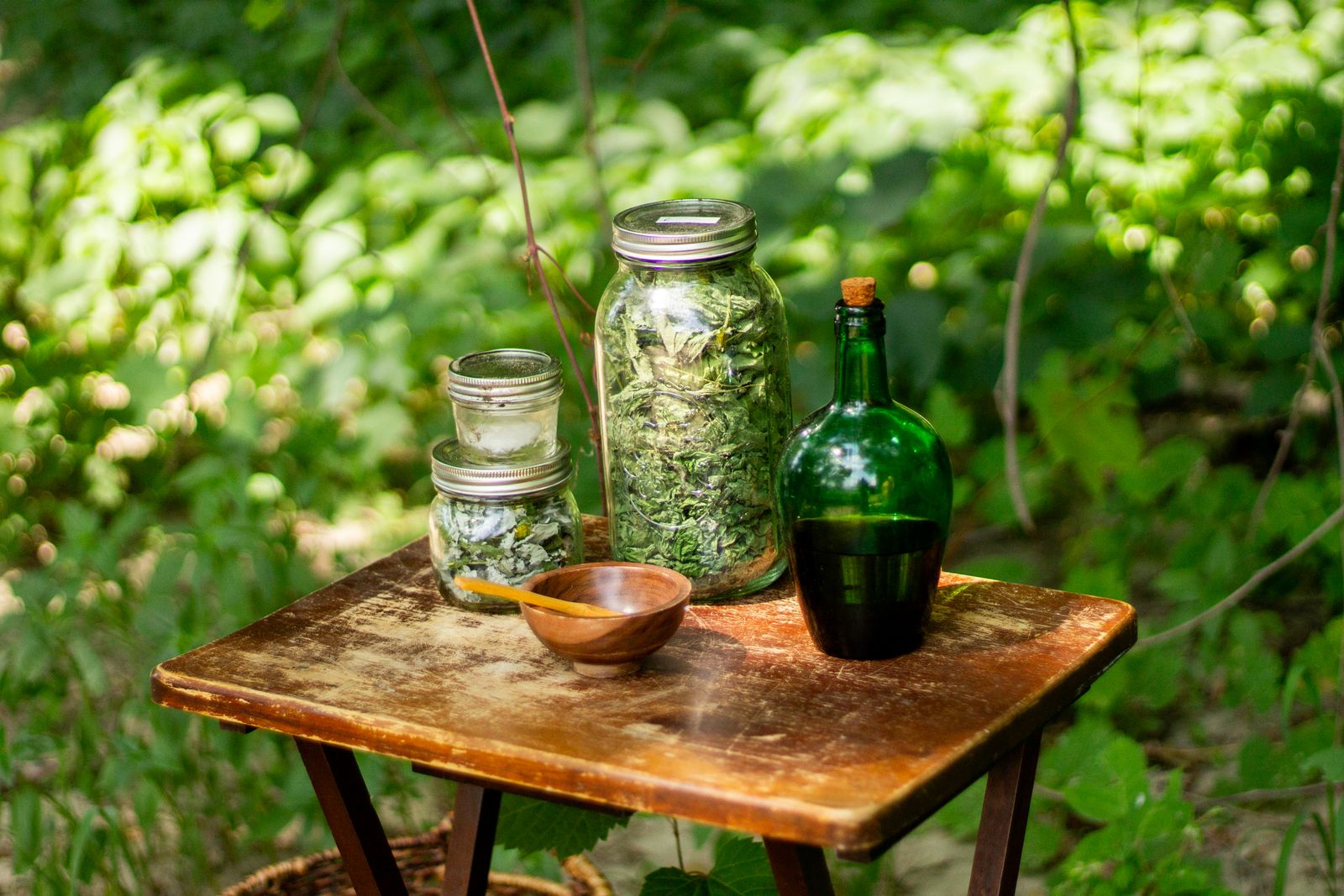
Shiitake Extract
Hot-water extract of Lentinula edodes fruiting body at 30% polysaccharide with beta-glucan declared enzymatically. Lentinan-type beta-1,3/1,6-glucan, natural umami base. Vegan, 25 kg export packing from India.
Specifications
| Fungal identity | Lentinula edodes (Berk.) Pegler, Fam. Omphalotaceae. Synonym Lentinus edodes (Berk.) Singer, the name used in the HS tariff text and in most older specifications |
| Part used | Cultivated fruiting body (cap and stipe), grown on hardwood logs or supplemented hardwood sawdust blocks, dried and milled before extraction. Mycelium not supplied |
| Standardisation | Polysaccharide 30% minimum by UV/gravimetric assay, higher grades on request; beta-glucan reported separately at 20% minimum by enzymatic assay with alpha-glucan alongside |
| Principal polysaccharide | Lentinan, CAS 37339-90-5: a beta-(1-3)-glucan backbone carrying two beta-(1-6)-glucose branches per five backbone residues, reported molecular weight about 500,000 Da |
| Characteristic constituents | L-ergothioneine CAS 497-30-3; D-eritadenine CAS 23918-98-1; ergosterol CAS 57-87-4, reported at about 2.4-6.2 mg/g dry weight in shiitake powder |
| Vitamin D2 grades | UV-B exposure converts ergosterol to vitamin D2; irradiated dried shiitake powder has been reported at about 40 micrograms per gram dry weight. UV grades assayed per lot |
| Flavour function | Dried shiitake is the material in which 5'-guanylate was first identified as the umami principle, giving the extract a genuine savoury base function alongside its supplement use |
| Extraction, ratio and solubility | Hot-water extraction at 8:1 to 10:1 native ratio, vacuum concentrated and spray or vacuum dried. Readily dispersible in hot water. Carrier-free by default |
| Appearance and mesh | Light to dark brown fine powder with a pronounced savoury shiitake aroma that carries into the finished format. 95% minimum through 80 mesh; finer cuts available |
| Loss on drying and ash | Loss on drying NMT 5.0%; total ash NMT 5.0%. Hygroscopic; keep sealed. Residual solvent not applicable to the standard hot-water article |
| Contaminant limits | Lead NMT 2 ppm, arsenic NMT 1 ppm, cadmium NMT 1 ppm, mercury NMT 0.1 ppm. Fungi bioaccumulate metals; cadmium and arsenic are screened on every lot |
| Microbiology | Total plate count NMT 10,000 cfu/g; yeast and mould NMT 500 cfu/g; E. coli, Salmonella and S. aureus absent. Sterilisation and irradiation status declared on the COA |
| Allergen and diet status | Vegan and vegetarian; no animal, dairy, egg, fish or crustacean input. Wheat bran is a common block supplement, so gluten is tested. Name shiitake on the finished label |
| Shelf life, storage | 24 months in sealed original packing below 25 °C, dry and away from direct light. |
| HS code | 1302.19 (13021991) — vegetable saps and extracts, other. India 8-digit under 1302 19 to be confirmed against the CBIC First Schedule. |
| HS code | 1302.19 (13021991) — vegetable saps and extracts, other. India 8-digit under 1302 19 to be confirmed against the CBIC First Schedule. |
Applications
Available grades
Polysaccharide 30%, 40% and 50% minimum; beta-glucan 20% minimum by enzymatic assay with alpha-glucan reported alongside; 8:1 and 10:1 native hot-water fruiting-body extracts; UV-treated vitamin D2 grades with assayed vitamin D2 content; low-aroma grades for neutral beverage systems; savoury and umami-optimised grades for broth, seasoning and meat-analogue use; maltodextrin-carried spray-dried grades on request; organic-certified (NOP/EU) subject to certified substrate availability.
Related products
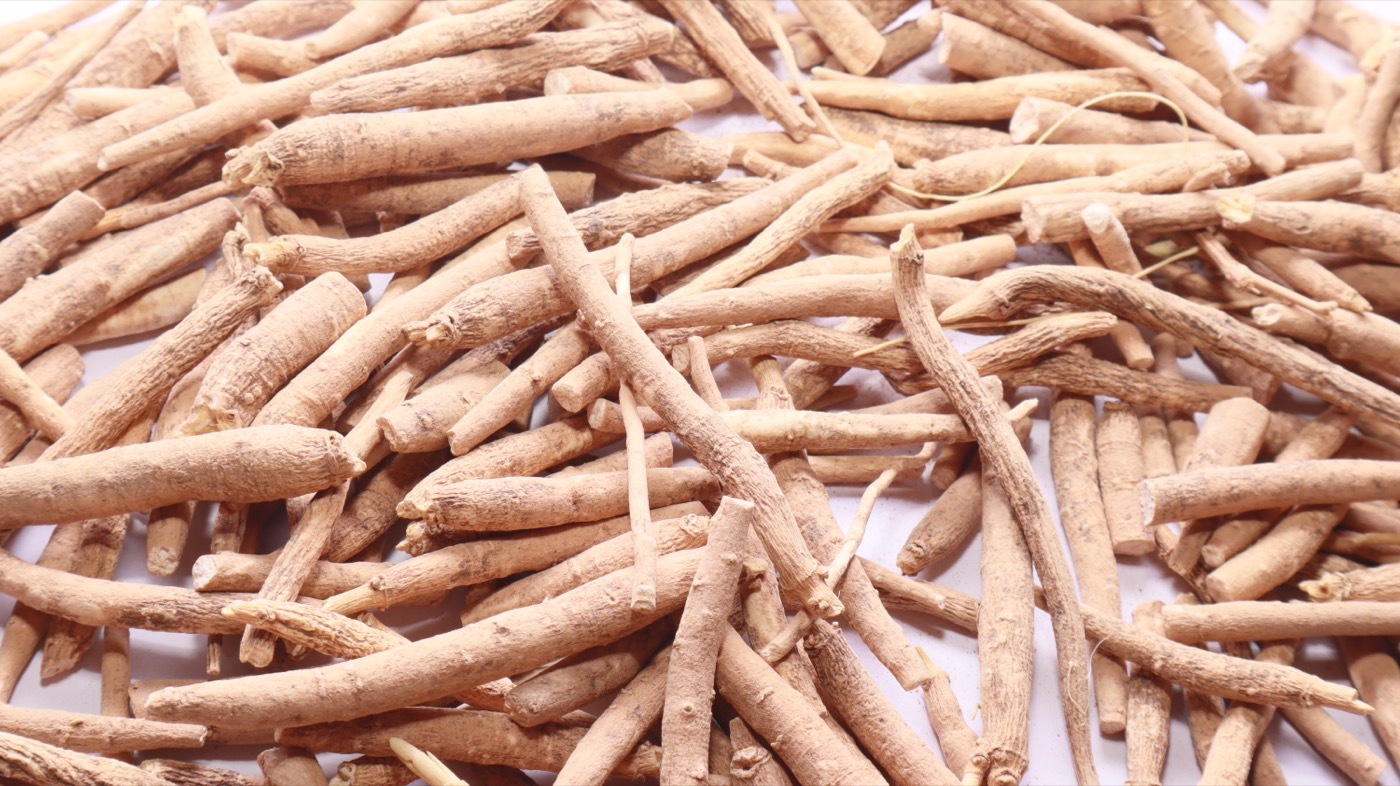
Ashwagandha Extract (Withania somnifera)
Hydro-alcoholic root extract of Withania somnifera standardised to 1.5–10% total withanolides by HPLC. Root-only material, vegan, bulk 25 kg export packing from India with batch COA.
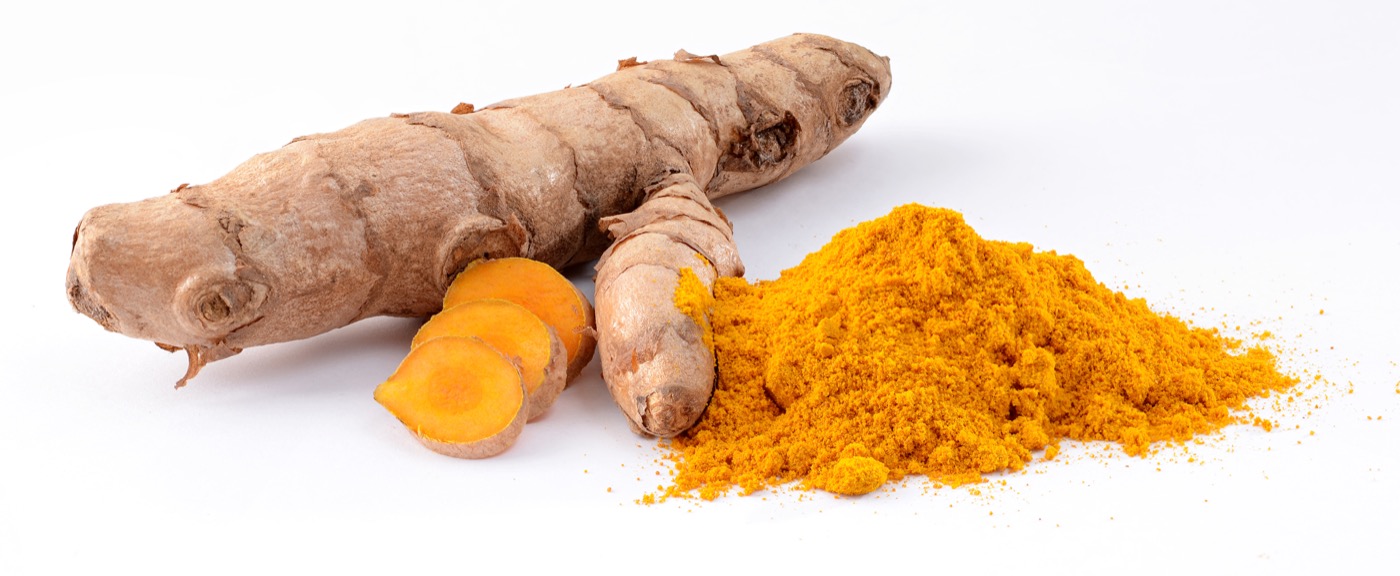
Turmeric Extract / Curcumin 95%
Purified Curcuma longa rhizome extract assaying NLT 95% total curcuminoids by HPLC, in USP curcumin / desmethoxy / bisdesmethoxy proportions. Orange-yellow crystalline powder, vegan.
Turmeric / Curcumin Extract
Standardized curcumin extract (up to 95% curcuminoids) for high-potency anti-inflammatory supplements.