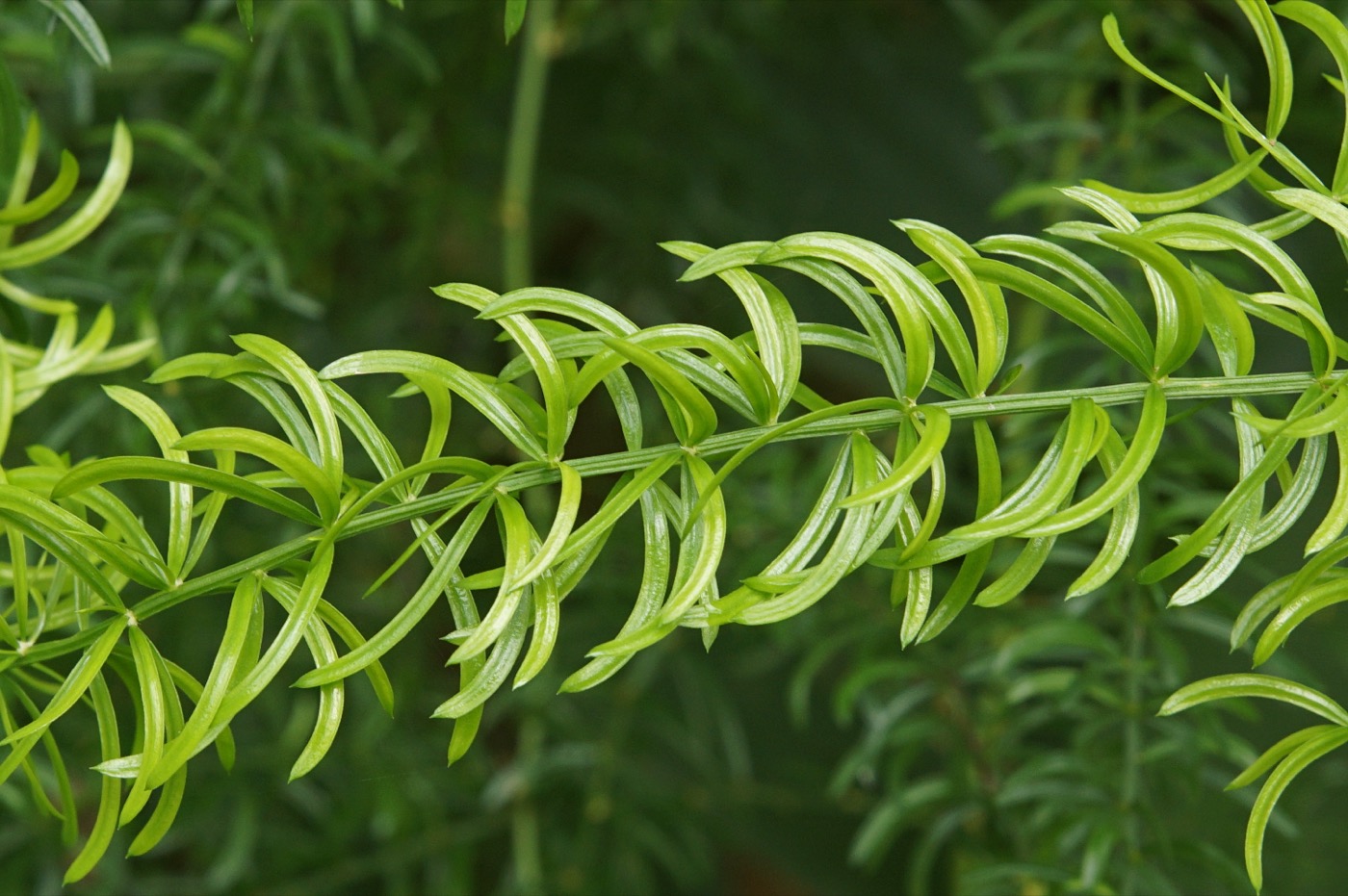
Shatavari Extract (Asparagus racemosus)
Spray-dried Asparagus racemosus root extract standardised on total steroidal saponins by gravimetry, UV-Vis or HPLC against a shatavarin reference. Vegan and free of major allergens.
Specifications
| Botanical source | Asparagus racemosus Willd. (Asparagaceae); also traded as satavar, satamuli or Indian asparagus. Identity by TLC/HPTLC against authenticated reference material. |
| Plant part and origin | Dried tuberous root, typically lifted after 2–3 years of cultivation and milled before extraction. Indian origin, mainly Rajasthan and Madhya Pradesh. |
| Standardisation | Total saponins at 5%, 10%, 20%, 30%, 40% or 50%. Method must be named: gravimetry, UV-Vis (vanillin–H2SO4, 540 nm) or HPLC vs shatavarin standard. |
| Marker chemistry | Steroidal saponins of the shatavarin series, shatavarin IV being the usual named HPLC marker; native matrix also carries mucilage, flavonoids and sterols. |
| Extraction and solvents | Hydro-alcoholic (water/ethanol) extraction, vacuum concentration, spray drying. Residual solvents to ICH Q3C limits. Native 4:1 and 10:1 ratio grades available. |
| Appearance, odour and solubility | Light brown to brown free-flowing powder, characteristic odour and bitter-sweet taste. Partially water soluble, soluble in ethanol and hydro-alcoholic media. |
| Particle size, moisture and ash | 100% through 60 mesh typical, 80 mesh on request. Loss on drying NMT 5.0%; total ash NMT 5.0%. Batch values reported on the CoA. |
| Heavy metals | Typical trade limits by ICP-MS: lead NMT 3 ppm, arsenic NMT 1 ppm, cadmium NMT 1 ppm, mercury NMT 0.1 ppm. Tighter limits held to written specification. |
| Microbiology | Total plate count NMT 10,000 cfu/g; yeast and mould NMT 1,000 cfu/g; E. coli and S. aureus absent; Salmonella absent in 25 g. |
| Pesticides and mycotoxins | Screened to EU MRLs or USP <561> as the buyer specifies; aflatoxin B1 and total aflatoxins to the destination market limit. Reported per lot. |
| Allergen status | No milk, egg, fish, crustacean, soy, gluten, peanut or tree-nut source material. Asparagaceae, not a regulated allergen in the EU, US, Canada or Australia/NZ. |
| Dietary and regulatory status | Vegan and vegetarian; no bovine, porcine or marine input. Non-GMO, not irradiated. Ayurvedic Pharmacopoeia of India carries a Shatavari root monograph. |
| Shelf life and storage | 24 months from manufacture in sealed original packing. Hygroscopic: store below 25 °C at under 65% RH, away from light, and reseal promptly after sampling. |
| HS code (India) | 1302 19 19, other vegetable extracts. Final classification rests with the customs authority in the importing country. |
Applications
Available grades
Total saponins 5%, 10%, 20%, 30%, 40% and 50% by gravimetry; UV-Vis (540 nm) and HPLC-against-shatavarin grades to order. Native ratio extracts 4:1 and 10:1. Particle size 60 mesh standard, 80 mesh and granular direct-compression grades on request. Water-dispersible grade for beverage use. Conventional, and NPOP/NOP/EU-organic certified subject to certificate scope.
Related products
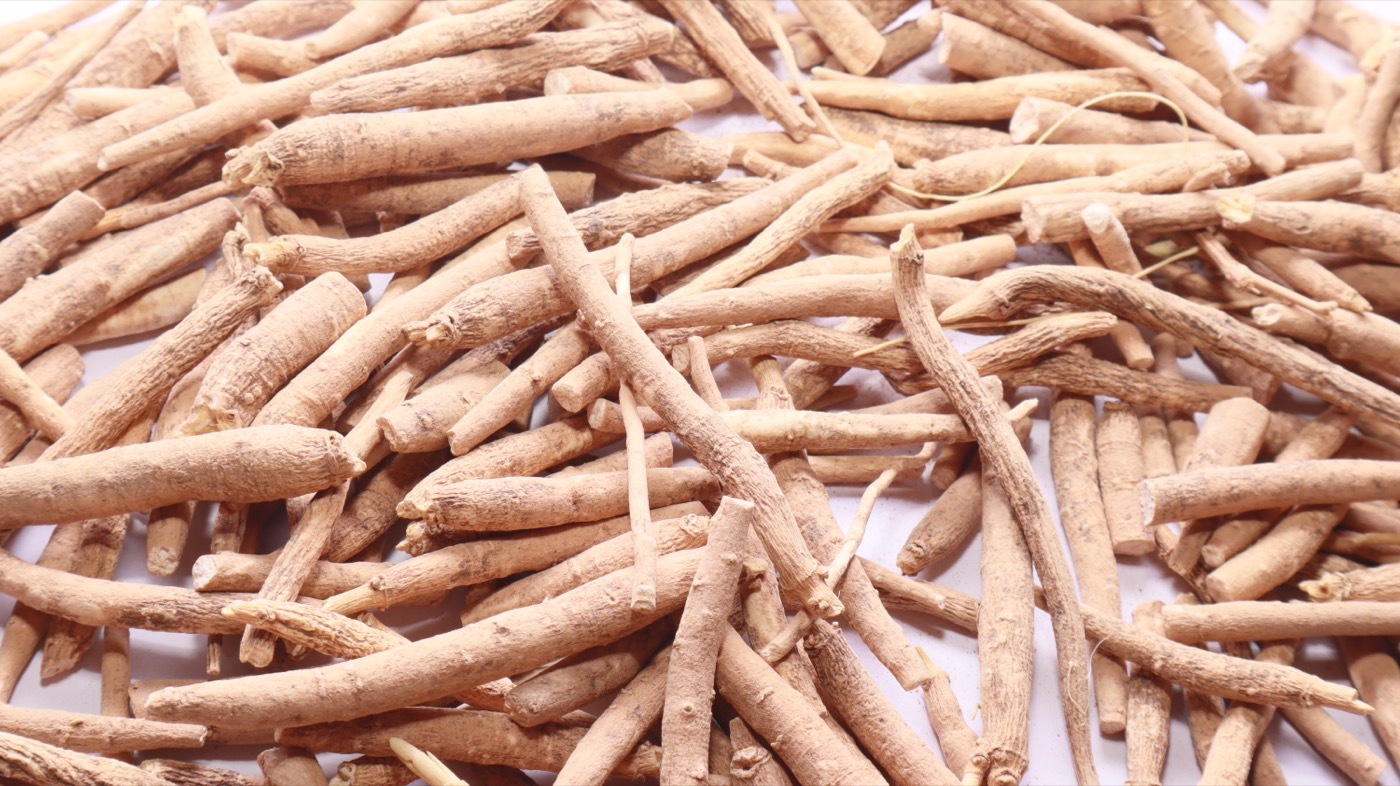
Ashwagandha Extract (Withania somnifera)
Hydro-alcoholic root extract of Withania somnifera standardised to 1.5–10% total withanolides by HPLC. Root-only material, vegan, bulk 25 kg export packing from India with batch COA.
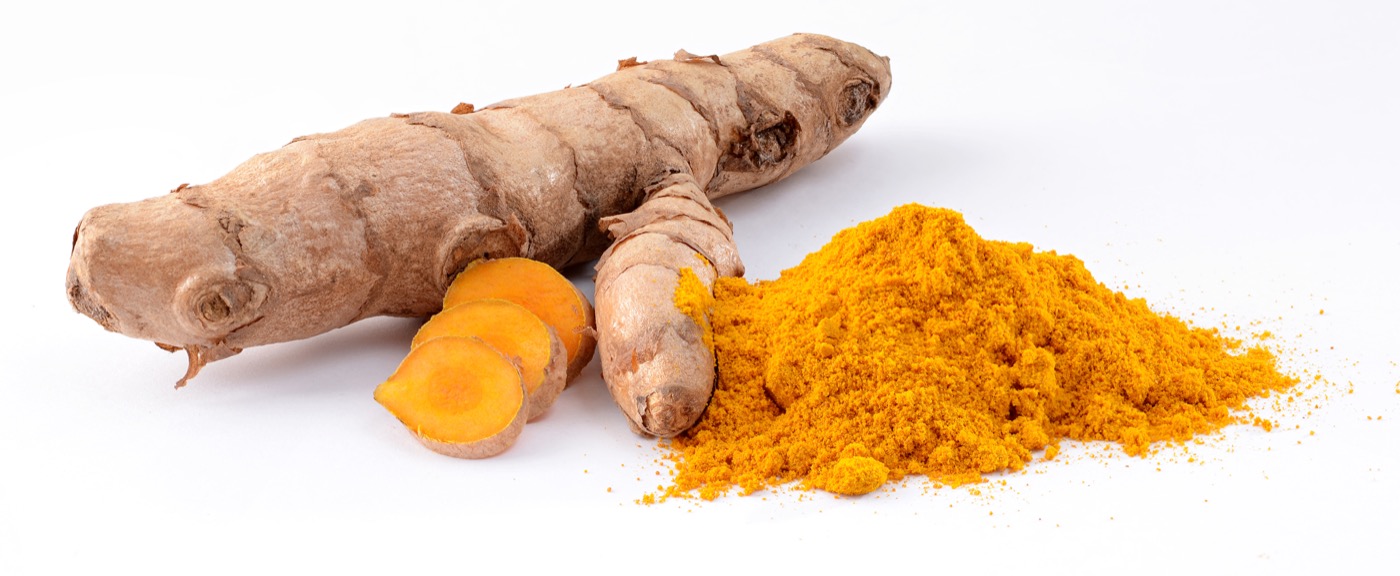
Turmeric Extract / Curcumin 95%
Purified Curcuma longa rhizome extract assaying NLT 95% total curcuminoids by HPLC, in USP curcumin / desmethoxy / bisdesmethoxy proportions. Orange-yellow crystalline powder, vegan.
Turmeric / Curcumin Extract
Standardized curcumin extract (up to 95% curcuminoids) for high-potency anti-inflammatory supplements.