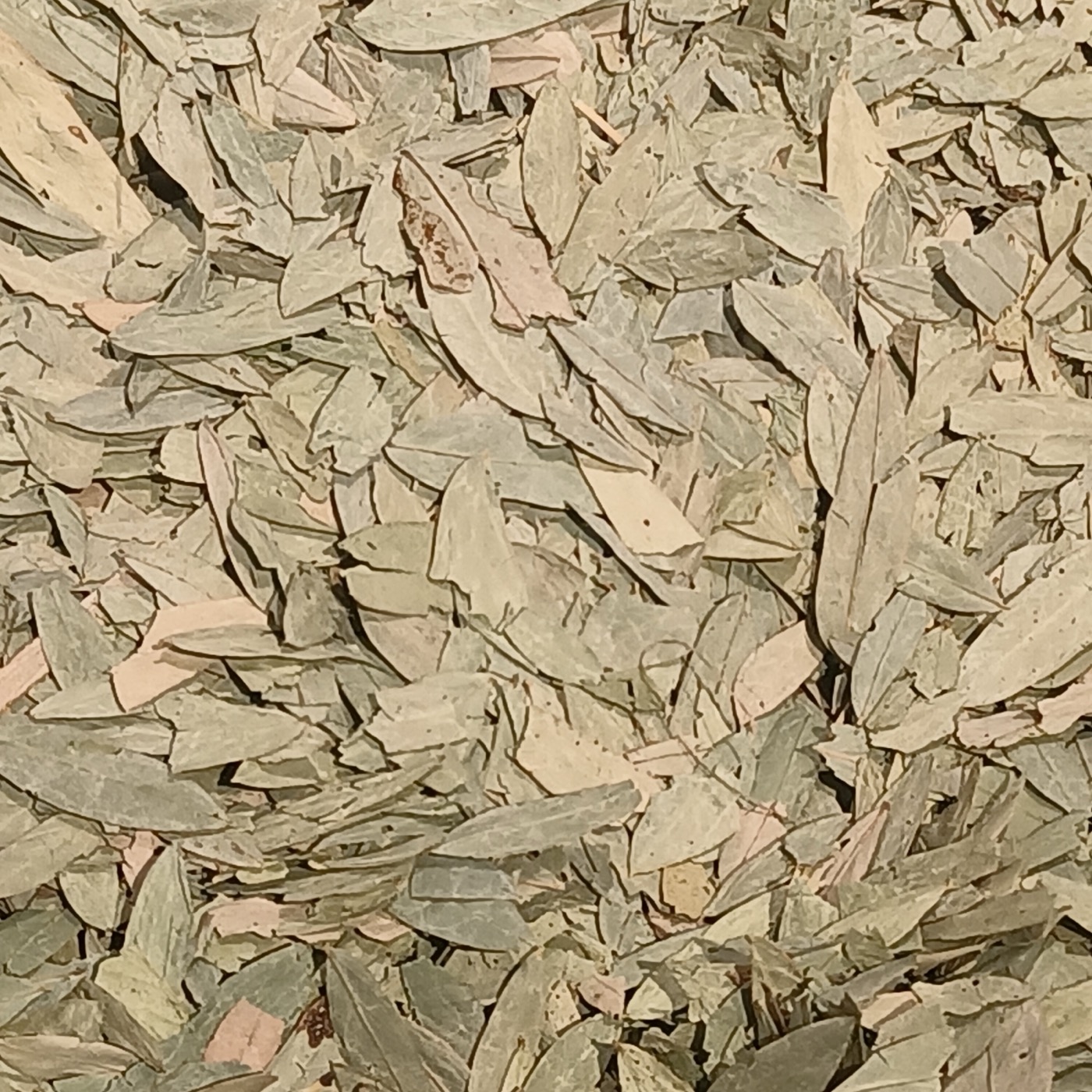
Senna extract (Sennosides)
Standardised leaf or pod extract of Senna alexandrina, assayed for sennosides A and B from 6% to 40% by HPLC or UV. Tinnevelly-origin raw material, vegan, shipped with full hydroxyanthracene documentation.
Specifications
| Botanical source | Senna alexandrina Mill., Fabaceae; synonyms Cassia angustifolia Vahl and Cassia senna L. Indian trade name Tinnevelly senna. |
| Plant part | Dried leaflets (folium) as standard; pod (fructus) extract produced to order. |
| Marker compounds | Sennosides A (CAS 81-27-6) and B (CAS 128-57-4), both C42H38O20, MW 862.74; sennosides C and D also present in the native matrix. |
| Assay / standardisation | Sennosides 6%, 8%, 10%, 20% or 40% by HPLC or by the Bornträger photometric method, expressed as sennoside B. Other levels to order. |
| Pharmacopoeial reference | Ph. Eur. standardised senna leaf dry extract holds 5.5-8.0% hydroxyanthracene glycosides as sennoside B, made with ethanol 50-80% v/v. |
| Extraction solvent | Water or ethanol/water. Residual solvent controlled to ICH Q3C Class 3 limits; the solvent route is stated on the CoA. |
| Appearance and solubility | Free-flowing brown to greenish-brown powder. Sparingly soluble in cold water; sennosides dissolve readily as their alkali salts. |
| Carrier | Native extract, or standardised on maize maltodextrin. No wheat-derived carrier is used, so no gluten source enters the grade. |
| Loss on drying | NMT 5.0% |
| Heavy metals | Lead, arsenic, cadmium and mercury tested each lot against USP <2232>, Ph. Eur. 2.4.27 or the buyer's own limits. |
| Microbiology | TPC NMT 10,000 cfu/g; yeast and mould NMT 1,000 cfu/g; E. coli absent in 1 g; Salmonella absent in 25 g. Steam-treated lots on request. |
| Allergen and dietary status | Vegan and vegetarian. No milk, egg, soy, fish, crustacean, peanut, tree nut, sesame, mustard or gluten-containing cereal in source or process. |
| Shelf life and storage | 36 months from manufacture in the unopened original pack, below 25 C, protected from light and moisture. |
| HS code | India ITC-HS 1302 19 19 — vegetable saps and extracts, other, extracts, other. |
Applications
Available grades
Sennosides 6%, 8%, 10%, 20% and 40% by HPLC or UV, from leaf or from pod. Ph. Eur.-style standardised leaf dry extract at 5.5-8.0% hydroxyanthracene glycosides as sennoside B. Water-extracted and ethanol-extracted routes. Purified calcium sennosides at 60% and above (USP Sennosides) quoted as a separate item. Organic (NPOP / NOP / EU) lots, and kosher or halal certification, arranged against a forward contract.
Related products
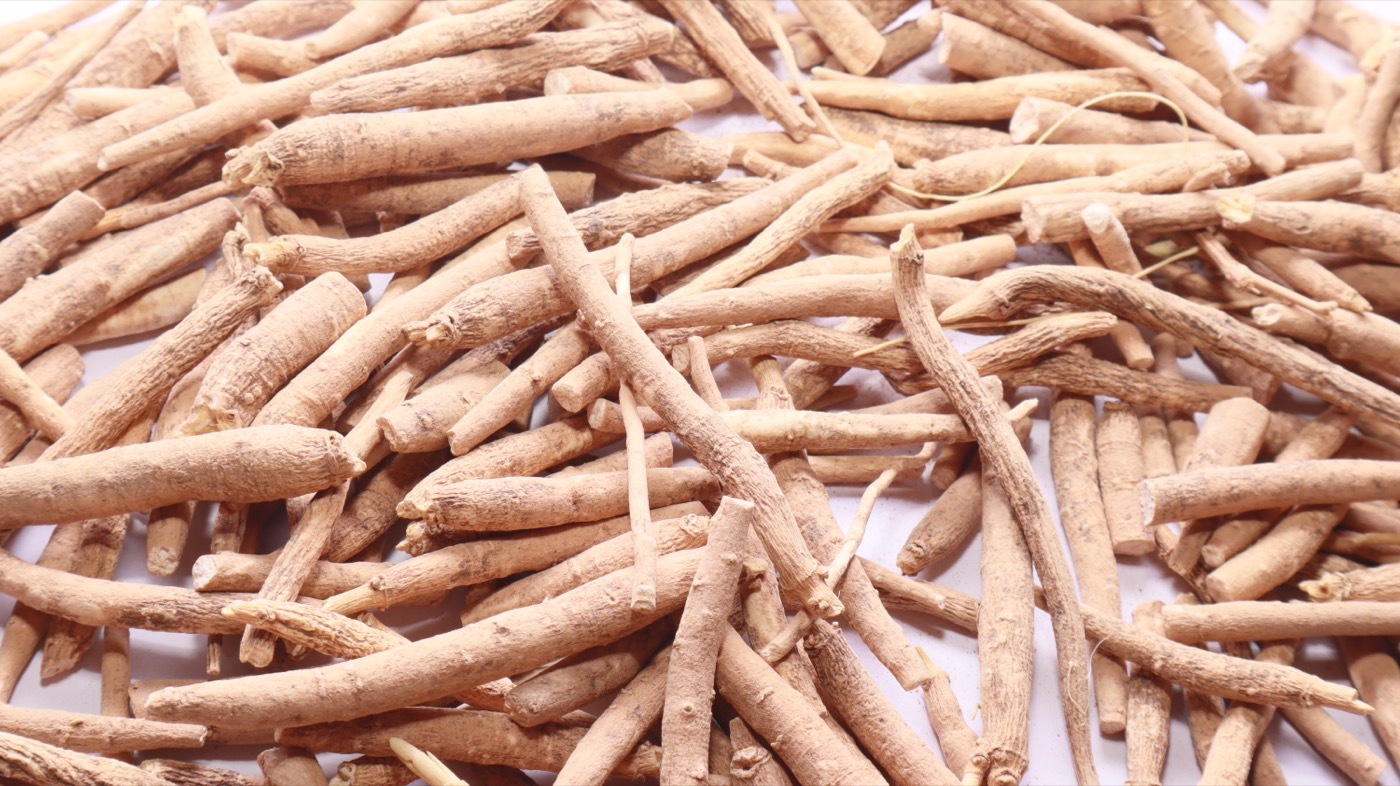
Ashwagandha Extract (Withania somnifera)
Hydro-alcoholic root extract of Withania somnifera standardised to 1.5–10% total withanolides by HPLC. Root-only material, vegan, bulk 25 kg export packing from India with batch COA.
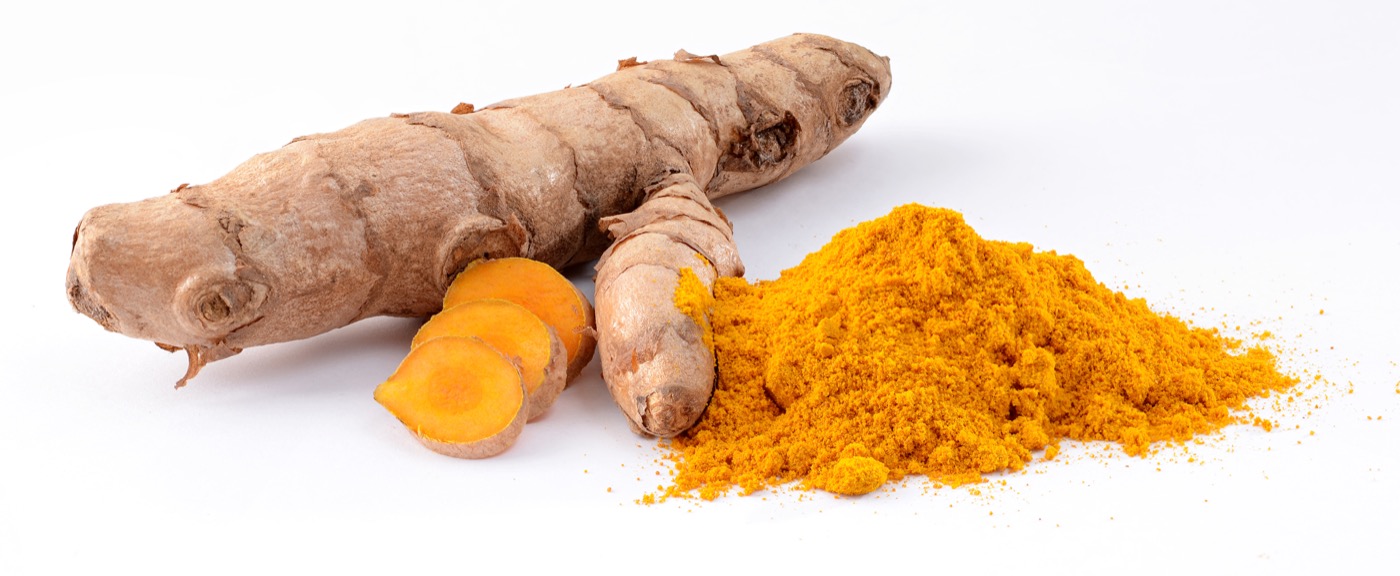
Turmeric Extract / Curcumin 95%
Purified Curcuma longa rhizome extract assaying NLT 95% total curcuminoids by HPLC, in USP curcumin / desmethoxy / bisdesmethoxy proportions. Orange-yellow crystalline powder, vegan.
Turmeric / Curcumin Extract
Standardized curcumin extract (up to 95% curcuminoids) for high-potency anti-inflammatory supplements.