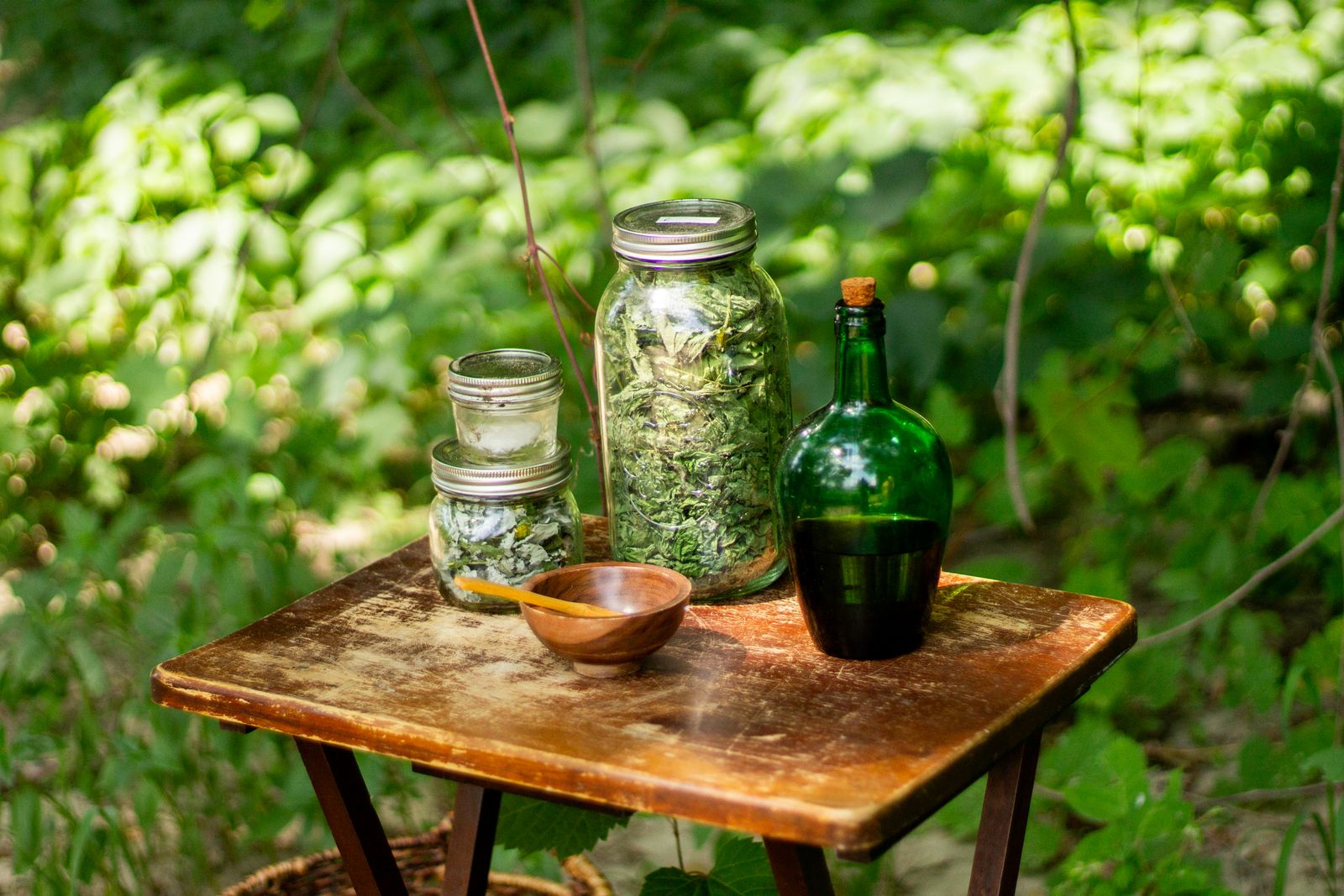
Sea Buckthorn Berry Extract
Dry extract of Hippophae rhamnoides berries standardised on total flavonoids by UV from 5% to 20%, isorhamnetin-glycoside dominant, supplied as a vegan orange-tan powder for drinks and gummies.
Specifications
| Botanical source | Hippophae rhamnoides L. (sea buckthorn), family Elaeagnaceae; Himalayan and Central Asian fruit, subsp. turkestanica predominant in Indian material |
| Plant part | Ripe destemmed berry only; leaf, thorn and residual seed cake excluded from the batch |
| Standardisation | Total flavonoids by UV as rutin at 5%, 10% or 20%; HPLC grades assayed against isorhamnetin or quercetin on request |
| Marker chemistry | Isorhamnetin, C16H12O7, MW 316.26, CAS 480-19-3, present in fruit mainly as 3-O-glucoside, 3-O-rutinoside and 3-O-glucoside-7-O-rhamnoside |
| Flavonol profile | Isorhamnetin derivatives reported at over 65% of total flavonols, with rutin, quercetin and kaempferol glycosides making up most of the remainder |
| Extraction and carriers | Water and food-grade ethanol; native ratio typically 10:1 to 20:1. Maize maltodextrin or acacia gum carrier where used, always declared |
| Identity and authenticity | HPTLC identity plus HPLC flavonol fingerprint every lot; screened for dilution with cheaper carotenoid-rich fruit powders and for added colourants |
| Appearance and solubility | Fine orange-tan to light brown hygroscopic powder, NLT 95% through 80 mesh; water-dispersible and largely soluble in water and aqueous ethanol |
| Vitamin C status | Not guaranteed on the standard grade; ascorbate is heat- and oxygen-labile. A separately assayed vitamin C grade must be specified at order |
| Physical limits | Loss on drying NMT 5.0%; sulphated ash NMT 5.0%; residual solvents within ICH Q3C Class 2 and 3 limits |
| Allergen and origin | Vegan and vegetarian, plant origin only. No milk, egg, soy, fish, crustacean, gluten or tree nut input. Sea buckthorn is a berry, not a nut |
| Heavy metals and pesticides | Lead NMT 3.0 ppm, arsenic NMT 1.0 ppm, cadmium NMT 1.0 ppm, mercury NMT 0.1 ppm; pesticide residues to EU Reg. 396/2005 MRLs on request |
| Microbiology | Total plate count NMT 10,000 cfu/g; yeast and mould NMT 500 cfu/g; E. coli, Salmonella and S. aureus absent in the tested portion |
| Shelf life, storage | 24 months in the sealed original pack below 25 C, dry and light-protected. |
| HS code | 13021919 |
Applications
Available grades
Total flavonoids 5%, 10% and 20% by UV as rutin; isorhamnetin-assayed HPLC grade to the buyer's figure; native 10:1 and 20:1 ratio extracts, carrier-free or on maize maltodextrin; instant water-soluble grade for beverages; granulated and DC grades for direct compression; organic (NOP/EU), kosher and halal certified lots to order. Sea buckthorn pulp oil, seed oil and spray-dried juice powder are supplied as separate articles under their own specifications.
Related products
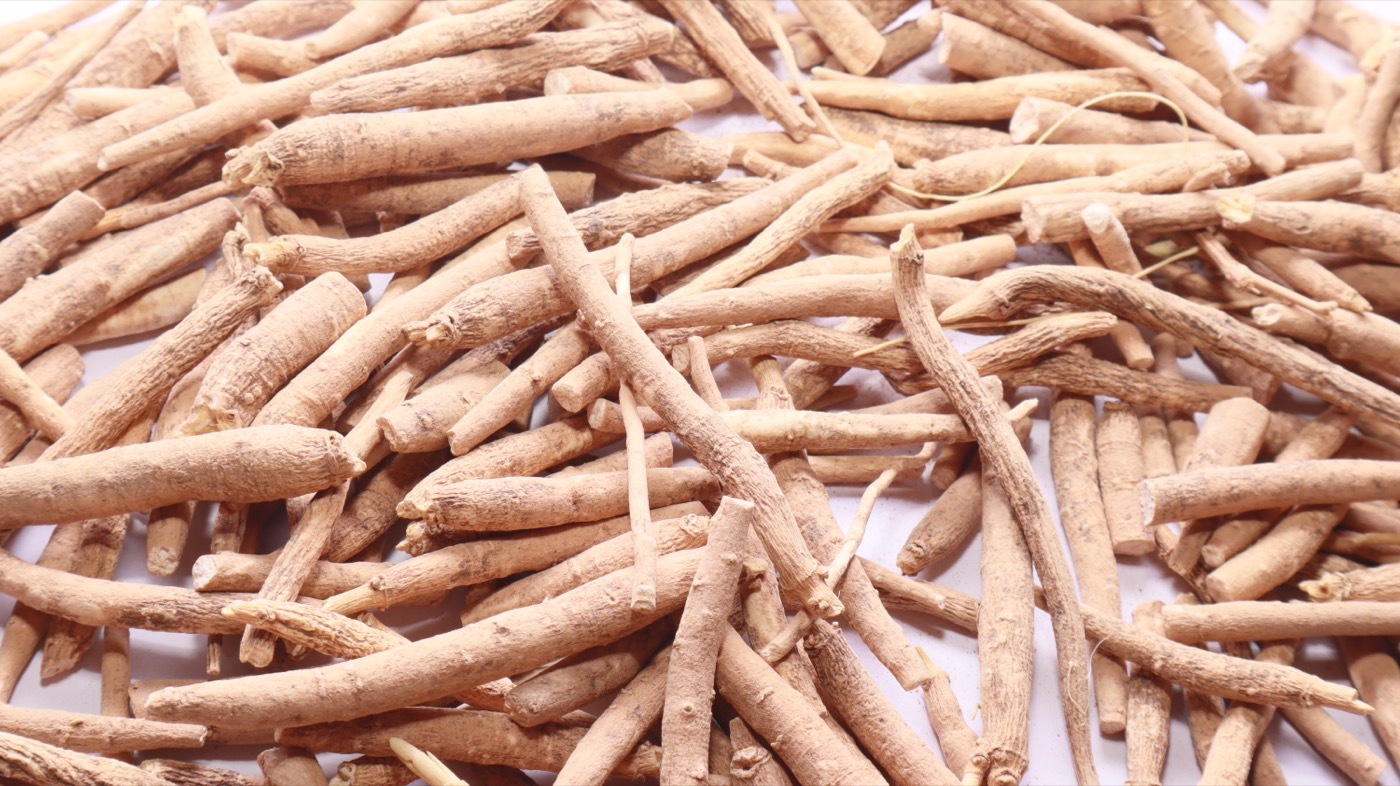
Ashwagandha Extract (Withania somnifera)
Hydro-alcoholic root extract of Withania somnifera standardised to 1.5–10% total withanolides by HPLC. Root-only material, vegan, bulk 25 kg export packing from India with batch COA.
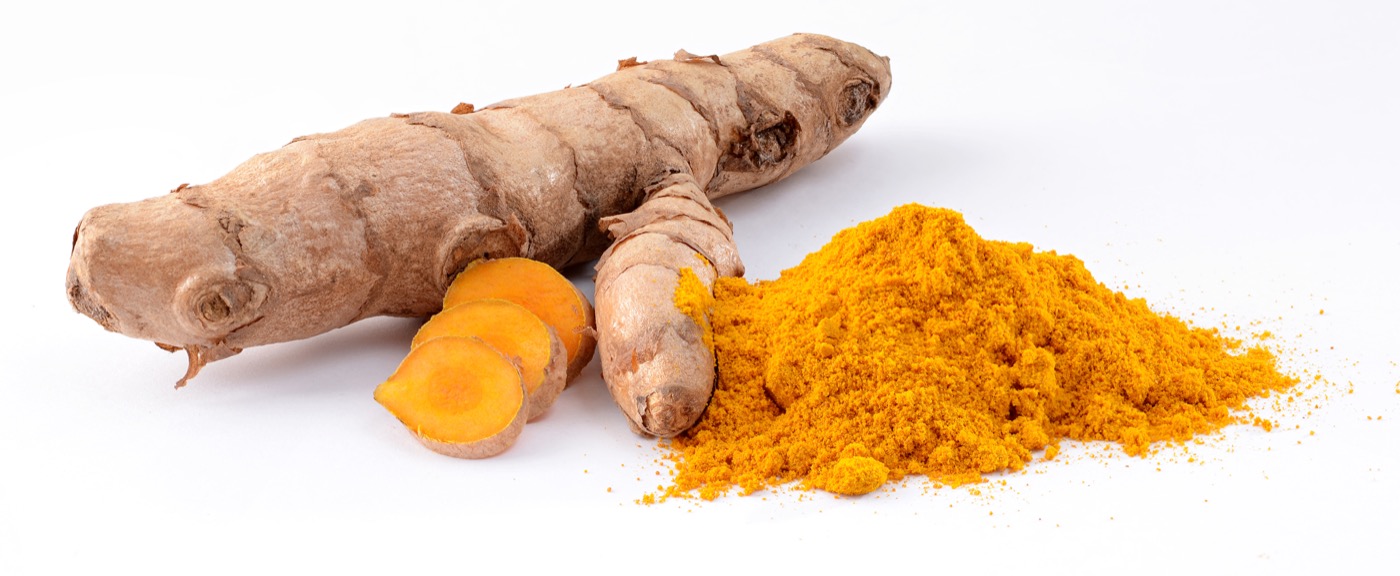
Turmeric Extract / Curcumin 95%
Purified Curcuma longa rhizome extract assaying NLT 95% total curcuminoids by HPLC, in USP curcumin / desmethoxy / bisdesmethoxy proportions. Orange-yellow crystalline powder, vegan.
Turmeric / Curcumin Extract
Standardized curcumin extract (up to 95% curcuminoids) for high-potency anti-inflammatory supplements.