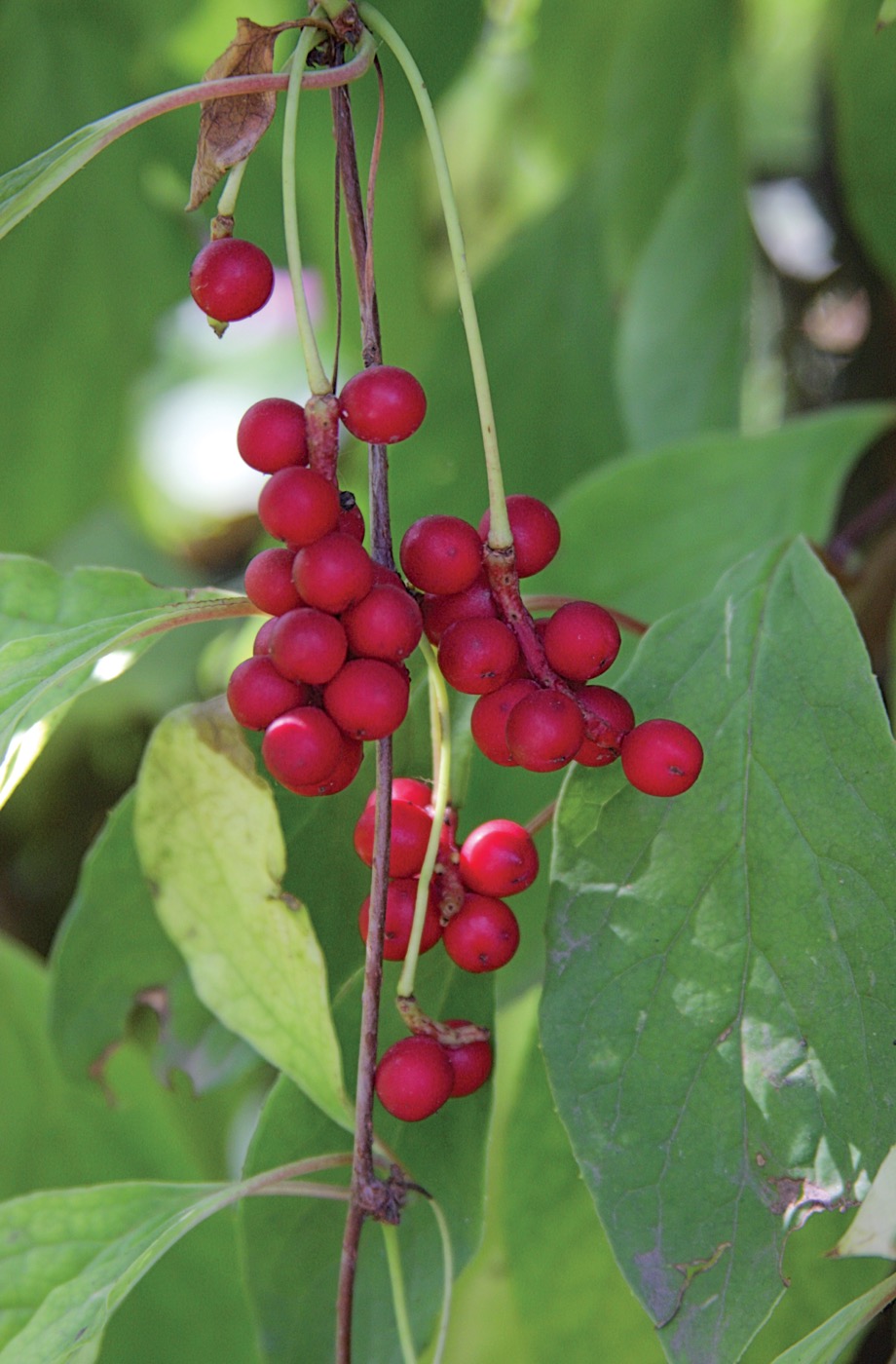
Schisandra Berry Extract
Extract of dried Schisandra chinensis berry standardised on dibenzocyclooctadiene lignans by HPLC or UV. Vegan, allergen-free bulk powder in 2% to 9% grades.
Specifications
| Botanical source | Schisandra chinensis (Turcz.) Baill. (Schisandraceae), dried ripe fruit; the five-flavour berry, wu wei zi in Chinese and omija in Korean |
| Species caution | Schisandra sphenanthera (nan wuweizi) is a separate official drug with a different lignan profile. Name the species on the purchase order and the COA |
| Marker compounds | Dibenzocyclooctadiene lignans: schisandrin or schisandrol A (C24H32O7, CAS 7432-28-2, 432.5 g/mol), schisandrol B, deoxyschisandrin, schisandrin B, schisantherin A |
| Standardisation | 2% schisandrin by HPLC as standard; 5% and 9% total schisandrins by UV. HPLC single-marker and UV total figures are not interchangeable |
| Pharmacopoeial reference | Schisandra fruit carries European Pharmacopoeia and WHO monographs; both use HPLC assay of schisandrin as the content marker for the crude drug |
| Raw material note | Lignans concentrate in the seed rather than the pulp, so seed-inclusive milling raises assay. Specify whole berry or de-seeded pulp at order stage |
| Extraction | Water or hydro-ethanolic, ethanol 50-70% v/v; drug-to-extract ratio 10:1 or 20:1 for ratio grades. Carrier-free unless a dilution is specified |
| Appearance and organoleptics | Reddish-brown to deep brown free-flowing powder; aromatic odour, markedly sour and astringent taste. Colour and acidity carry into finished goods |
| Particle size and moisture | Minimum 95% through 80 mesh (about 180 microns), 100 mesh on request; loss on drying not more than 5.0%; total ash not more than 5.0% |
| Heavy metals | Within USP <2232> permitted daily exposures for dietary supplements: inorganic arsenic 15, cadmium 5, lead 5 and total mercury 15 micrograms per day |
| Microbiology and solvents | Total plate count NMT 10,000 cfu/g; yeast and mould NMT 1,000 cfu/g; E. coli and Salmonella absent in 10 g; residual ethanol within ICH Q3C Class 3 |
| Allergen and diet status | No milk, egg, soy, fish, crustacean, gluten, sesame or tree-nut inputs. Vegan and vegetarian, non-GMO, no animal-derived carriers or processing aids |
| Origin and shelf life | Berry of north-east Chinese, Korean or Russian Far East origin, extracted and released in India; 24 months sealed below 25 C, protected from light |
| HS code | 1302 19 19 (India ITC-HS): vegetable saps and extracts, other, extracts, other |
Applications
Available grades
2% schisandrin (HPLC, against a schisandrin reference standard) standard; 5% and 9% total schisandrins by UV; 10:1 and 20:1 ratio extracts; water or hydro-ethanolic; whole-berry or de-seeded pulp; 80 mesh standard with 100 mesh, low-tannin and decolourised options.
Related products
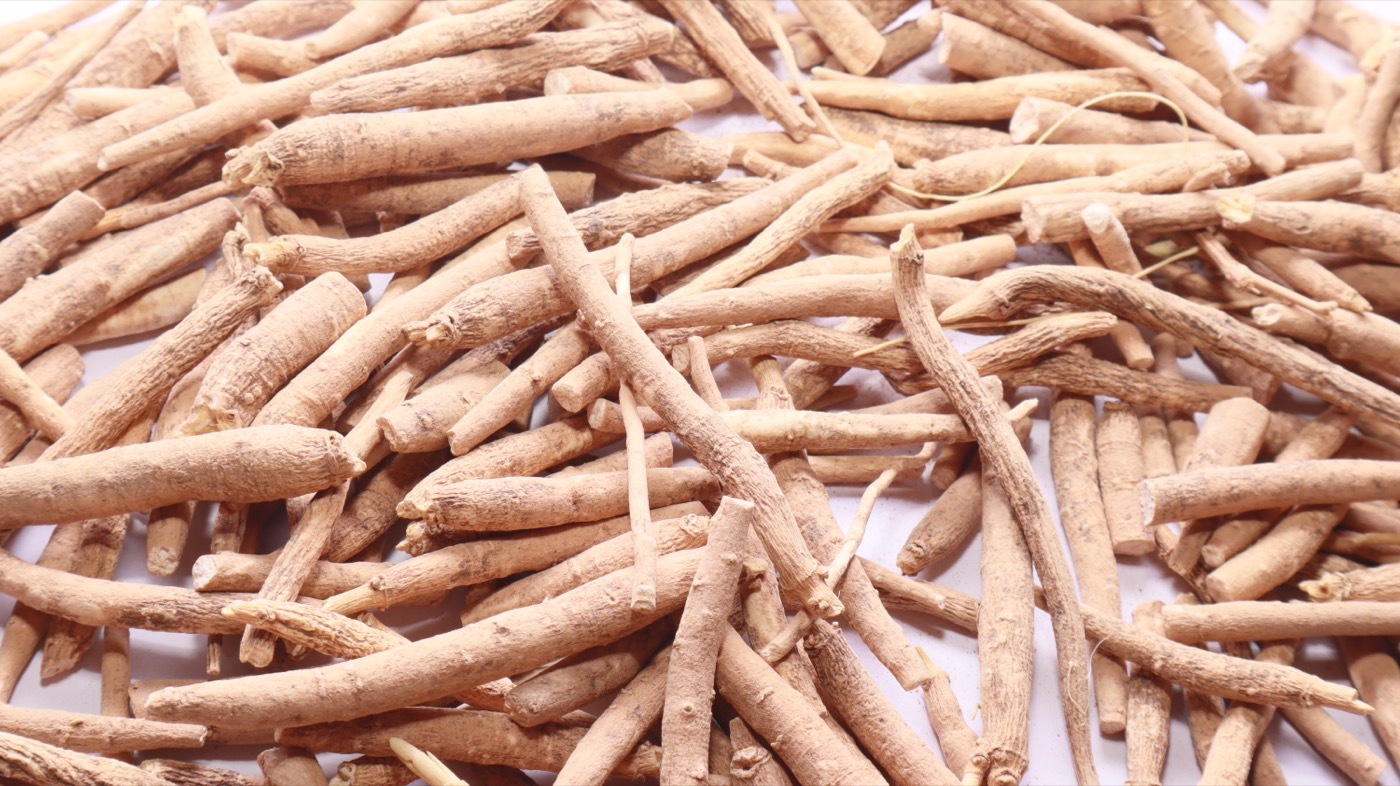
Ashwagandha Extract (Withania somnifera)
Hydro-alcoholic root extract of Withania somnifera standardised to 1.5–10% total withanolides by HPLC. Root-only material, vegan, bulk 25 kg export packing from India with batch COA.
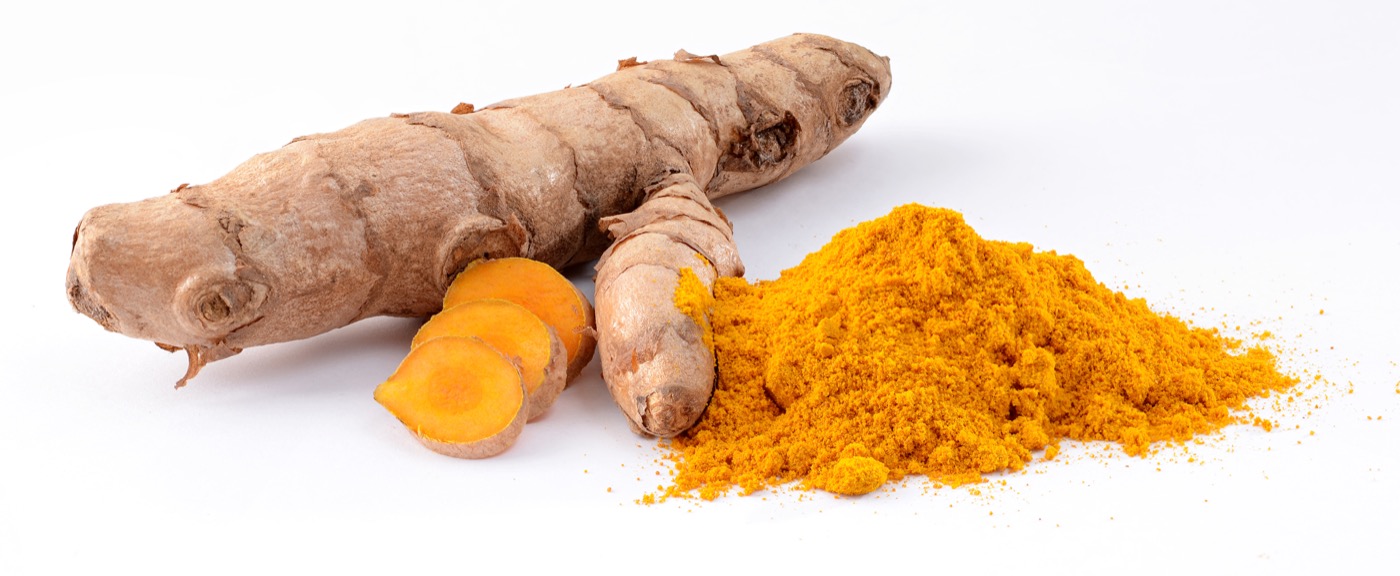
Turmeric Extract / Curcumin 95%
Purified Curcuma longa rhizome extract assaying NLT 95% total curcuminoids by HPLC, in USP curcumin / desmethoxy / bisdesmethoxy proportions. Orange-yellow crystalline powder, vegan.
Turmeric / Curcumin Extract
Standardized curcumin extract (up to 95% curcuminoids) for high-potency anti-inflammatory supplements.