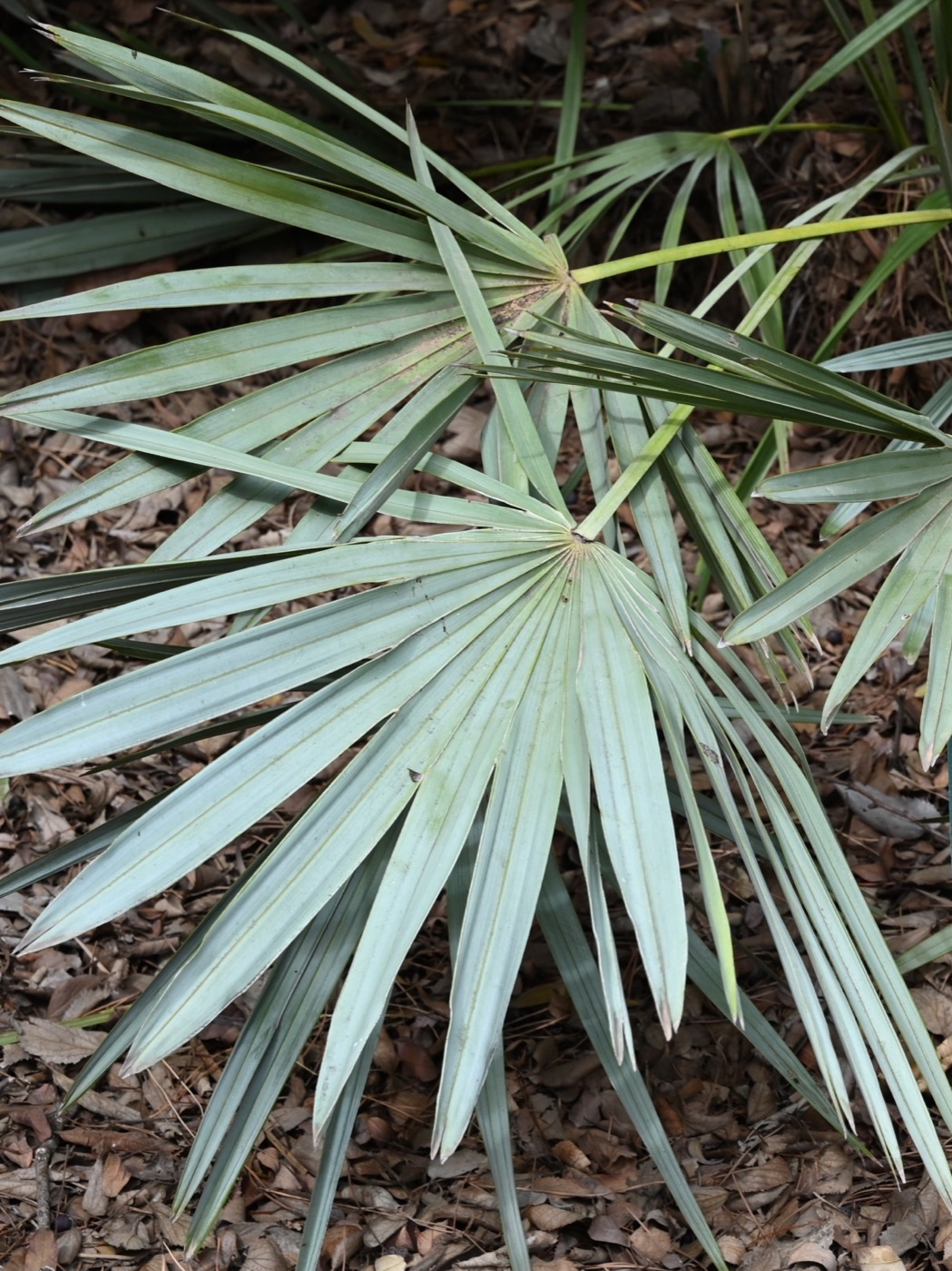
Saw Palmetto Extract
Lipidosterolic extract of Serenoa repens berries, supercritical CO2 or solvent extracted, at 85–95% total fatty acids by GC with lauric-ratio authenticity screening. Plant-derived, not a marine oil.
Specifications
| Botanical source | Serenoa repens (W. Bartram) Small, family Arecaceae; synonym Sabal serrulata |
| Plant part | Ripe dried fruit (berry), wild-harvested from the coastal southeastern United States |
| Extraction | Supercritical carbon dioxide, or hexane or ethanol extraction, specified at order; solvent residues tested to the applicable ICH class limits |
| Total fatty acids | 85–95% by GC-FAME as standard; USP monograph minimum for saw palmetto extract is NLT 80% |
| Fatty acid profile | Typically lauric 27–30%, oleic 27–30%, myristic around 10%, palmitic around 10%; eleven individual acids quantified per the USP GC-FAME method |
| Authenticity screening | Lauric acid to individual fatty acid ratios per the USP revision for CO2 extracts, plus acid value, fatty alcohol and phytosterol profiling |
| Phytosterols | Present at a fraction of a percent, principally beta-sitosterol; assayed on request |
| Powder grades | Oil adsorbed on silicon dioxide or maize-derived maltodextrin at 25% or 45% total fatty acids; also 4:1 native ratio berry powder extract |
| Appearance | Oleoresin: dark green to brown viscous oil with characteristic odour. Powder: off-white to light beige free-flowing powder |
| Adulteration control | Screened against BAPP-documented substitution with palm, palm kernel, coconut and canola oils and with synthetic free fatty acid blends |
| Heavy metals | Lead NMT 3 ppm, arsenic NMT 2 ppm, cadmium NMT 1 ppm, mercury NMT 0.1 ppm |
| Microbiology (powder grades) | Total plate count NMT 10,000 cfu/g; yeast and mould NMT 500 cfu/g; E. coli and Salmonella absent |
| Allergen and diet status | Plant-derived, vegan and vegetarian. Not a fish or marine oil. No milk, egg, soy, fish, crustacean, peanut, tree nut, coconut or gluten source |
| Shelf life and storage | 24 months for powder and 18 months for oleoresin, in unopened original packaging under nitrogen, stored cool, dry and away from light |
| HS code | 3823.19 (38231900) |
Applications
Available grades
Supercritical CO2 oleoresin at 85%, 90% or 95% total fatty acids; hexane or ethanol extracted oleoresin at 85–90%; adsorbed powder at 25% and 45% total fatty acids; 4:1 native ratio berry powder extract. Nutraceutical grade and cosmetic grade.
Related products
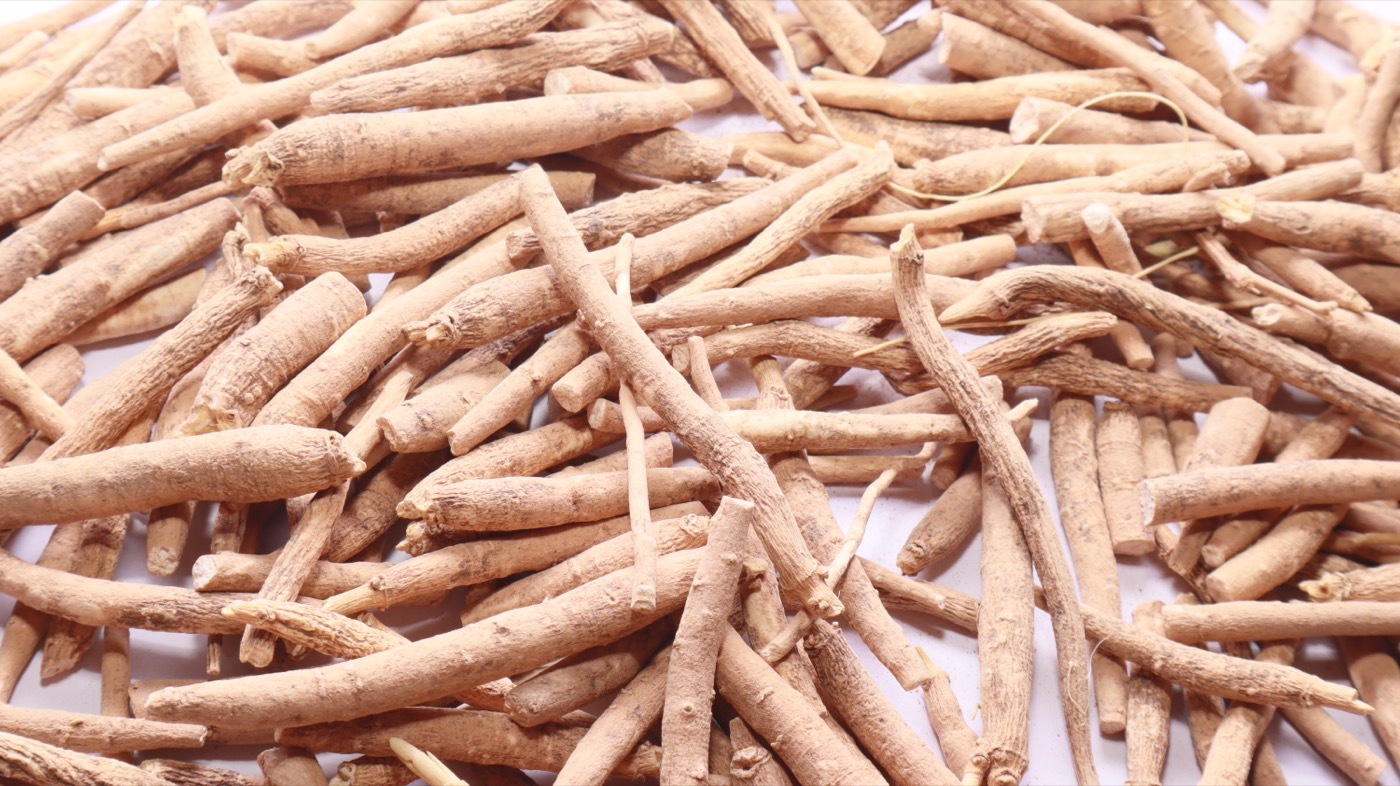
Ashwagandha Extract (Withania somnifera)
Hydro-alcoholic root extract of Withania somnifera standardised to 1.5–10% total withanolides by HPLC. Root-only material, vegan, bulk 25 kg export packing from India with batch COA.
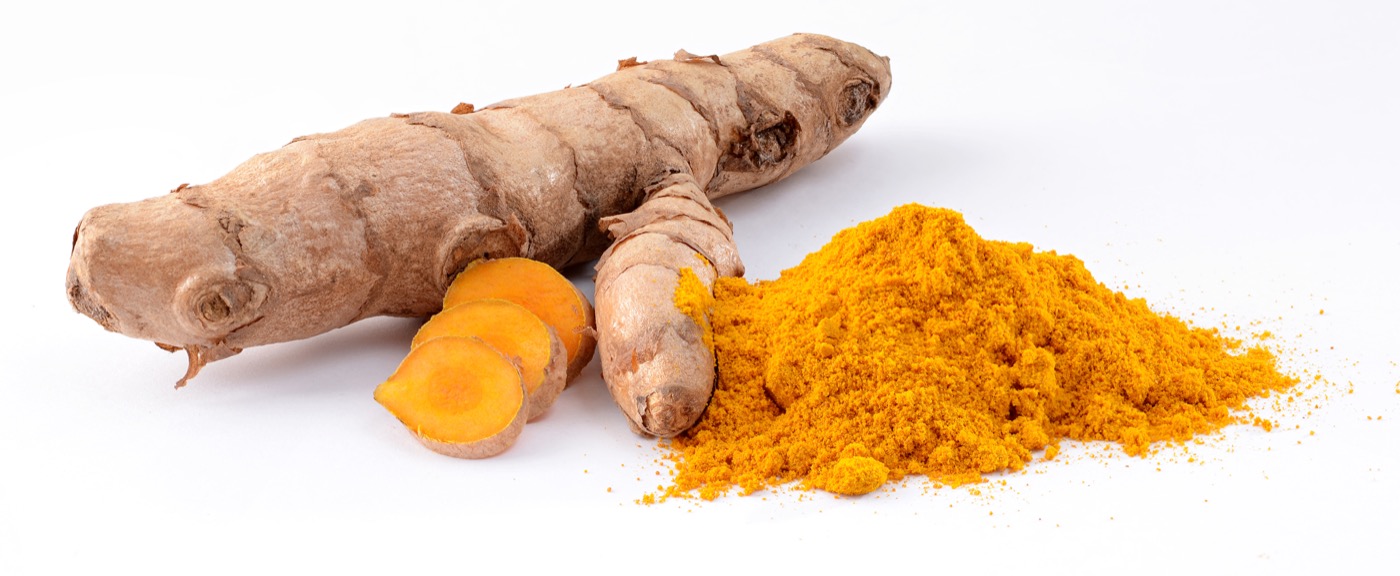
Turmeric Extract / Curcumin 95%
Purified Curcuma longa rhizome extract assaying NLT 95% total curcuminoids by HPLC, in USP curcumin / desmethoxy / bisdesmethoxy proportions. Orange-yellow crystalline powder, vegan.
Turmeric / Curcumin Extract
Standardized curcumin extract (up to 95% curcuminoids) for high-potency anti-inflammatory supplements.