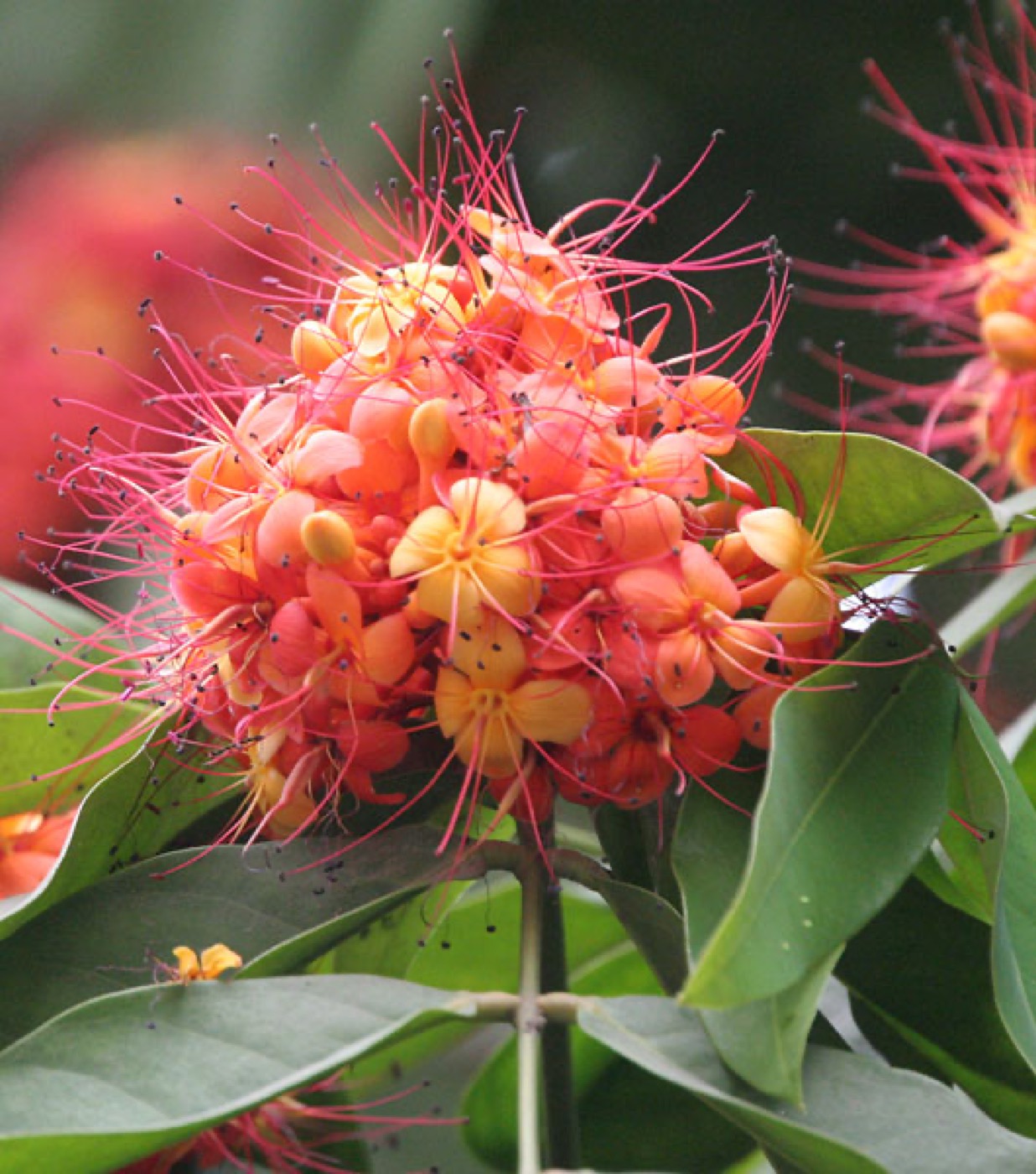
Saraca asoca Extract (Ashoka Bark Extract)
Standardised Ashoka stem bark extract from Saraca asoca, supplied at 2.5%, 5% or 10% total tannins by titration and as 4:1 to 20:1 native ratio grades. Vegan, HPTLC-authenticated, bulk export from India.
Specifications
| Botanical source | Saraca asoca (Roxb.) W.J.de Wilde, family Fabaceae (Detarioideae). Trade synonym Saraca indica auct. Ayurvedic drug name Ashoka / Ashoka Twak. |
| Plant part | Dried stem bark only. No leaf, flower or root material admitted. |
| Standardisation | Total tannins 2.5%, 5.0% or 10.0% w/w by titration. Catechin and epicatechin profile by HPLC available as supplementary markers. |
| Native ratio grades | 4:1, 10:1 and 20:1 drug-to-extract native grades supplied without marker standardisation or carrier. |
| Extraction solvent | Water or hydro-alcoholic (food-grade ethanol/water). Residual solvents controlled to ICH Q3C Class 3 limits. |
| Appearance and organoleptics | Fine free-flowing powder, light brown to reddish brown. Characteristic odour, markedly astringent taste. |
| Solubility and particle size | Largely water-dispersible; hydro-alcoholic grades partly ethanol-soluble. Standard 100% through 80 mesh; 40/60 mesh granular on request. |
| Loss on drying / ash | LOD not more than 5.0% (105 °C). Total ash and acid-insoluble ash reported per lot against the agreed buyer specification. |
| Identity and adulterant control | HPTLC fingerprint against authenticated reference each lot. Optional DNA check to exclude Polyalthia longifolia, Trema orientalis and other bark substitutes. |
| Heavy metals | Lead, cadmium, mercury and arsenic tested per lot and reported on the CoA against USP <2232> dietary-supplement elemental impurity limits. |
| Microbiology and residues | TPC, yeast and mould, E. coli, Salmonella and S. aureus to USP <2021>/<2022>. Pesticide screen against EU Reg. 396/2005 MRLs on request. |
| Allergen and dietary status | No milk, egg, soy, fish, crustacean, peanut, tree nut, sesame or gluten source. Vegan and vegetarian, non-GMO. Halal and kosher available. |
| Conservation and origin | IUCN Red List: Vulnerable. Not CITES-listed. Cultivated and managed-collection Indian origin with traceability dossier on request. |
| Shelf life, storage | 24–36 months in unopened original packing below 25 °C, RH under 60%, protected from light. |
| HS code | 13021919 — see classification note |
Applications
Available grades
Tannins 2.5% by titration; Tannins 5.0% by titration; Tannins 10.0% by titration; Native ratio 4:1, 10:1 and 20:1; Carrier-free and maltodextrin-carried variants; Water-soluble and hydro-alcoholic grades; Fine 80-mesh powder and 40/60-mesh granular; Organic-certified grade subject to availability.
Related products
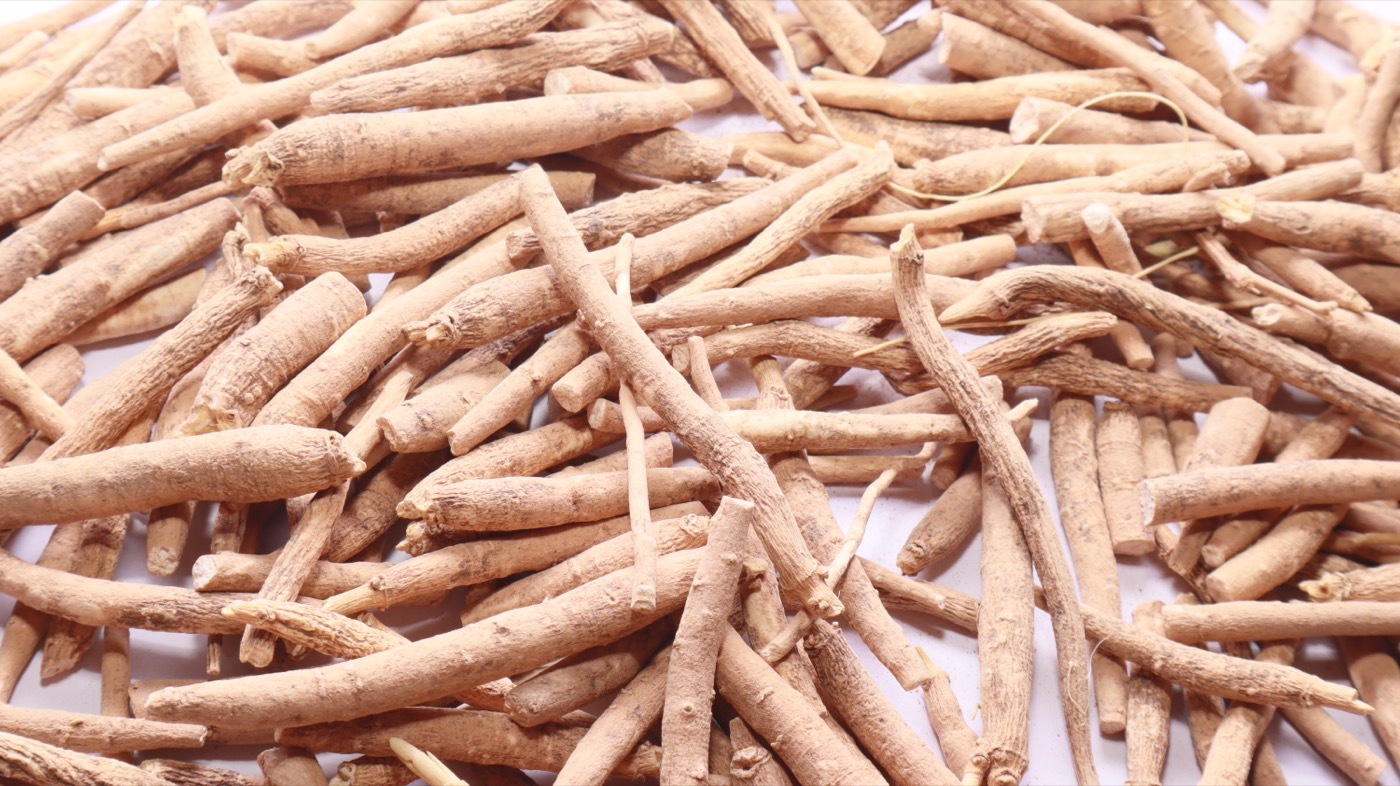
Ashwagandha Extract (Withania somnifera)
Hydro-alcoholic root extract of Withania somnifera standardised to 1.5–10% total withanolides by HPLC. Root-only material, vegan, bulk 25 kg export packing from India with batch COA.
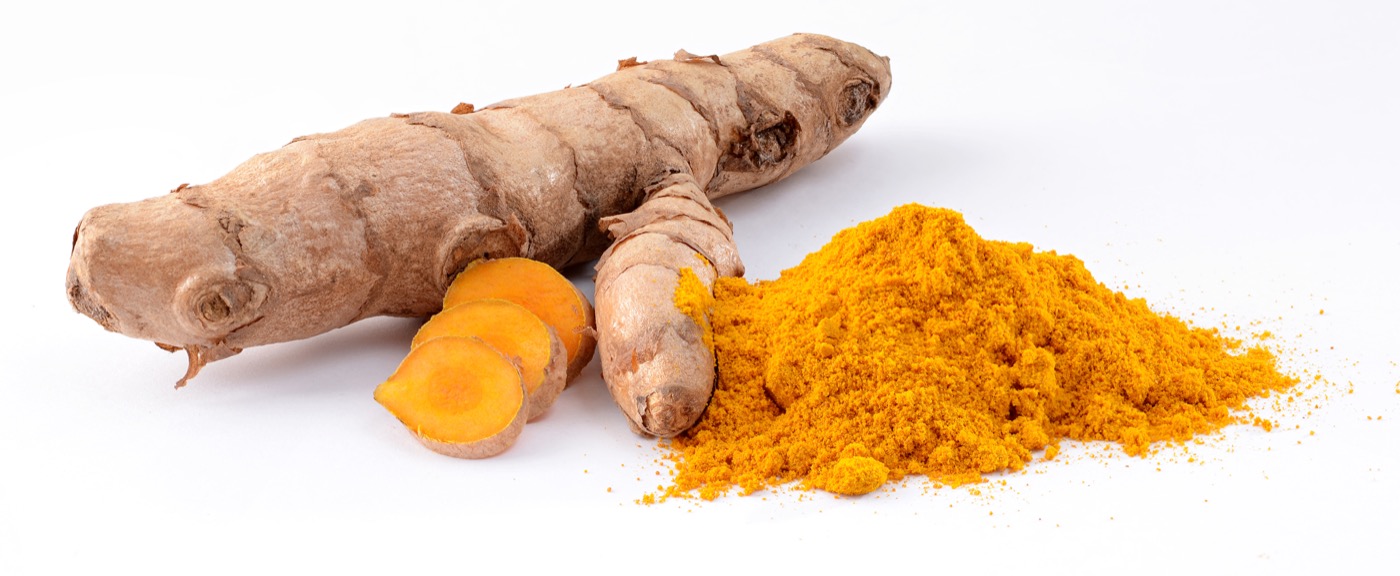
Turmeric Extract / Curcumin 95%
Purified Curcuma longa rhizome extract assaying NLT 95% total curcuminoids by HPLC, in USP curcumin / desmethoxy / bisdesmethoxy proportions. Orange-yellow crystalline powder, vegan.
Turmeric / Curcumin Extract
Standardized curcumin extract (up to 95% curcuminoids) for high-potency anti-inflammatory supplements.