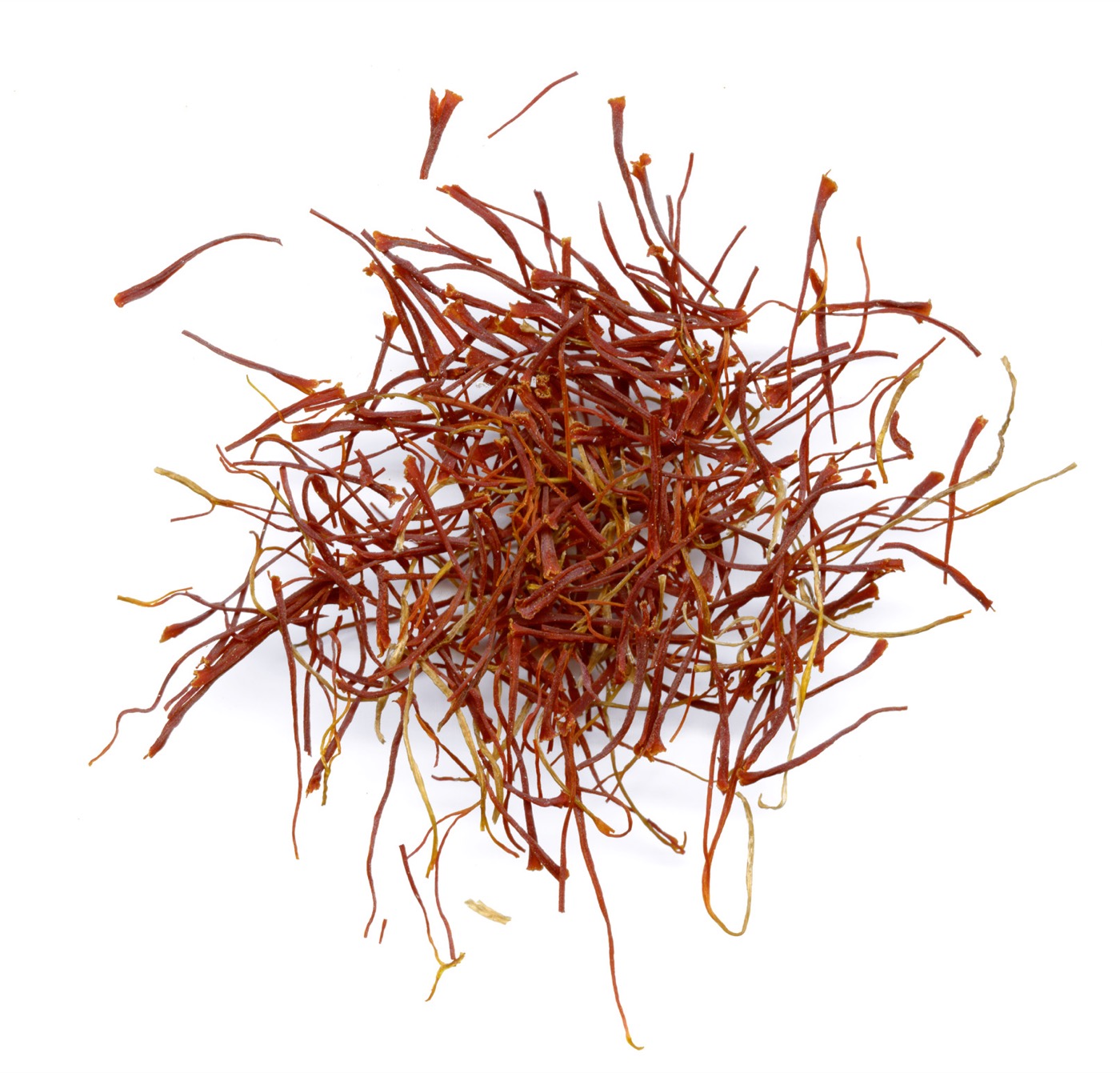
Saffron Extract (Crocus sativus)
Stigma-only extract of Crocus sativus at 2% safranal (UV 330 nm) or 3% total crocins (HPLC 440 nm), with HPLC-DAD and DNA authenticity screening. Vegan, allergen-free.
Specifications
| Botanical identity | Crocus sativus L., family Iridaceae. Saffron crocus; the spice is the dried stigma, not the flower or corm. |
| Plant part | Dried stigmas with style tips only. Petal, stamen, corm and style-only material are excluded and rejected on microscopy and HPLC profile. |
| Standardisation and assay | Safranal 2.0% by UV at 330 nm, or total crocins 3.0% by HPLC at 440 nm; 0.3% and 1.0% dilutions to order. UV and HPLC values are not interchangeable; method is on each CoA. |
| Marker chemistry | Crocin (colour) CAS 42553-65-1, C44H64O24, MW 976.97, gentiobiose diester of crocetin; picrocrocin (bitter) CAS 138-55-6, C16H26O7; safranal (aroma) CAS 116-26-7, C10H14O. |
| Raw material basis (ISO 3632) | Stigma bought on ISO 3632 grades: absorbance for crocin (440 nm), picrocrocin (257 nm), safranal (330 nm). Category I colouring strength 200+; safranal 20-50 in all categories. |
| Authenticity screening | HPLC-DAD profile plus species-level DNA ID on every lot. Screened for gardenia crocins, safflower, turmeric, paprika, beetroot, dyed fibre, tartrazine and sunset yellow. |
| Extraction, solvent and carrier | Water or ethanol-water extraction. Ethanol NMT 5000 ppm (ICH Q3C Class 3); methanol not used. Carrier maize maltodextrin; carrier declared on the label. |
| Appearance, solubility and physical limits | Deep orange-red to reddish-brown fine powder with characteristic saffron aroma; water-soluble to water-dispersible; 100% through 80 mesh; loss on drying NMT 5.0%. |
| Purity limits | ICP-MS: lead NMT 3.0, arsenic NMT 2.0, cadmium NMT 1.0, mercury NMT 0.1 ppm. TPC NMT 10,000 cfu/g; yeast and mould NMT 1,000; E. coli absent in 10 g; Salmonella absent in 25 g. |
| Pesticides and added colour | Screened to EU Reg. 396/2005 MRLs. Synthetic azo colours not detected. House mycotoxin limits: aflatoxin B1 NMT 2 ppb, total aflatoxins NMT 4 ppb. |
| Allergen and dietary status | No EU Reg. 1169/2011 Annex II or US FDA allergens present. Vegan and vegetarian; gluten-free on a maize-derived carrier; non-GMO. Halal and Kosher on request. |
| Origin and geographical indication | Indian origin declared per lot; Pampore, Jammu and Kashmir grows ~90% of India's crop. 'Kashmir Saffron' is a registered GI, usable only by registered authorised users. |
| Shelf life and storage | 24 months in unopened opaque packaging below 25 C, under 60% RH, protected from light. Crocins are light- and pH-sensitive; do not repack in clear containers. |
| HS code | India ITC-HS 13021919, vegetable extracts - other. Final classification rests with the importing customs authority. |
Applications
Available grades
Safranal 2.0% (UV 330 nm) and total crocins 3.0% (HPLC 440 nm); 0.3% and 1.0% dilutions on maltodextrin to order; cold-water-dispersible and fully water-soluble forms; ISO 3632 Category I stigma feedstock on request. Whole and powdered saffron threads are supplied separately under heading 0910.
Related products
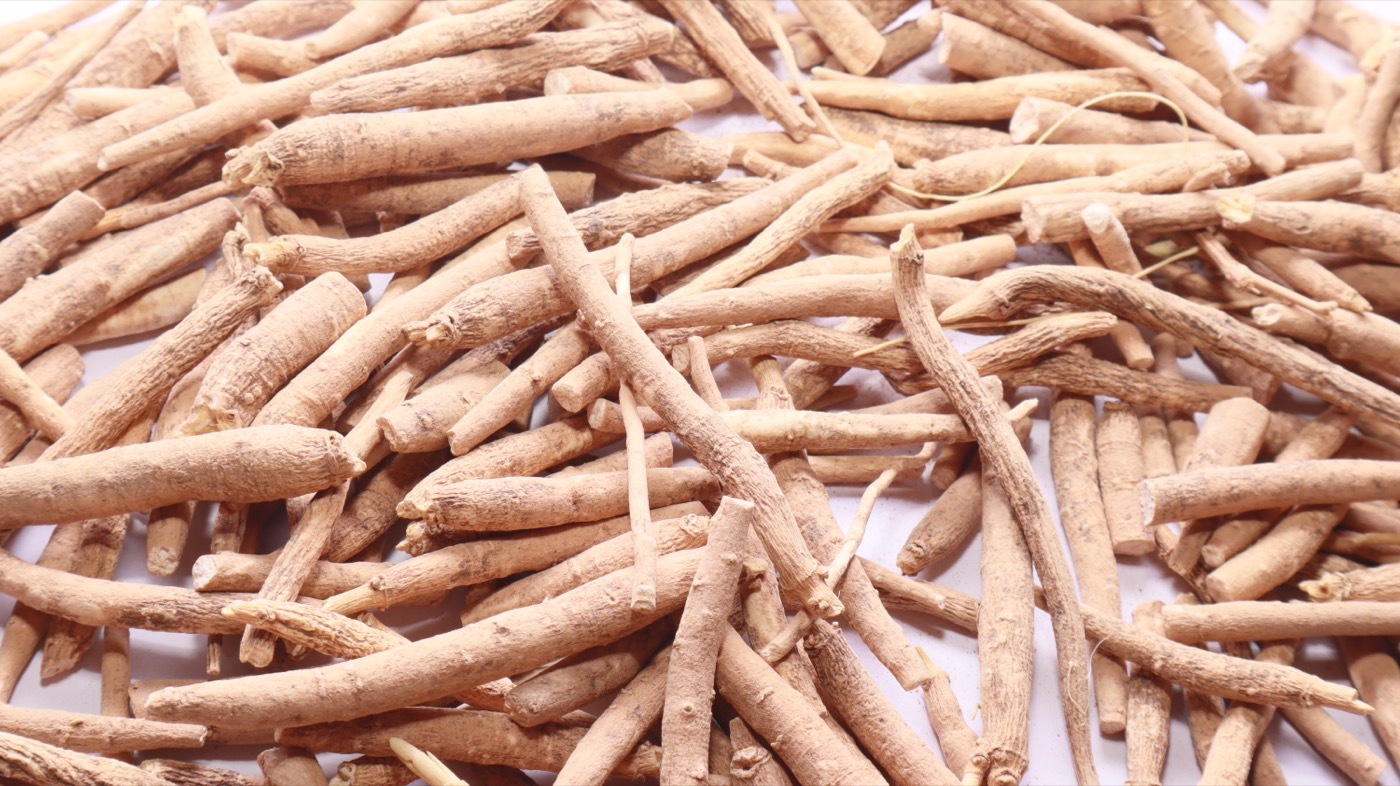
Ashwagandha Extract (Withania somnifera)
Hydro-alcoholic root extract of Withania somnifera standardised to 1.5–10% total withanolides by HPLC. Root-only material, vegan, bulk 25 kg export packing from India with batch COA.
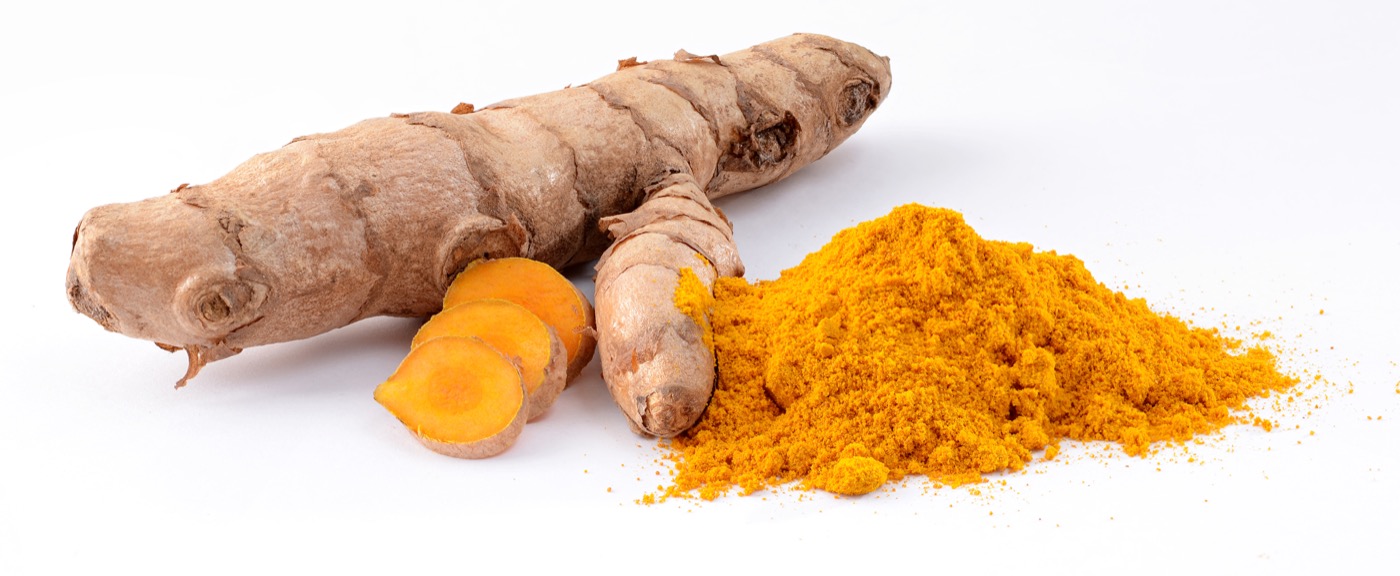
Turmeric Extract / Curcumin 95%
Purified Curcuma longa rhizome extract assaying NLT 95% total curcuminoids by HPLC, in USP curcumin / desmethoxy / bisdesmethoxy proportions. Orange-yellow crystalline powder, vegan.
Turmeric / Curcumin Extract
Standardized curcumin extract (up to 95% curcuminoids) for high-potency anti-inflammatory supplements.