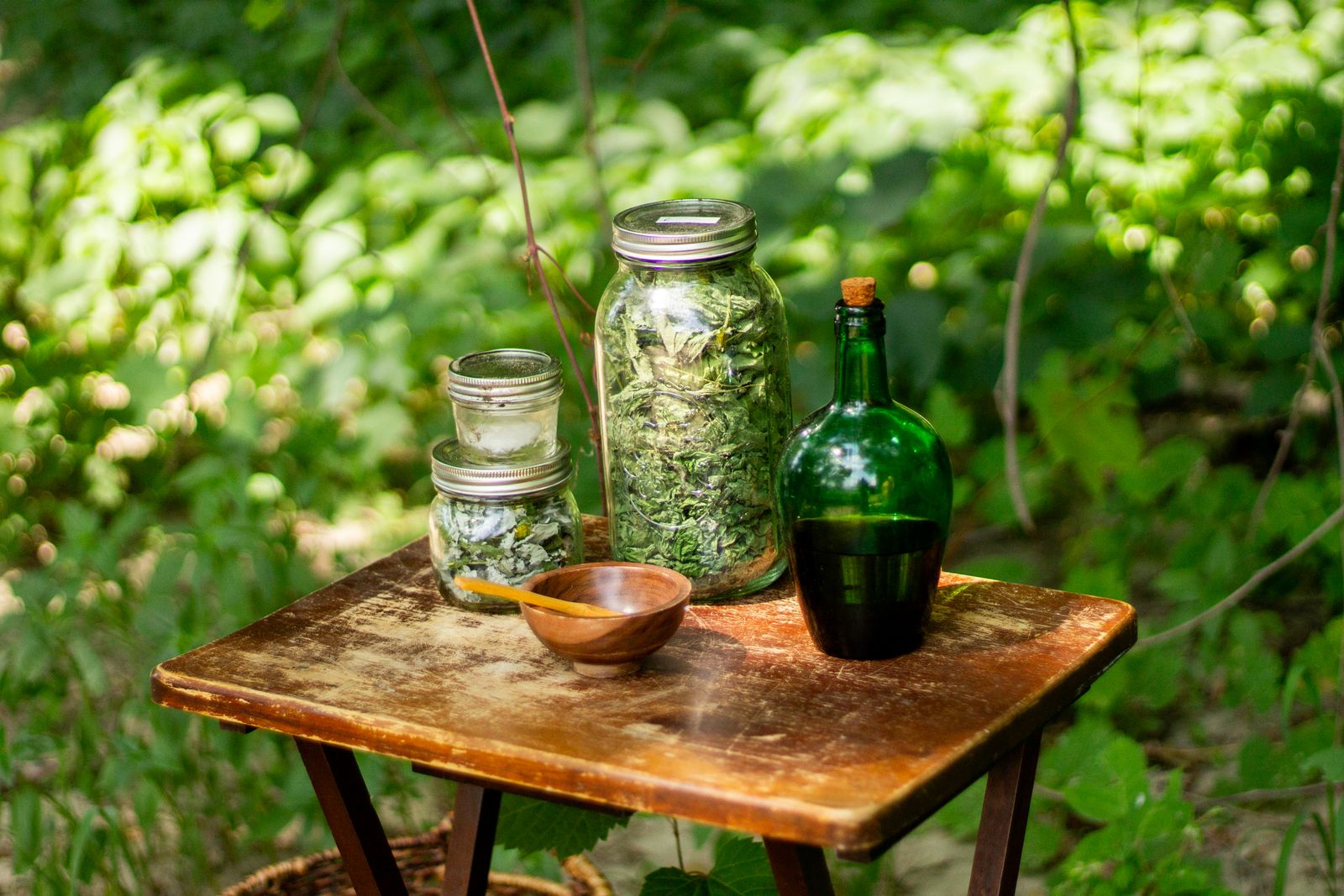
Rutin
Rutin NF grade at NLT 95% by UV, extracted from Styphnolobium japonicum flower buds. Yellow to greenish-yellow powder, vegan, not buckwheat-derived.
Specifications
| Chemical identity | Rutin, also rutoside or sophorin; quercetin-3-O-rutinoside, the glycoside of quercetin with the disaccharide rutinose |
| CAS number | 153-18-4 (anhydrous basis); rutin trihydrate 250249-75-3 |
| Formula and molecular weight | C27H30O16, 610.52 g/mol; trihydrate C27H30O16.3H2O, 664.56 g/mol |
| Botanical source | Dried flower buds of Styphnolobium japonicum (L.) Schott, traded as Sophora japonica L. (Fabaceae) |
| Standard grade | Rutin NF11, assay NLT 95.0% by UV on the as-is basis |
| Higher grades | Rutin 98% by HPLC; rutoside trihydrate to European Pharmacopoeia monograph against written specification |
| Appearance | Yellow to greenish-yellow crystalline or fine powder, practically odourless |
| Solubility | Practically insoluble in water; sparingly soluble in ethanol 96%; soluble in methanol; soluble in dilute alkali with colour deepening |
| Loss on drying | NMT 9.0%, reflecting water of crystallisation in the trihydrate; assay and LOD must be read together |
| Total ash | NMT 0.5% |
| Particle size | 100% through 80 mesh standard; finer mesh and micronised grades quoted on request |
| Heavy metals and microbiology | Pb NMT 3 ppm, As NMT 2 ppm, Cd NMT 1 ppm, Hg NMT 0.1 ppm. TPC NMT 1,000 cfu/g; yeast and mould NMT 100 cfu/g; Salmonella and E. coli absent |
| Allergen and diet status | Vegan, vegetarian, non-GMO. Sophora-derived, NOT buckwheat-derived, so no Japan or Korea buckwheat allergen declaration. No milk, egg, soy, peanut, lupin, fish, crustacean or gluten |
| Shelf life | 36 months from manufacture in sealed original packaging, stored cool, dry and out of light. |
| HS code | 29381000 |
Applications
Available grades
Rutin NF11 at NLT 95% UV as the standard commercial grade. Rutin 98% by HPLC for tighter flavonoid profiles. Rutoside trihydrate to European Pharmacopoeia monograph against written pharmacopoeial specification. Low-mesh and micronised particle grades for direct compression and content uniformity. All grades from Styphnolobium japonicum flower buds; buckwheat-origin rutin only on explicit written request and declared as such. Kosher and halal certification available.
Related products
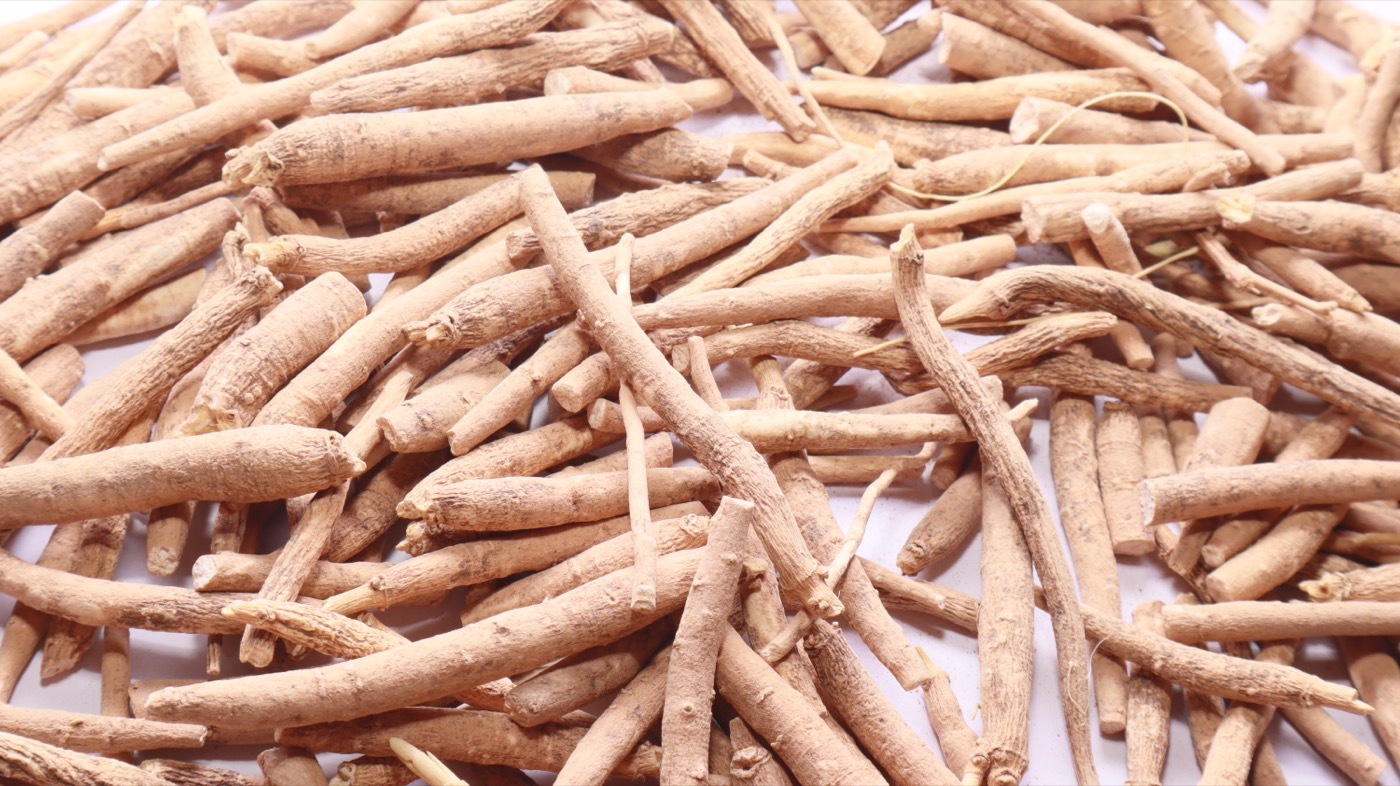
Ashwagandha Extract (Withania somnifera)
Hydro-alcoholic root extract of Withania somnifera standardised to 1.5–10% total withanolides by HPLC. Root-only material, vegan, bulk 25 kg export packing from India with batch COA.
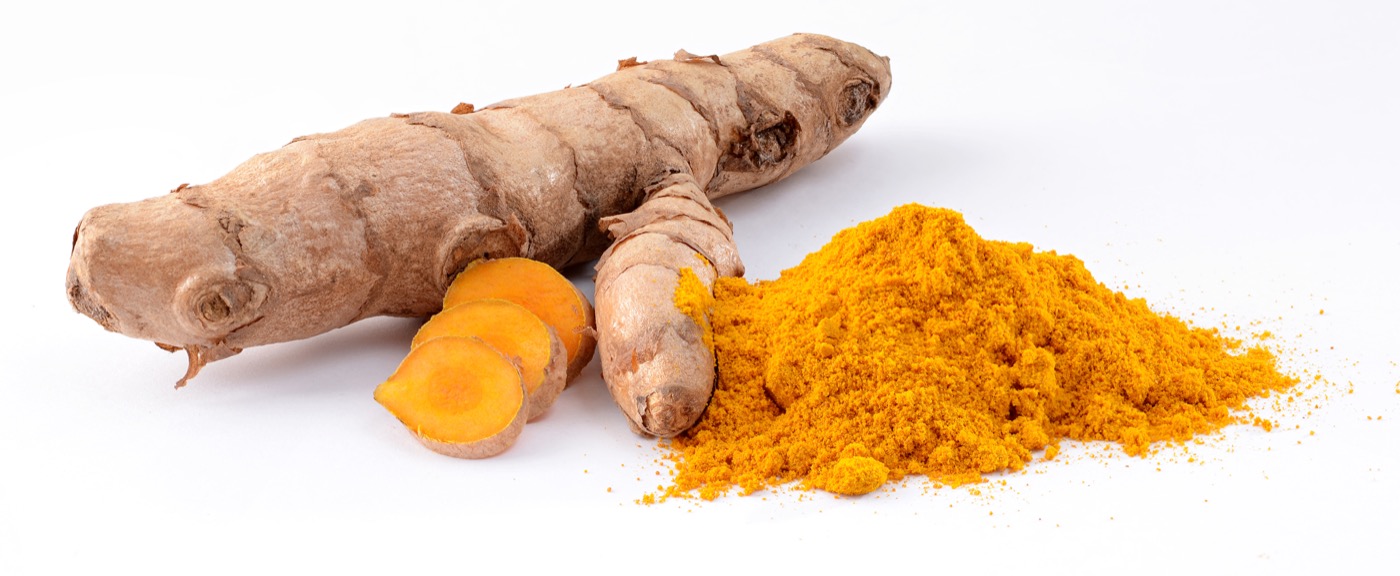
Turmeric Extract / Curcumin 95%
Purified Curcuma longa rhizome extract assaying NLT 95% total curcuminoids by HPLC, in USP curcumin / desmethoxy / bisdesmethoxy proportions. Orange-yellow crystalline powder, vegan.
Turmeric / Curcumin Extract
Standardized curcumin extract (up to 95% curcuminoids) for high-potency anti-inflammatory supplements.