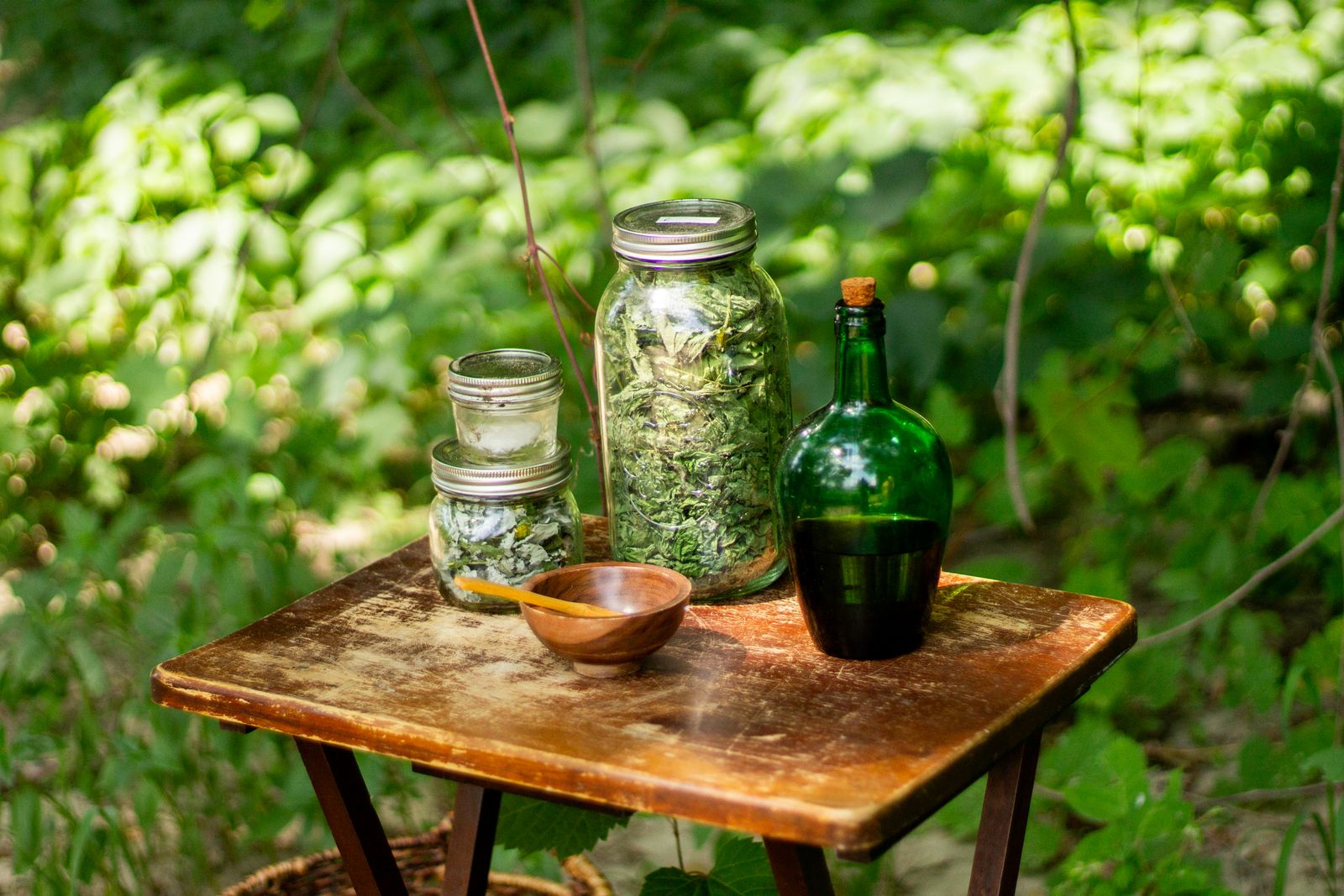
Rosemary Extract (Carnosic Acid)
Rosemary leaf extract standardised on carnosic acid, the phenolic diterpene behind its antioxidant function. Deodorised oil-soluble and water-dispersible grades, 5–60% by HPLC.
Specifications
| Botanical identity | Salvia rosmarinus Spenn., family Lamiaceae. Described by Linnaeus in 1753 as Rosmarinus officinalis L. and moved into Salvia in 2017; both names appear on trade paperwork |
| Plant part | Dried leaf. Stem and woody material screened out before extraction; leaf-only input declared on the batch record |
| Primary marker | Carnosic acid, CAS 3650-09-7, C20H28O4, molecular weight 332.4 g/mol. A phenolic abietane diterpene, not an essential-oil component |
| Secondary markers | Carnosol, CAS 5957-80-2, C20H26O4, MW 330.4 g/mol, the oxidation product of carnosic acid; rosmarinic acid, C18H16O8, MW 360.3 g/mol, in water-soluble grades |
| Standardisation | Carnosic acid 5%, 10%, 20%, 25%, 40% and 60% by HPLC-UV. Carnosic acid and carnosol reported as separate figures, never summed into one diterpene number |
| Water-soluble variant | Rosmarinic acid grades at 3%, 5% and 10% by HPLC for beverage and aqueous systems; a different chemistry and a different quotation from the carnosic acid line |
| Extraction and refining | Ethanol, acetone or supercritical CO2 extraction, then deodorisation and decolourisation by molecular distillation for antioxidant grades. Solvent declared per batch |
| Appearance and odour | Deodorised grades: off-white to light beige free-flowing powder, bland. Non-deodorised oleoresin-type grades: tan to dark brown, with the characteristic rosemary aroma retained |
| Solubility | Carnosic acid is lipophilic: soluble in edible oils, ethanol and propylene glycol, poorly soluble in water. Water-dispersible grades are built on a declared carrier |
| Regulatory identity | Rosemary extract of the carnosic acid and carnosol type is authorised in the EU as antioxidant E 392. Permitted categories and maximum levels are food-specific; check per use |
| Typical purity limits | Loss on drying NMT 5.0%; total ash NMT 5.0%; lead NMT 3 ppm; arsenic NMT 1 ppm; cadmium NMT 1 ppm; mercury NMT 0.1 ppm. Residual solvent to the agreed limit |
| Microbiology | Total plate count NMT 10,000 cfu/g; yeast and mould NMT 500 cfu/g; E. coli, Salmonella and S. aureus absent in the tested portion |
| Allergen and diet status | Vegan and vegetarian, plant-derived, non-GMO. Free of milk, egg, soy, fish, crustacean, mollusc, peanut, tree nut, sesame, mustard, celery, lupin and gluten. Any carrier is named |
| Shelf life and storage | 24 months from manufacture in unopened original packing below 25 °C, dry and away from light. Carnosic acid oxidises to carnosol on exposure; reseal liners after part use |
| HS code | 1302.19 (13021919) |
Applications
Available grades
Carnosic acid 5%, 10%, 20%, 25%, 40% and 60% by HPLC, deodorised and decolourised for antioxidant use. Non-deodorised oleoresin-type grade retaining rosemary aroma, quoted separately. Water-dispersible grades on maize maltodextrin or gum acacia. Water-soluble rosmarinic acid grades at 3%, 5% and 10%. Oil-dispersed liquid grade in sunflower or MCT carrier. Organic-certified and kosher/halal-certified lots to order.
Related products
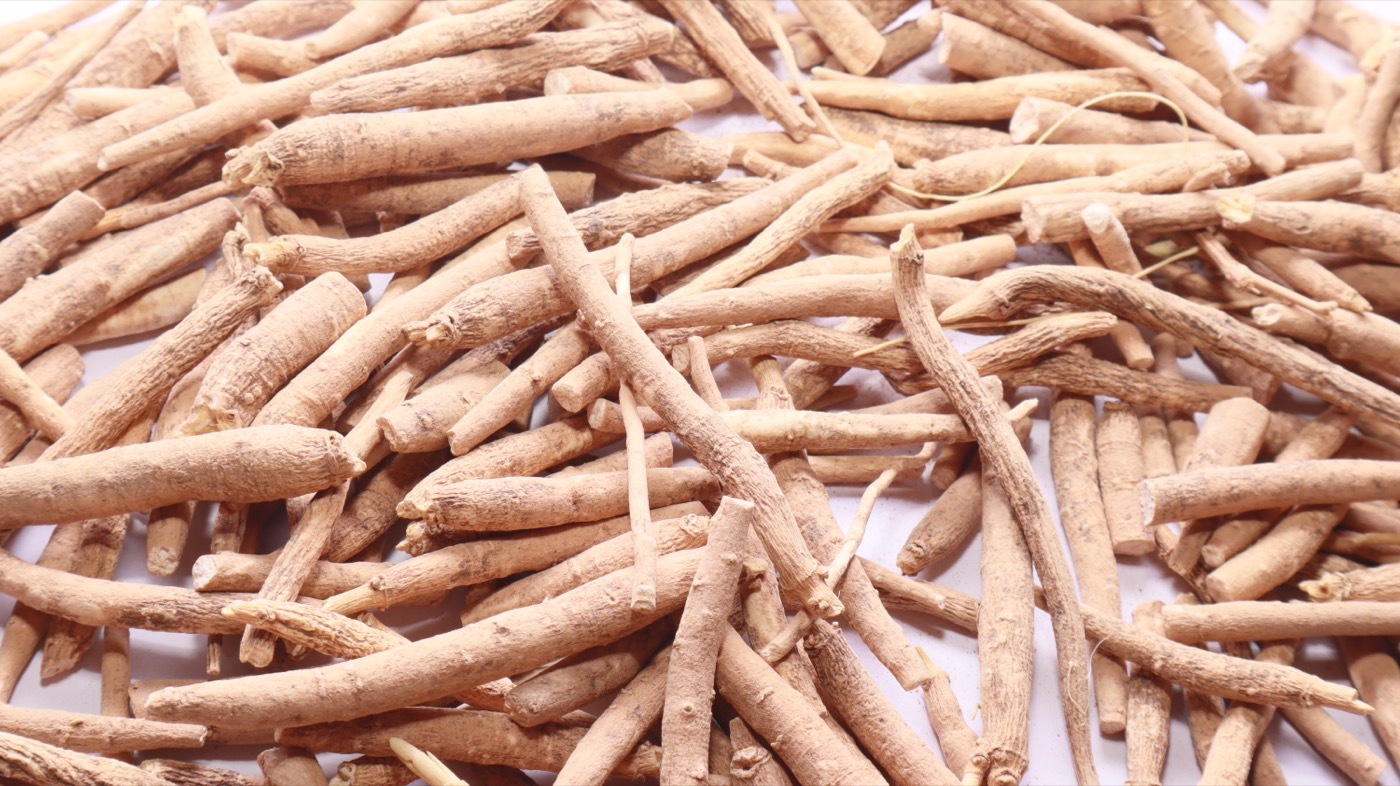
Ashwagandha Extract (Withania somnifera)
Hydro-alcoholic root extract of Withania somnifera standardised to 1.5–10% total withanolides by HPLC. Root-only material, vegan, bulk 25 kg export packing from India with batch COA.
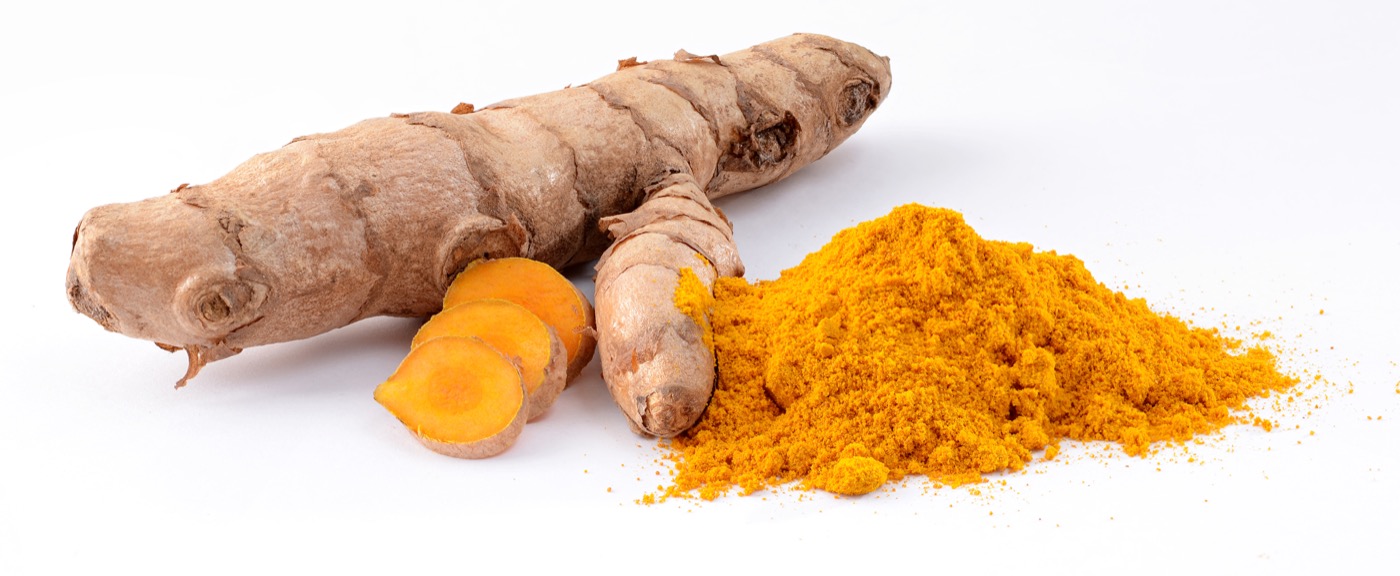
Turmeric Extract / Curcumin 95%
Purified Curcuma longa rhizome extract assaying NLT 95% total curcuminoids by HPLC, in USP curcumin / desmethoxy / bisdesmethoxy proportions. Orange-yellow crystalline powder, vegan.
Turmeric / Curcumin Extract
Standardized curcumin extract (up to 95% curcuminoids) for high-potency anti-inflammatory supplements.