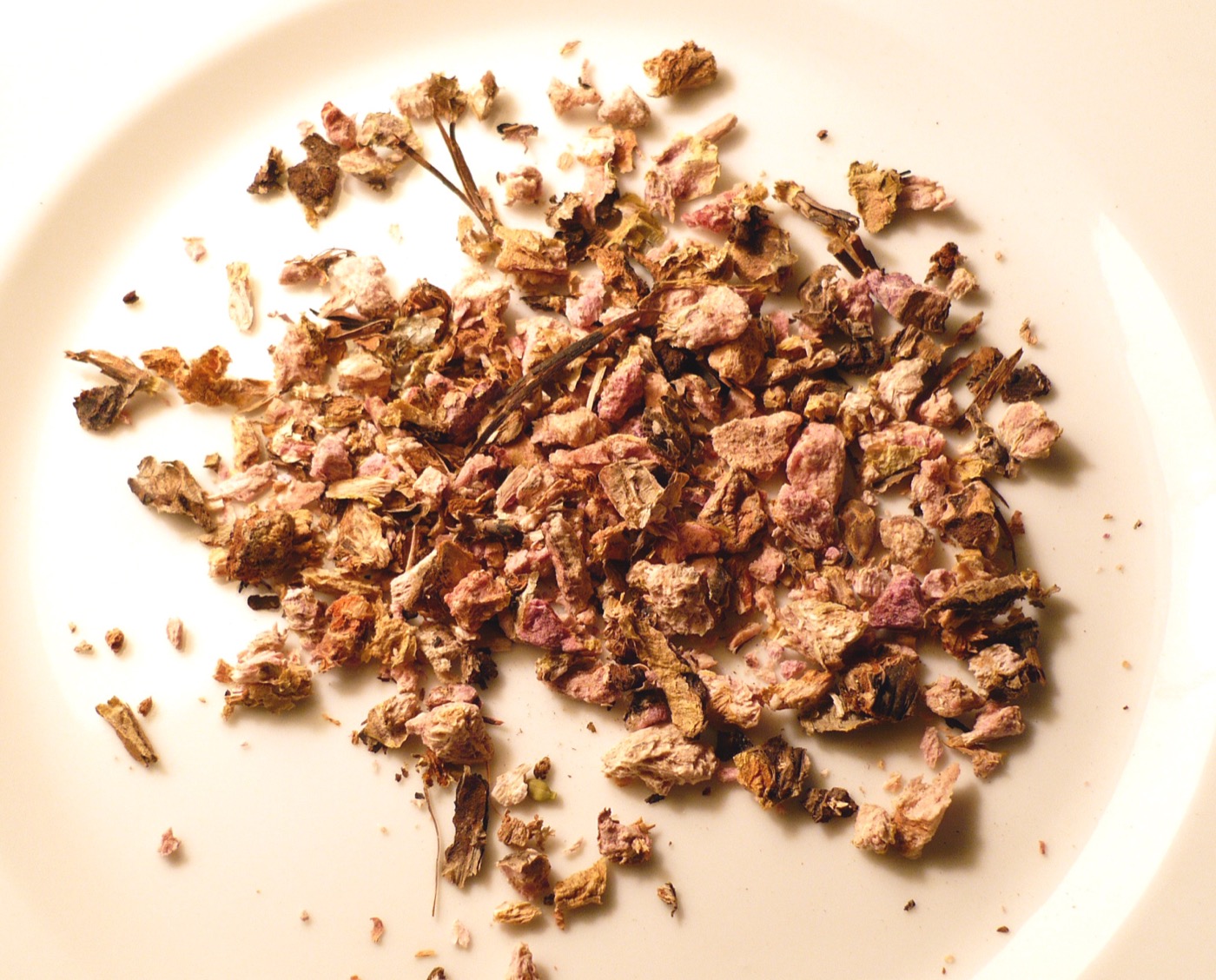
Rhodiola Rosea Root Extract
Hydro-ethanolic extract of Rhodiola rosea root and rhizome, standardised to 3% rosavins and 1% salidroside by HPLC. CITES Appendix II material, exported under permit.
Specifications
| Botanical source | Rhodiola rosea L. (Crassulaceae), dried root and rhizome; roseroot or golden root. Species identity confirmed on every incoming lot before extraction |
| Marker compounds | Cinnamyl alcohol glycosides rosavin (CAS 84954-92-7), rosin and rosarin, reported together as rosavins, plus the tyrosol glucoside salidroside (CAS 10338-51-9) |
| Standardisation | 3% total rosavins and 1% salidroside by HPLC as standard; 5% / 1.8% and salidroside-only grades available. The 3:1 ratio mirrors the intact root |
| Pharmacopoeial reference | USP HMC sets NLT 0.3% rosavins as rosavin and NLT 0.08% salidroside on the dried drug; Ph. Eur. monograph 2893 applies from 1 July 2024 |
| Authenticity control | R. crenulata and R. kirilowii carry salidroside but essentially no rosavins. Release needs an HPLC trace resolving rosavin, rosin and rosarin separately |
| CITES status | All Rhodiola species are listed in CITES Appendix II with effect from 23 February 2023 under annotation #2, covering all parts and derivatives |
| CITES effect on this article | Bulk extract powder is a derivative, not a retail-packaged finished product, so a CITES export permit and matching import documentation are required |
| Extraction | Hydro-ethanolic, ethanol 50-70% v/v; drug-to-extract ratio typically 4:1 to 10:1. Carrier-free unless a maltodextrin dilution is specified in writing |
| Appearance and organoleptics | Light brown to reddish-brown free-flowing powder; faint rose-like odour, slightly bitter and astringent taste |
| Particle size and moisture | Minimum 95% through 80 mesh (about 180 microns), 100 mesh on request; loss on drying not more than 5.0%; total ash not more than 5.0% |
| Heavy metals | Within USP <2232> permitted daily exposures for dietary supplements: inorganic arsenic 15, cadmium 5, lead 5 and total mercury 15 micrograms per day |
| Microbiology and solvents | Total plate count NMT 10,000 cfu/g; yeast and mould NMT 1,000 cfu/g; E. coli and Salmonella absent in 10 g; residual ethanol within ICH Q3C Class 3 |
| Allergen and diet status | No milk, egg, soy, fish, crustacean, gluten, sesame or tree-nut inputs. Vegan and vegetarian, non-GMO, no animal-derived carriers or processing aids |
| Origin, shelf life | Permit-covered root of Altai, Central Asian or Chinese origin; 24 months sealed below 25 C away from light. |
| HS code | 1302 19 19 |
Applications
Available grades
3% rosavins / 1% salidroside (HPLC) standard; 5% rosavins / 1.8% salidroside; 1% and 5% salidroside-only grades; 4:1 and 10:1 ratio extracts; 80 or 100 mesh. Organic-certified material available subject to CITES documentation and cultivated-source proof.
Related products
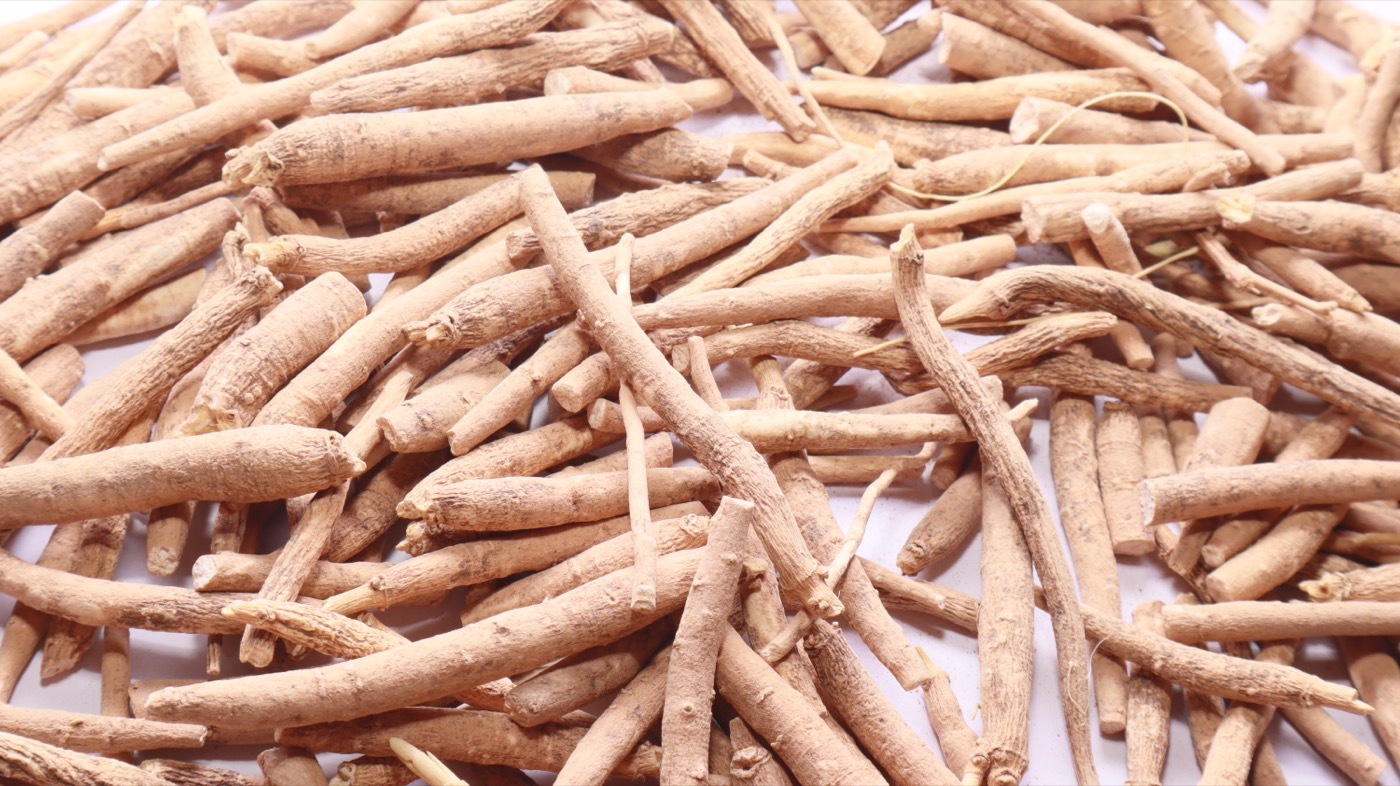
Ashwagandha Extract (Withania somnifera)
Hydro-alcoholic root extract of Withania somnifera standardised to 1.5–10% total withanolides by HPLC. Root-only material, vegan, bulk 25 kg export packing from India with batch COA.
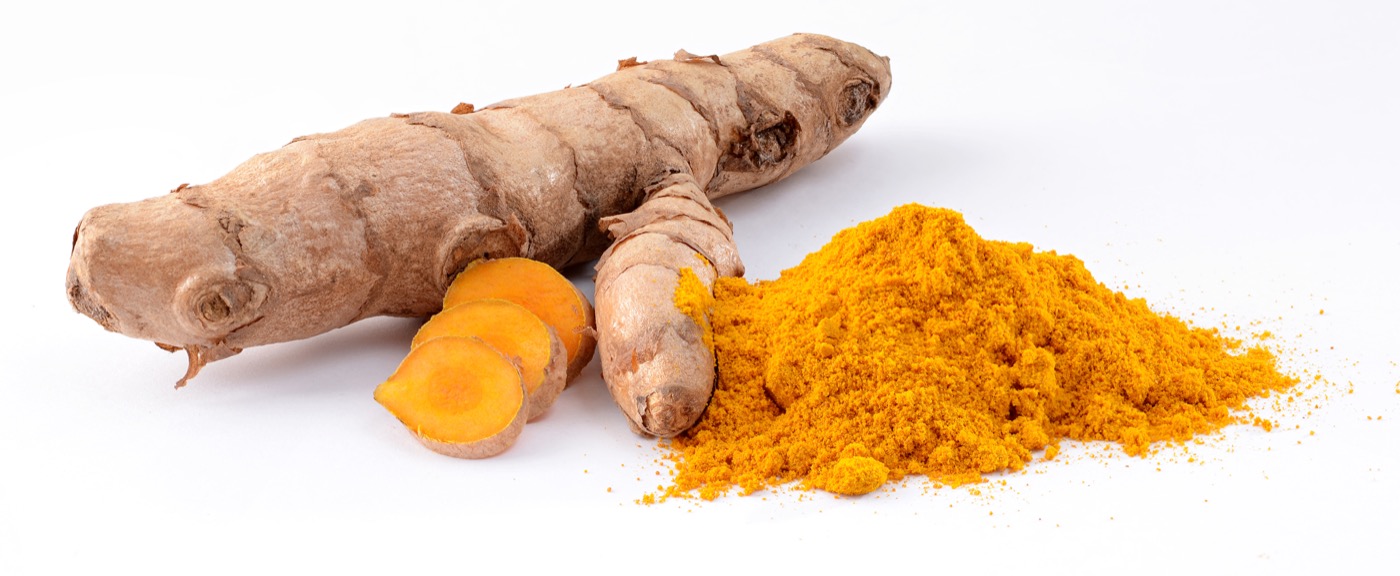
Turmeric Extract / Curcumin 95%
Purified Curcuma longa rhizome extract assaying NLT 95% total curcuminoids by HPLC, in USP curcumin / desmethoxy / bisdesmethoxy proportions. Orange-yellow crystalline powder, vegan.
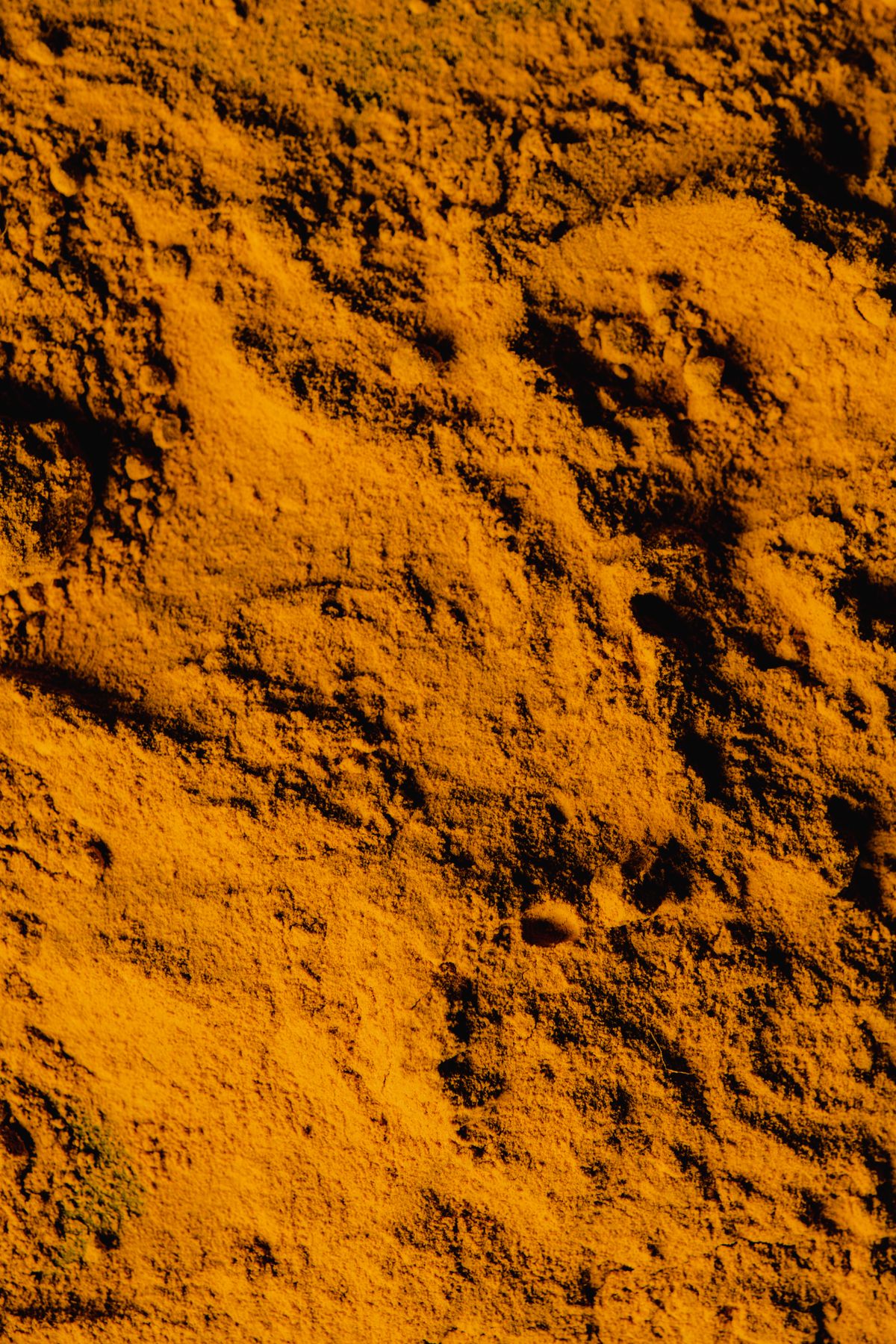
Turmeric / Curcumin Extract
Standardized curcumin extract (up to 95% curcuminoids) for high-potency anti-inflammatory supplements.