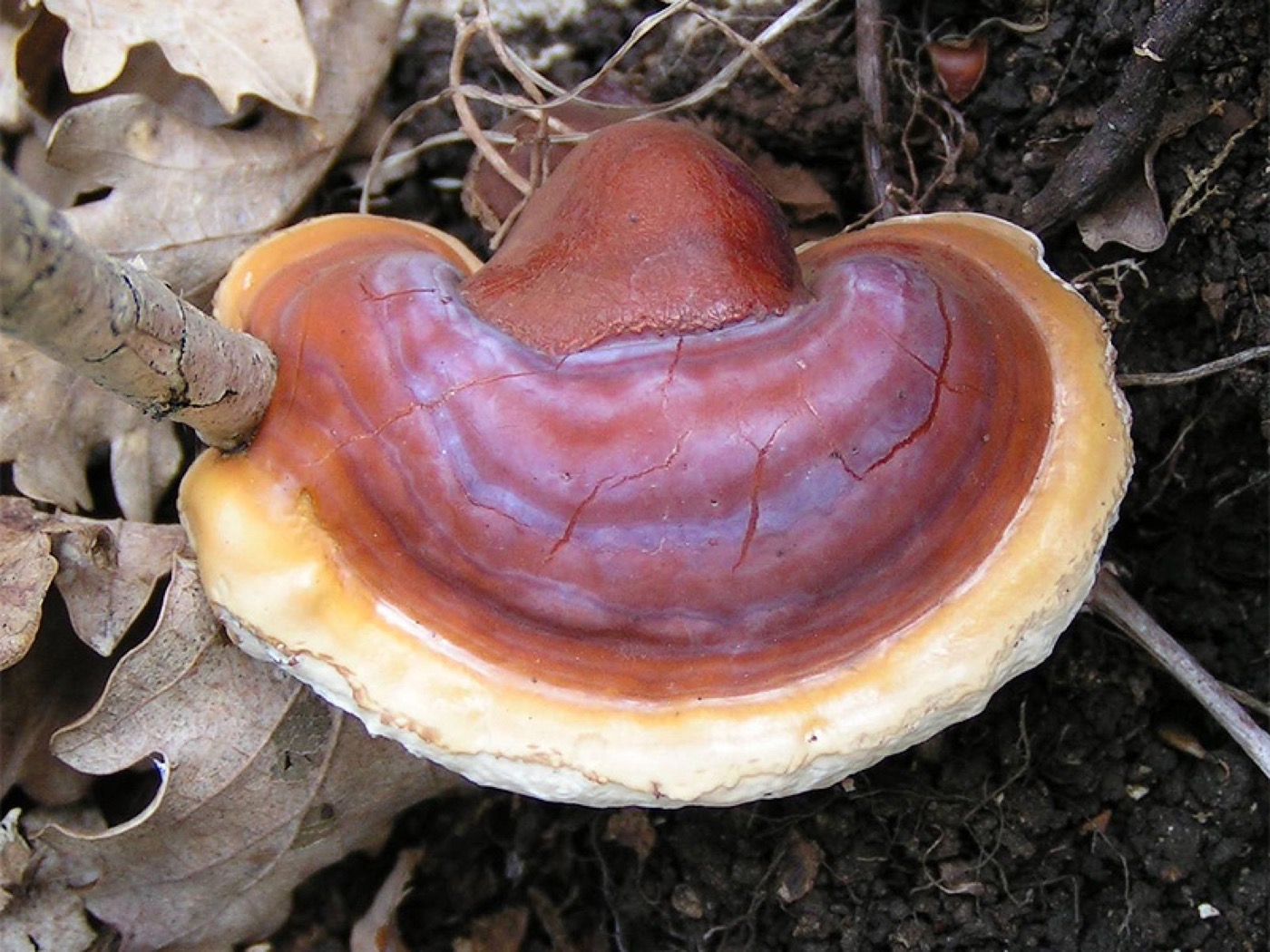
Reishi Mushroom Extract
Hot-water and dual-extracted Ganoderma lucidum fruiting body, standardised on polysaccharides by UV, on beta-glucan by the enzymatic mushroom method and on triterpenes. Vegan, gluten-free.
Specifications
| Biological source | Ganoderma lucidum (Curtis) P. Karst., family Ganodermataceae; cultivated log-grown or substrate-grown fruiting body (basidiocarp) |
| Part used | Fruiting body only as standard. Mycelium-on-grain biomass and cracked-wall spore powder are separate articles, supplied only on written request |
| Taxonomy note | East Asian cultivated lingzhi was described in 2012 as Ganoderma lingzhi Sheng H. Wu, Y. Cao & Y.C. Dai; trade still ships as G. lucidum. Strain and ITS identity on request |
| Standardisation | Polysaccharides 10%, 20%, 30% or 50% by phenol-sulphuric UV; beta-glucan typically 15% to 30% by enzymatic assay; triterpenes 1% to 6% |
| Assay caveat | UV polysaccharide counts alpha-glucan including grain starch, so grain-grown mycelium can read high. Beta-glucan with alpha-glucan subtracted is the honest figure |
| Beta-glucan method | Enzymatic yeast-and-mushroom kit method in the AOAC 995.16 lineage; amyloglucosidase and invertase steps measure alpha-glucan and free sugars for subtraction |
| Triterpene chemistry | Lanostane triterpenoids, the ganoderic and lucidenic acids. Reference marker ganoderic acid A, C30H44O7, MW 516.67, CAS 81907-62-2; HPLC assay on request |
| Extraction | Hot-water extract as standard; dual hot-water then food-grade ethanol extraction where the triterpene fraction is specified. Native ratio typically 8:1 to 20:1 |
| Appearance and solubility | Fine reddish-brown to dark brown powder, NLT 95% through 80 mesh; disperses in water and dissolves in hot water; characteristically bitter |
| Allergen and origin | Vegan and vegetarian; fungal origin, not plant, bovine, porcine or marine. No milk, egg, soy, fish, crustacean or nut input at any stage |
| Gluten status | Fruiting-body extract is gluten-free. Mycelium grown on wheat, barley or rye substrate carries residual cereal and becomes a gluten declaration for the buyer |
| Heavy metals and pesticides | Lead NMT 3.0 ppm, arsenic NMT 1.0 ppm, cadmium NMT 1.0 ppm, mercury NMT 0.1 ppm, assayed every lot since Ganoderma accumulates metals from substrate |
| Microbiology | Total plate count NMT 10,000 cfu/g; yeast and mould NMT 500 cfu/g; E. coli, Salmonella and S. aureus absent in the tested portion |
| Shelf life, storage | 24 months in the sealed original pack below 25 C, dry and light-protected. |
| HS code | 13021919 |
Applications
Available grades
Polysaccharides 10%, 20%, 30% and 50% by UV; beta-glucan-assayed grades stated to the buyer's figure; triterpenes 1%, 2%, 4% and 6%; dual-extracted water-plus-ethanol full-spectrum grade; native 8:1, 10:1 and 20:1 ratio extracts, carrier-free or on maize maltodextrin; instant water-soluble grade for beverages; granulated and DC grades for direct compression; organic (NOP/EU), kosher and halal certified lots to order. Cracked-wall spore powder and spore oil are separate articles under their own specifications.
Related products
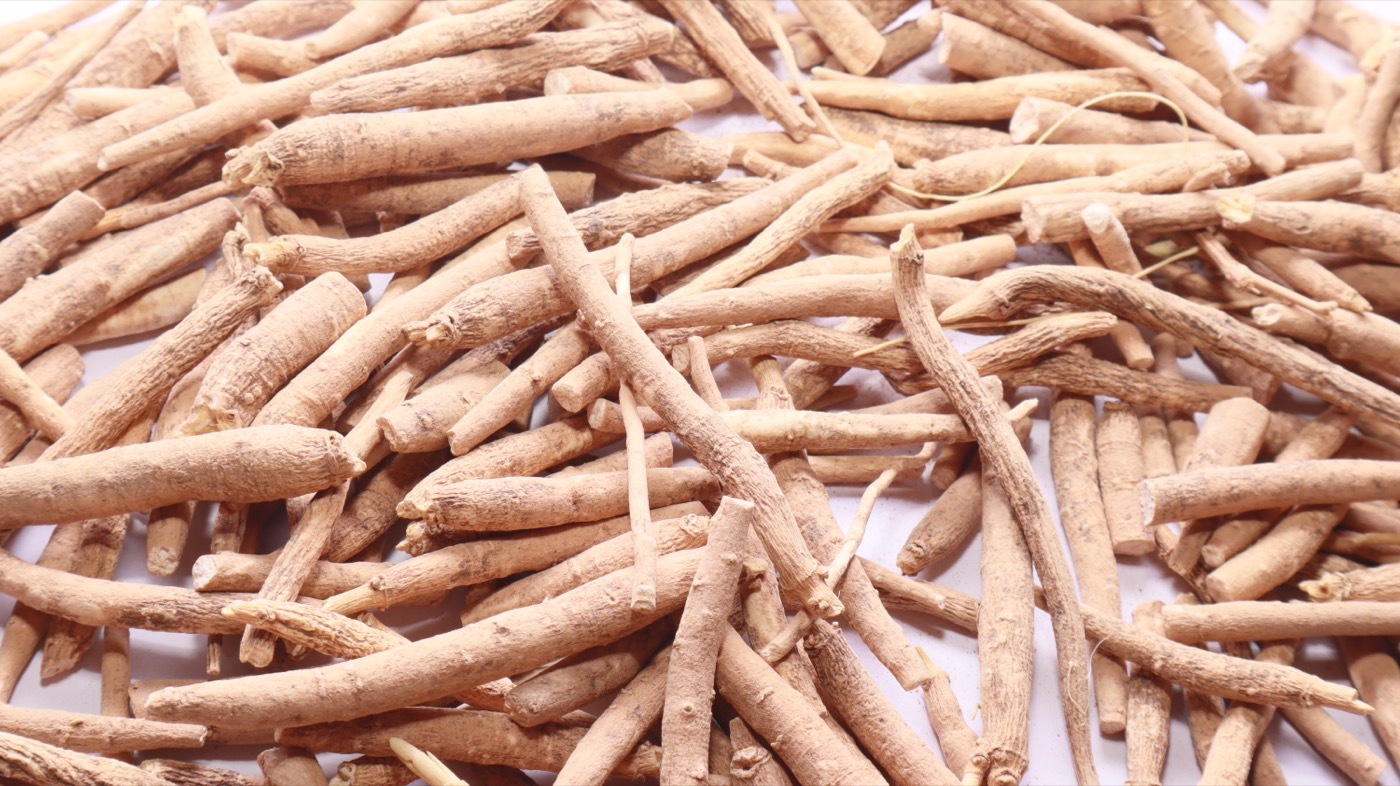
Ashwagandha Extract (Withania somnifera)
Hydro-alcoholic root extract of Withania somnifera standardised to 1.5–10% total withanolides by HPLC. Root-only material, vegan, bulk 25 kg export packing from India with batch COA.
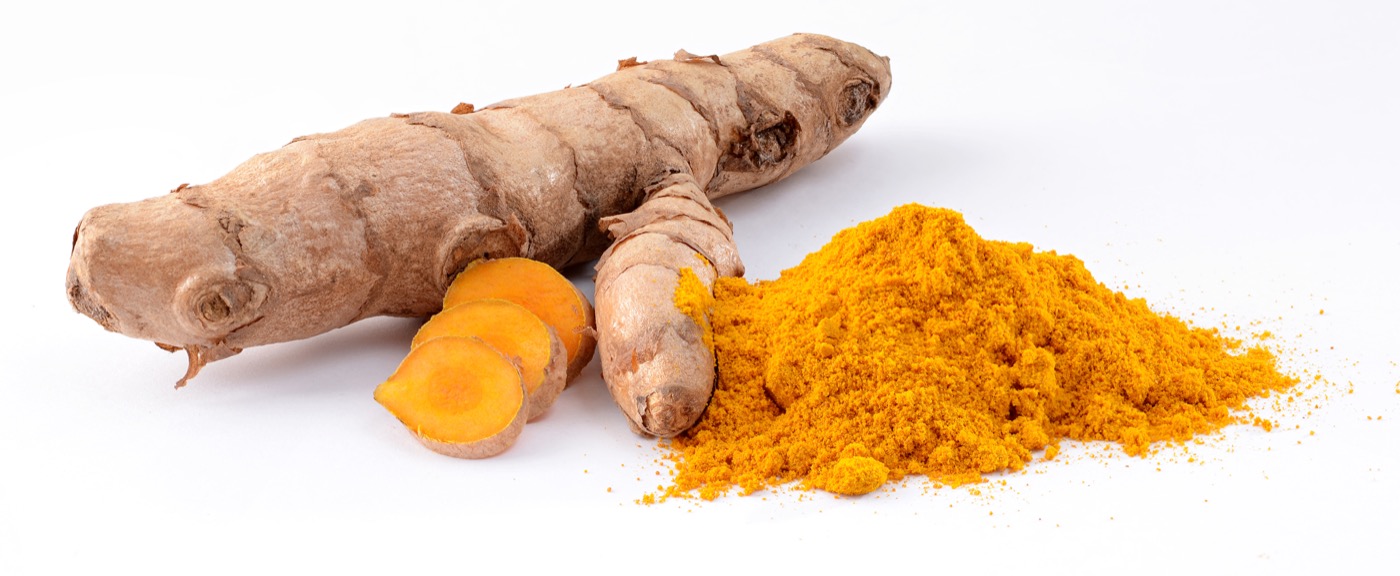
Turmeric Extract / Curcumin 95%
Purified Curcuma longa rhizome extract assaying NLT 95% total curcuminoids by HPLC, in USP curcumin / desmethoxy / bisdesmethoxy proportions. Orange-yellow crystalline powder, vegan.
Turmeric / Curcumin Extract
Standardized curcumin extract (up to 95% curcuminoids) for high-potency anti-inflammatory supplements.