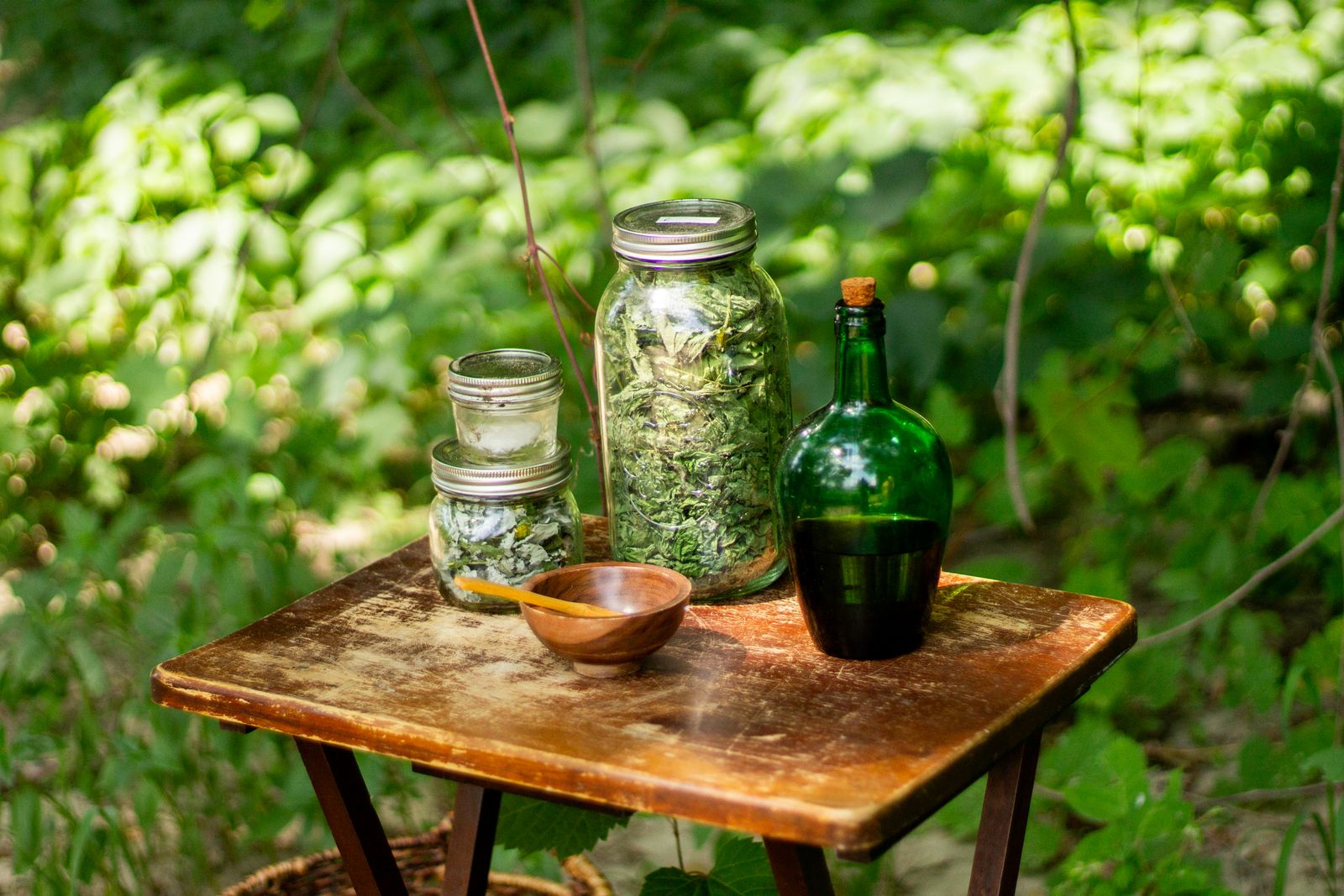
Rasna Extract (Pluchea lanceolata)
Aerial-part extract of Pluchea lanceolata, the North Indian and API-recognised Rasna. Supplied with explicit species authentication because three unrelated plants trade under the Rasna name.
Specifications
| Botanical source | Pluchea lanceolata (DC.) C.B.Clarke, family Asteraceae (Compositae). Accepted name per Plants of the World Online; P. lanceolata (DC.) Oliv. & Hiern is a synonym. |
| Rasna identity — read first | Rasna is a trade name covering three unrelated plants: Pluchea lanceolata (North India, API), Alpinia galanga / calcarata / officinarum (South India) and Vanda roxburghii (Bengal). |
| Species supplied | Pluchea lanceolata only. Alpinia-type Rasna is a separate Thovek line item and is never substituted. State the Latin binomial on the purchase order. |
| Plant part | Dried aerial parts (leaf and tender stem); root grade quoted separately. Native range Senegal, Chad and Tanzania through Iran and Afghanistan to Pakistan and NW India. |
| Extract type | Hydro-alcoholic extract, spray dried. Native ratio grades 4:1 and 10:1, or standardised to a total flavonoid level fixed in the buyer-approved specification. |
| Characterised constituents | Flavonoids quercetin and isorhamnetin; triterpenoids moretenol, moretenol acetate, neolupenol and taraxasterol; alkaloid pluchine; beta-sitosterol, stigmasterol, pluchiol. |
| Standardisation and assay | Total flavonoids as quercetin equivalents by UV, confirmed by HPLC for quercetin and isorhamnetin. HPTLC fingerprint on every lot as the anti-substitution control. |
| Authentication protocol | Incoming aerial parts authenticated by macroscopy and microscopy; finished lot fingerprinted by HPTLC. Asteraceae and Zingiberaceae profiles are unmistakably different. |
| Appearance and organoleptics | Fine free-flowing powder, greenish brown to brown; characteristic herbal odour, slightly bitter astringent taste. |
| Solubility and particle size | Dispersible in water, soluble in aqueous ethanol depending on grade. 100% through 60 mesh as standard; alternative mesh on request. |
| Loss on drying | Thovek default offer NMT 5.0% w/w at 105 °C; final figure set in the buyer-approved specification. |
| Heavy metals | Lead NMT 10 ppm, arsenic NMT 3 ppm, cadmium NMT 0.3 ppm, mercury NMT 1 ppm — the AYUSH / Ayurvedic Pharmacopoeia of India limits for ASU herbal products. |
| Microbiology | Total plate count NMT 1x10^5 cfu/g; yeast and mould NMT 1x10^3 cfu/g; E. coli, Salmonella spp., S. aureus and P. aeruginosa absent, per ASU pharmacopoeial limits. |
| Allergen, family and dietary status | Asteraceae (Compositae) botanical — declare the family where the destination market expects it. No milk, egg, soy, fish, crustacean, gluten or nut input. Vegan and vegetarian. |
| HS code | 1302.19 (13021919) |
Applications
Available grades
Native ratio 4:1 and 10:1 carrier-free powder; spray-dried grade on maltodextrin or gum acacia; flavonoid-standardised grade certified as quercetin equivalents. Food grade and ASU/nutraceutical grade; kosher and halal certification available on request. Alpinia-type Rasna is a separate SKU.
Related products
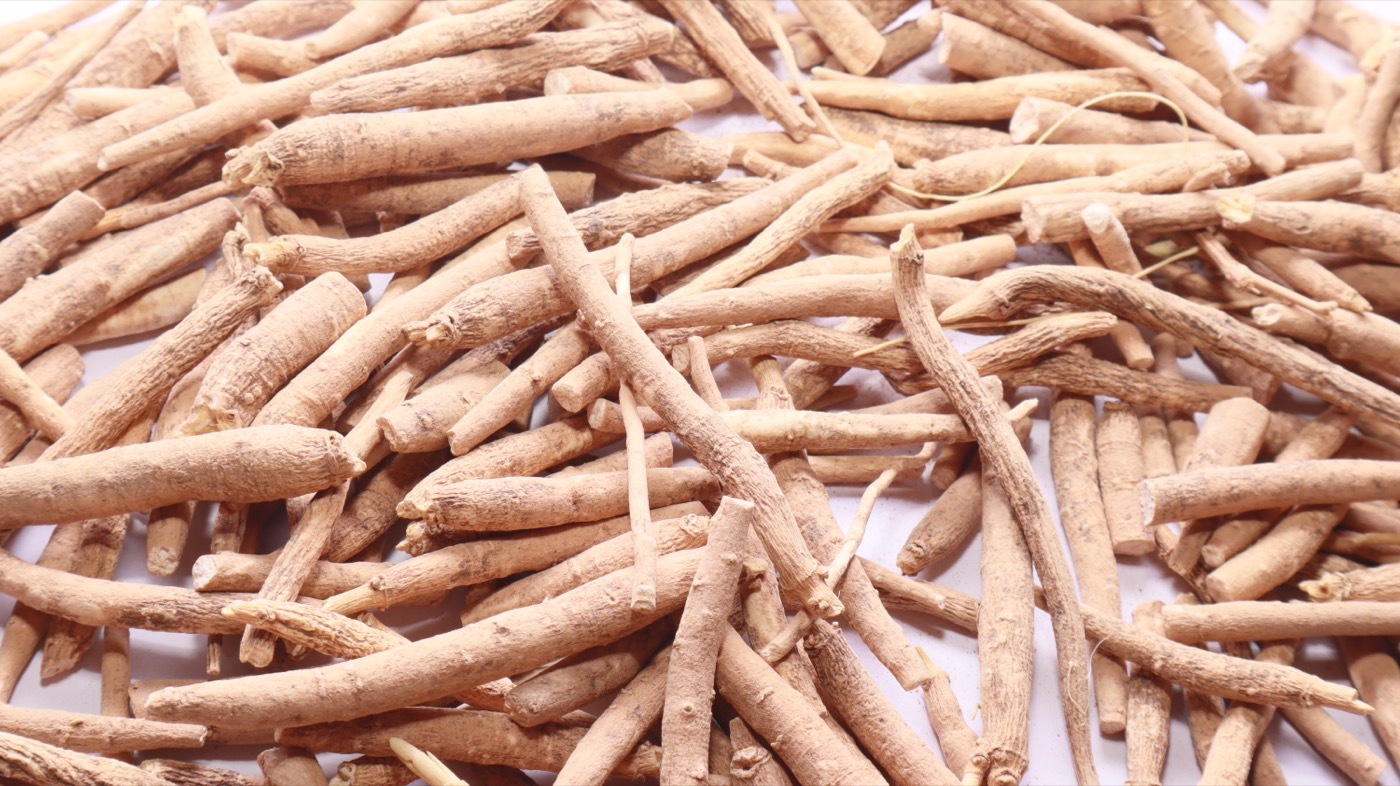
Ashwagandha Extract (Withania somnifera)
Hydro-alcoholic root extract of Withania somnifera standardised to 1.5–10% total withanolides by HPLC. Root-only material, vegan, bulk 25 kg export packing from India with batch COA.
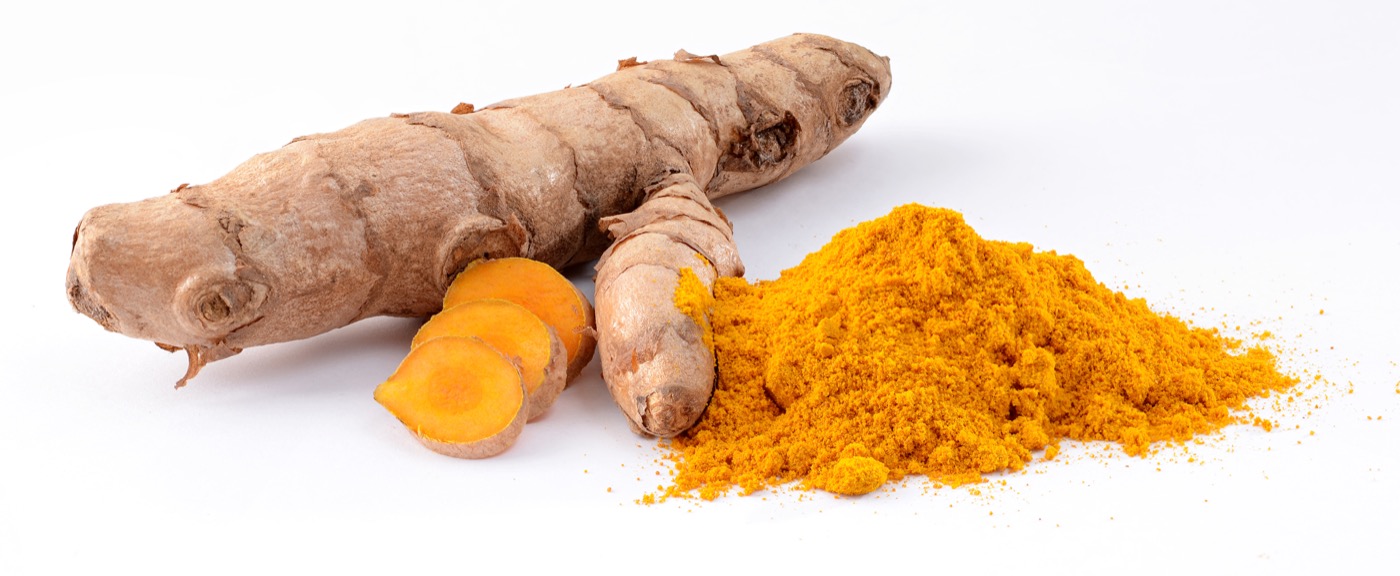
Turmeric Extract / Curcumin 95%
Purified Curcuma longa rhizome extract assaying NLT 95% total curcuminoids by HPLC, in USP curcumin / desmethoxy / bisdesmethoxy proportions. Orange-yellow crystalline powder, vegan.
Turmeric / Curcumin Extract
Standardized curcumin extract (up to 95% curcuminoids) for high-potency anti-inflammatory supplements.