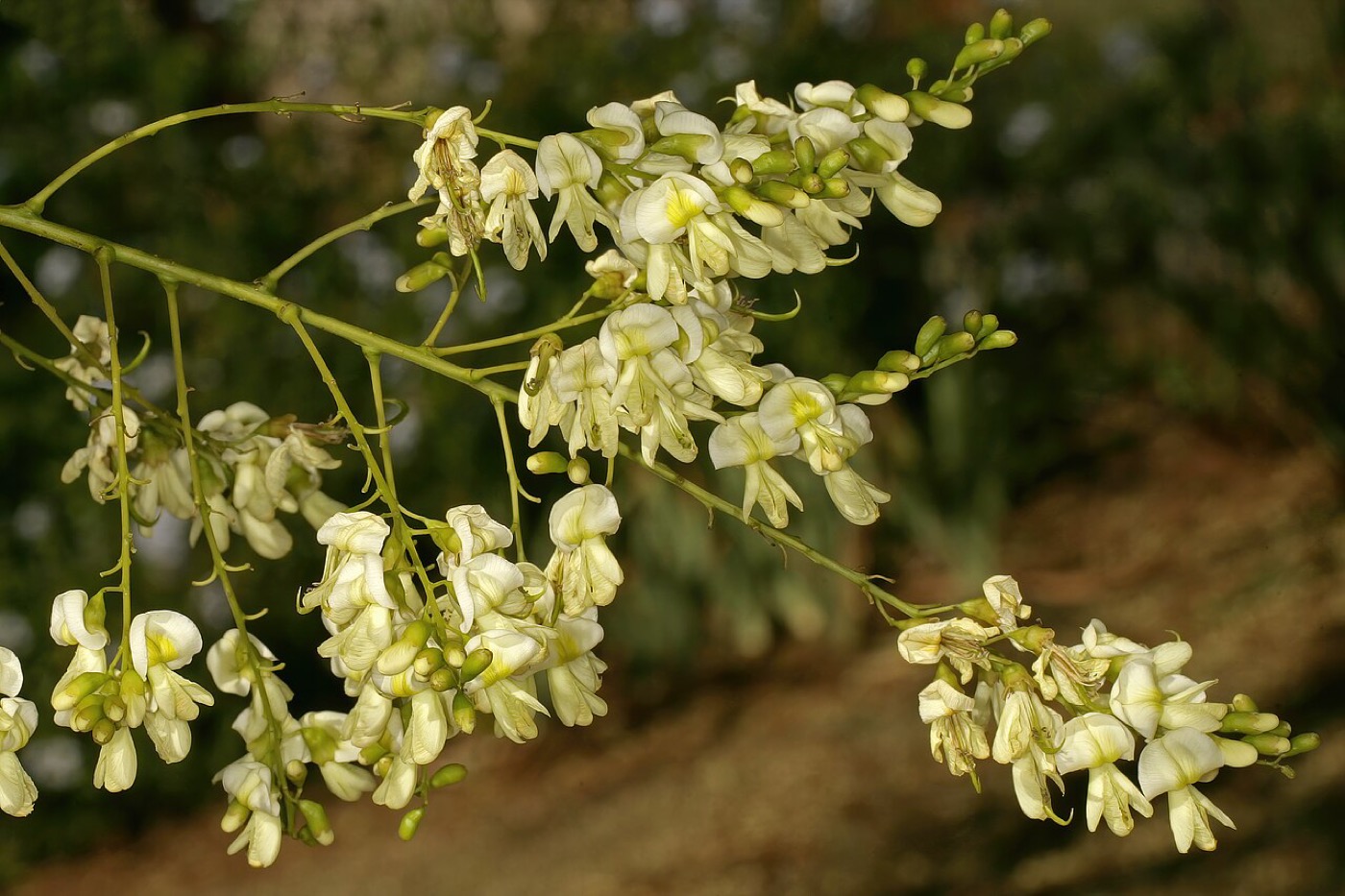
Quercetin (Sophora japonica)
Quercetin obtained by acid hydrolysis of Sophora japonica rutin, assayed 95% or 98% by HPLC, CAS 117-39-5. Dihydrate and anhydrous bases quoted separately. Vegan, allergen-free, 25 kg drums.
Specifications
| Chemical identity | Quercetin, 2-(3,4-dihydroxyphenyl)-3,5,7-trihydroxy-4H-chromen-4-one (3,3',4',5,7-pentahydroxyflavone). CAS 117-39-5; EINECS 204-187-1; C15H10O7; MW 302.24. |
| Hydrate form supplied | Most trade material is quercetin dihydrate, CAS 6151-25-3, C15H10O7·2H2O, MW 338.27 (USP 338.2). Theoretical water of crystallisation 10.7% w/w. |
| Botanical source | Styphnolobium japonicum (L.) Schott, Fabaceae — accepted name for Sophora japonica L.; dried unopened flower buds (huai mi). Bud origin declared per lot. |
| Route of manufacture | Rutin (CAS 153-18-4, C27H30O16, MW 610.52) is recovered from the buds, then acid-hydrolysed to quercetin plus rutinose and recrystallised. Yield ~49.5% of rutin. |
| Assay / standardisation | Quercetin NLT 95.0% by HPLC (as-is, dihydrate basis) for the standard grade; NLT 98.0% and NMT 102.0% on the anhydrous basis for the USP-conforming grade. |
| Basis of assay — read carefully | 95% on the dihydrate corresponds to roughly 85% anhydrous quercetin. Always fix whether a 95%/98% figure is as-is or anhydrous before contracting. |
| Appearance and particle size | Yellow to greenish-yellow crystalline powder, bitter, odourless. NLT 95% through 80 mesh (BSS). Free-flowing granular and micronised grades on request. |
| Solubility and thermal data | Practically insoluble in water; soluble in ethanol (about 2 mg/mL) and DMSO (about 30 mg/mL); soluble in aqueous alkali. Melts 314-317 °C with decomposition. |
| Water, ash and residual solvents | Water 8.0-12.0% w/w by Karl Fischer on the dihydrate grade; sulphated ash NMT 0.5%; ethanol and methanol within ICH Q3C limits; no chlorinated solvents used. |
| Heavy metals | Typical trade limits by ICP-MS: lead NMT 1.0 ppm, arsenic NMT 1.0 ppm, cadmium NMT 0.5 ppm, mercury NMT 0.1 ppm. Tighter buyer limits quoted on request. |
| Microbiology | TPC NMT 1,000 cfu/g; yeast and mould NMT 100 cfu/g; E. coli, Salmonella and S. aureus absent. Purified crystalline material carries a low natural bioburden. |
| Allergen and dietary status | Vegan, plant-derived; not bovine, porcine or marine. Free of milk, egg, soy, fish, crustacean, nut, sesame, gluten. Fabaceae tree, but not soy, peanut or lupin allergen. |
| Shelf life and storage | 36 months from manufacture in the original sealed container below 25 °C, protected from light and moisture. Light-sensitive; may darken on prolonged air exposure. |
| HS code (India ITC-HS) | 29329900 — heterocyclic compounds with oxygen hetero-atom(s) only, other. Not 1302; see classification note. Importing customs authority decides finally. |
| CAS number | Quercetin dihydrate 6151-25-3 (C15H10O7·2H2O, MW 338.27) for the commercial/USP grade; 117-39-5 is anhydrous quercetin only. The record's own specs say the standard grade is assayed 'on the dihydrate basis' and reference the USP article — and the USP-NF Quercetin monograph header carries [6151-25-3] for the dihydrate (338.2) alongside C15H10O7 302.2. Sophora japonica quercetin 95% is traded as the dihydrate, so listing 117-39-5 alone under-declares the article actually shipped. Correct entry: '6151-25-3 (dihydrate; anhydrous 117-39-5)'. |
| Molecular formula | No molecular formula field is supplied anywhere in the record — it must be added. C15H10O7, MW 302.24 (anhydrous, CAS 117-39-5), confirmed PubChem CID 5280343; C15H10O7·2H2O, MW 338.27 for the dihydrate grade (USP-NF states 302.2 / 338.2). |
Applications
Available grades
Quercetin dihydrate NLT 95% by HPLC (as-is basis), powder and free-flowing granular; quercetin NLT 98% on the anhydrous basis to USP limits; micronised grade with declared D90; water-dispersible and solid-dispersion grades for aqueous systems; 80 mesh standard sieve cut. Rutin (CAS 153-18-4) and lower-strength Sophora japonica bud extracts quoted separately. Options: kosher, halal, non-GMO and vegan declarations, banned-substance programme documentation for sports brands, buyer-specific heavy-metal and residual-solvent tightening.
Related products
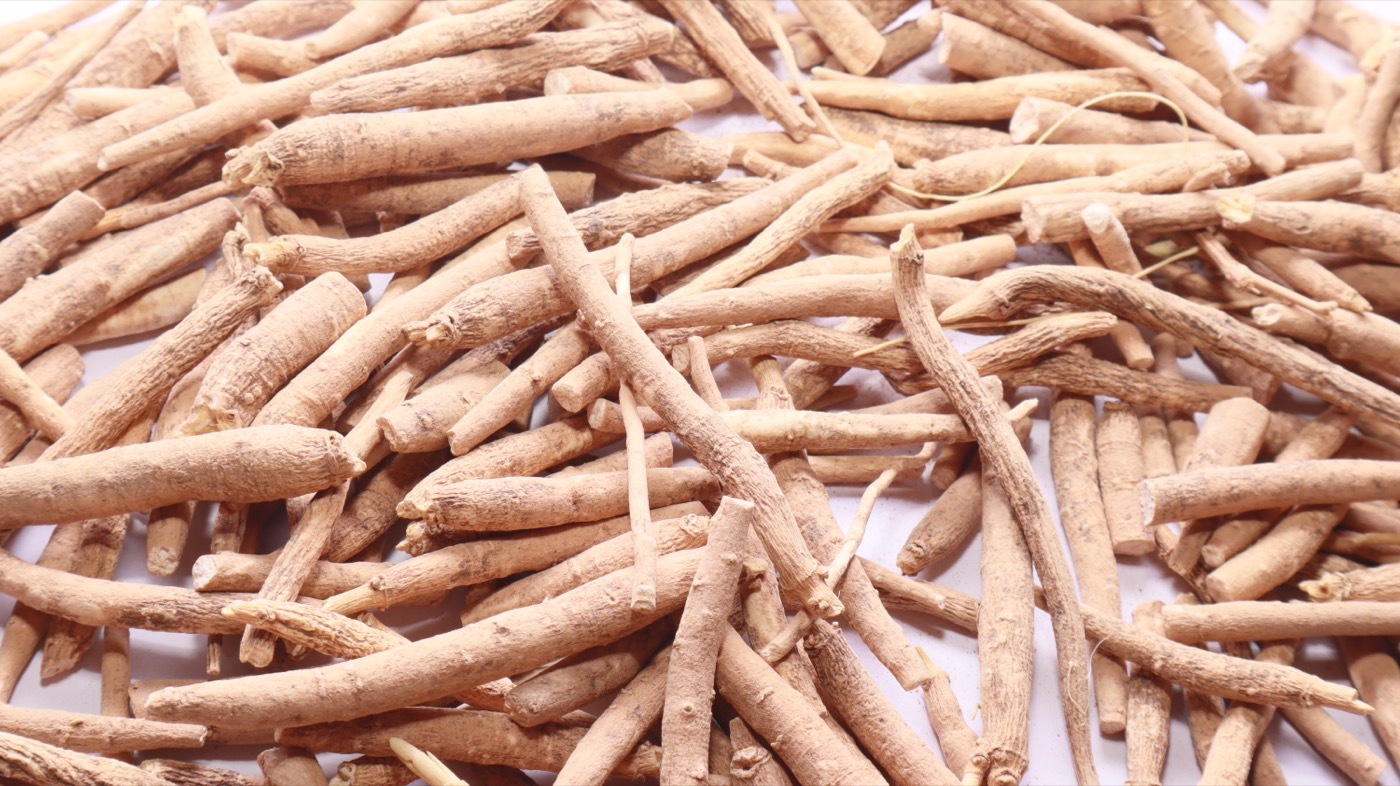
Ashwagandha Extract (Withania somnifera)
Hydro-alcoholic root extract of Withania somnifera standardised to 1.5–10% total withanolides by HPLC. Root-only material, vegan, bulk 25 kg export packing from India with batch COA.
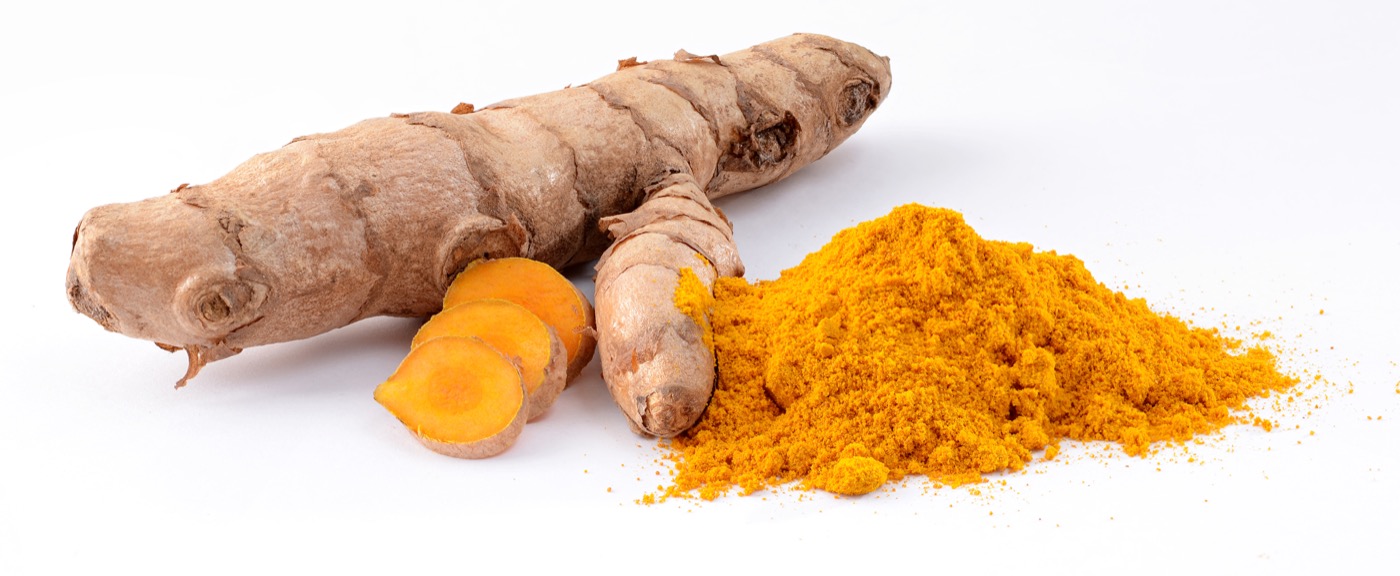
Turmeric Extract / Curcumin 95%
Purified Curcuma longa rhizome extract assaying NLT 95% total curcuminoids by HPLC, in USP curcumin / desmethoxy / bisdesmethoxy proportions. Orange-yellow crystalline powder, vegan.
Turmeric / Curcumin Extract
Standardized curcumin extract (up to 95% curcuminoids) for high-potency anti-inflammatory supplements.