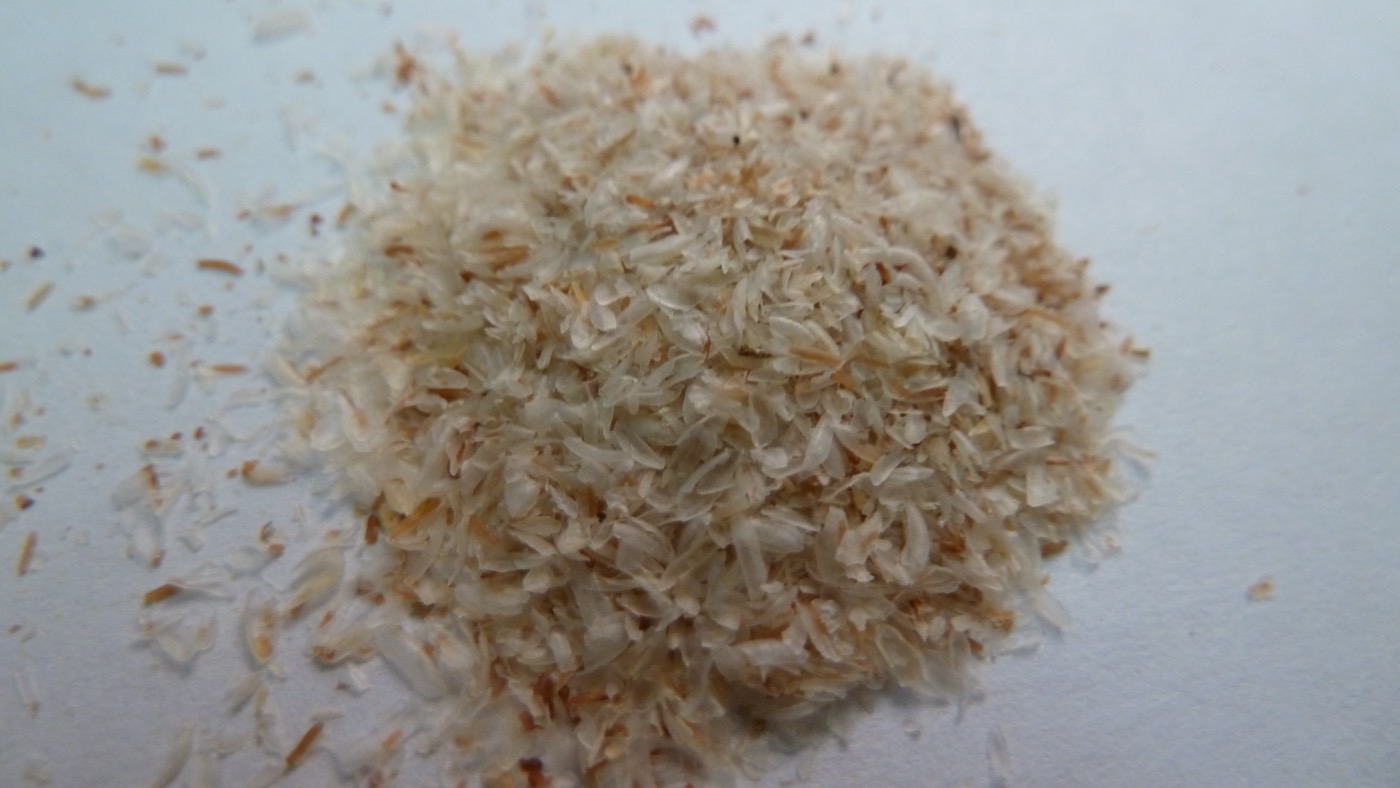
Psyllium husk extract
Purified seed husk of Plantago ovata at 85-99% purity and around 85% total dietary fibre, with swell volume of not less than 40 mL/g. Whole husk or 40-100 mesh powder; steam-treated grades available.
Specifications
| Botanical source | Plantago ovata Forssk., Plantaginaceae; synonym Plantago ispaghula Roxb. ex Fleming. Indian trade name isabgol; also sold as blond or Indian psyllium. |
| Plant part and process | Dried seed coat (husk), separated from the seed by milling and air classification and graded by purity. Not a solvent extract. |
| Purity grades | 85%, 90%, 95%, 98% and 99% husk purity. 95% and above meets the psyllium husk definition in 21 CFR 101.81. |
| Dietary fibre | Approx. 85% total dietary fibre, dry basis. Soluble fraction 70-80% of total fibre, chiefly branched arabinoxylan; balance cellulose and lignin. |
| Swell volume | NLT 40 mL/g at 95% purity and above, matching the Ph. Eur. Ispaghula husk (01/2008:1334) swelling index of NLT 40. NLT 35 mL/g on the 85% grade. |
| Particle size | Whole husk, or powder milled to 40, 60, 80 or 100 mesh with NLT 95% through the nominated screen. |
| Loss on drying | NMT 12.0% |
| Ash | Total ash NMT 4.0%; acid-insoluble ash NMT 1.0%. |
| Protein and extraneous matter | 95% grade to 21 CFR 101.81: protein NMT 3%, light extraneous matter NMT 4.5%, heavy extraneous matter NMT 0.5%. Foreign matter NMT 1% at 99% purity. |
| Microbiology | E. coli absent in 1 g; Salmonella absent in 25 g; yeast and mould NMT 1,000 cfu/g. Steam-treated grades carry a validated pathogen reduction step. |
| Allergen and dietary status | Vegan and vegetarian. No milk, egg, soy, fish, crustacean, peanut, tree nut, sesame, mustard or gluten-containing cereal in the source or process. |
| Occupational handling | Psyllium dust is a documented IgE-mediated occupational allergen causing rhinitis, asthma and urticaria. Use dust extraction and respiratory protection. |
| Shelf life and storage | 24 months from manufacture in the unopened original pack, below 25 C and 65% RH. Hygroscopic once the liner is opened. |
| HS code | India ITC-HS 1211 90 32 — psyllium husk (isobgul husk). Not a chapter 13 extract. |
Applications
Available grades
85%, 90%, 95%, 98% and 99% purity, as whole husk or as powder at 40, 60, 80 or 100 mesh. Untreated and steam-treated (validated pathogen reduction) lots. Conventional and organic (NPOP / NOP / EU) supply arranged against a forward contract; kosher and halal certification on request.
Related products
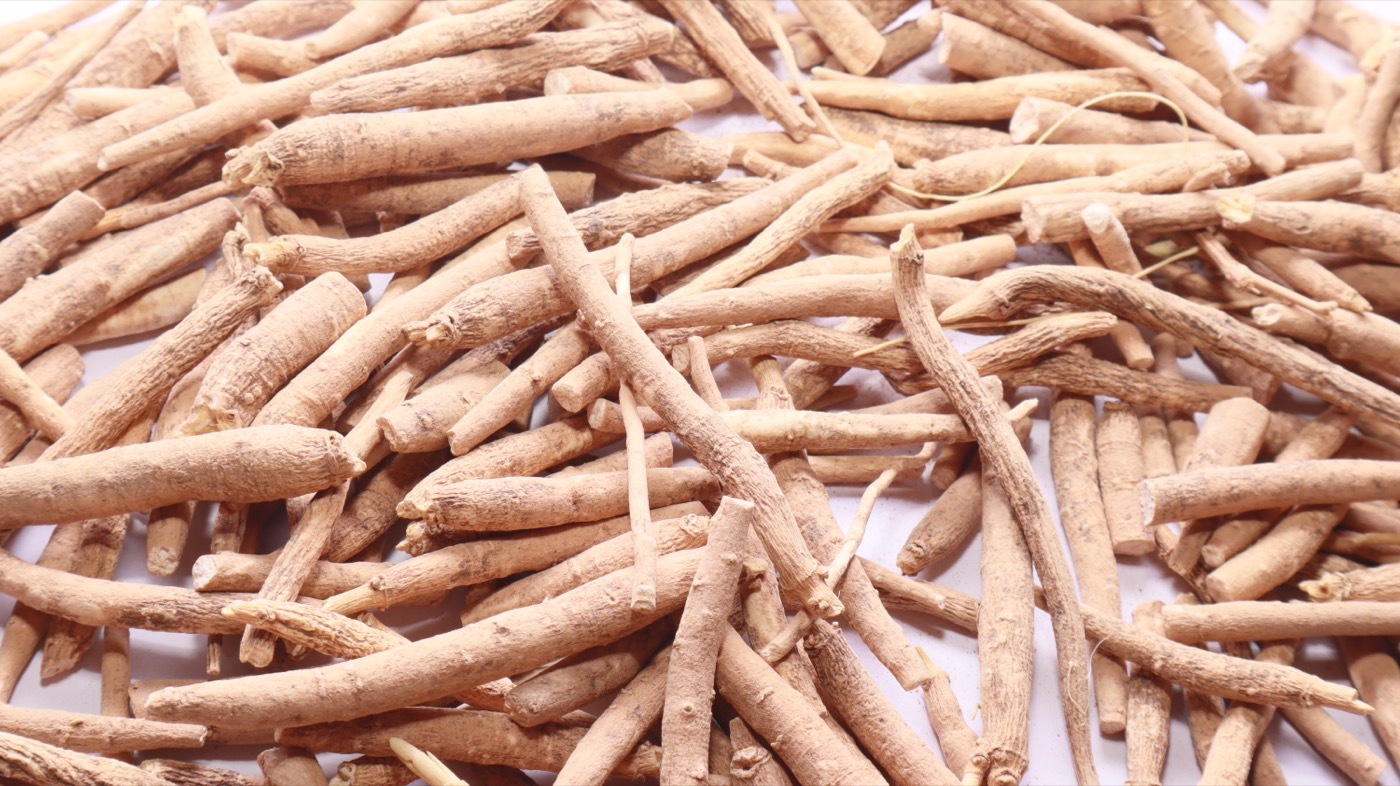
Ashwagandha Extract (Withania somnifera)
Hydro-alcoholic root extract of Withania somnifera standardised to 1.5–10% total withanolides by HPLC. Root-only material, vegan, bulk 25 kg export packing from India with batch COA.
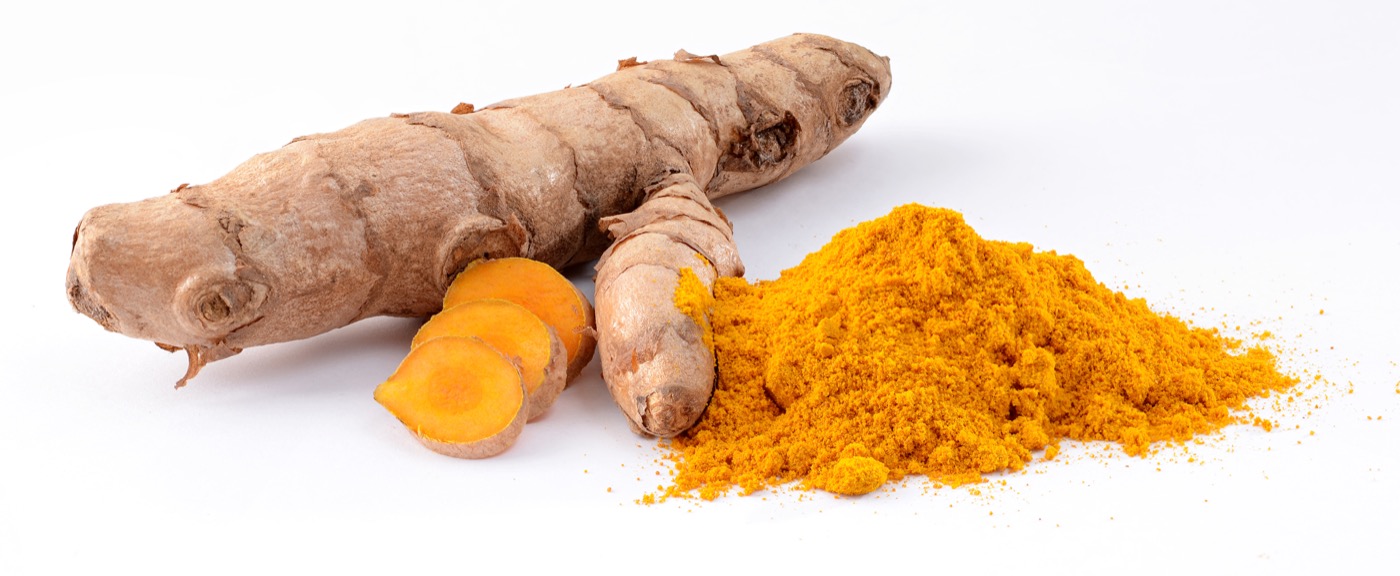
Turmeric Extract / Curcumin 95%
Purified Curcuma longa rhizome extract assaying NLT 95% total curcuminoids by HPLC, in USP curcumin / desmethoxy / bisdesmethoxy proportions. Orange-yellow crystalline powder, vegan.
Turmeric / Curcumin Extract
Standardized curcumin extract (up to 95% curcuminoids) for high-potency anti-inflammatory supplements.