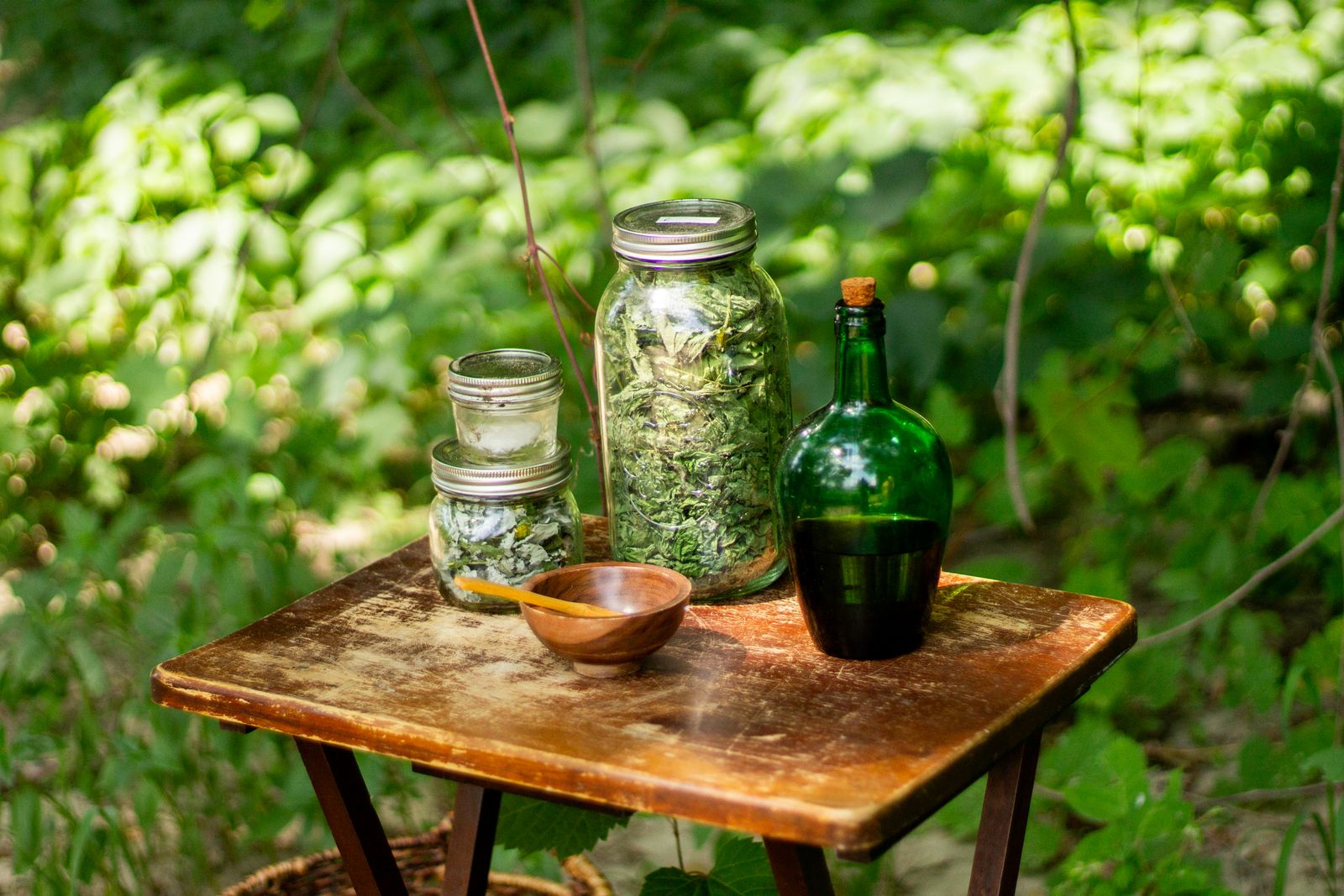
Pomegranate Fruit Powder
Milled whole-fruit powder of Indian pomegranate (Punica granatum), from the Bhagwa crop of the Solapur belt. Carrier-free 80 mesh, or spray-dried juice powder. Not a punicalagin or ellagic acid extract.
Specifications
| Botanical source | Punica granatum L. (Lythraceae). Indian Bhagwa cultivar, Maharashtra — Solapur, Sangli, Nashik and Ahmednagar belts. |
| Plant part | Whole edible fruit: arils, juice and internal membrane. Peel-only powder and peel extract are separate SKUs. |
| Processing | Carrier-free: tray or vacuum dried and milled. Spray-dried grade: juice concentrated and dried onto maize maltodextrin. |
| Standardisation | None — this is a fruit powder. Punicalagin- and ellagic-acid-standardised extracts are separate articles, not substitutes for this one. |
| Appearance & odour | Free-flowing powder, pink to reddish-brown depending on grade and anthocyanin retention; sweet-tart pomegranate odour. |
| Particle size | 95% through 80 mesh as standard; finer cuts and agglomerated free-flow versions on request. |
| Moisture | Carrier-free grade NMT 6.0%; spray-dried juice powder NMT 5.0%. Loss on drying reported per batch. |
| Marker reporting | Total polyphenols as GAE on every batch; punicalagin A/B and ellagic acid by HPLC where the buyer specifies. ORAC/FRAP on request. |
| Solubility | Spray-dried juice grade fully water-soluble; carrier-free fruit powder disperses with a fine insoluble fruit-solids fraction. |
| Carrier | Maize maltodextrin in the spray-dried grade only, level stated per lot. Carrier-free grade is 100% fruit solids. |
| Purity & microbiology | Pb, As, Cd and Hg plus total plate count, yeast/mould, E. coli and Salmonella on every CoA. Pesticide residue screen on request. |
| Allergen & diet status | Vegan and vegetarian, plant origin only. No milk, egg, soy, fish, crustacean, tree-nut or gluten input. Not an EU Annex II or US major allergen. |
| Stability, storage & shelf life | Hygroscopic; anthocyanin colour is heat-, light- and pH-sensitive. Store sealed below 25 °C at under 60% RH. 24 months unopened. |
| HS code | India ITC-HS 1106.30.90 — flour, meal and powder of the products of Chapter 8, other. See classification note. |
Applications
Available grades
Carrier-free whole-fruit powder and spray-dried juice powder on maize maltodextrin. Conventional and certified organic (NOP / EU 2018/848). Standard 80 mesh, finer cuts and agglomerated free-flow versions to order. Pomegranate peel powder, and punicalagin- or ellagic-acid-standardised extracts, are separate SKUs on separate specifications and are not offered as equivalents to this fruit powder.
Related products
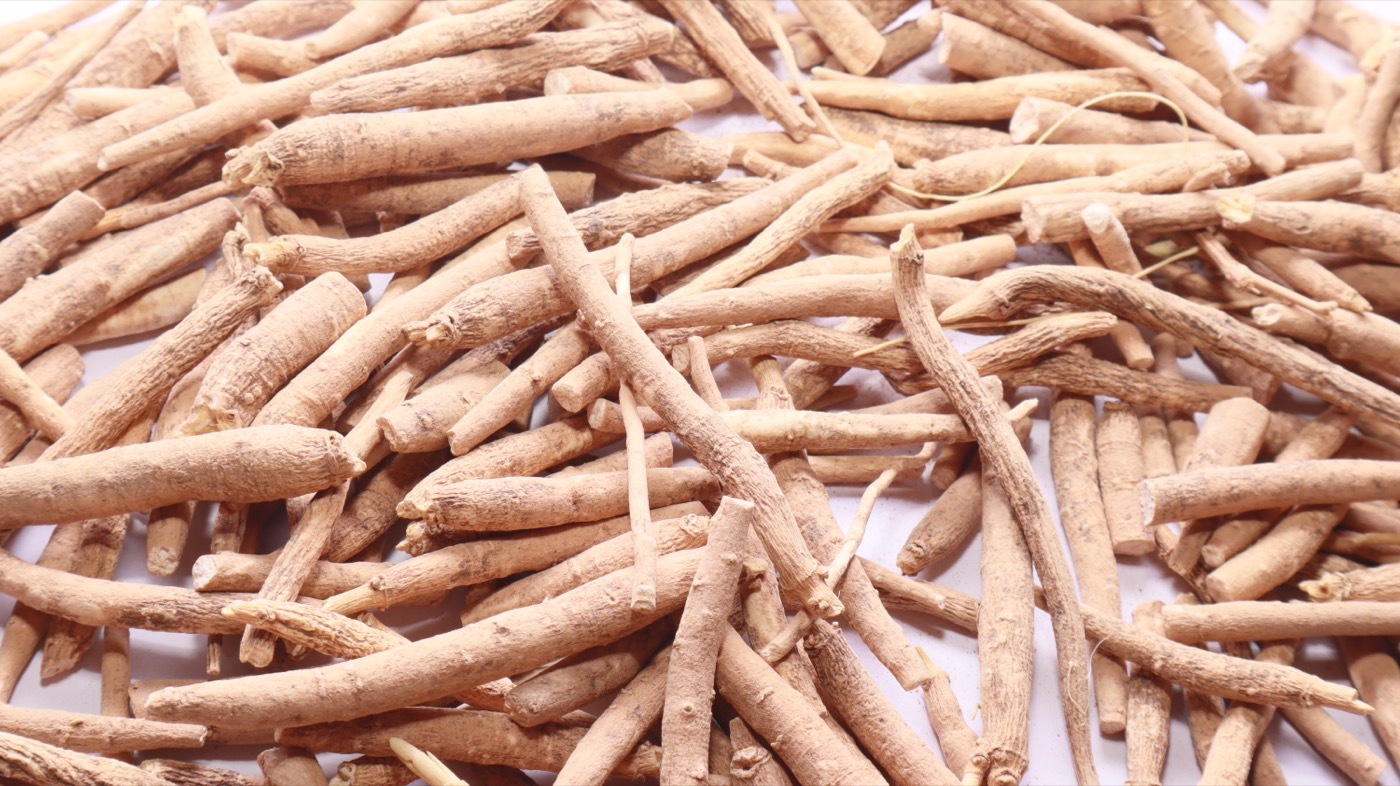
Ashwagandha Extract (Withania somnifera)
Hydro-alcoholic root extract of Withania somnifera standardised to 1.5–10% total withanolides by HPLC. Root-only material, vegan, bulk 25 kg export packing from India with batch COA.
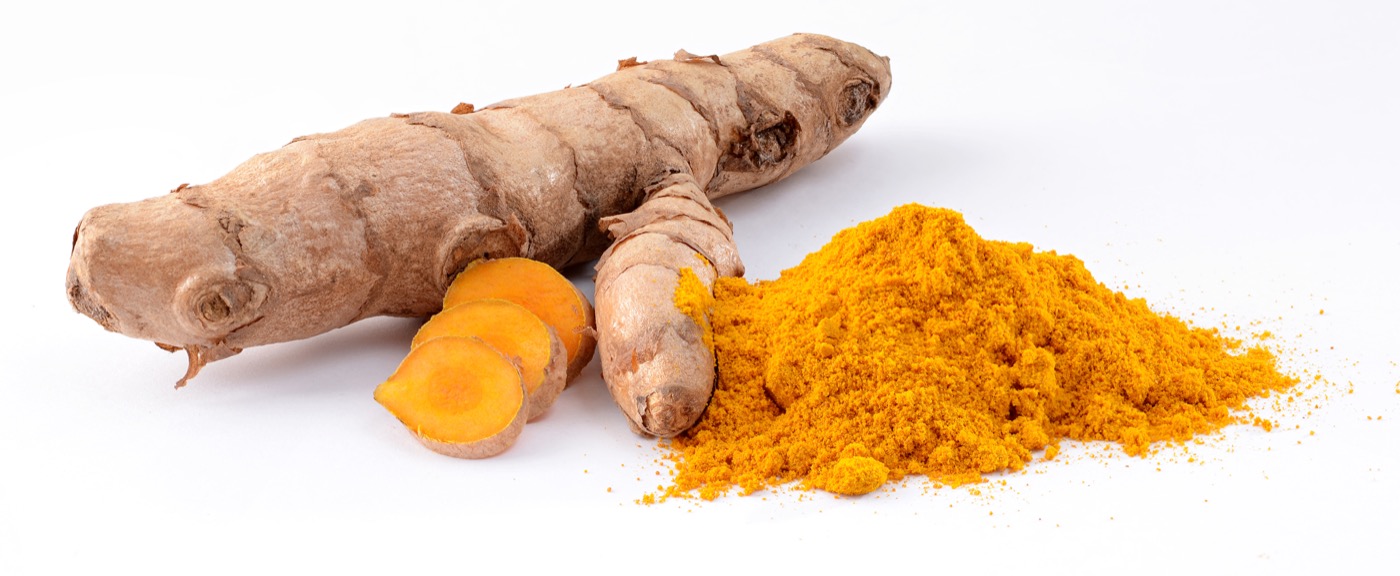
Turmeric Extract / Curcumin 95%
Purified Curcuma longa rhizome extract assaying NLT 95% total curcuminoids by HPLC, in USP curcumin / desmethoxy / bisdesmethoxy proportions. Orange-yellow crystalline powder, vegan.
Turmeric / Curcumin Extract
Standardized curcumin extract (up to 95% curcuminoids) for high-potency anti-inflammatory supplements.