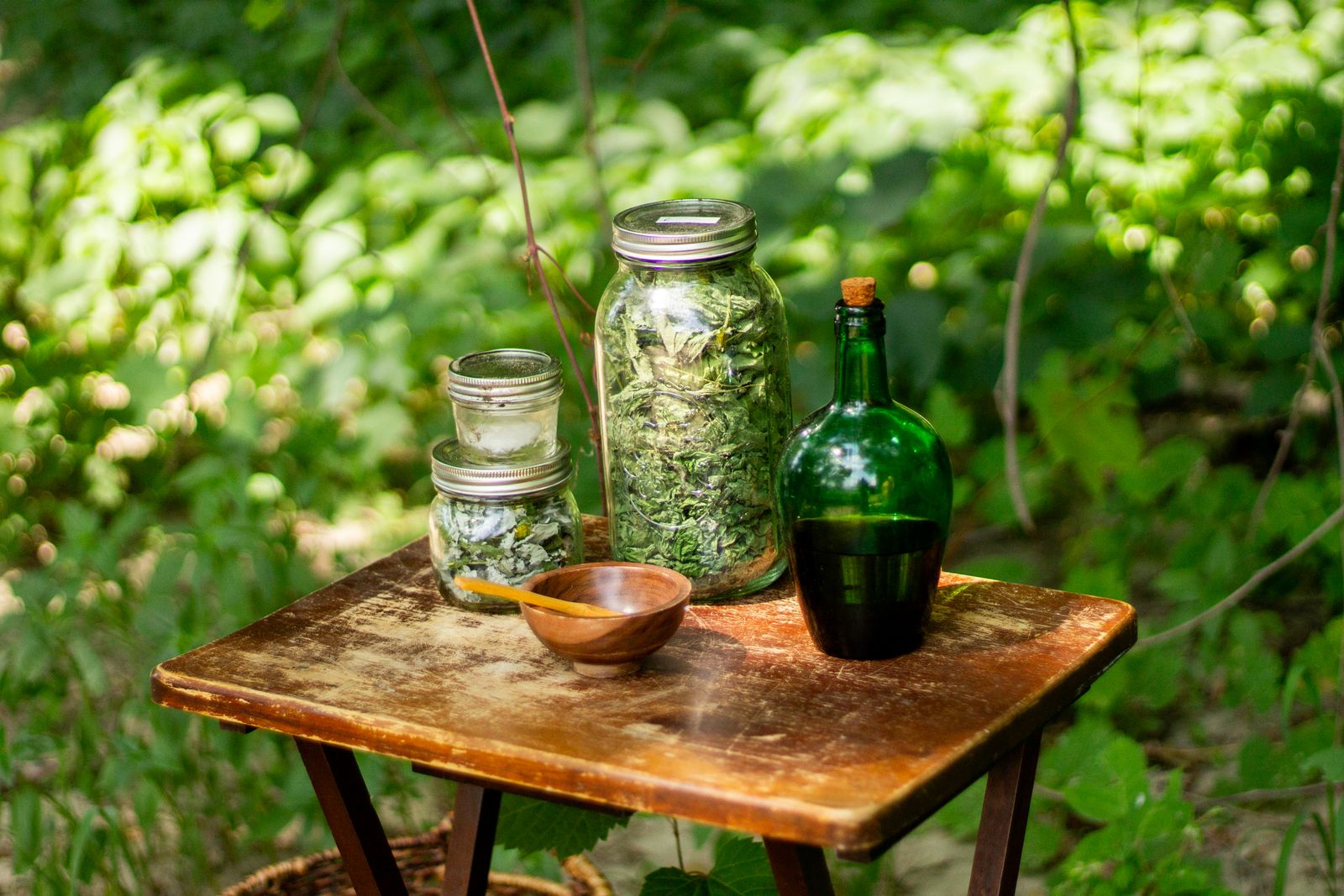
Pomegranate Extract (Ellagic Acid)
Pomegranate rind extract from Indian fruit, standardised to 20%, 30% or 40% ellagic acid by HPLC, with punicalagin and total-polyphenol grades. Vegan, allergen-free, 25 kg drums.
Specifications
| Botanical identity | Punica granatum L., family Lythraceae (formerly Punicaceae). Trade name pomegranate; Indian names anar and dalimb. Cultivar base predominantly Bhagwa. |
| Part used and origin | Fruit rind (pericarp), the by-product stream of juice pressing. Indian fruit, largely Maharashtra. Whole-fruit and juice-powder grades made to order. |
| Process | Water or aqueous-ethanol extraction, vacuum concentration, spray or vacuum drying. Extraction solvent stated per grade; residual solvents tested to ICH Q3C. |
| Standardisation | Ellagic acid 20%, 30% or 40% by HPLC. Punicalagin grades at 20%, 30% or 40% (HPLC, alpha + beta anomers). Total polyphenols 40% as gallic acid by Folin on request. |
| Marker chemistry | Ellagic acid CAS 476-66-4, C14H6O8, MW 302.19. Punicalagin CAS 65995-63-3, C48H28O30, MW 1084.72. Punicalin and granatin B also present in the ellagitannin fraction. |
| Assay method matters | Titrimetric and UV assays read higher than HPLC on the same lot. State the method on the purchase order: a 40% UV lot is not a 40% HPLC lot. |
| Botanical source declaration | Ellagic acid is not unique to pomegranate, and high-assay 90%+ material on the market is often made from other ellagitannin-rich botanicals. Source is declared on every COA. |
| Appearance and odour | Light reddish-brown to brown fine free-flowing powder with a faint fruity odour and a markedly astringent taste. |
| Solubility | 20-40% grades disperse in water and dissolve in aqueous ethanol. Ellagic acid itself is poorly water-soluble, so high-assay grades need a solubiliser or a dry blend. |
| Particle size, carrier, moisture | 80-100 mesh standard. Loss on drying NMT 5%. Carrier, where used, is maize maltodextrin or gum acacia and is named on the spec; carrier-free grades available. |
| Heavy metals | Typically lead NMT 3 ppm, arsenic NMT 1 ppm, cadmium NMT 1 ppm, mercury NMT 0.1 ppm, fixed in the agreed spec. USP <232>/<233> available for pharma buyers. |
| Microbiology and residues | Total plate count, yeast and mould, E. coli and Salmonella to buyer specification. Pesticide residues, aflatoxins and sterilisation method (steam) reported lot-wise. |
| Allergen and dietary status | Vegan and vegetarian; no bovine, porcine, marine or insect material. Free of all FDA 9 and EU 14 allergens including peanut and sesame. Non-GMO, non-irradiated. |
| Shelf life, storage | 24 months unopened from manufacture. Store below 25 C, RH under 60%, protected from light. |
| HS code | 1302 19 19 for the standardised extract |
Applications
Available grades
Ellagic acid 20%, 30% and 40% by HPLC. Punicalagin 20%, 30% and 40% by HPLC. Total polyphenols 40% (Folin, as gallic acid). Native pomegranate rind extracts at an agreed drug-to-extract ratio where no marker standardisation is required. Water-dispersible spray-dried grade on maize maltodextrin or gum acacia for beverage work, and a carrier-free grade for tablet and capsule work. Conventional and NPOP/NOP/EU organic certified lots; kosher and halal certification available. Pomegranate seed oil, which carries punicic acid rather than ellagitannins, and pomegranate juice powder, which carries fruit sugars rather than ellagitannins, are separate SKUs and are not supplied under this listing.
Related products
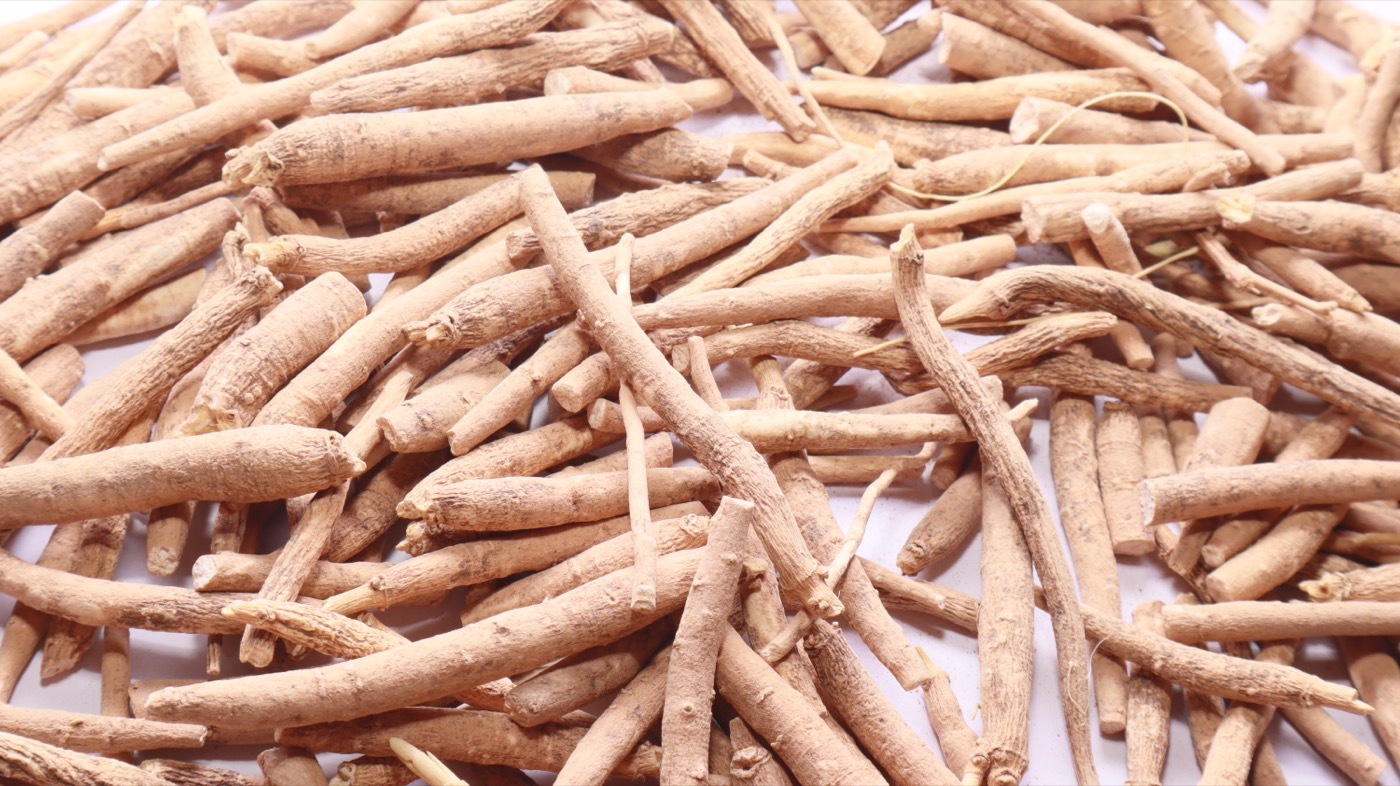
Ashwagandha Extract (Withania somnifera)
Hydro-alcoholic root extract of Withania somnifera standardised to 1.5–10% total withanolides by HPLC. Root-only material, vegan, bulk 25 kg export packing from India with batch COA.
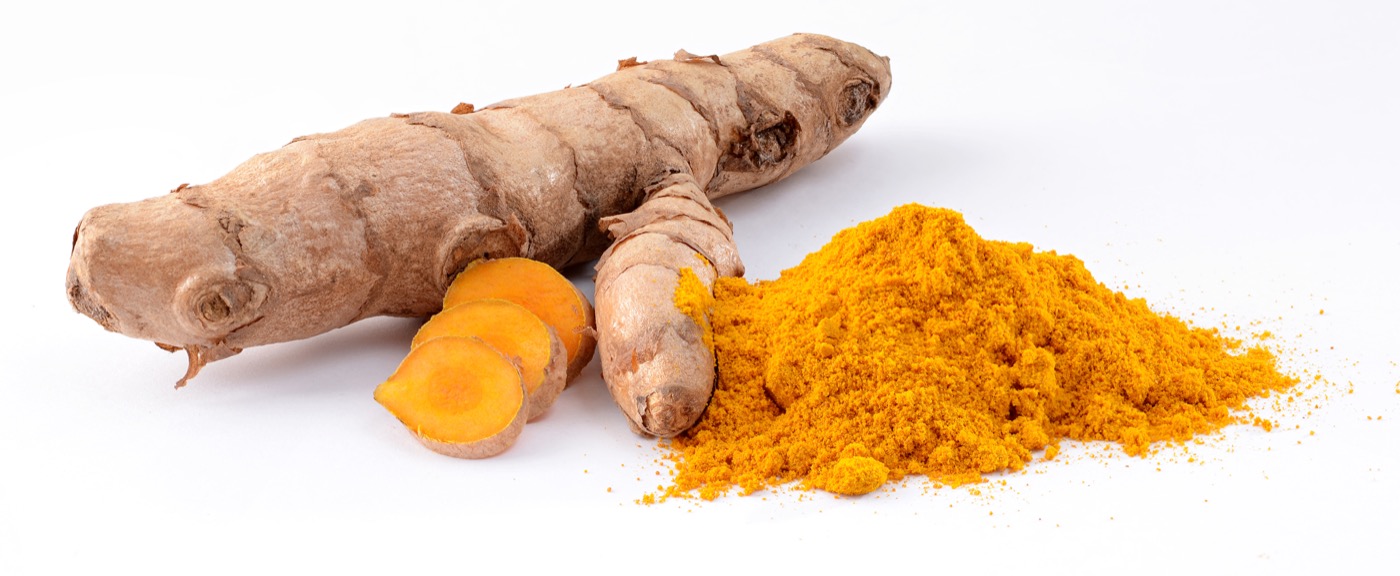
Turmeric Extract / Curcumin 95%
Purified Curcuma longa rhizome extract assaying NLT 95% total curcuminoids by HPLC, in USP curcumin / desmethoxy / bisdesmethoxy proportions. Orange-yellow crystalline powder, vegan.
Turmeric / Curcumin Extract
Standardized curcumin extract (up to 95% curcuminoids) for high-potency anti-inflammatory supplements.