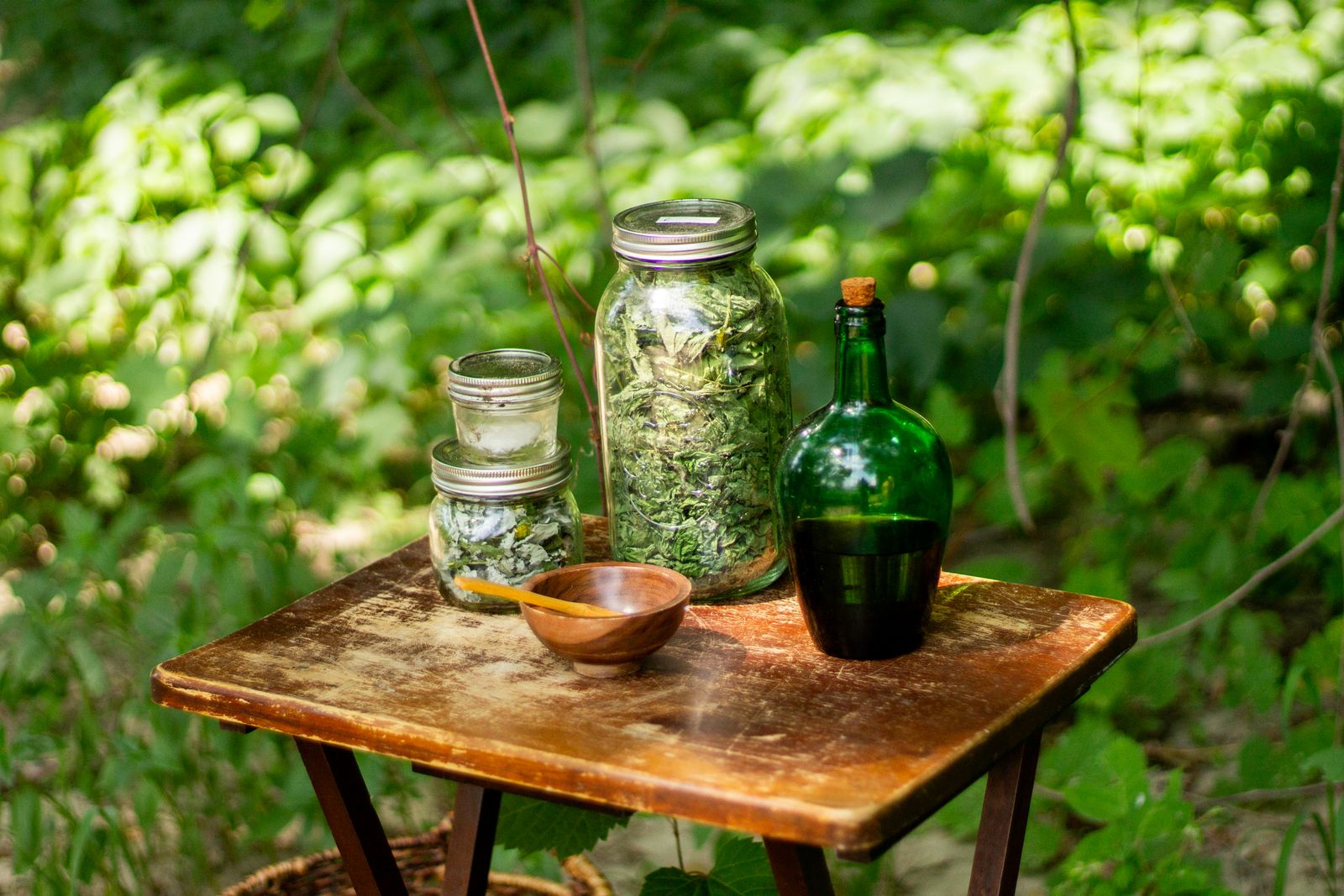
Onion Extract (Quercetin)
Dried Allium cepa extract standardised on quercetin by HPLC at 2%, 5% or 10%, carrying the native onion flavonol glucoside profile. Vegan, non-GMO, not an EU Annex II allergen. Bulk from India.
Specifications
| Botanical source and part | Allium cepa L. (Amaryllidaceae, subfamily Allioideae); bulb and/or dry outer scales. The plant fraction used is declared per lot, since the profiles differ. |
| Marker compound | Quercetin, 2-(3,4-dihydroxyphenyl)-3,5,7-trihydroxy-4H-chromen-4-one. CAS 117-39-5; C15H10O7; MW 302.24 (PubChem CID 5280343). |
| Native flavonol profile | Quercetin-3,4'-O-diglucoside and quercetin-4'-O-glucoside (spiraeoside, CAS 20229-56-5, C21H20O12, MW 464.4) dominate; isoquercitrin minor; free aglycone highest in dry scales. |
| Standardisation | Quercetin 2.0%, 5.0% or 10.0% by HPLC. Native 4:1 and 10:1 ratio extracts supplied where the whole flavonol profile is wanted rather than a marker figure. |
| Assay basis — fix before contracting | State whether the figure is free aglycone by direct HPLC or total quercetin after acid hydrolysis of the glucosides. The hydrolysed number is the higher of the two. |
| Appearance and mesh | Light brown to reddish-brown free-flowing powder with a characteristic onion odour; NLT 95% through 80 mesh. Deodorised and 200-mesh micronised grades on request. |
| Solubility | Quercetin is practically insoluble in water, so higher-assay grades disperse rather than dissolve. Water-soluble spray-dried and solubilised grades for beverage work. |
| Extraction, solvents and carrier | Water or food-grade ethanol/water extraction, vacuum concentration and spray drying; carrier-free or on maize maltodextrin. Residual solvents to ICH Q3C; no chlorinated solvents. |
| Purity limits | Loss on drying NMT 5.0%; total ash NMT 5.0%; acid-insoluble ash NMT 1.0%. By ICP-MS: lead NMT 3.0 ppm, arsenic NMT 1.0 ppm, cadmium NMT 1.0 ppm, mercury NMT 0.1 ppm. |
| Pesticides and microbiology | Pesticide residues to EU MRLs. TPC NMT 10,000 cfu/g; yeast and mould NMT 100 cfu/g; E. coli absent in 10 g; Salmonella absent in 25 g. |
| Allergen and dietary status | Vegan, plant-derived; not bovine, porcine or marine. Free of all EU 1169/2011 Annex II allergens. Onion is a fructan (FODMAP) source, a labelling point in some markets. |
| Authenticity control | Released on the HPLC fingerprint, not total quercetin alone: genuine Allium cepa material shows the glucoside pattern and sulphur markers; an isolate shows the aglycone only. |
| Shelf life and storage | 24 months from manufacture in the sealed original packing below 25 °C, protected from light and moisture. Flavonols darken on prolonged light and air exposure. |
| HS code (India ITC-HS) | 13021919 — vegetable saps and extracts; extracts, other. Purified quercetin and dried onion powder classify elsewhere; see the classification note. |
Applications
Available grades
Quercetin 2%, 5% and 10% by HPLC, with the basis (free aglycone or post-hydrolysis total) stated on the certificate of analysis; native 4:1 and 10:1 ratio extracts; red-onion skin grade with cyanidin anthocyanins reported separately; deodorised grade for capsules and tablets; water-soluble spray-dried grade on maize maltodextrin for beverages; carrier-free grade; 200-mesh micronised cut. Organic (NPOP / NOP / EU), kosher, halal, non-GMO and vegan documentation on request. Purified quercetin 95% and 98% from Styphnolobium japonicum is quoted as a separate product with its own classification.
Related products
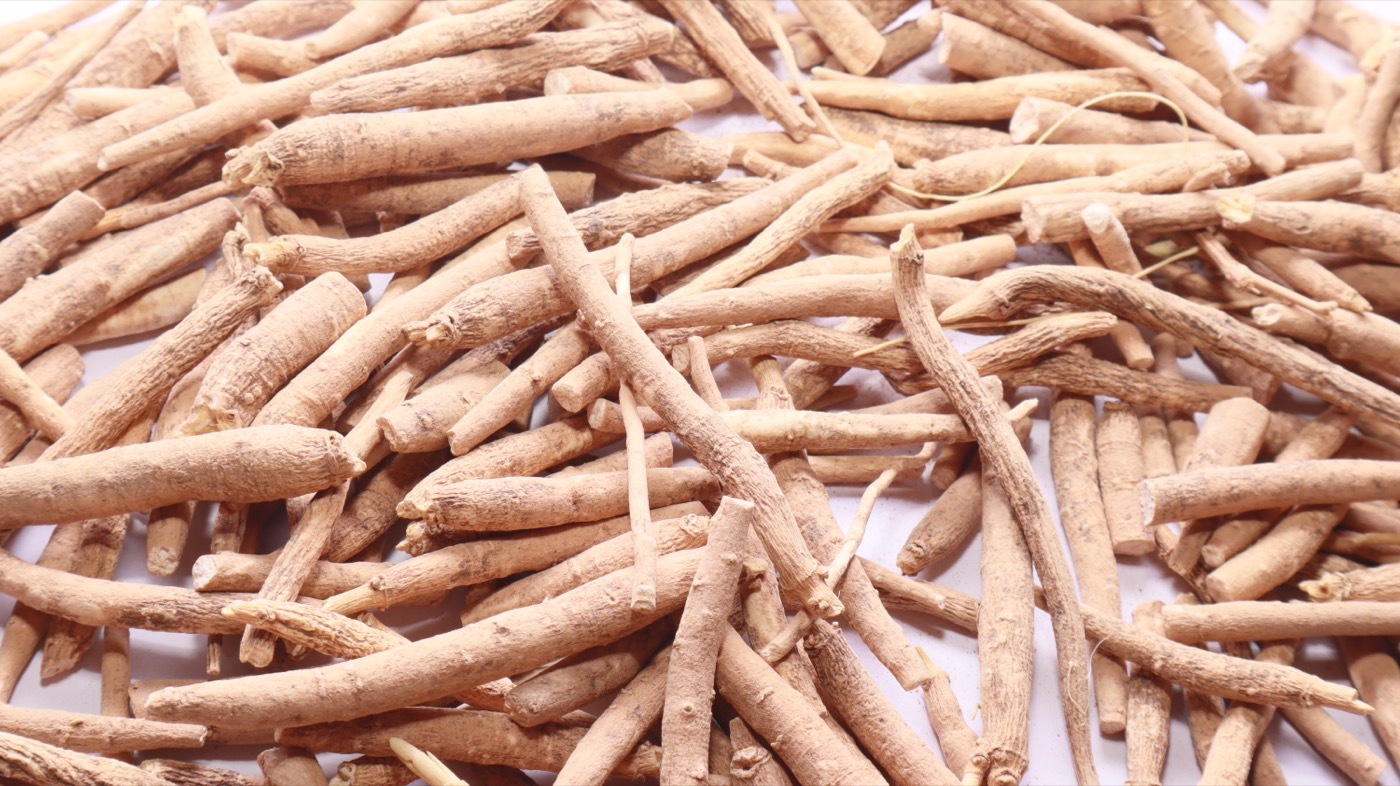
Ashwagandha Extract (Withania somnifera)
Hydro-alcoholic root extract of Withania somnifera standardised to 1.5–10% total withanolides by HPLC. Root-only material, vegan, bulk 25 kg export packing from India with batch COA.
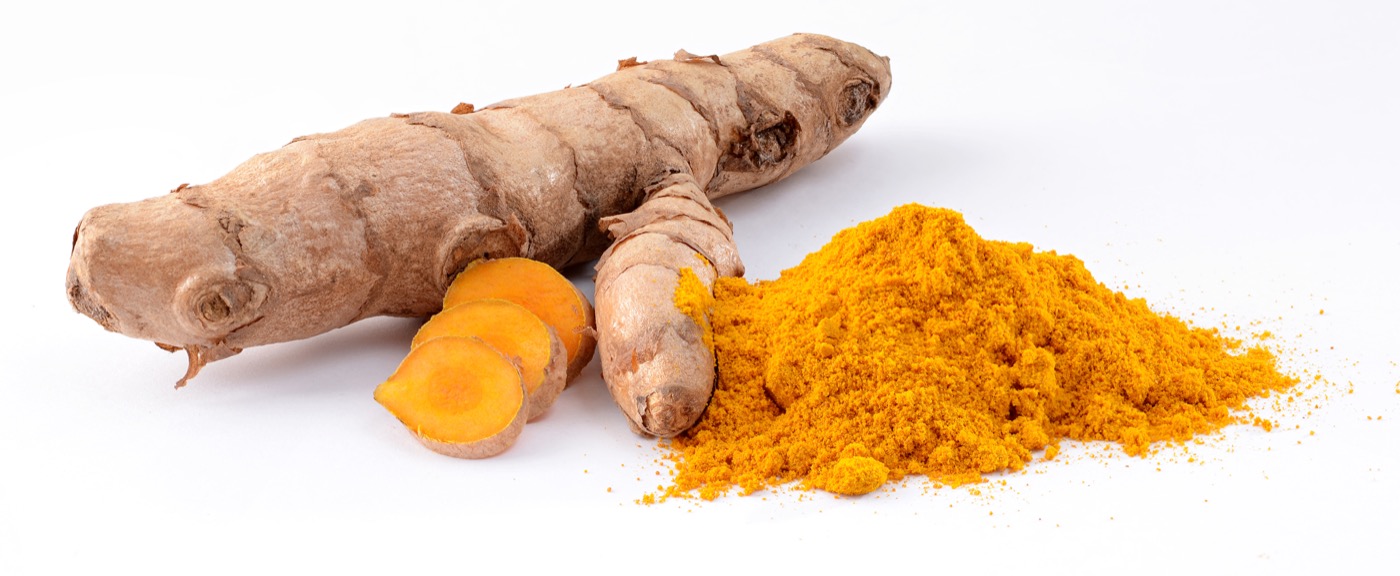
Turmeric Extract / Curcumin 95%
Purified Curcuma longa rhizome extract assaying NLT 95% total curcuminoids by HPLC, in USP curcumin / desmethoxy / bisdesmethoxy proportions. Orange-yellow crystalline powder, vegan.
Turmeric / Curcumin Extract
Standardized curcumin extract (up to 95% curcuminoids) for high-potency anti-inflammatory supplements.