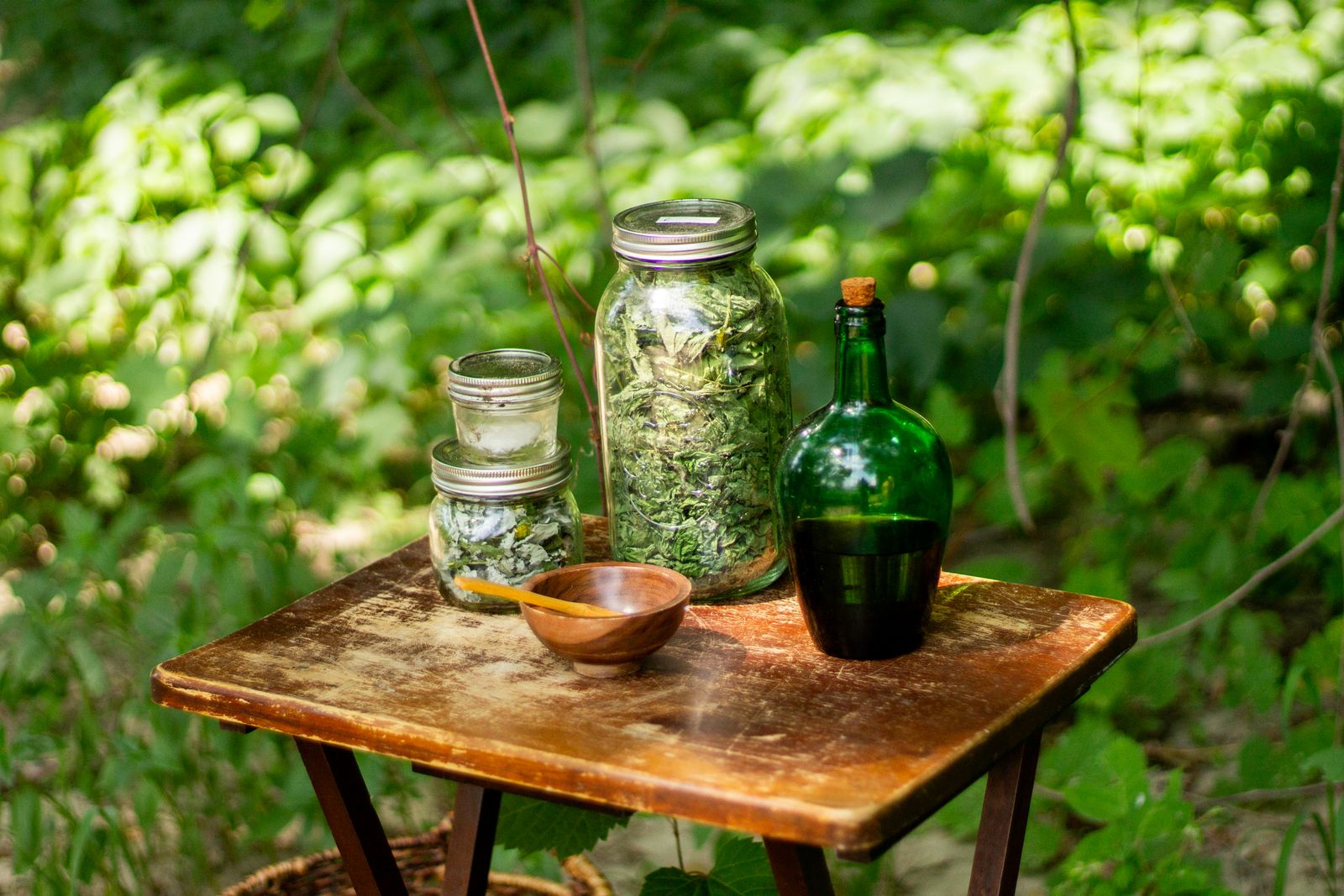
Olive Leaf Extract (Oleuropein)
Olea europaea leaf extract standardised to 6%, 10%, 20%, 40% or 60% oleuropein by HPLC, with hydroxytyrosol-enriched grades. Vegan, not a tree nut, 80 mesh powder, 25 kg drums.
Specifications
| Botanical source | Olea europaea L. (Oleaceae), dried leaf from cultivated olive groves. Leaf only — not fruit, not pomace, not olive oil. |
| Standardisation, oleuropein | Oleuropein 6%, 10%, 20%, 40% or 60% by HPLC. Assay basis must be stated at enquiry, as it is not interchangeable with total-polyphenol figures. |
| Standardisation, polyphenols | Total polyphenols 20–40% by UV as gallic acid equivalent. Hydroxytyrosol-enriched grades available at 5%, 10% and 20%. |
| Primary marker chemistry | Oleuropein, CAS 32619-42-4, C25H32O13, MW 540.52 — a secoiridoid glucoside, ester of elenolic acid with hydroxytyrosol. |
| Secondary marker chemistry | Hydroxytyrosol, CAS 10597-60-1, C8H10O3, MW 154.16, formed on hydrolysis of oleuropein; specified and assayed separately where required. |
| Extraction ratio and solvent | 10:1 to 25:1 native. Water and food-grade ethanol only. No class 1 solvents; residual solvents within ICH Q3C class 3 limits. |
| Appearance and organoleptics | Light yellow to yellowish-brown fine powder, characteristic odour, distinctly bitter taste that usually needs masking above low inclusion levels. |
| Particle size and solubility | 100% through 80 mesh, free-flowing. Soluble in water and aqueous ethanol; 40% and 60% grades dissolve best in warm water or ethanol-water. |
| Stability guidance | Oleuropein hydrolyses to hydroxytyrosol and elenolic acid under heat, light, acid or alkali. Avoid prolonged hot wet processing and hold pH 4–7. |
| Loss on drying and ash | Loss on drying NMT 5.0%. Total ash NMT 5.0%. Acid-insoluble ash NMT 1.0%. |
| Heavy metals | Lead NMT 3 ppm, arsenic NMT 1 ppm, cadmium NMT 1 ppm, mercury NMT 0.1 ppm. |
| Microbiology | Total plate count NMT 10,000 cfu/g; yeast and mould NMT 500 cfu/g; E. coli, Salmonella and S. aureus absent in the stated sample size. |
| Allergen, origin and diet status | Vegan and vegetarian, leaf-derived. Olive is a drupe, NOT a tree nut. No milk, egg, soy, fish, crustacean, peanut, sesame or gluten input. Non-GMO. |
| Shelf life, storage | 24–36 months unopened below 25 °C, protected from light and moisture. |
| HS code | 13021919 |
Applications
Available grades
6% and 10% oleuropein (HPLC) — economy and beverage grades; 20% oleuropein (HPLC) — standard commercial grade; 40% and 60% oleuropein (HPLC) — high-assay grades; 20–40% total polyphenols (UV, GAE); hydroxytyrosol-enriched 5%, 10% and 20%; 10:1 to 25:1 native ratio extracts, carrier-free; certified organic (NPOP / NOP / EU) on contract; cosmetic-grade with tightened micro limits.
Related products
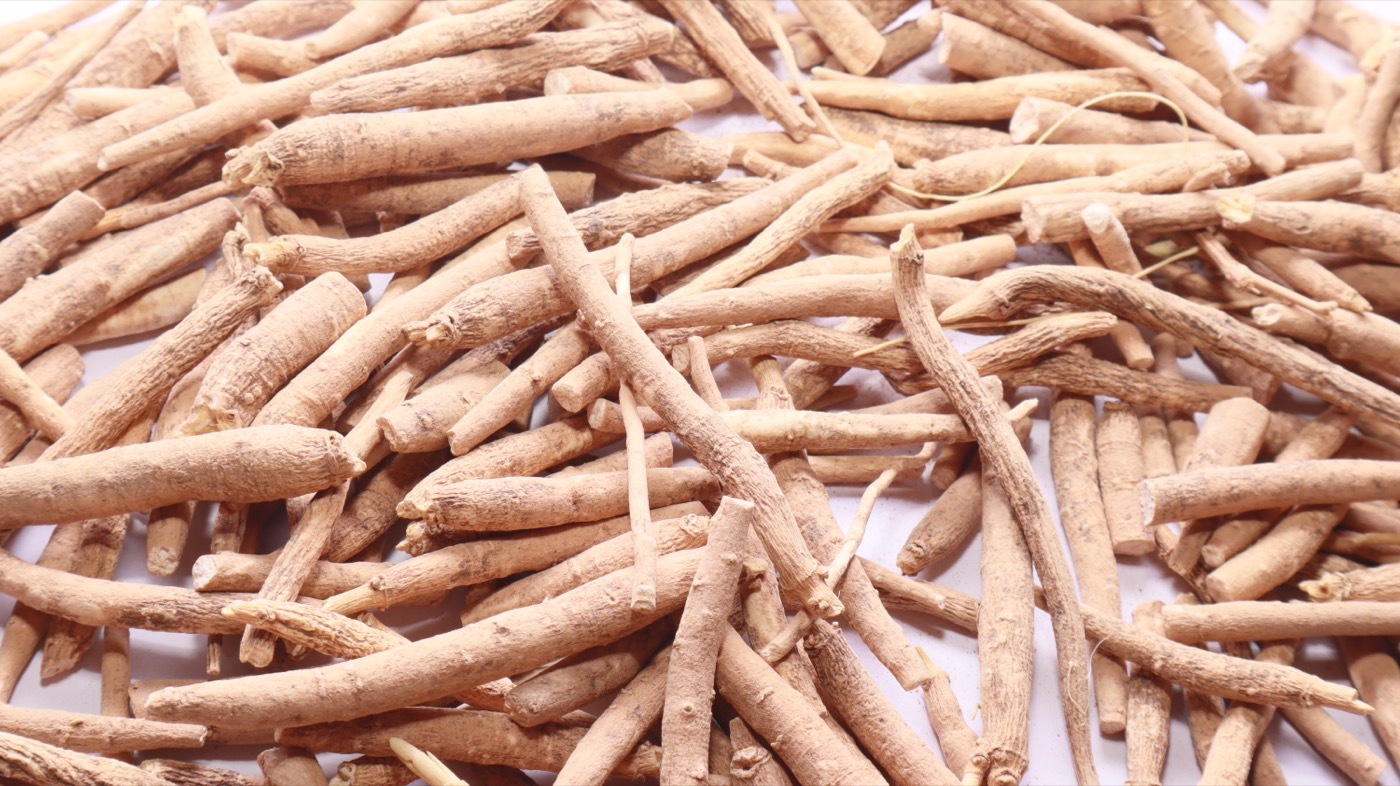
Ashwagandha Extract (Withania somnifera)
Hydro-alcoholic root extract of Withania somnifera standardised to 1.5–10% total withanolides by HPLC. Root-only material, vegan, bulk 25 kg export packing from India with batch COA.
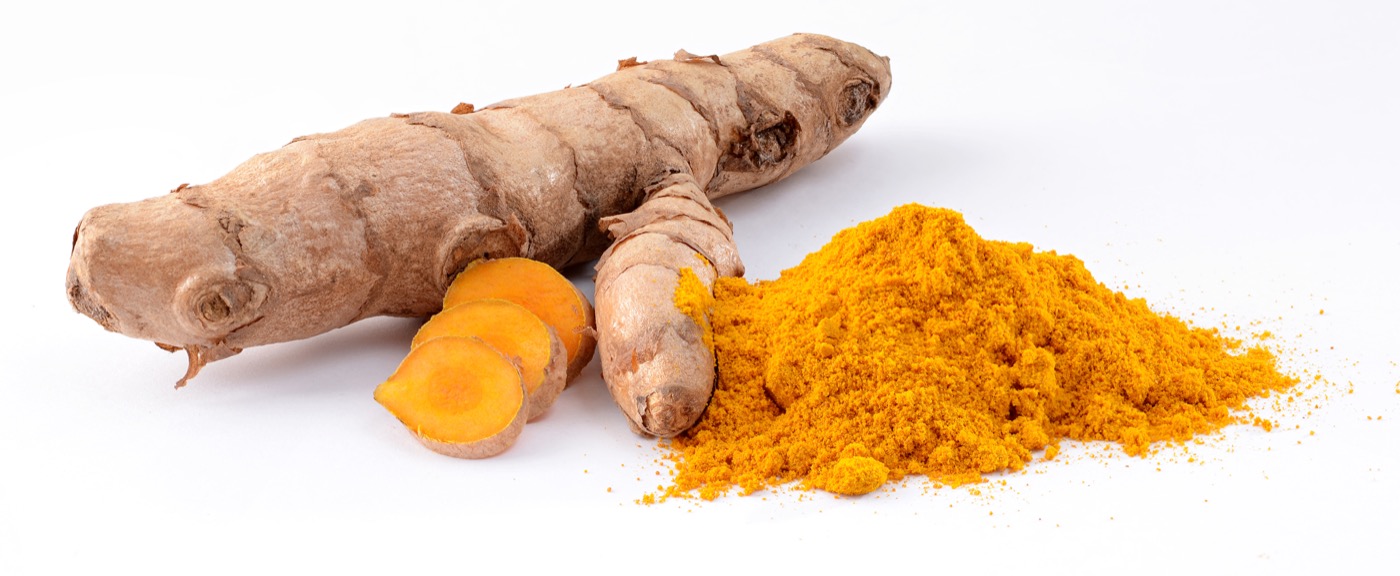
Turmeric Extract / Curcumin 95%
Purified Curcuma longa rhizome extract assaying NLT 95% total curcuminoids by HPLC, in USP curcumin / desmethoxy / bisdesmethoxy proportions. Orange-yellow crystalline powder, vegan.
Turmeric / Curcumin Extract
Standardized curcumin extract (up to 95% curcuminoids) for high-potency anti-inflammatory supplements.