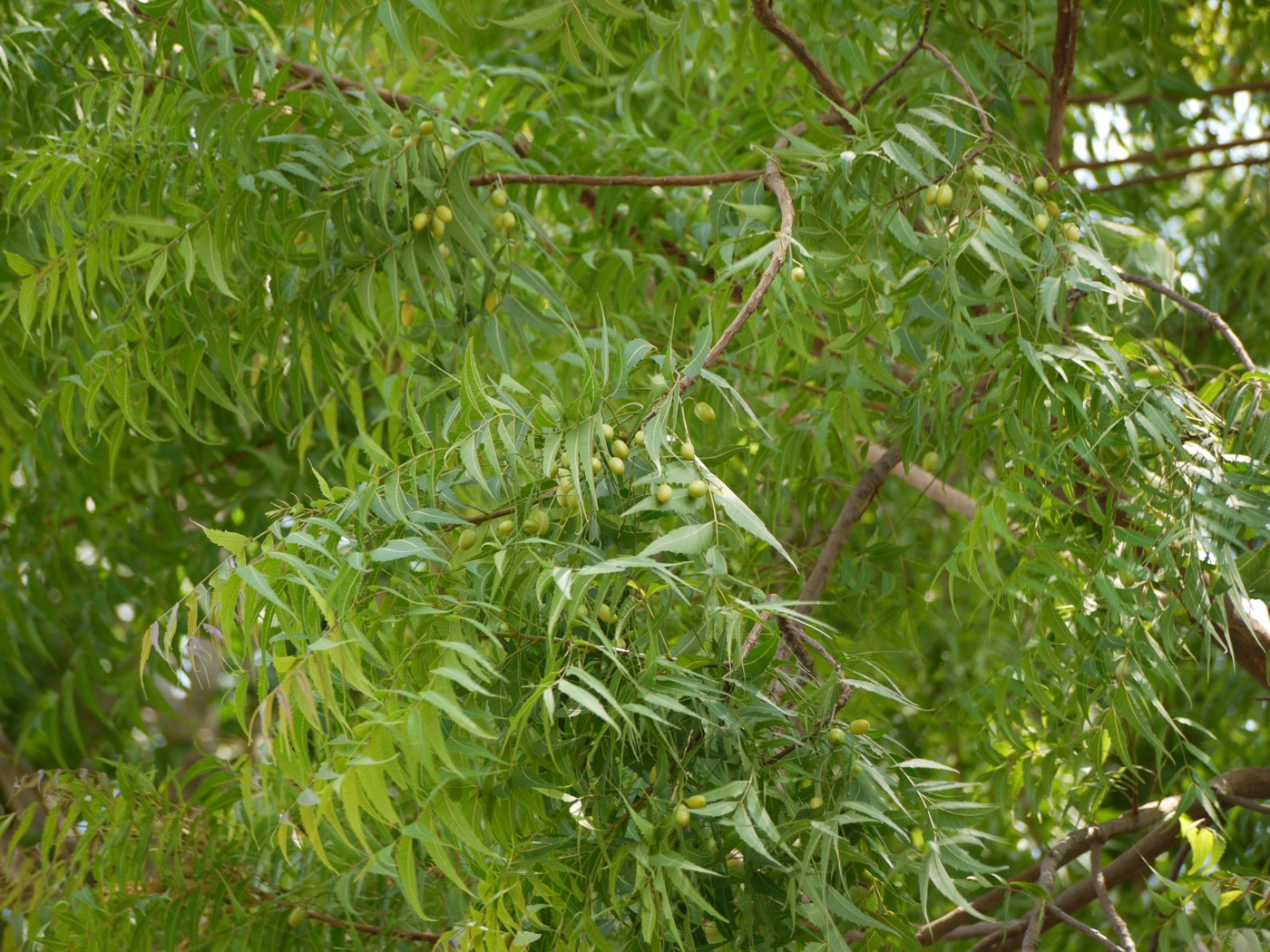
Neem extract (Azadirachta indica)
Neem leaf extract from Azadirachta indica, standardised to 5-10% bitters by gravimetry or supplied as 4:1 to 10:1 native ratio. Leaf-sourced, not seed. Vegan, allergen-free, organic and conventional.
Specifications
| Botanical source | Azadirachta indica A. Juss., family Meliaceae. Synonym Melia azadirachta L.; INCI name Melia azadirachta leaf extract. Hindi nim, Sanskrit nimba. |
| Plant part | Dried mature leaf. Seed, kernel and bark are separate articles of commerce and are not blended into this grade. |
| Standardisation | Bitters 5% or 10% by gravimetry. Native ratio grades 4:1, 5:1 and 10:1 to order; nimbin-referenced material on written specification. |
| Marker profile | Limonoid bitter principles including nimbin, salannin and nimbolide, with flavonoids and phenolics; profile fixed by HPTLC fingerprint. |
| Azadirachtin position | Leaf carries roughly 10-100 ppm azadirachtin against 200-900 ppm in kernel extracts. Azadirachtin-standardised material is a seed product, not this one. |
| Extraction | Water or aqueous ethanol; no chlorinated solvents. Residual solvents held to ICH Q3C Class 3 limits. |
| Appearance and odour | Green-brown to dark brown fine powder; markedly bitter taste and characteristic pungent green odour. |
| Solubility and particle size | Water dispersible, fully soluble in aqueous ethanol. NLT 95% passes 80 mesh; typical bulk density 0.35-0.55 g/mL. |
| Loss on drying and ash | LOD NMT 5.0% at 105 °C. Total ash NMT 6.0%; acid-insoluble ash NMT 2.0%. |
| Heavy metals and microbiology | Pb, As, Cd, Hg per USP <232> and AYUSH limits. TPC NMT 10,000 cfu/g; yeast and mould NMT 500 cfu/g; E. coli, Salmonella, S. aureus absent. |
| Pesticides and aflatoxin | EU MRL screen each lot. Total aflatoxin NMT 4 ppb, B1 NMT 2 ppb. Organic lots are wild-collected or grown without synthetic inputs. |
| Allergen status | No milk, egg, soy, fish, crustacean, cereal gluten, peanut or tree-nut source material. The neem fruit is a drupe, not a tree nut for labelling. |
| Origin and diet status | Indian origin, wholly plant-derived; vegan and vegetarian suitable. Non-GMO. EU novel-food status should be confirmed before placing on that market. |
| Shelf life | 24 months in sealed original packing below 25 °C, RH under 60%, protected from light. |
| HS code | 1302.19.16, extracts of neem |
Applications
Available grades
Bitters 5% and 10% by gravimetry; native ratio 4:1, 5:1 and 10:1. Conventional and certified organic (NPOP, NOP, EU). Kosher and halal on request. Cosmetic grade supplied against INCI Melia azadirachta leaf extract. Seed-derived azadirachtin concentrate is not offered under this product code.
Related products
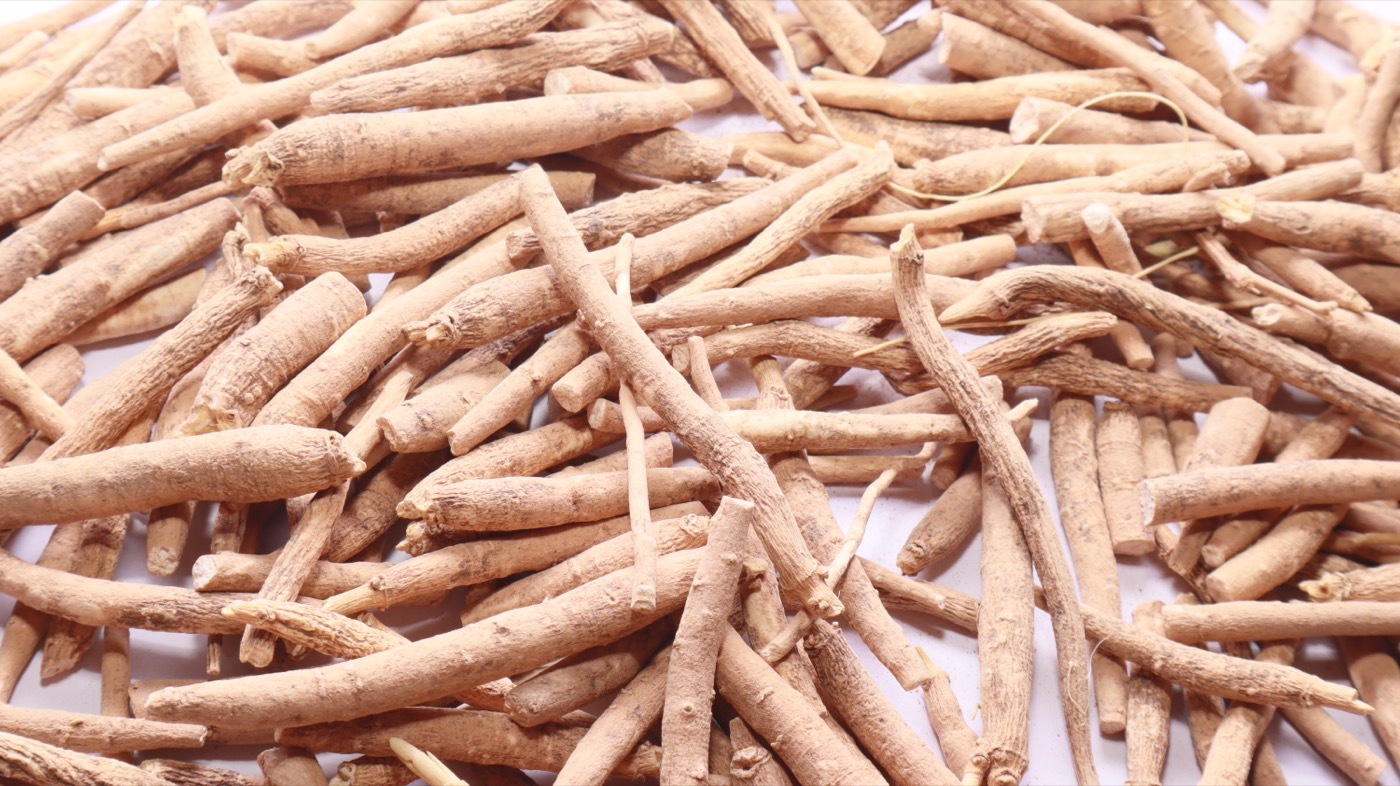
Ashwagandha Extract (Withania somnifera)
Hydro-alcoholic root extract of Withania somnifera standardised to 1.5–10% total withanolides by HPLC. Root-only material, vegan, bulk 25 kg export packing from India with batch COA.
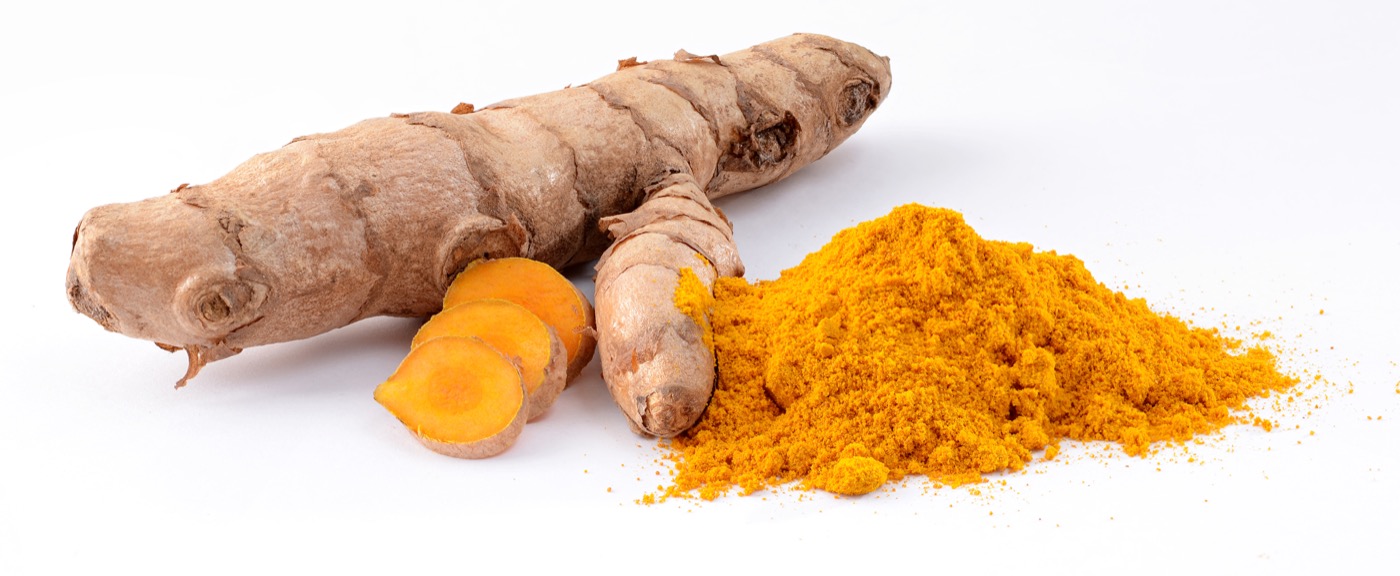
Turmeric Extract / Curcumin 95%
Purified Curcuma longa rhizome extract assaying NLT 95% total curcuminoids by HPLC, in USP curcumin / desmethoxy / bisdesmethoxy proportions. Orange-yellow crystalline powder, vegan.
Turmeric / Curcumin Extract
Standardized curcumin extract (up to 95% curcuminoids) for high-potency anti-inflammatory supplements.