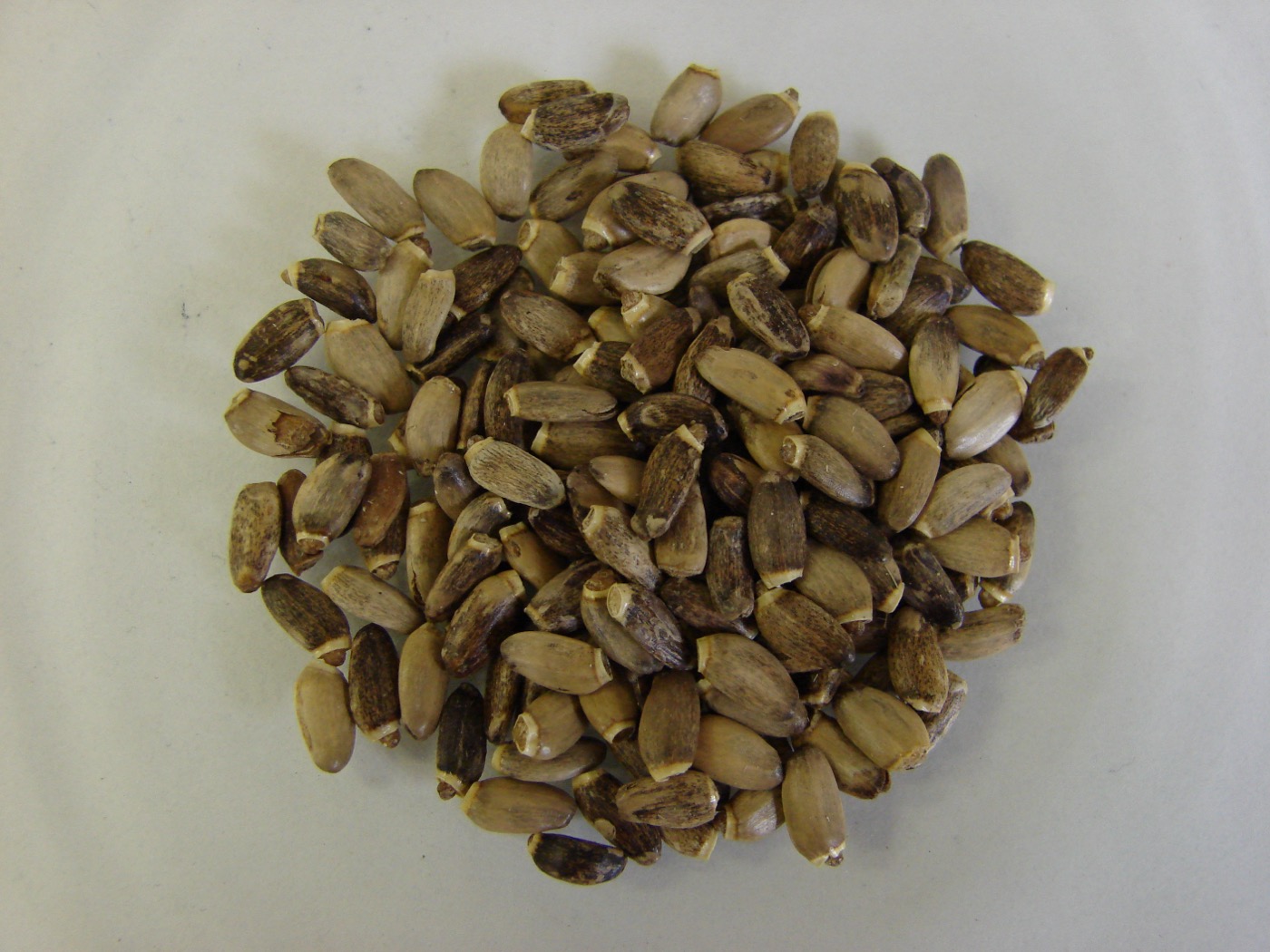
Milk Thistle Extract (Silymarin 80%)
De-fatted Silybum marianum fruit extract standardised to 80% silymarin by UV, expressed as silibinin. HPLC-assayed Ph. Eur. and USP grades also offered. Vegan, non-GMO, allergen-free.
Specifications
| Botanical identity | Silybum marianum (L.) Gaertn., family Asteraceae — ripe fruits (achenes), commonly traded as seed. De-hulled and de-fatted before extraction |
| Marker identity | Silymarin flavonolignan complex, CAS 65666-07-1, expressed as silibinin (silybin), C25H22O10, MW 482.4, PubChem CID 31553 |
| Standardisation | Silymarin NLT 80.0% expressed as silibinin, by UV spectrophotometry. Method stated on every CoA; a UV result is not interchangeable with an HPLC result |
| Pharmacopoeial grades | Ph. Eur. 2071 refined and standardised dry extract: nominal silymarin 30–65% m/m as silibinin, HPLC. USP: NLT 90.0%–NMT 110.0% of label, as silybin, dried basis |
| Flavonolignan profile (USP) | Within silymarin: silydianin + silychristin 20.0–45.0%; silybin A + silybin B 40.0–65.0%; isosilybin A + isosilybin B 10.0–20.0%. Full profile on request |
| Appearance | Light yellow to yellow-brown fine free-flowing powder, characteristic odour and slightly bitter taste; passes 80 mesh unless another cut is specified |
| Solubility | Poorly soluble in water; soluble in ethanol, methanol and acetone. Phospholipid-complexed and water-dispersible grades offered as separate articles |
| Extraction solvents | Food-grade ethanol, methanol, acetone or ethyl acetate after hexane de-fatting; residual solvents controlled to ICH Q3C Class 2 and Class 3 limits |
| Allergen status | Free of milk, egg, soy, fish, crustacean, mollusc, peanut, tree nut, sesame, mustard, celery, lupin and gluten. Name notwithstanding, contains no dairy |
| Origin and diet | Fruit/seed-derived. Vegan and vegetarian; not bovine, porcine, marine or dairy-derived. Non-GMO. Halal and kosher certification available |
| Purity limits | Loss on drying NMT 5.0%; sulphated ash NMT 5.0%; lead NMT 3 ppm, arsenic NMT 2 ppm, cadmium NMT 1 ppm, mercury NMT 0.1 ppm; pesticides to EU MRLs |
| Mycotoxins | Aflatoxin B1 NMT 2 µg/kg and total aflatoxins B1+B2+G1+G2 NMT 4 µg/kg; ochratoxin A NMT 10 µg/kg. Tested per lot on an oilseed-derived raw material |
| Microbiology | Total plate count NMT 10,000 cfu/g; yeast and mould NMT 100 cfu/g; E. coli, Salmonella and S. aureus absent in 10 g / 25 g as applicable |
| Shelf life and storage | 24 months from manufacture in sealed original packaging below 25 °C, protected from light, air and moisture. Hygroscopic; reseal opened liners promptly |
| HS code | 1302.19 (13021919) |
Applications
Available grades
Silymarin NLT 80% by UV (commodity standard); Ph. Eur. 2071 refined and standardised dry extract, HPLC-assayed at a declared 30–65% nominal silymarin; USP Powdered Milk Thistle Extract grade with declared label claim; ratio-controlled grades meeting the USP flavonolignan proportions; silybin-enriched and phospholipid-complexed grades; water-dispersible and granulated direct-compression grades; organic-certified (NOP/EU) material. Purified silibinin is offered as a separate chemical article.
Related products
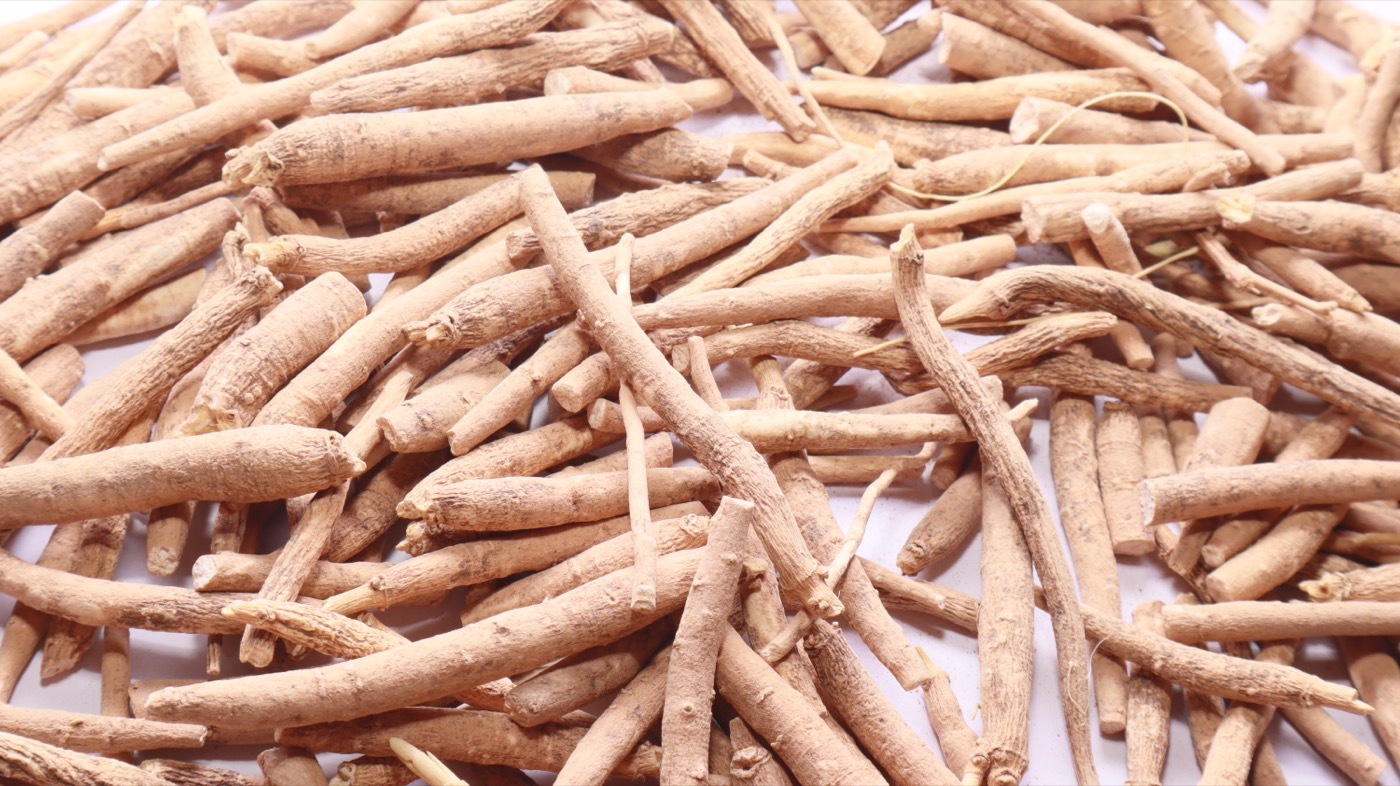
Ashwagandha Extract (Withania somnifera)
Hydro-alcoholic root extract of Withania somnifera standardised to 1.5–10% total withanolides by HPLC. Root-only material, vegan, bulk 25 kg export packing from India with batch COA.
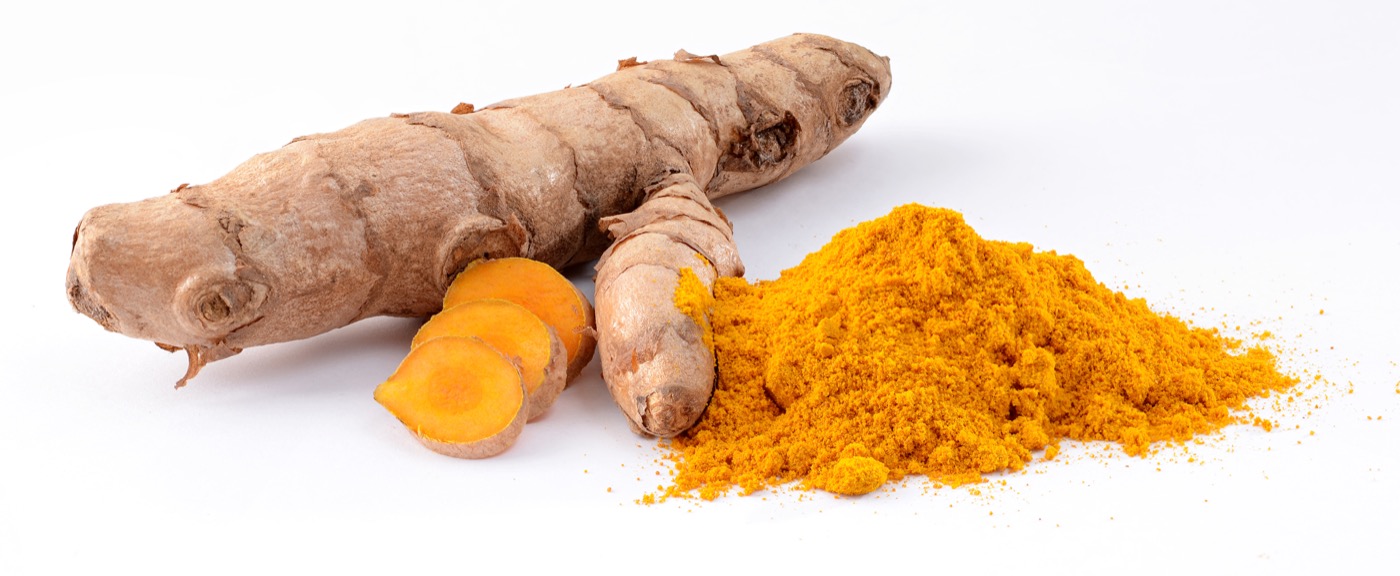
Turmeric Extract / Curcumin 95%
Purified Curcuma longa rhizome extract assaying NLT 95% total curcuminoids by HPLC, in USP curcumin / desmethoxy / bisdesmethoxy proportions. Orange-yellow crystalline powder, vegan.
Turmeric / Curcumin Extract
Standardized curcumin extract (up to 95% curcuminoids) for high-potency anti-inflammatory supplements.