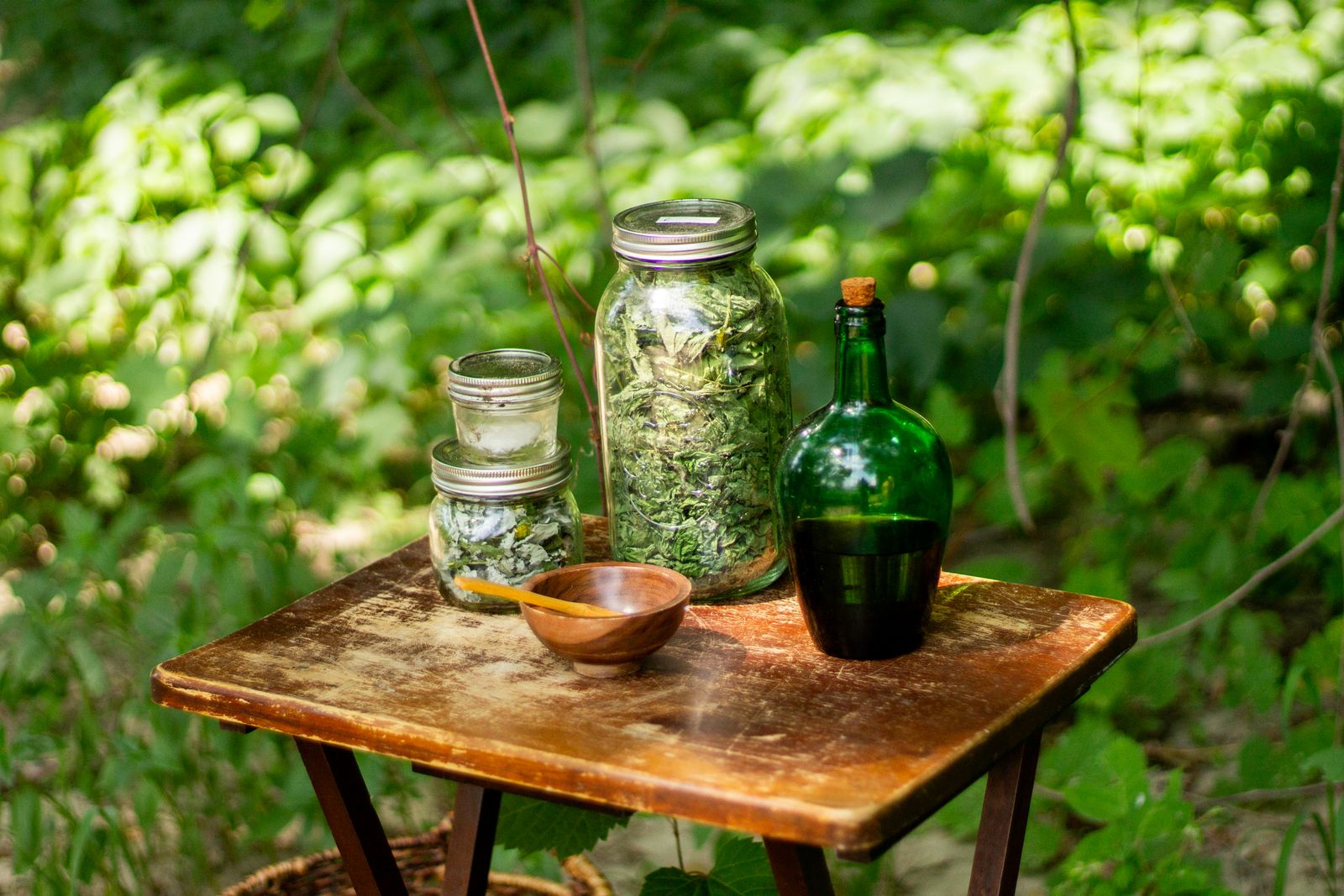
Marigold Extract (Lutein)
Lutein from Indian-grown Tagetes erecta petal, as ester-form oleoresin, saponified free-lutein concentrate or formulated beadlet and cold-water-dispersible powder.
Specifications
| Botanical identity | Tagetes erecta L., family Asteraceae. African or Aztec marigold, grown at scale in India. Dried and pelleted flower petal is the extraction input |
| Principal carotenoid | Lutein, CAS 127-40-2, C40H56O2, molecular weight 568.9 g/mol. A dihydroxy xanthophyll; food colour E 161b (INS 161b) |
| Co-occurring xanthophyll | Zeaxanthin, CAS 144-68-3, same C40H56O2 formula and MW 568.9, differing from lutein only in the placement of one double bond. Food colour E 161h |
| Native chemical form | In the petal the xanthophylls are present as fatty-acid mono- and di-esters, not as free lutein. Ester-form oleoresin is the starting material for saponified free-lutein grades |
| Assay basis (read this) | Ester and free-lutein assays are not interchangeable: an ester figure converts to a materially lower free-lutein equivalent. Fix the basis and the HPLC method in the specification |
| Standardisation | Ester-form oleoresin to agreed xanthophyll ester content; saponified free lutein 70%, 75%, 80%+ total carotenoid; formulated 5%, 10%, 20% beadlet, CWS powder and oil suspension |
| Lutein to zeaxanthin ratio | Set to order and stated on the specification. Both isomers derive from the same petal; ratio grades are produced by controlled blending of purified fractions |
| Appearance | Oleoresin: dark orange-red viscous paste. Purified powder: orange to dark red-orange fine powder. Beadlets: orange to reddish free-flowing spheres |
| Solubility | Practically insoluble in water; soluble in oils, tetrahydrofuran and chlorinated solvents. Cold-water-dispersible grades disperse, they do not dissolve |
| Stability | Light, oxygen, heat and trace-metal sensitive. Formulated grades rely on their antioxidant and matrix system; foil or blister packing and cool storage are part of the specification |
| Matrix and diet status | Critical: gelatin-matrix beadlets are bovine or porcine, so neither vegan nor vegetarian. Specify a starch or gum acacia matrix for vegan, halal-sensitive and Jain or Hindu lines |
| Allergen status | Free of milk, egg, soy, fish, crustacean, mollusc, peanut, tree nut, sesame, mustard, celery, lupin and gluten. Asteraceae botanical: not regulated; flagged for Compositae buyers |
| Typical purity limits | Lead NMT 3 ppm; arsenic NMT 1 ppm; cadmium NMT 1 ppm; mercury NMT 0.1 ppm; residual solvent to the agreed limit. Total plate count NMT 1,000 cfu/g; Salmonella and E. coli absent |
| Shelf life and storage | 24 months for beadlets and purified powder in unopened original packing below 25 °C, dry, away from light. Oleoresin 12–18 months refrigerated. Nitrogen headspace on request |
| HS code | 3203.00 (32030020) |
Applications
Available grades
Ester-form marigold oleoresin for feed pigmentation and colouring. Saponified free-lutein concentrate at 70%, 75% and 80%+ total carotenoid. Formulated supplement grades: 5% and 10% beadlet, 10% and 20% cold-water-dispersible powder, 20% oil suspension in safflower or sunflower oil. Lutein-to-zeaxanthin ratio grades to order. Vegan starch or gum acacia matrix as an alternative to gelatin beadlets. Feed grade quoted separately from food and supplement grade.
Related products
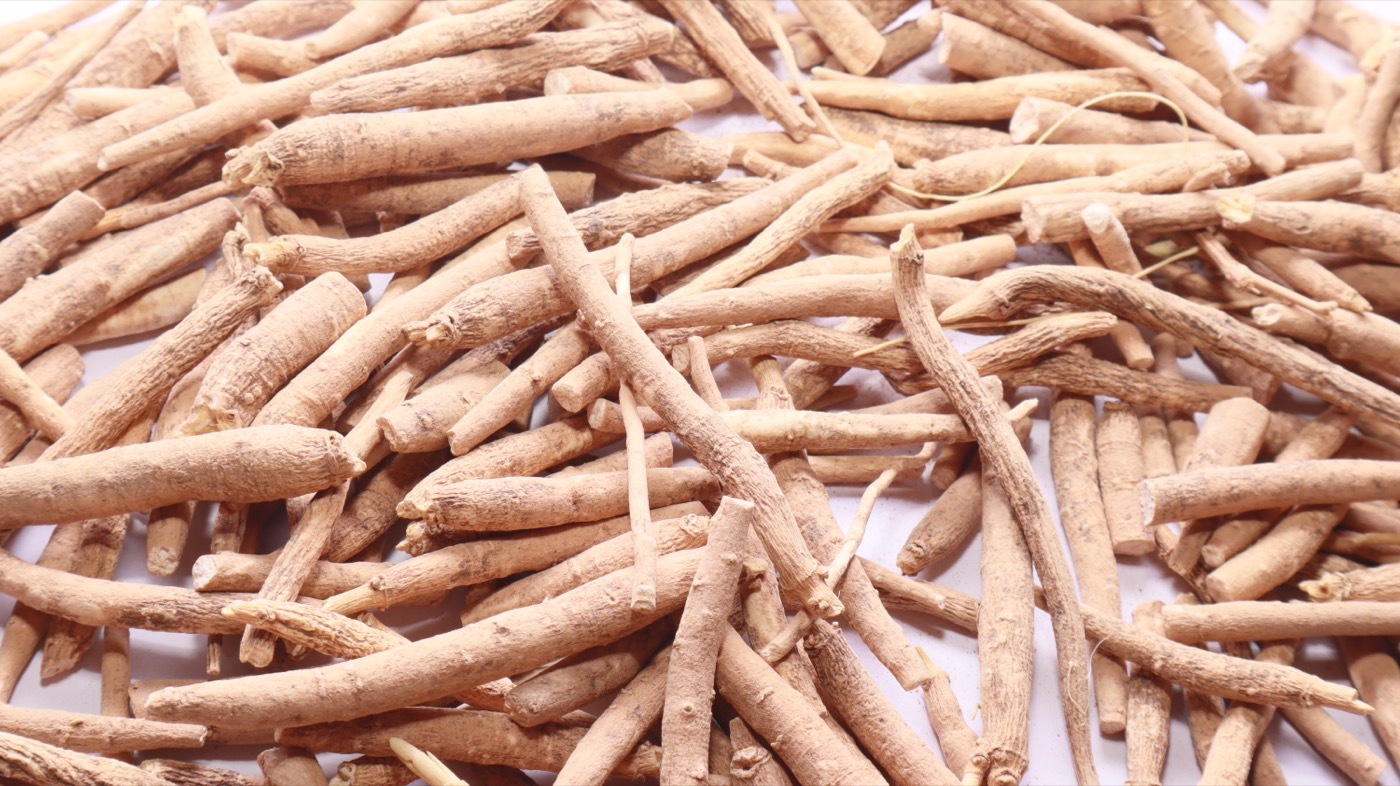
Ashwagandha Extract (Withania somnifera)
Hydro-alcoholic root extract of Withania somnifera standardised to 1.5–10% total withanolides by HPLC. Root-only material, vegan, bulk 25 kg export packing from India with batch COA.
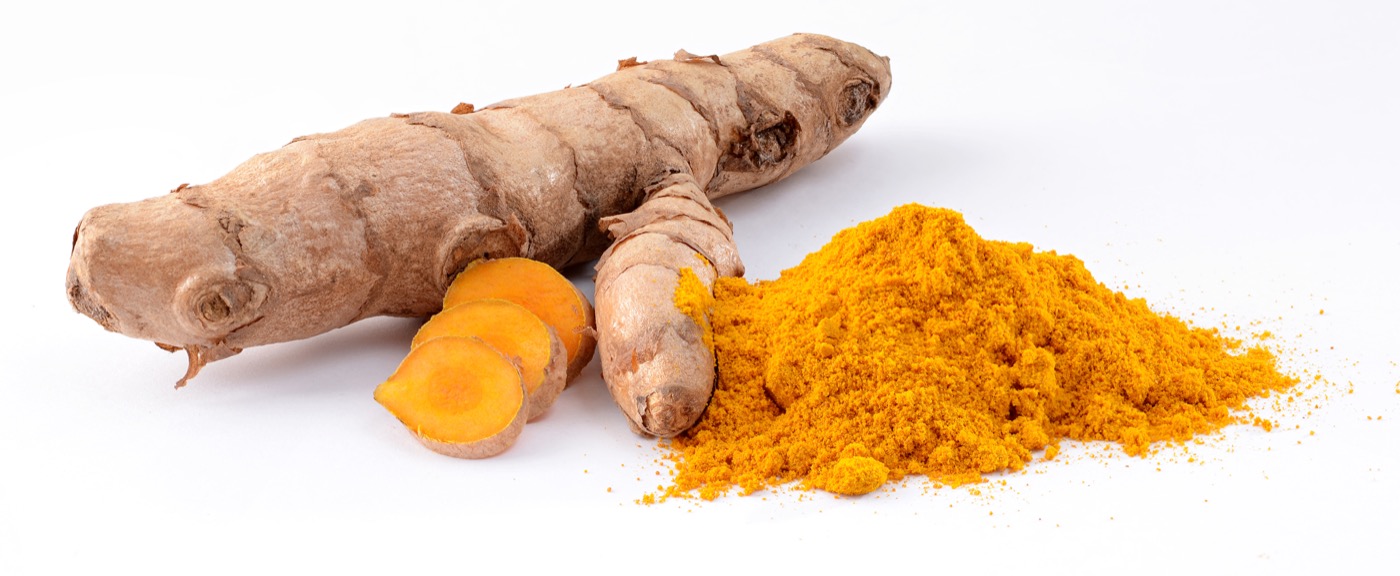
Turmeric Extract / Curcumin 95%
Purified Curcuma longa rhizome extract assaying NLT 95% total curcuminoids by HPLC, in USP curcumin / desmethoxy / bisdesmethoxy proportions. Orange-yellow crystalline powder, vegan.
Turmeric / Curcumin Extract
Standardized curcumin extract (up to 95% curcuminoids) for high-potency anti-inflammatory supplements.