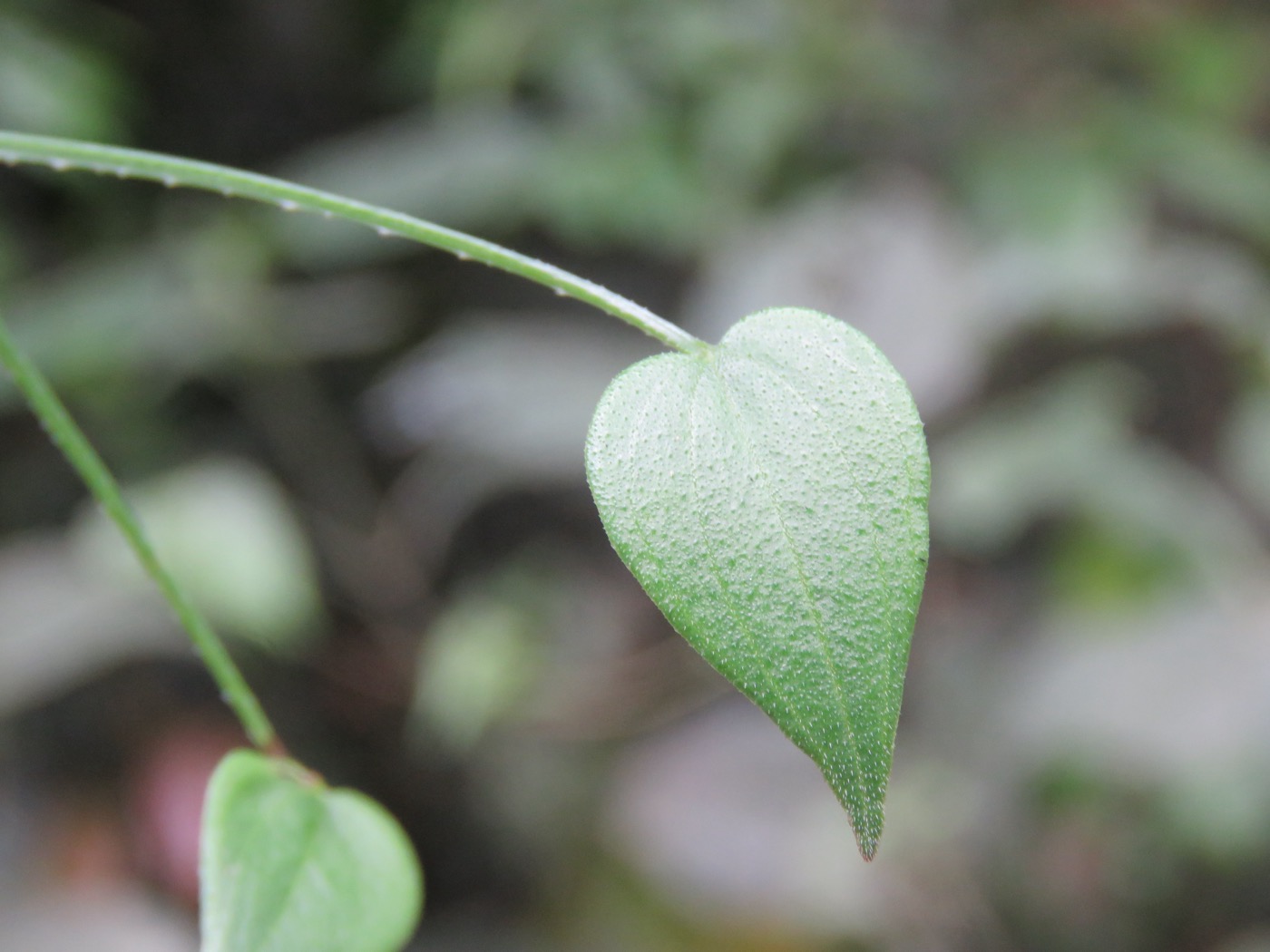
Manjistha extract (Rubia cordifolia)
Root extract of Rubia cordifolia, Indian madder, supplied as a 5:1 to 10:1 native ratio powder or standardised on tannins and anthraquinone markers. Vegan, allergen-free, bulk from India.
Specifications
| Botanical identity | Rubia cordifolia L., family Rubiaceae. Ayurvedic drug Manjishtha; trade names Indian madder, manjith, manjishtha. |
| Plant part | Dried root and root-bark only. Stem and aerial material excluded; INCI treats root extract and stem extract as separate ingredients. |
| Extract identifiers | INCI Rubia Cordifolia Root Extract; CAS 91845-24-8; EINECS 295-195-4; CosIng ref 59427. Applies to the extract, not to a single compound. |
| Standardisation | Native ratio 5:1, 8:1 or 10:1; tannins 15% by titration; or anthraquinone-marker grades (total anthraquinones, purpurin, munjistin) by HPLC or UV. |
| Characteristic markers | Purpurin CAS 81-54-9 (C14H8O5), munjistin, alizarin CAS 72-48-0 (C14H8O4), rubiadin, mollugin; cyclic hexapeptides also reported in the root. |
| Appearance and odour | Free-flowing reddish-brown to deep red-brown powder with a faint characteristic odour. Pigments will tint capsules, coatings and pale bases. |
| Extraction and solubility | Water or hydro-alcoholic (ethanol/water) extraction, solvent stated on the CoA. Soluble in 50% ethanol; water grades cold-water dispersible with slight haze. |
| Particle size and carrier | Not less than 95% through 80 mesh. Carrier-free, or on maize maltodextrin, gum arabic or rice hull to specification; carrier declared for labelling. |
| Loss on drying and ash | Loss on drying not more than 5.0%. Total ash not more than 5.0%. Bulk density typically 0.35–0.55 g/mL. |
| Heavy metals | To API and AYUSH limits: lead NMT 10 ppm, arsenic NMT 3 ppm, cadmium NMT 0.3 ppm, mercury NMT 1 ppm. Tighter export limits available on request. |
| Microbiology | Total plate count NMT 10,000 cfu/g; yeast and mould NMT 1,000 cfu/g; E. coli and Salmonella absent per 10 g. Irradiation status declared per lot. |
| Allergen and dietary status | Vegan and vegetarian. No milk, egg, soy, fish, crustacean, gluten, sesame, peanut or tree nut in material or process. Non-bovine, non-porcine, non-marine, non-GM. |
| Shelf life and storage | 36 months from manufacture in unopened original packing. Store below 25 °C, under 60% RH, away from direct light and moisture. |
| HS code | 13021919 (India ITC-HS): vegetable saps and extracts — other — extracts — other. Confirm with the importing customs authority. |
Applications
Available grades
Native ratio 5:1, 8:1 and 10:1; tannins 15%; anthraquinone-marker grades standardised on total anthraquinones, purpurin or munjistin to buyer specification. Water-soluble and hydro-alcoholic versions. Carrier-free or maltodextrin-carried, spray-dried or granulated. Conventional and certified organic (NOP and EU). Raw manjistha root powder at 80 mesh also available.
Related products
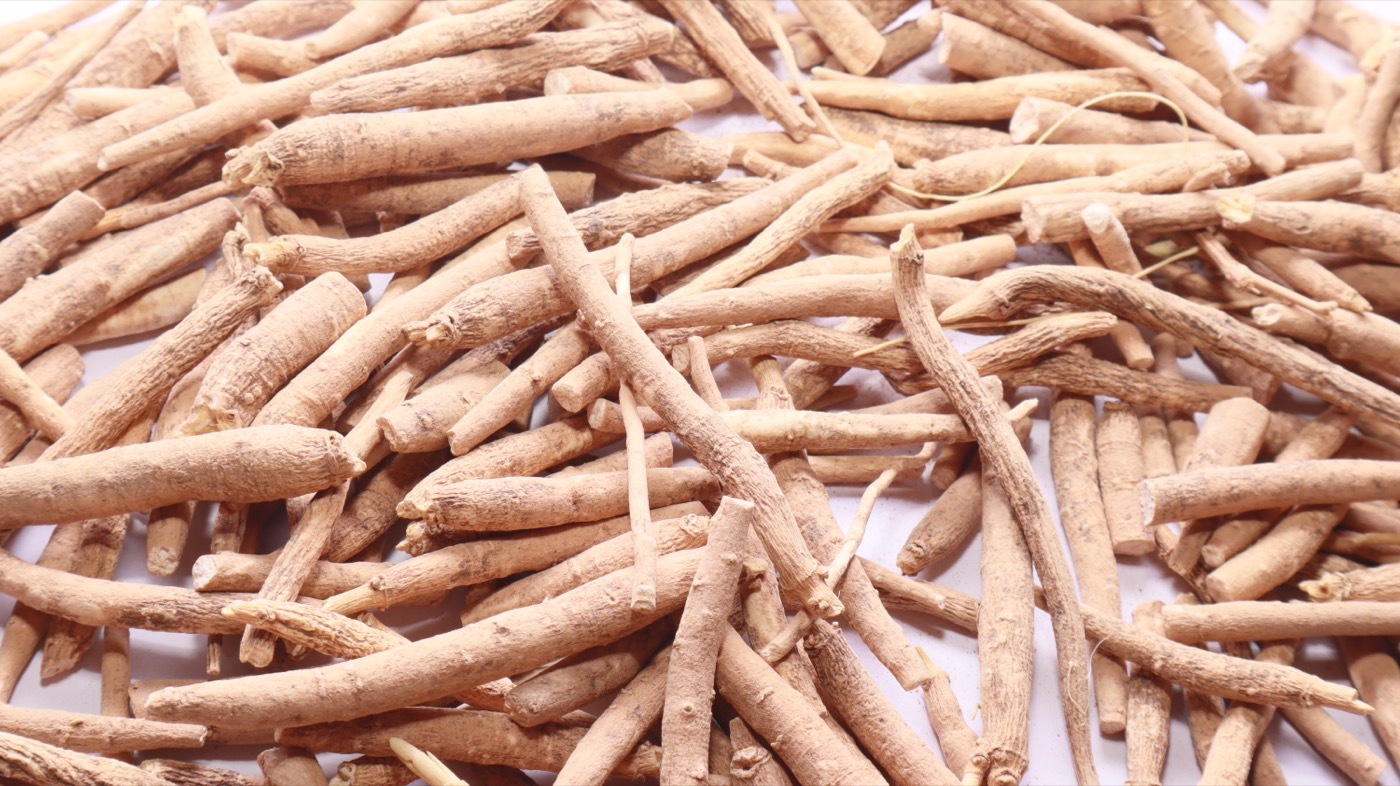
Ashwagandha Extract (Withania somnifera)
Hydro-alcoholic root extract of Withania somnifera standardised to 1.5–10% total withanolides by HPLC. Root-only material, vegan, bulk 25 kg export packing from India with batch COA.
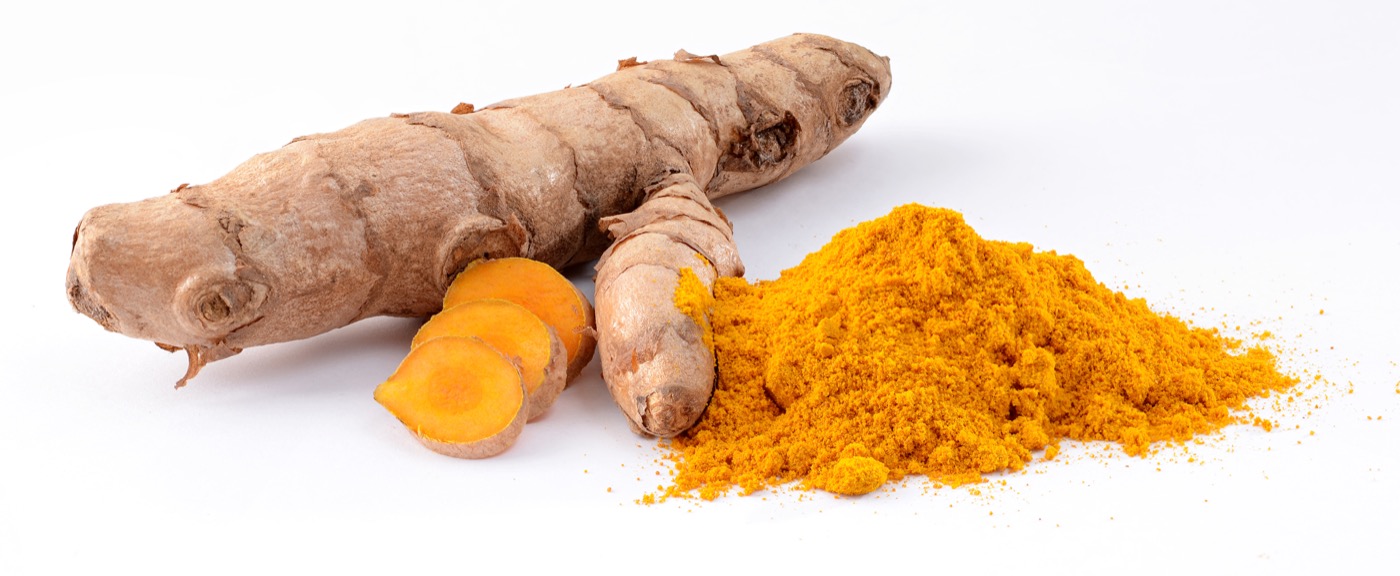
Turmeric Extract / Curcumin 95%
Purified Curcuma longa rhizome extract assaying NLT 95% total curcuminoids by HPLC, in USP curcumin / desmethoxy / bisdesmethoxy proportions. Orange-yellow crystalline powder, vegan.
Turmeric / Curcumin Extract
Standardized curcumin extract (up to 95% curcuminoids) for high-potency anti-inflammatory supplements.