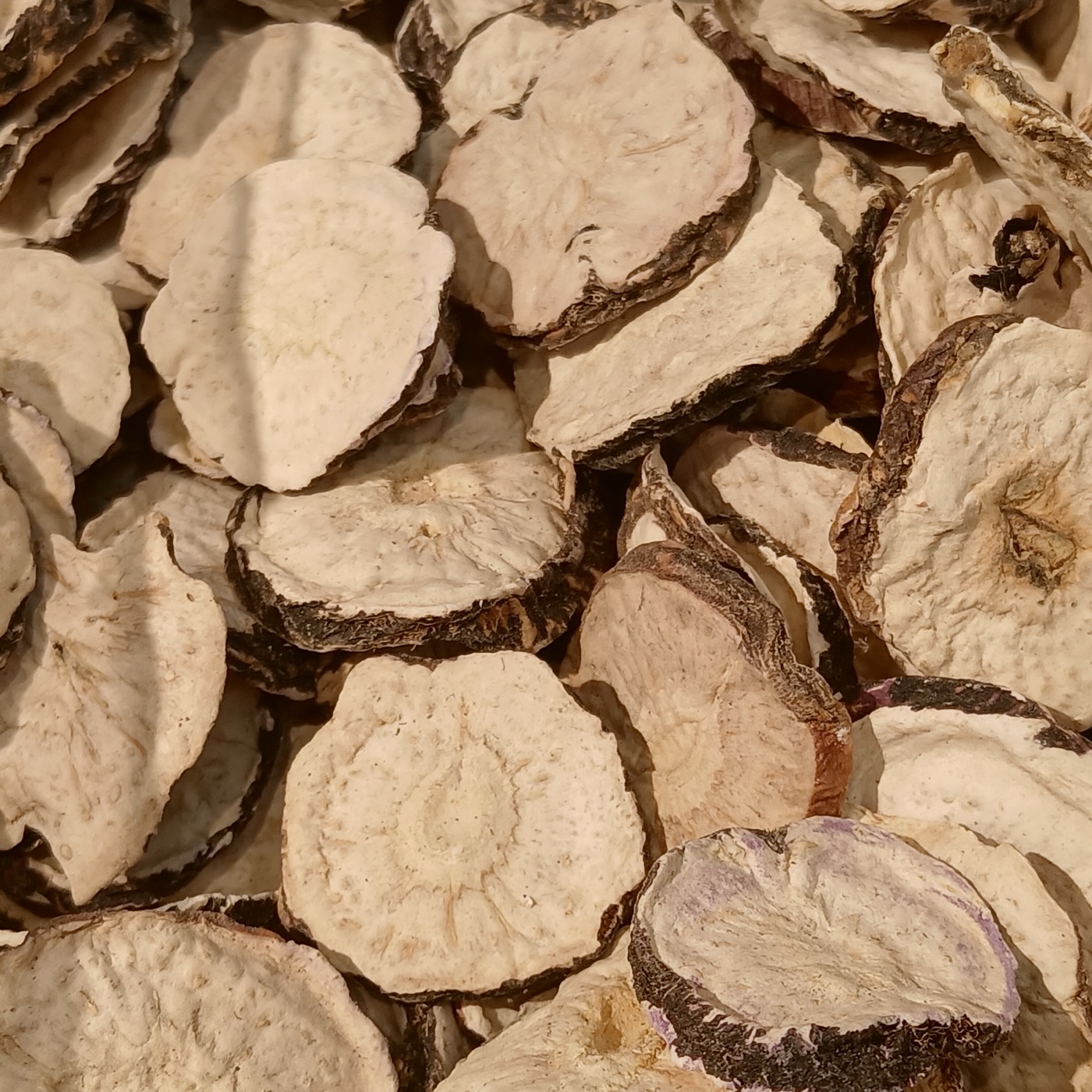
Maca Root Extract
Andean maca hypocotyl extract standardised on glucosinolates or on macamides and macaenes by HPLC, also supplied as 4:1 and 10:1 native ratio powder. Vegan, carrier options on request.
Specifications
| Botanical source | Lepidium meyenii Walp., family Brassicaceae; cultivated maca is also treated taxonomically as Lepidium peruvianum Chacon |
| Plant part | Dried hypocotyl (the swollen root-like storage organ); yellow, red or black ecotype selected at order and declared on the CoA |
| Origin | Peruvian central Andes, Junin and Pasco plateau; extract manufactured in India from imported dried hypocotyl |
| Standardisation options | Total glucosinolates NLT 0.6% by HPLC, or macamides + macaenes NLT 0.5% / 0.6% by HPLC. State the marker family at enquiry — they are not equivalent |
| Native ratio grades | 4:1 and 10:1 water or hydro-alcoholic extracts supplied against declared drug-to-extract ratio where no marker assay is required |
| Marker chemistry | Glucotropaeolin (benzyl glucosinolate) is the dominant glucosinolate, around 80–90% of the total; macamides are N-benzyl fatty acid amides unique to maca |
| Appearance and organoleptics | Free-flowing light brown to tan powder, characteristic malty odour and taste |
| Solubility and particle size | Water-dispersible; NLT 95% through 80 mesh as standard, finer cuts on request |
| Carrier | Maize-derived maltodextrin where dilution to a declared assay is required; carrier-free native extract available on request |
| Loss on drying | NMT 5.0% |
| Heavy metals | Lead NMT 3 ppm, arsenic NMT 2 ppm, cadmium NMT 1 ppm, mercury NMT 0.1 ppm |
| Microbiology | Total plate count NMT 10,000 cfu/g; yeast and mould NMT 500 cfu/g; E. coli and Salmonella absent |
| Allergen and diet status | Vegan and vegetarian. No milk, egg, soy, fish, crustacean, peanut, tree nut or gluten source. Naturally contains brassica glucosinolates |
| Shelf life and storage | 24 months from manufacture in unopened original packaging, stored cool, dry and away from direct light |
| HS code | 1302.19 (13021919) |
Applications
Available grades
0.6% glucosinolates (HPLC); 0.5% macamides (HPLC); 0.6% macamides and macaenes (HPLC); 4:1 native ratio extract; 10:1 native ratio extract. Yellow, red or black ecotype. Carrier-free or maltodextrin-carried. Food grade and nutraceutical grade.
Related products
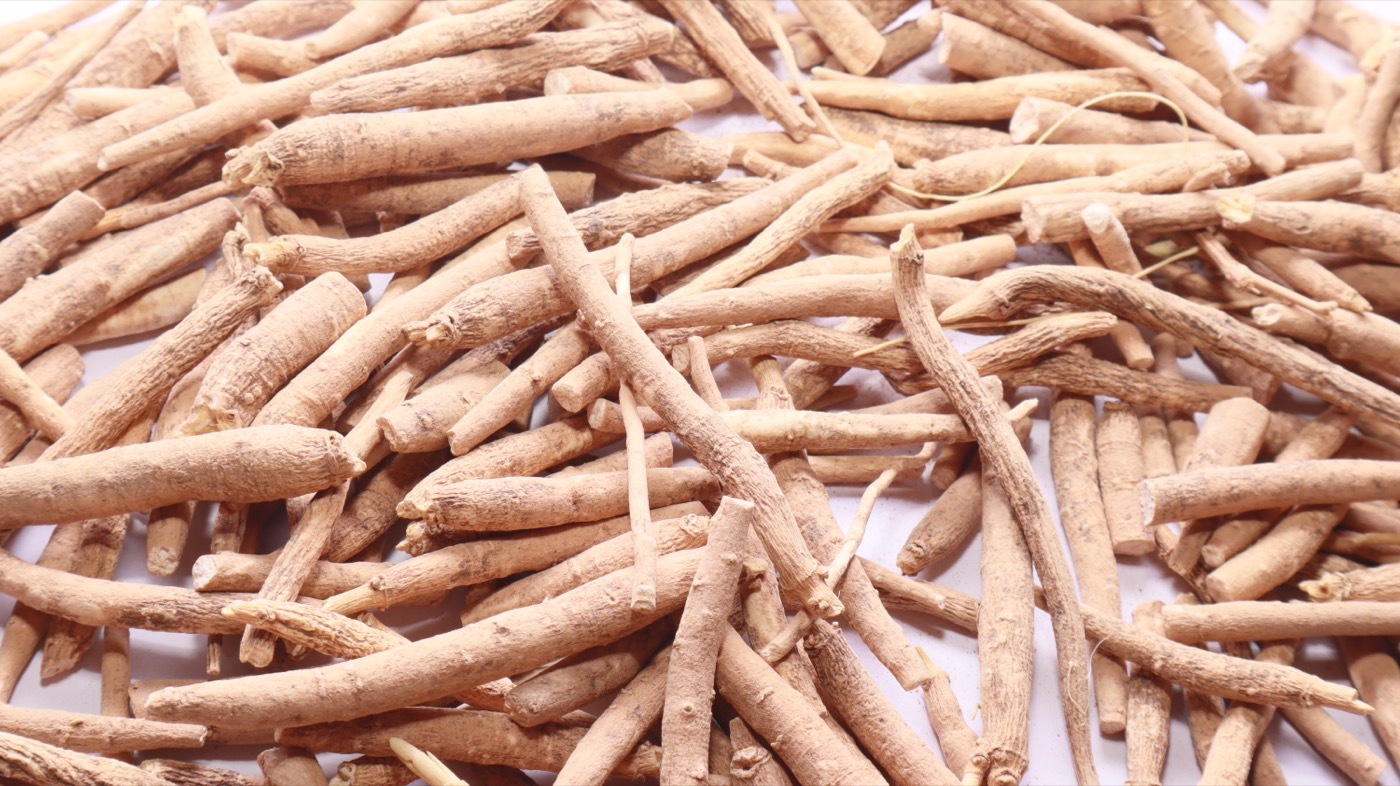
Ashwagandha Extract (Withania somnifera)
Hydro-alcoholic root extract of Withania somnifera standardised to 1.5–10% total withanolides by HPLC. Root-only material, vegan, bulk 25 kg export packing from India with batch COA.
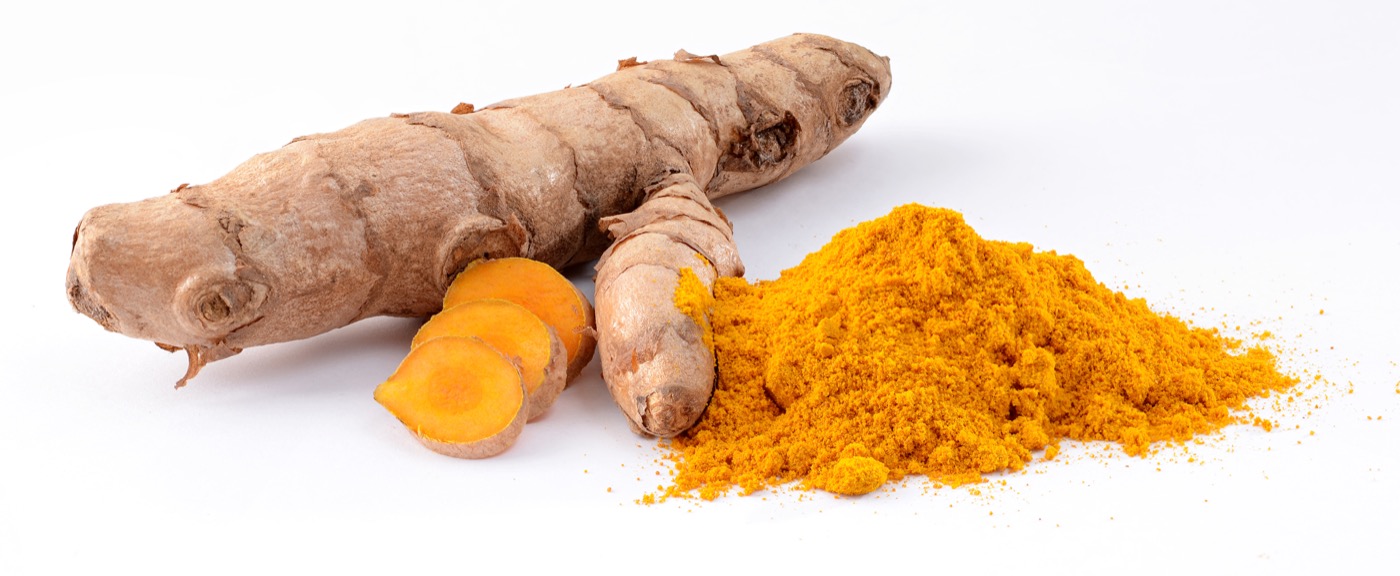
Turmeric Extract / Curcumin 95%
Purified Curcuma longa rhizome extract assaying NLT 95% total curcuminoids by HPLC, in USP curcumin / desmethoxy / bisdesmethoxy proportions. Orange-yellow crystalline powder, vegan.
Turmeric / Curcumin Extract
Standardized curcumin extract (up to 95% curcuminoids) for high-potency anti-inflammatory supplements.