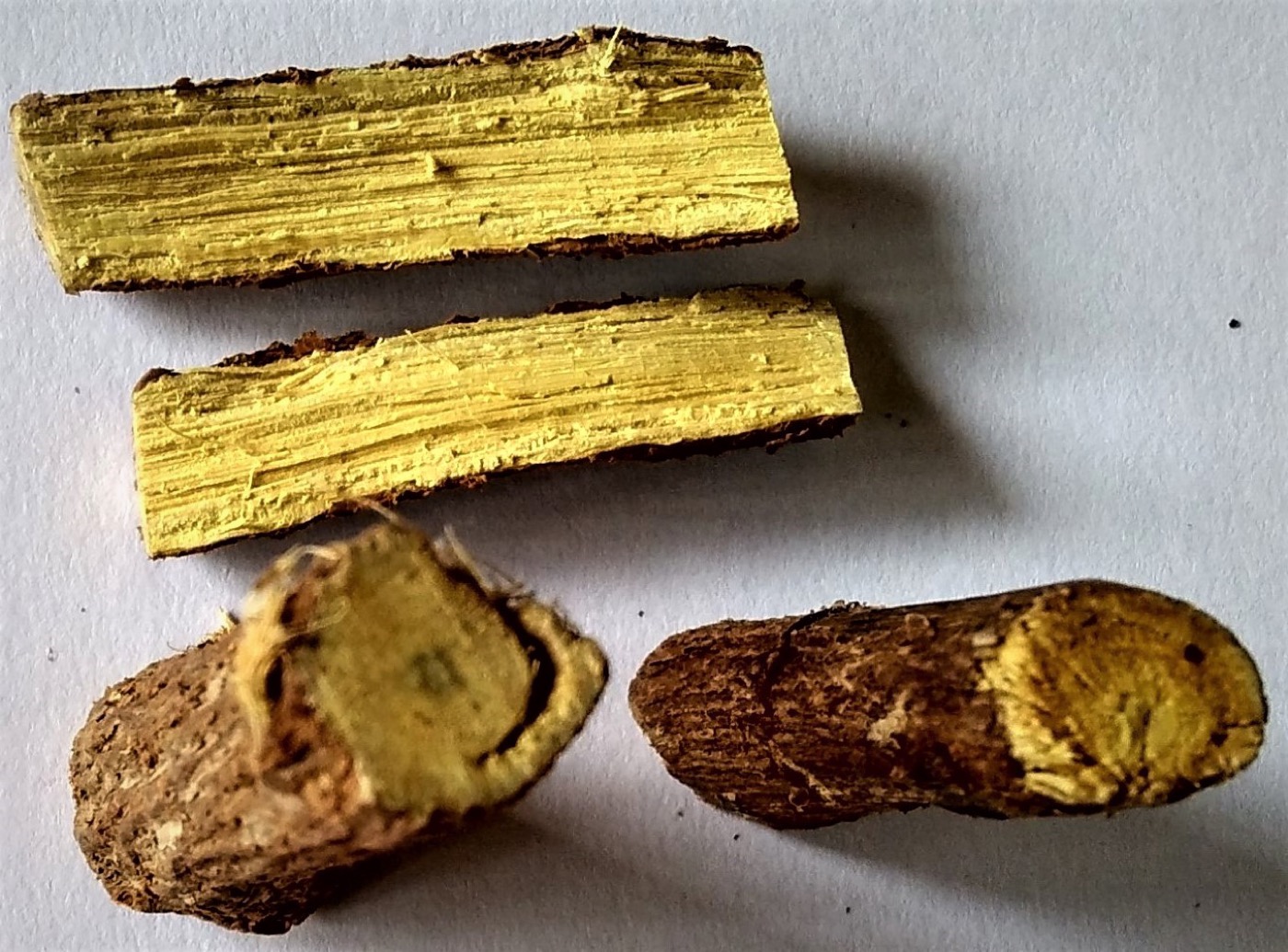
Licorice extract (Glycyrrhiza glabra)
Spray-dried Glycyrrhiza glabra root extract in water-soluble glycyrrhizin grades from 5 to 25 percent and ethanol-soluble glabridin grades from 10 to 40 percent, for flavour, confectionery and supplement use.
Specifications
| Botanical source | Glycyrrhiza glabra L., family Fabaceae; dried root and stolons. Known as mulethi, Yashtimadhu. Ph. Eur. Liquiritiae radix also admits G. inflata and G. uralensis. |
| Raw material origin | Root predominantly imported from Afghanistan and Central Asia (Uzbekistan, Turkmenistan). Extraction, drying and packing in India. Root origin stated per lot. |
| Root potency reference | Ph. Eur. liquorice root requires NLT 4.0% 18-beta-glycyrrhizic acid on the dried drug; commercial root typically assays 2-15%. |
| Marker compounds | Glycyrrhizic acid (glycyrrhizin), CAS 1405-86-3, C42H62O16, Mr 823, the chief sweet-tasting constituent. Glabridin, CAS 59870-68-7, for lipophilic grades. |
| Water-soluble standardisation | Glycyrrhizin 5%, 10%, 12%, 20% or 25% by HPLC, from water or hydroalcoholic extraction. Assay method stated on the CoA. |
| Lipophilic standardisation | Glabridin 10%, 20% or 40% by HPLC, from ethanol and ethyl acetate extraction. Glabridin melts at 154-155 degrees C and is insoluble in cold and hot water. |
| Appearance and organoleptics | Fine free-flowing powder, yellow-brown to dark brown. Sweet characteristic licorice taste and odour. Identity by FTIR. |
| Solubility | Glycyrrhizin grades: soluble or dispersible in water, NLT 90% water solubility typical (USP <561>). Glabridin grades: ethanol- and oil-soluble, water-insoluble. |
| pH and density | pH 5-7 in 1% aqueous solution (USP <791>). Bulk density 0.40-0.80 g/mL, tap density 0.50-0.90 g/mL (USP <616>). |
| Particle size, LOD, ash | 100% passes through 40 mesh (USP <786>); loss on drying NMT 6.0% (USP <731>); total ash NMT 6.0%. |
| Heavy metals | Total heavy metals NMT 10 ppm; lead NMT 1 ppm; arsenic NMT 1 ppm; cadmium NMT 1 ppm; mercury NMT 0.1 ppm, by ICP-MS or AAS. |
| Microbiology | Total plate count NMT 5,000 cfu/g; yeast and mould NMT 100 cfu/g; Salmonella, E. coli and S. aureus absent in 10 g (USP <2021>/<2022>). |
| Allergen and diet status | Vegan and vegetarian. Fabaceae by botany but not soy or peanut, so not declarable under EU FIC Annex II or US FALCPA. No milk, egg, fish, crustacean, gluten or nut. |
| US and EU status | GRAS under 21 CFR 184.1408. EU FIC 1169/2011 Annex III 'contains liquorice' wording applies above 4 g/kg in confectionery, 50 mg/L in beverages; EU SCF advises max 100 mg/day. |
| HS code | 1302.12 (13021200) |
Applications
Available grades
Water-soluble glycyrrhizin 5%, 10%, 12%, 20% and 25% by HPLC. Ethanol-soluble glabridin 10%, 20% and 40% by HPLC. Native ratio extracts 4:1 and 10:1. Carrier-free or maltodextrin-carried. Conventional and certified organic (NPOP, NOP, EU). Kosher and Halal available. Food, nutraceutical and cosmetic grade.
Related products
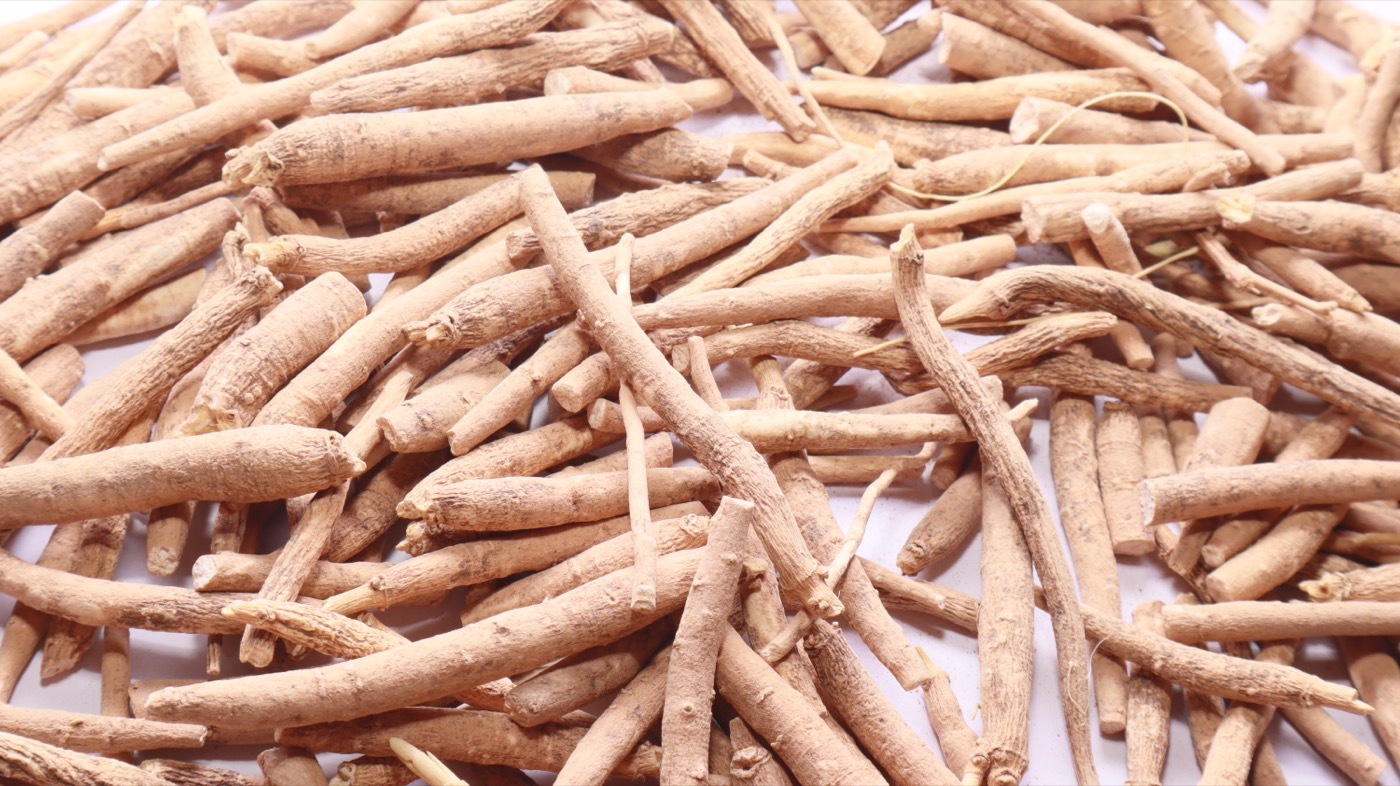
Ashwagandha Extract (Withania somnifera)
Hydro-alcoholic root extract of Withania somnifera standardised to 1.5–10% total withanolides by HPLC. Root-only material, vegan, bulk 25 kg export packing from India with batch COA.
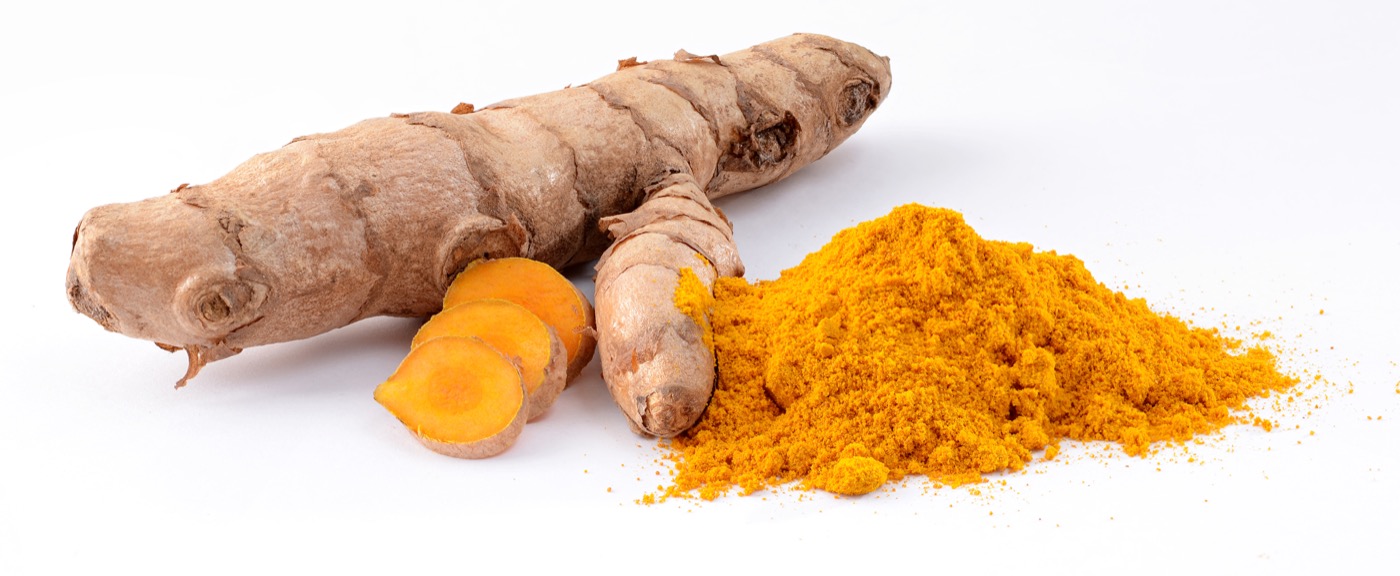
Turmeric Extract / Curcumin 95%
Purified Curcuma longa rhizome extract assaying NLT 95% total curcuminoids by HPLC, in USP curcumin / desmethoxy / bisdesmethoxy proportions. Orange-yellow crystalline powder, vegan.
Turmeric / Curcumin Extract
Standardized curcumin extract (up to 95% curcuminoids) for high-potency anti-inflammatory supplements.