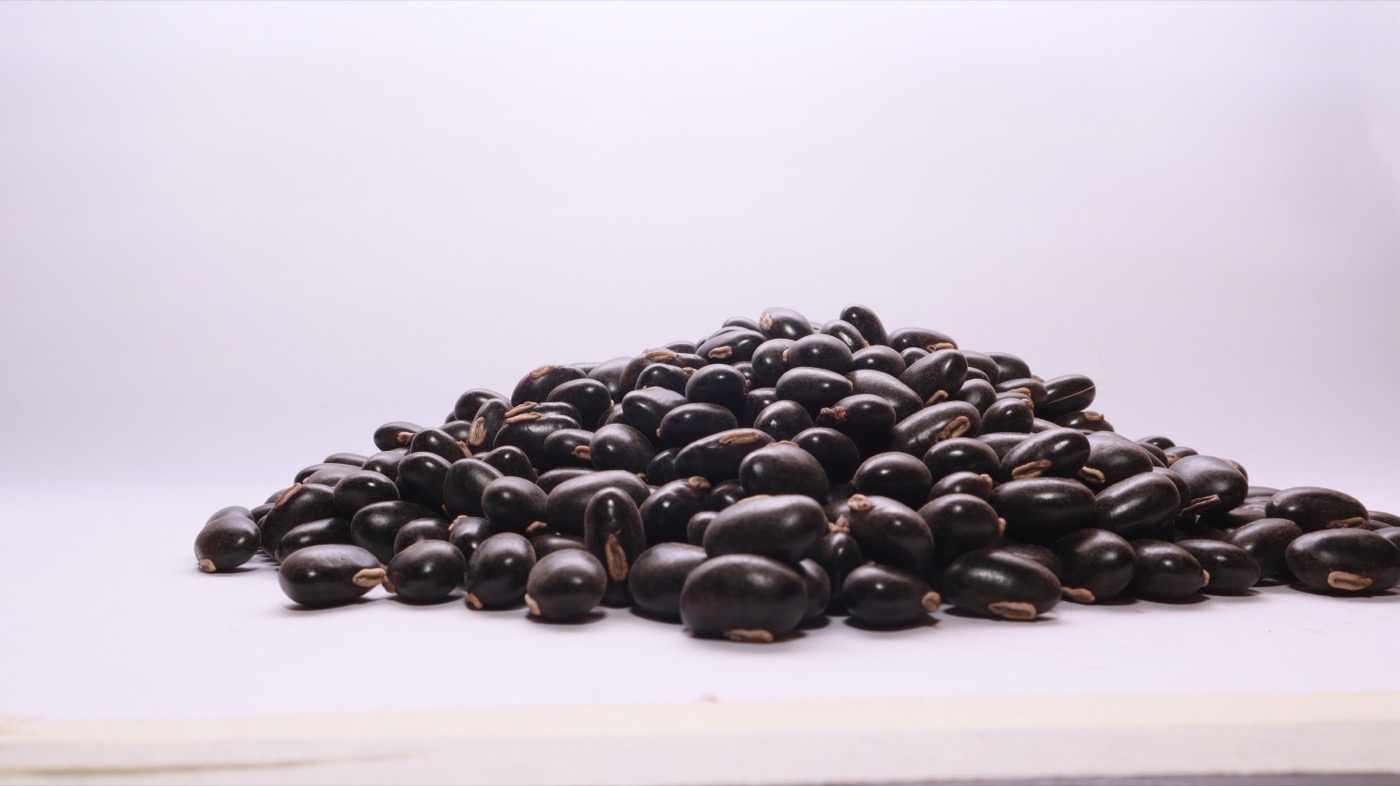
Kaunch Beej Extract (Mucuna pruriens)
Dehulled Mucuna pruriens seed extract standardised to 10%, 15%, 20% or 40% L-Dopa by HPLC. Vegan legume-derived, HPTLC-identified, with market-restriction guidance supplied per lot.
Specifications
| Botanical source | Mucuna pruriens (L.) DC., family Fabaceae; dried mature seed, dehulled before extraction. Pods and trichomes excluded at intake. |
| Trade and Ayurvedic names | Kaunch beej, kapikacchu, atmagupta, cowhage, velvet bean, Bengal bean. |
| Assay / standardisation | L-Dopa 10%, 15%, 20% or 40% w/w by HPLC-UV against a levodopa reference standard. 60% grade made to order on written specification. |
| Marker compound | L-Dopa (levodopa), CAS 59-92-7, C9H11NO4, MW 197.19, PubChem CID 6047. Raw dried seed carries roughly 4–7% L-Dopa. |
| Identity and authenticity | HPTLC against a retained seed reference; DNA barcoding on request. Twelve Mucuna species trade under overlapping names, so substitution is a live risk. |
| Origin of L-Dopa | Plant-derived only; no synthetic levodopa is blended in. NMR or isotope-ratio origin verification supported at buyer's cost. |
| Extraction and solvents | Water or ethanol–water on dehulled seed; no chlorinated solvents. Residual solvents within ICH Q3C Class 3 limits. |
| Appearance | Fine brown to dark brown powder at 10–20% grades, lightening toward pale brown as L-Dopa content rises. NLT 95% through 80 mesh (BSS). |
| Loss on drying and ash | LOD NMT 5.0% at 105 °C; total ash NMT 5.0%; acid-insoluble ash NMT 2.0%. Carrier, where used, is non-GM maize maltodextrin. |
| Heavy metals | Lead NMT 10 ppm, arsenic NMT 3 ppm, cadmium NMT 0.3 ppm, mercury NMT 1 ppm, to the AYUSH export limits for Ayurvedic products aligned with WHO guidance. |
| Microbiology | Total plate count NMT 10^5 cfu/g; yeast and mould NMT 10^3 cfu/g; E. coli, Salmonella, S. aureus and P. aeruginosa absent. |
| Allergen status | No milk, egg, fish, crustacean, mollusc, gluten, peanut, tree nut, sesame, celery or mustard. Mucuna is a legume; soy-free and lupin-free statements issued per lot. |
| Origin declaration | Vegan and vegetarian. No bovine, porcine or marine input. Seed from cultivated stands in Madhya Pradesh, Maharashtra and Andhra Pradesh; non-GMO. |
| Market restrictions | Not permitted in food supplements in Italy. RIVM (NL) issued a 2024 caution on Mucuna seed supplements. Importer to confirm local status before ordering. |
| HS code | 1302.19 (13021919) |
Applications
Available grades
L-Dopa 10%, 15%, 20% and 40% by HPLC; 60% to order. Native ratio extracts 4:1 and 10:1 and plain dehulled seed powder at 80 mesh also supplied. Options: NPOP/NOP organic certification, EU-MRL pesticide screening, low-microbial steam-treated, DNA-barcode-verified lots, kosher and halal certification.
Related products
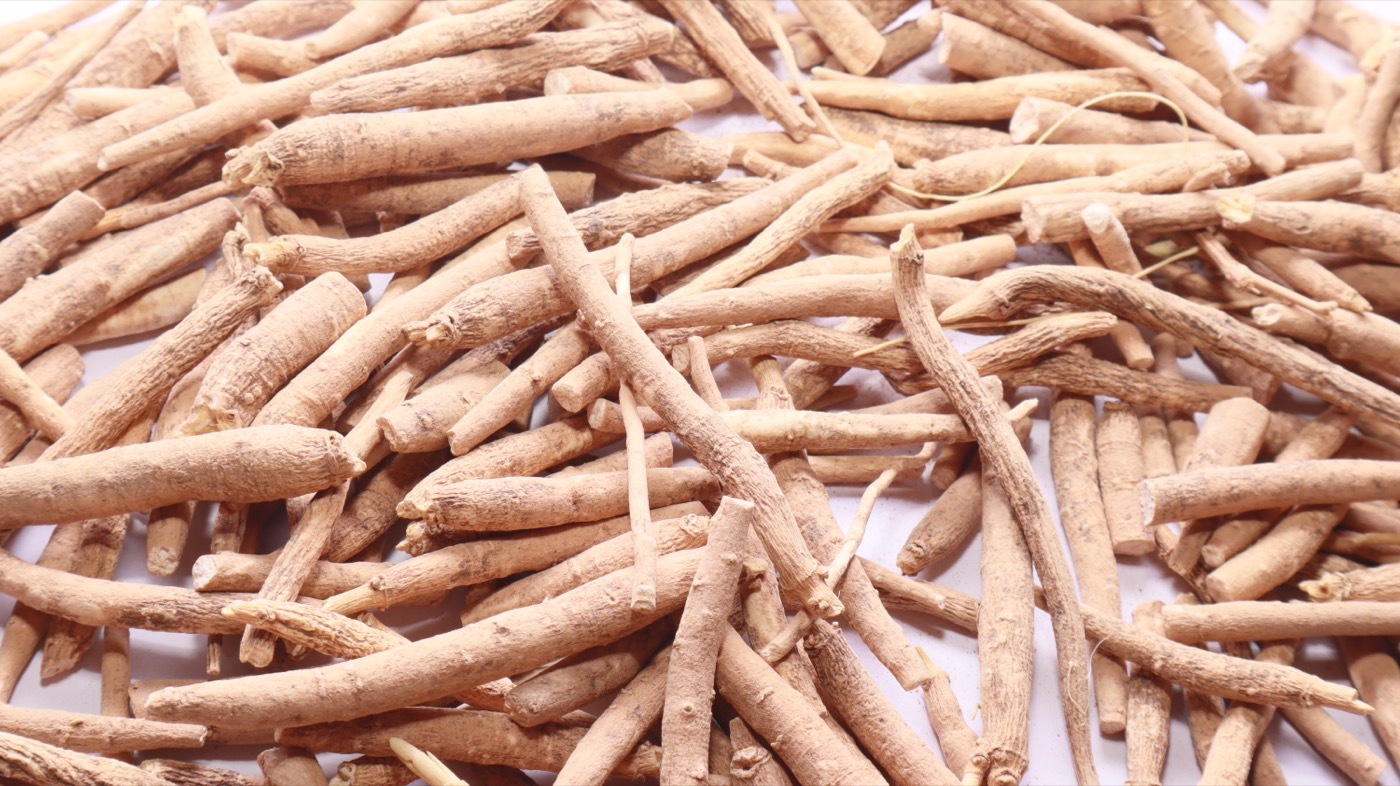
Ashwagandha Extract (Withania somnifera)
Hydro-alcoholic root extract of Withania somnifera standardised to 1.5–10% total withanolides by HPLC. Root-only material, vegan, bulk 25 kg export packing from India with batch COA.
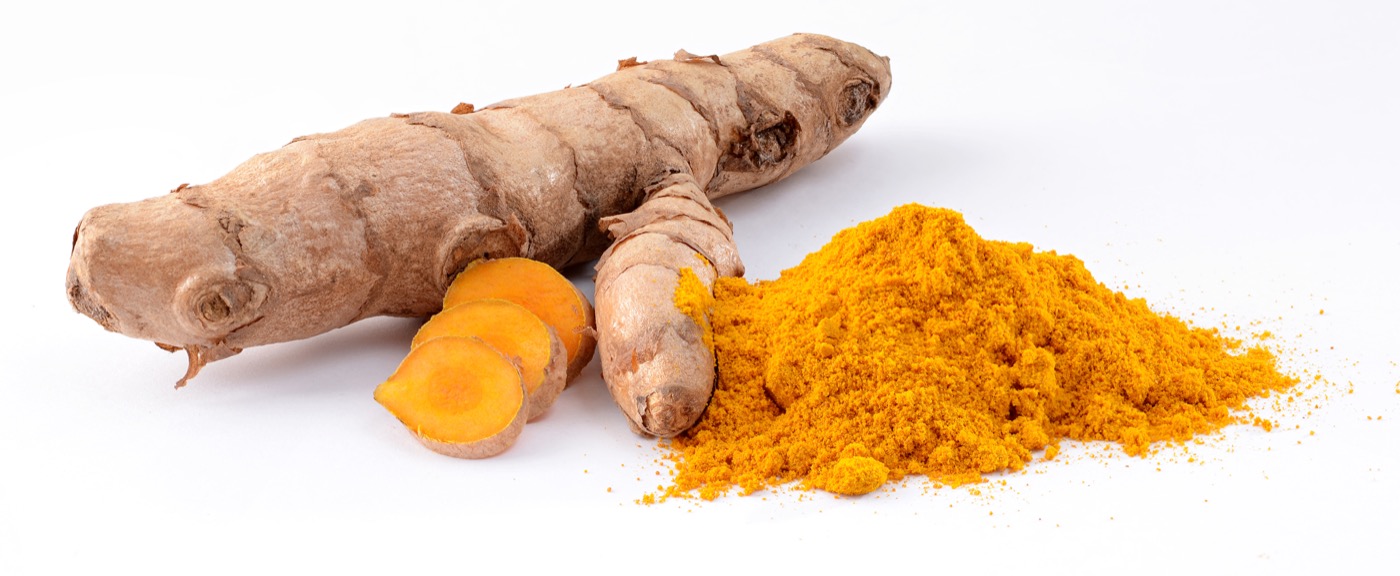
Turmeric Extract / Curcumin 95%
Purified Curcuma longa rhizome extract assaying NLT 95% total curcuminoids by HPLC, in USP curcumin / desmethoxy / bisdesmethoxy proportions. Orange-yellow crystalline powder, vegan.
Turmeric / Curcumin Extract
Standardized curcumin extract (up to 95% curcuminoids) for high-potency anti-inflammatory supplements.