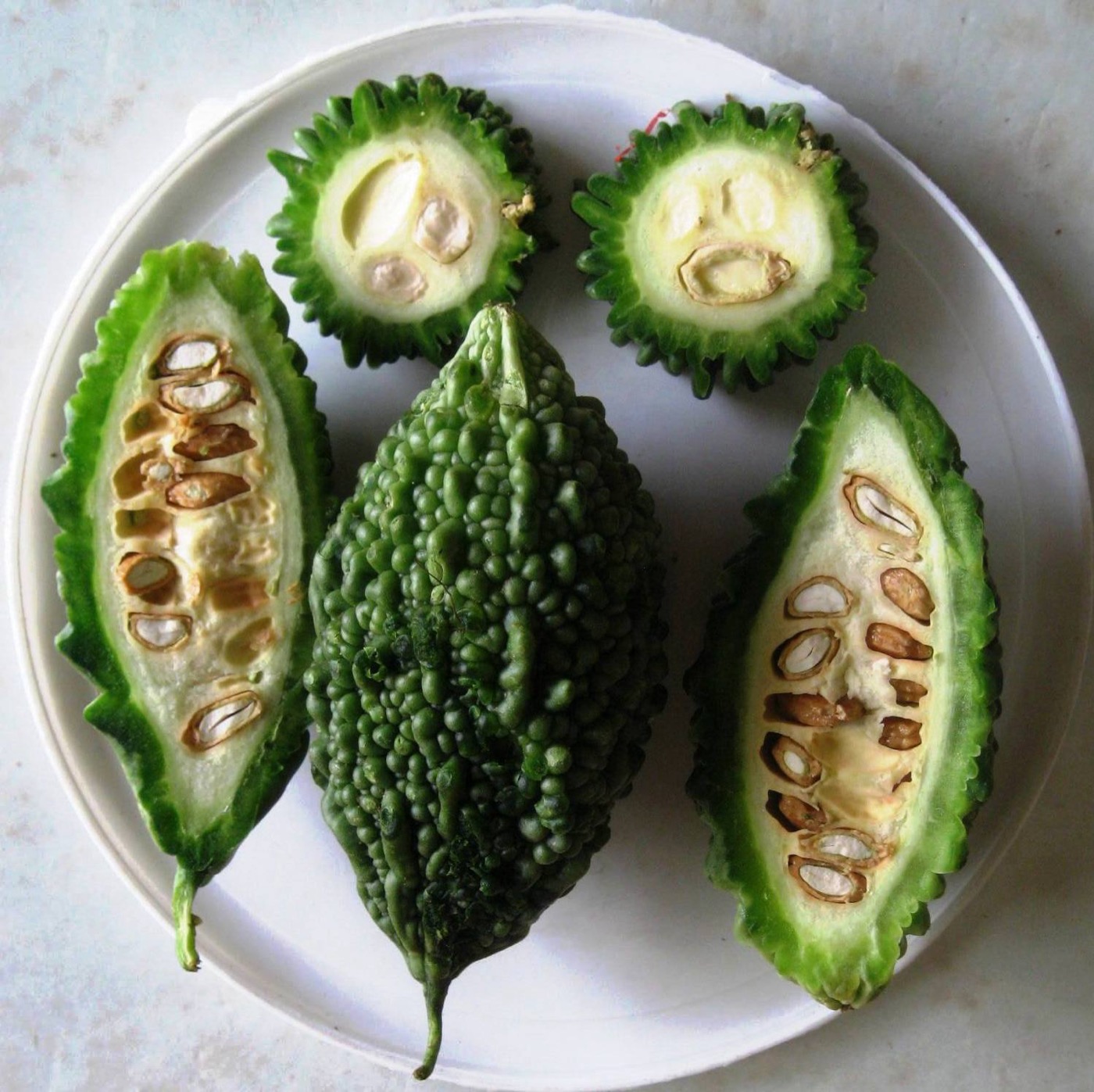
Karela Extract (Bitter Melon)
Deseeded green-fruit extract of Momordica charantia at 5–15% bitters by gravimetry, with charantin quantified by HPLC against reference standard and 4:1 to 20:1 ratio grades. Vegan.
Specifications
| Botanical source and part | Momordica charantia L., family Cucurbitaceae; dried immature green fruit, deseeded as standard. India. Karela in Hindi, kakarakaya in Telugu, pavakkai in Tamil. |
| Marker compounds and native level | Charantin, CAS 57126-62-2, a 1:1 mixture of beta-sitosteryl glucoside (C35H60O6) and 5,25-stigmastadienyl glucoside (C35H58O6). Native level in dried fruit is 0.12–0.60 mg/g. |
| Other constituents | Cucurbitane-type triterpenoids: momordicosides, karavilosides including karaviloside IX, momordicin, momordin, karavilagenin and kuguacins. Polypeptide-p is not assayed. |
| Standardisation and assay | Bitters 5%, 10% and 15% by gravimetry; ratio extracts 4:1, 10:1 and 20:1. Charantin is reported only from HPLC against a reference standard, never from a bitters figure. |
| Seed constituents and deseeding | Seed carries vicine, linked to haemolysis in G6PD deficiency, and the proteins alpha- and beta-momorcharin. Default grade is deseeded green fruit; seed presence is stated per lot. |
| Appearance and particle size | Fine free-flowing powder, light brown to greenish brown, characteristically bitter in taste and odour. Typically 95% through 80 mesh; granular grade to order. |
| Solubility | Hydro-alcoholic ratio extracts are largely water-dispersible; a spray-dried juice powder and a fully water-soluble instant grade are offered for shots and sachet drinks. |
| Extraction solvent | Water and food-grade ethanol; no chlorinated solvents. Residual solvents to USP <467> Class 2 and Class 3 limits. |
| Loss on drying and ash | Loss on drying NMT 5.0%. Total ash NMT 5.0%; acid-insoluble ash NMT 2.0%. Bulk density typically 0.35–0.60 g/mL. |
| Heavy metals and residues | Lead NMT 3 ppm, arsenic NMT 2 ppm, cadmium NMT 1 ppm, mercury NMT 0.1 ppm; pesticide residues within EU MRLs. Certificate issued per lot. |
| Microbiological limits | Total plate count NMT 10,000 cfu/g; yeast and mould NMT 500 cfu/g; E. coli, Salmonella and S. aureus absent in the specified sample size. |
| Allergen and dietary status | Vegan and vegetarian. No milk, egg, soy, fish, crustacean, gluten or nut inputs; no bovine or porcine material. Non-GMO. Cucurbitaceae family stated on the specification. |
| Shelf life and storage | 24 months from manufacture in unopened original packing. Store below 25 °C, cool, dry and away from light. Hygroscopic — reseal promptly and keep desiccant in place. |
| HS code (India ITC-HS) | 13021919 — vegetable saps and extracts, other, extracts: other. Final classification rests with the importing customs authority. |
Applications
Available grades
Bitters 5%, 10% and 15% by gravimetry; total saponins to order; charantin by HPLC against reference standard, reported at the level the lot genuinely assays. Native ratio extracts 4:1, 10:1 and 20:1. Deseeded green fruit as default, with seed-inclusive and whole-fruit grades to order. Spray-dried fruit juice powder and water-soluble instant grade available. Organic (NPOP / NOP / EU), Kosher and Halal certified lots to order.
Related products
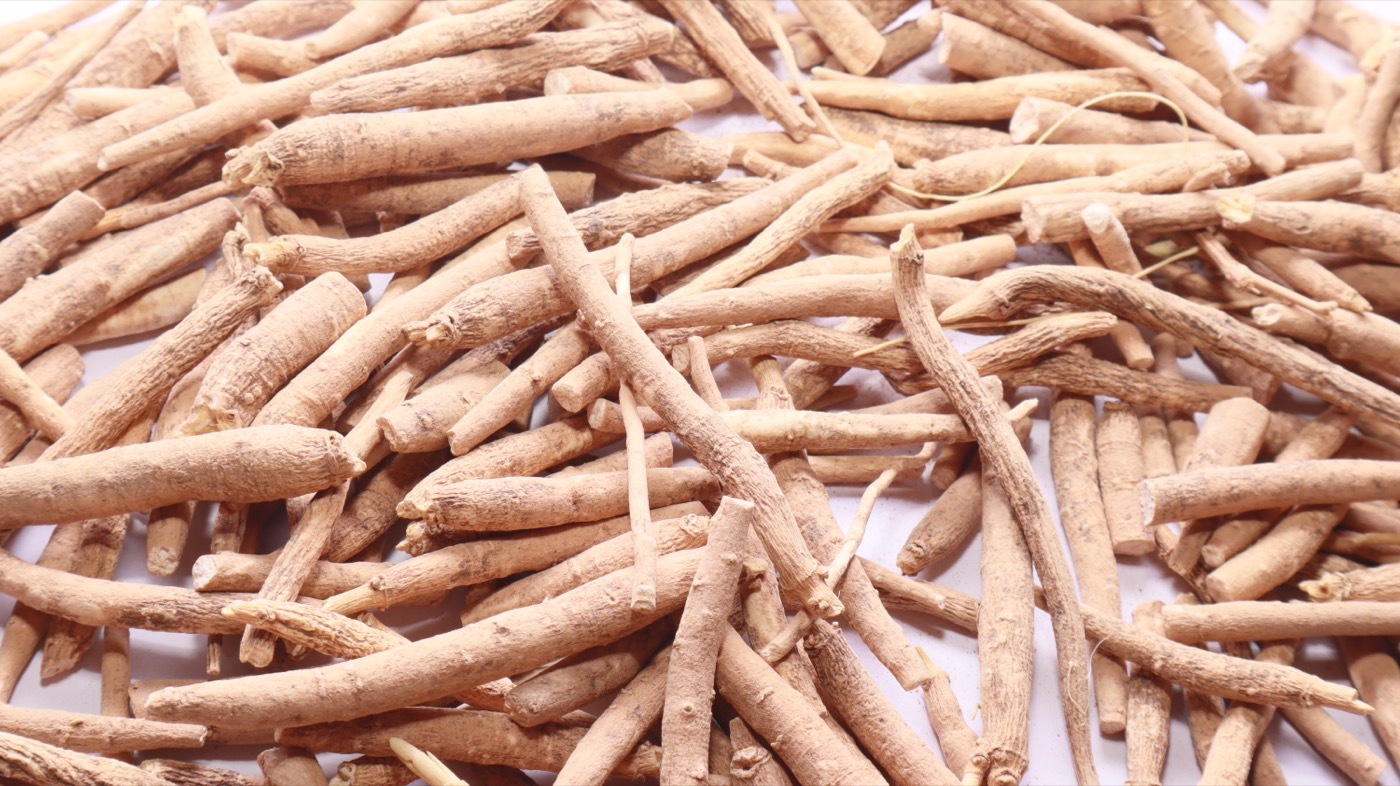
Ashwagandha Extract (Withania somnifera)
Hydro-alcoholic root extract of Withania somnifera standardised to 1.5–10% total withanolides by HPLC. Root-only material, vegan, bulk 25 kg export packing from India with batch COA.
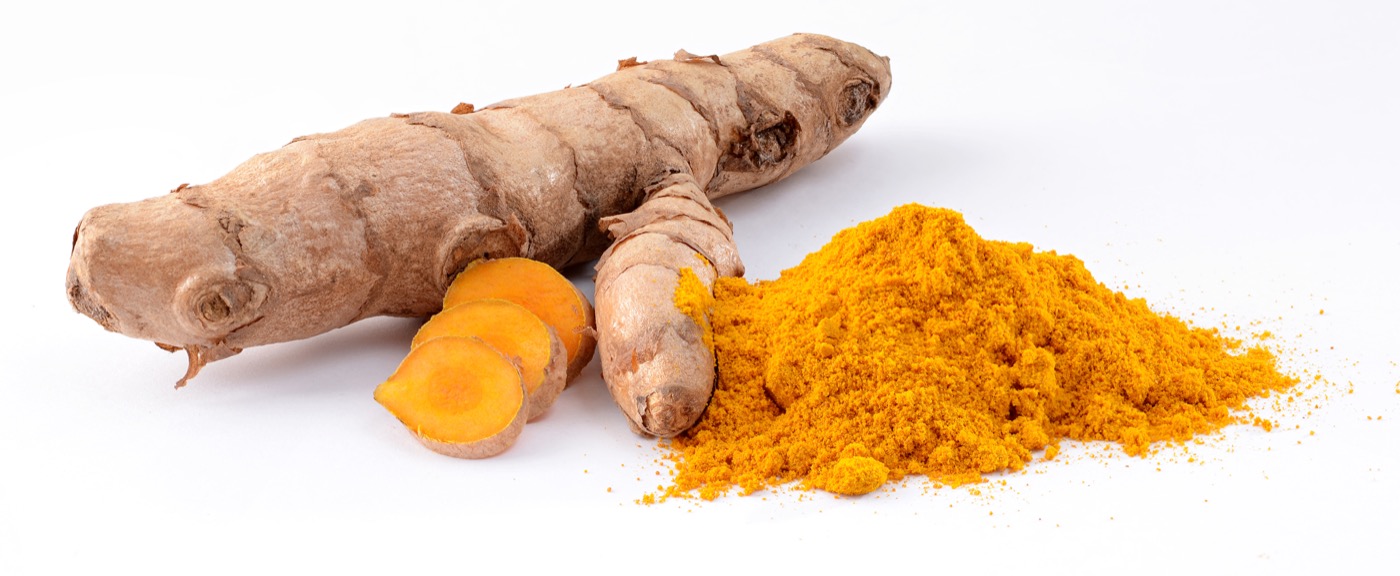
Turmeric Extract / Curcumin 95%
Purified Curcuma longa rhizome extract assaying NLT 95% total curcuminoids by HPLC, in USP curcumin / desmethoxy / bisdesmethoxy proportions. Orange-yellow crystalline powder, vegan.
Turmeric / Curcumin Extract
Standardized curcumin extract (up to 95% curcuminoids) for high-potency anti-inflammatory supplements.