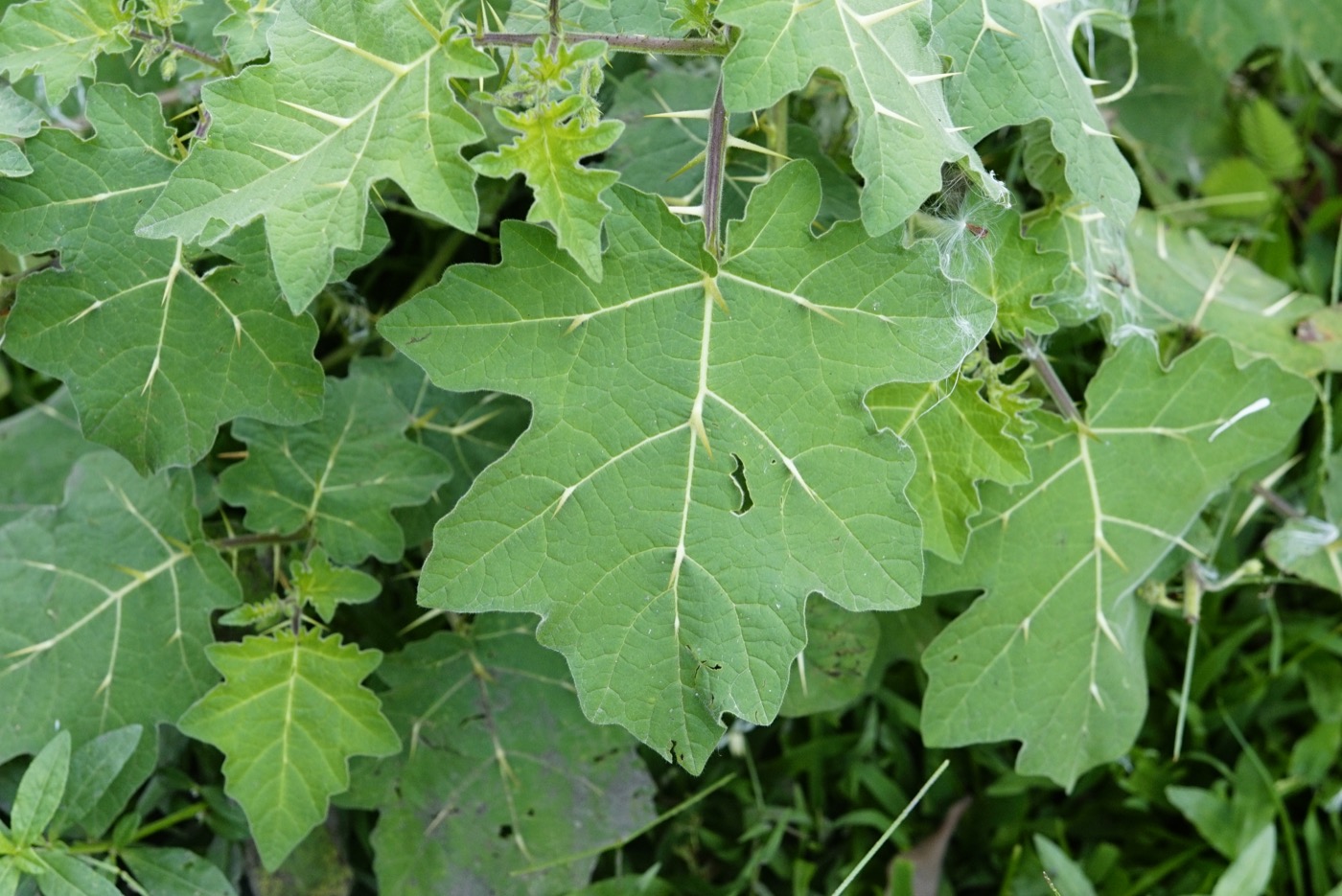
Kantakari Extract (Solanum)
Whole-plant extract of Solanum virginianum (Kantakari), standardised to 1.0–2.5% total steroidal alkaloids with solasodine as HPLC marker. Ratio extracts also supplied, 25 kg drums ex India.
Specifications
| Botanical source | Solanum virginianum L., accepted name; syn. Solanum xanthocarpum Schrad. & J.C.Wendl., Solanum surattense Burm. f. Family Solanaceae. Part: whole plant. |
| Ayurvedic identity | Kantakari, also Kateli or Bhatkatiya. Ayurvedic Pharmacopoeia of India monograph is drawn on the mature dried whole plant. |
| Raw-herb pharmacopoeial limits | API whole plant: total ash NMT 9%, acid-insoluble ash NMT 3%, alcohol-soluble extractive NLT 6%, water-soluble extractive NLT 16%. |
| Standardisation | Total alkaloids 1.0–2.5% by gravimetry (standard trade basis), with solasodine confirmed by HPLC or HPTLC as identity marker. 4:1 and 10:1 ratio extracts also supplied. |
| Marker chemistry | Solasodine CAS 126-17-0, C27H43NO2, MW 413.65 — a steroidal alkaloid sapogenin and the aglycone of the plant's glycoalkaloids. |
| Extraction | Hydro-alcoholic (ethanol/water) extraction of authenticated whole plant. No ethylene oxide, no irradiation unless specifically ordered. |
| Appearance and organoleptics | Fine yellowish-brown to brown free-flowing powder; characteristic odour; bitter taste. |
| Solubility and particle size | Dispersible in water, soluble in hydro-alcoholic media. 100% through 80 mesh. Loss on drying NMT 5.0%. |
| Botanical authentication | HPTLC fingerprint against reference herbarium material on every incoming lot; related prickly Solanum species are a known adulteration route. |
| Heavy metals | Lead, arsenic, cadmium and mercury by ICP-MS on every lot to USP <2232> or to the buyer's own tighter limits, reported on the CoA. |
| Microbiology | TPC NMT 10,000 cfu/g; yeast and mould NMT 1,000 cfu/g; E. coli, Salmonella and S. aureus absent in 10 g / 25 g. |
| Residual solvents | Compliant with ICH Q3C; ethanol NMT 5000 ppm. No class 1 solvents used in the process. |
| Allergens and origin | Vegan and vegetarian. Free of milk, egg, soy, fish, crustacean, tree nut, peanut, sesame and gluten. Non-GMO. No animal-derived processing aids. |
| Packaging and shelf life | 25 kg fibre or HDPE drum, double food-grade LDPE liner. 24 months from manufacture, cool and dry, below 25 C, protected from light. |
| HS code | 13021919 (India ITC-HS) — vegetable saps and extracts, other extracts, other. |
Applications
Available grades
Total alkaloids 1.0% gravimetric (standard), 2.0% and 2.5% gravimetric high grades, solasodine-marked HPLC grade, and 4:1 / 10:1 native ratio extracts. Whole-plant and fruit-only sourcing available on prior agreement. Kosher and Halal certified lots on request.
Related products
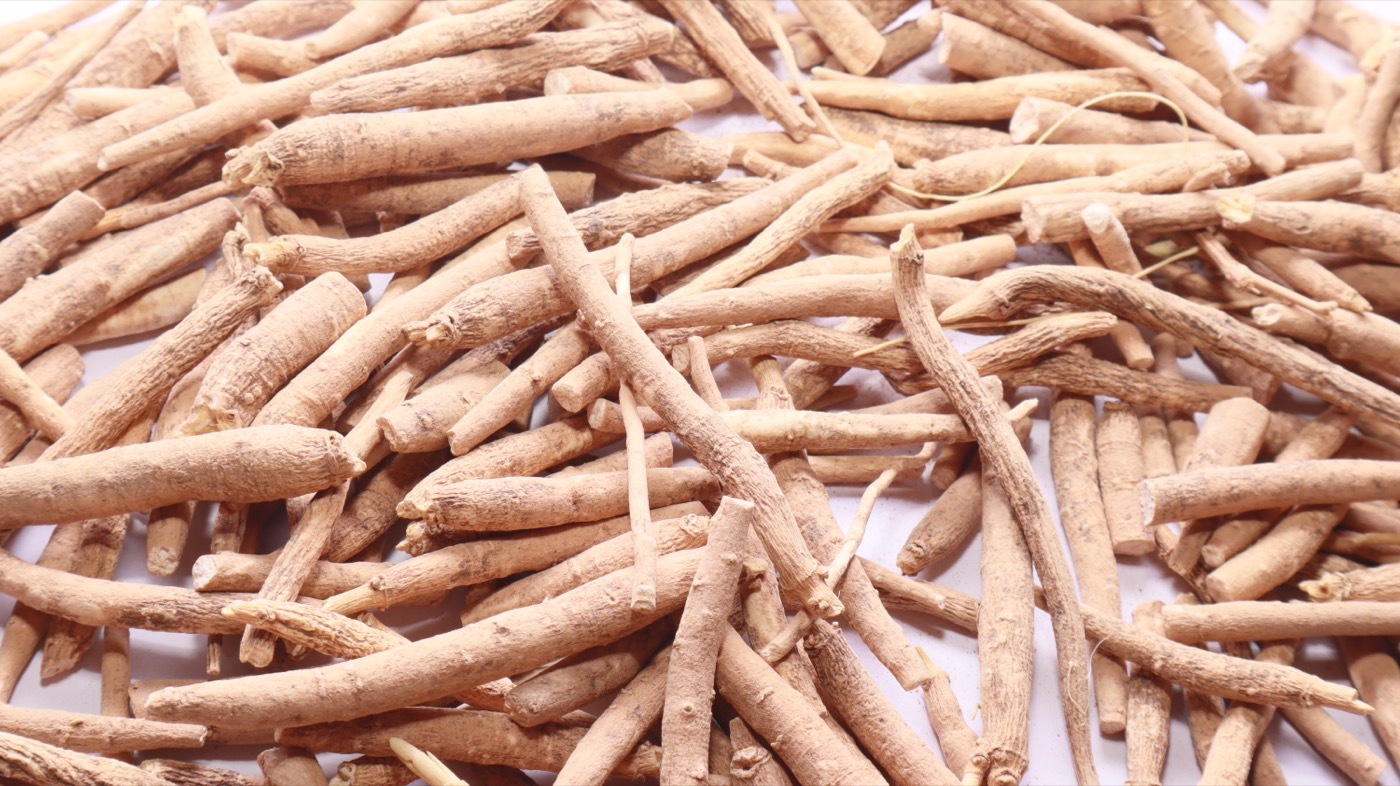
Ashwagandha Extract (Withania somnifera)
Hydro-alcoholic root extract of Withania somnifera standardised to 1.5–10% total withanolides by HPLC. Root-only material, vegan, bulk 25 kg export packing from India with batch COA.
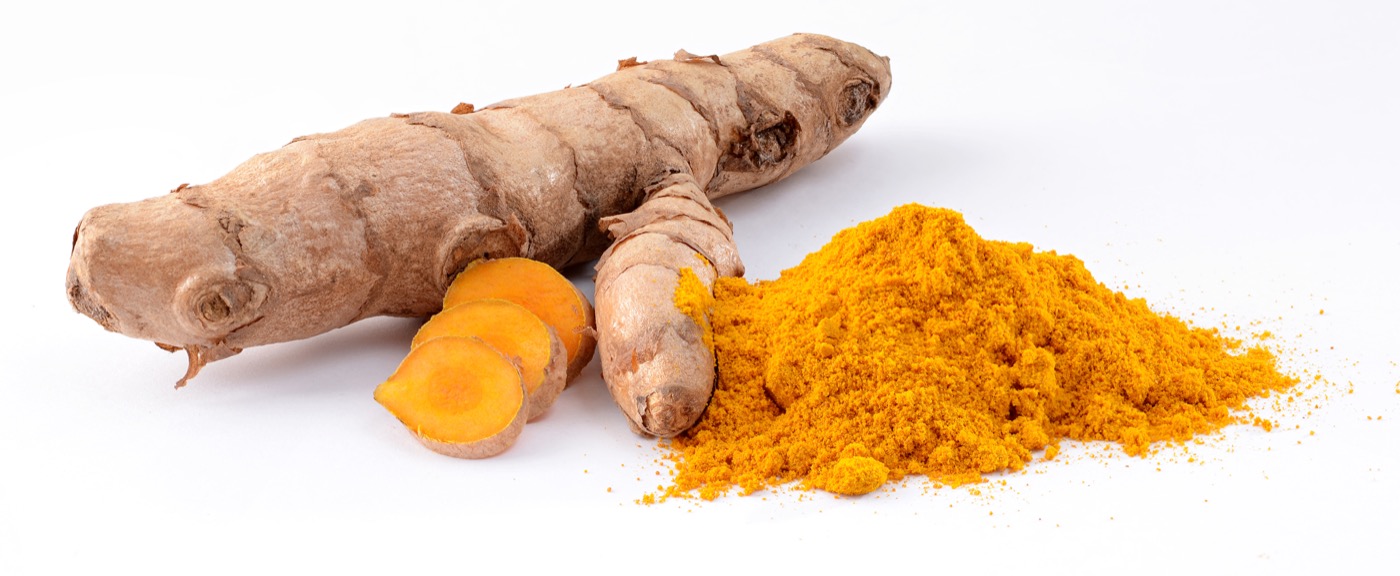
Turmeric Extract / Curcumin 95%
Purified Curcuma longa rhizome extract assaying NLT 95% total curcuminoids by HPLC, in USP curcumin / desmethoxy / bisdesmethoxy proportions. Orange-yellow crystalline powder, vegan.
Turmeric / Curcumin Extract
Standardized curcumin extract (up to 95% curcuminoids) for high-potency anti-inflammatory supplements.