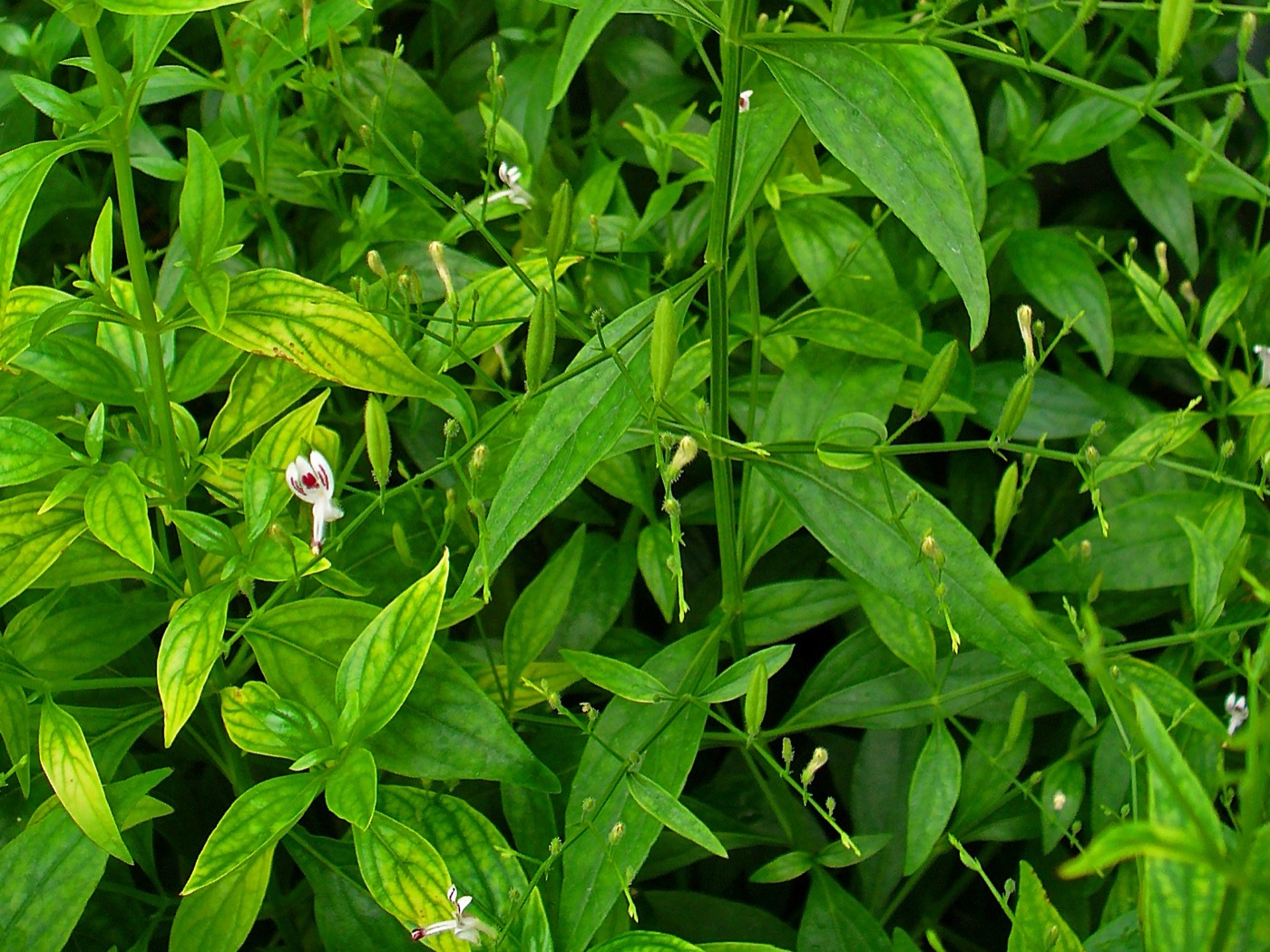
Kalmegh Extract (Andrographis paniculata)
Andrographis paniculata aerial-part extract standardised by HPLC at 10, 20, 30 or 50% andrographolides, assayed against USP reference standards. Intensely bitter.
Specifications
| Botanical source | Andrographis paniculata (Burm.f.) Wall. ex Nees (Acanthaceae). Kalmegh, Kirata or Kalpanath; English creat, green chiretta, King of Bitters. |
| Plant part | Dried aerial parts (herb), harvested at flowering. Leaf-enriched selection available where a higher native andrographolide content is wanted. |
| Extract type and solvent | Ethanol or hydro-alcoholic extraction, concentrated and dried. Ratio grades 4:1 and 10:1 also offered. Residual solvents to USP <467> / Ph. Eur. 2.4.24. |
| Standardisation | Andrographolide or total andrographolides at 10%, 20%, 30% or 50% by HPLC. Higher-purity andrographolide on enquiry. Basis is fixed in writing before order. |
| Total andrographolides basis | Sum of andrographolide, 14-deoxyandrographolide and neoandrographolide. Not interchangeable with an andrographolide-only assay at the same nominal percentage. |
| Marker compound | Andrographolide, CAS 5508-58-7, C20H30O5, MW 350.45, a labdane diterpene lactone. USP Andrographolide RS and Powdered Andrographis Extract RS are available. |
| Identity control | Macroscopy of the incoming herb plus HPTLC fingerprint against authenticated A. paniculata, run in addition to the HPLC assay to exclude related species. |
| Appearance and taste | Light buff to greenish-brown fine powder, characteristic odour, intensely and persistently bitter. Bitterness rises with the standardisation level. |
| Particle size | NLT 95% passing 80 mesh (about 180 micron). Coarser 40 and 60 mesh cuts on request for direct-compression and granulation lines. |
| Solubility | Sparingly soluble in water; soluble in ethanol and methanol. Water-dispersible spray-dried grade available where an aqueous system is required. |
| Typical purity limits | Loss on drying NMT 5.0%; total ash NMT 5.0% carrier-free basis; heavy metals to USP <2232>; pesticide residues to USP <561> or EU MRLs as specified. |
| Microbiology | TPC NMT 10,000 cfu/g; yeast and mould NMT 500 cfu/g; E. coli, Salmonella and S. aureus absent. Steam-sterilised low-count grade available. |
| Allergen and diet status | Vegan and vegetarian, plant-derived, non-GMO. Free from milk, egg, soy, fish, crustacean, peanut, tree nut and gluten-containing cereals. Not bovine or porcine. |
| Shelf life, storage | 24 months unopened, below 25 C at under 60% RH, protected from light and moisture. |
| HS code | 13021919 |
Applications
Available grades
Standardised on andrographolide or on total andrographolides by HPLC at 10%, 20%, 30% and 50%; higher-purity andrographolide on enquiry. Native ratio grades 4:1 and 10:1. Leaf-enriched selection for higher native andrographolide. Water-dispersible spray-dried grade, steam-sterilised low-microbial grade, granulation mesh cuts, and certified organic (NOP/EU) on contract.
Related products
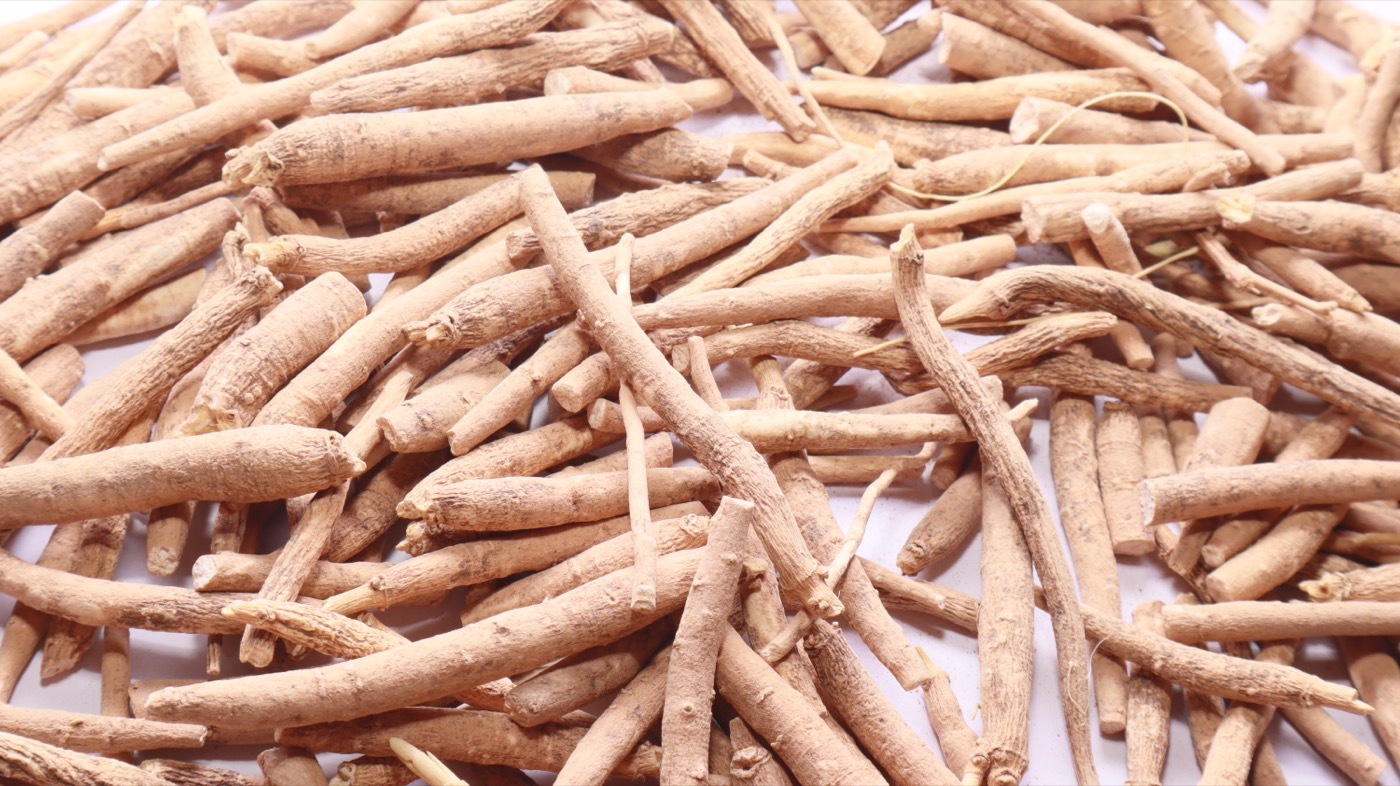
Ashwagandha Extract (Withania somnifera)
Hydro-alcoholic root extract of Withania somnifera standardised to 1.5–10% total withanolides by HPLC. Root-only material, vegan, bulk 25 kg export packing from India with batch COA.
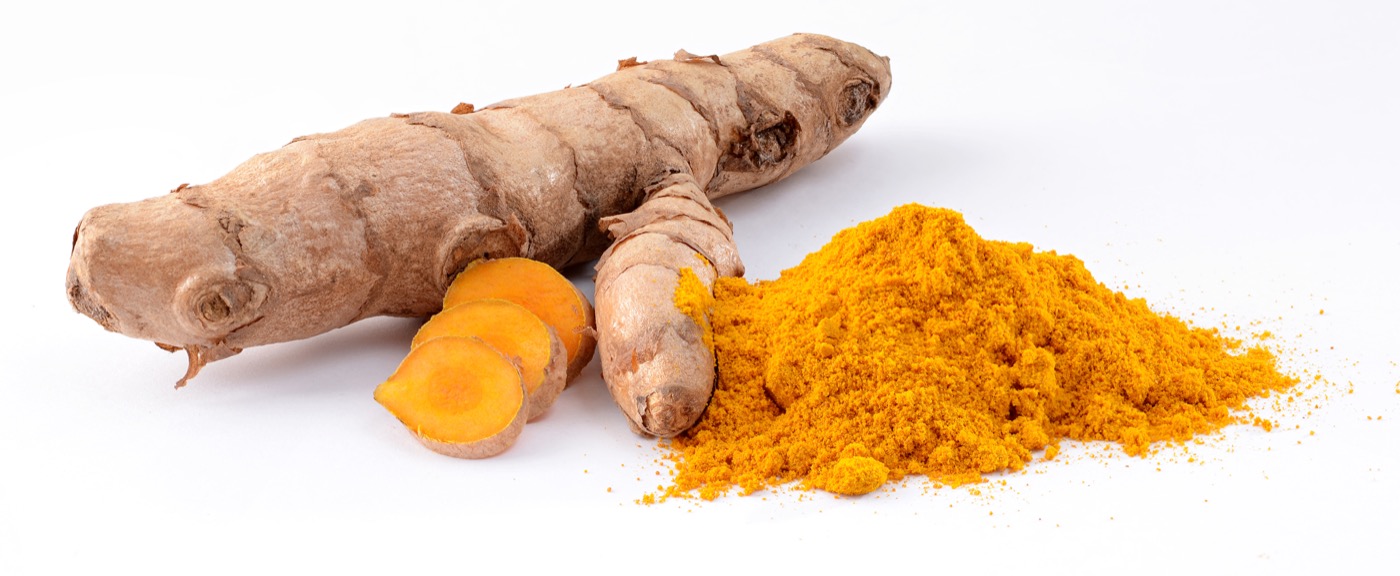
Turmeric Extract / Curcumin 95%
Purified Curcuma longa rhizome extract assaying NLT 95% total curcuminoids by HPLC, in USP curcumin / desmethoxy / bisdesmethoxy proportions. Orange-yellow crystalline powder, vegan.
Turmeric / Curcumin Extract
Standardized curcumin extract (up to 95% curcuminoids) for high-potency anti-inflammatory supplements.