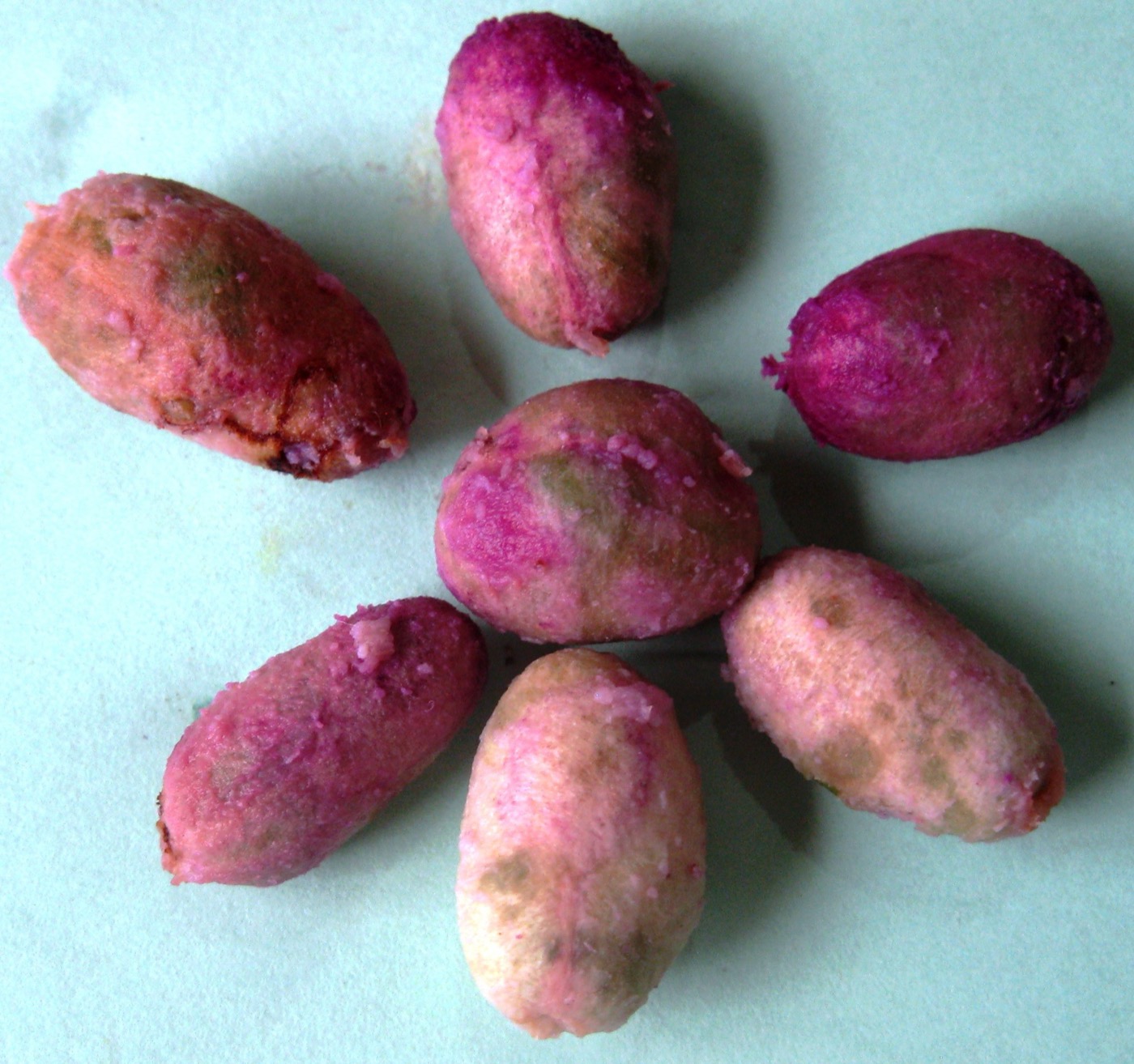
Jamun Seed Extract (Syzygium cumini)
Seed extract of Syzygium cumini (jamun), supplied as a 4:1, 10:1 or 30:1 native powder or standardised on tannins, bitters or ellagic acid. Vegan, allergen-free, Indian origin.
Specifications
| Botanical source | Syzygium cumini (L.) Skeels, Myrtaceae. Synonyms: Eugenia jambolana Lam., Eugenia cumini (L.) Druce, Syzygium jambolanum (Lam.) DC. |
| Part used | Dried seed / kernel (Hindi jamun guthli, Sanskrit Jambu beeja). Fruit pulp and seed are separate articles and are not interchangeable. |
| Native extraction ratios | 4:1, 10:1 and 30:1 unstandardised powders. Solvent water or hydro-ethanol, fixed to the buyer's declared solvent policy. |
| Standardisation options | Total tannins NLT 10% by titration; bitters 2.5-5% by gravimetry; ellagic acid 2-5% by HPLC (ellagic acid marker CAS 476-66-4). |
| Characteristic constituents | Ellagitannins and ellagic acid, gallic acid, the alkaloid jambosine and the glycoside jamboline (antimellin); flavonoids quercetin and myricetin. |
| Anthocyanin status | Seed carries no detectable anthocyanins; these occur in the fruit pulp (approx. 0.54%). Do not label a seed extract as an anthocyanin source. |
| Appearance and odour | Free-flowing powder, light to dark brown; characteristic odour, markedly astringent taste from the tannin fraction. |
| Particle size | 98% through 80 mesh as standard; 100 mesh and low-dust granulated versions on request. |
| Solubility | Water soluble to water dispersible depending on solvent system and standardisation level; hydro-ethanolic grades disperse more slowly in cold water. |
| Loss on drying | NMT 5.0% (105 degrees C to constant weight). Total ash NMT 5.0%. |
| Heavy metals | Lead NMT 3 ppm, arsenic NMT 1 ppm, cadmium NMT 1 ppm, mercury NMT 0.1 ppm. |
| Microbiology | TPC NMT 10,000 cfu/g; yeast and mould NMT 500 cfu/g; E. coli, Salmonella and S. aureus absent in 10 g / 25 g. |
| Allergen and diet status | No milk, egg, soy, fish, crustacean, gluten or nut input. Vegan and vegetarian, plant origin, non-GMO, not irradiated unless specifically requested. |
| Shelf life, storage | 24 months unopened, below 25 degrees C, dry and away from light. |
| HS code | 1302.19 (13021939) |
| HS code | 1302.19 (13021939) |
Applications
Available grades
Food grade and supplement grade as standard. Native 4:1, 10:1 and 30:1 powders; tannin-standardised (NLT 10% by titration); bitters-standardised (2.5-5% gravimetric); ellagic acid standardised (2-5% HPLC). Water-only extraction available for clean-label and organic-certified programmes. Cosmetic grade on request.
Related products
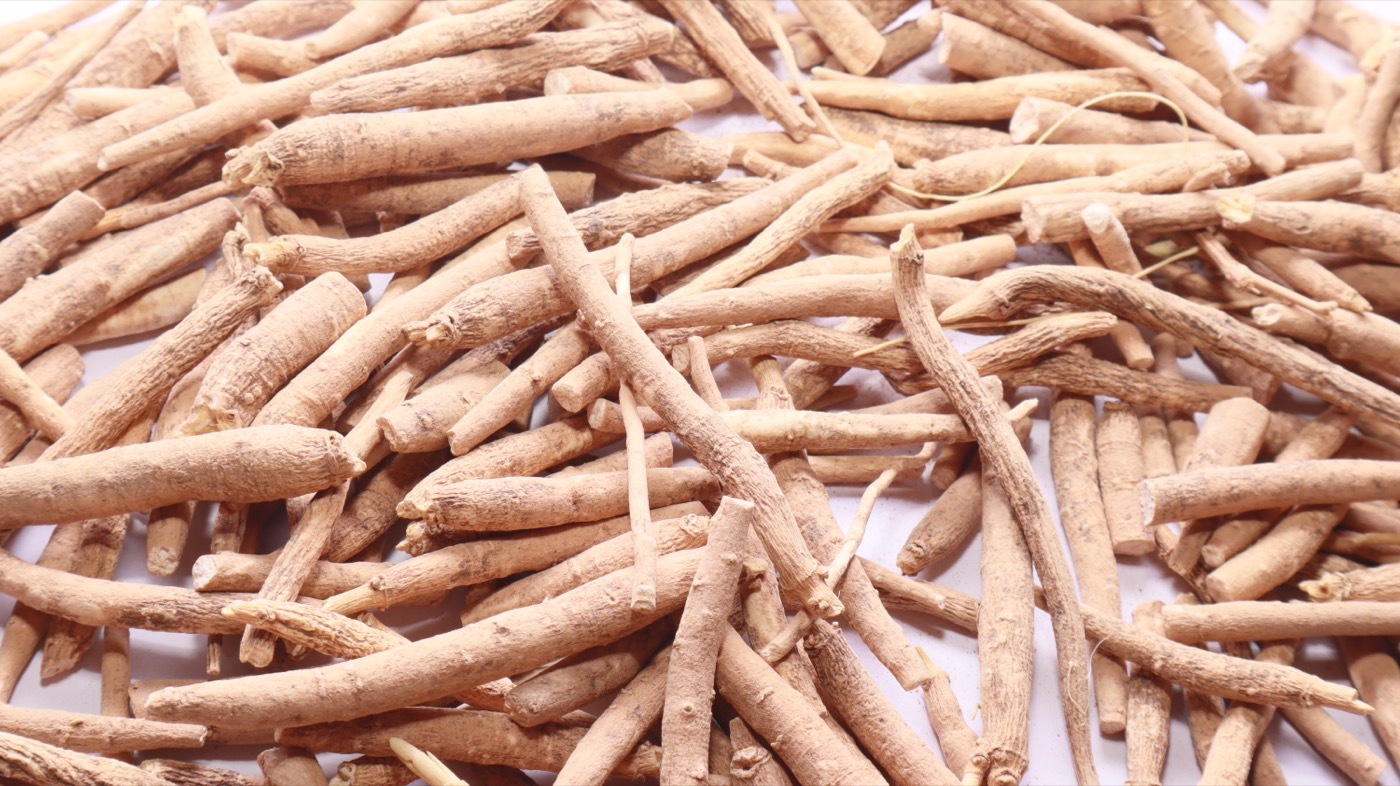
Ashwagandha Extract (Withania somnifera)
Hydro-alcoholic root extract of Withania somnifera standardised to 1.5–10% total withanolides by HPLC. Root-only material, vegan, bulk 25 kg export packing from India with batch COA.
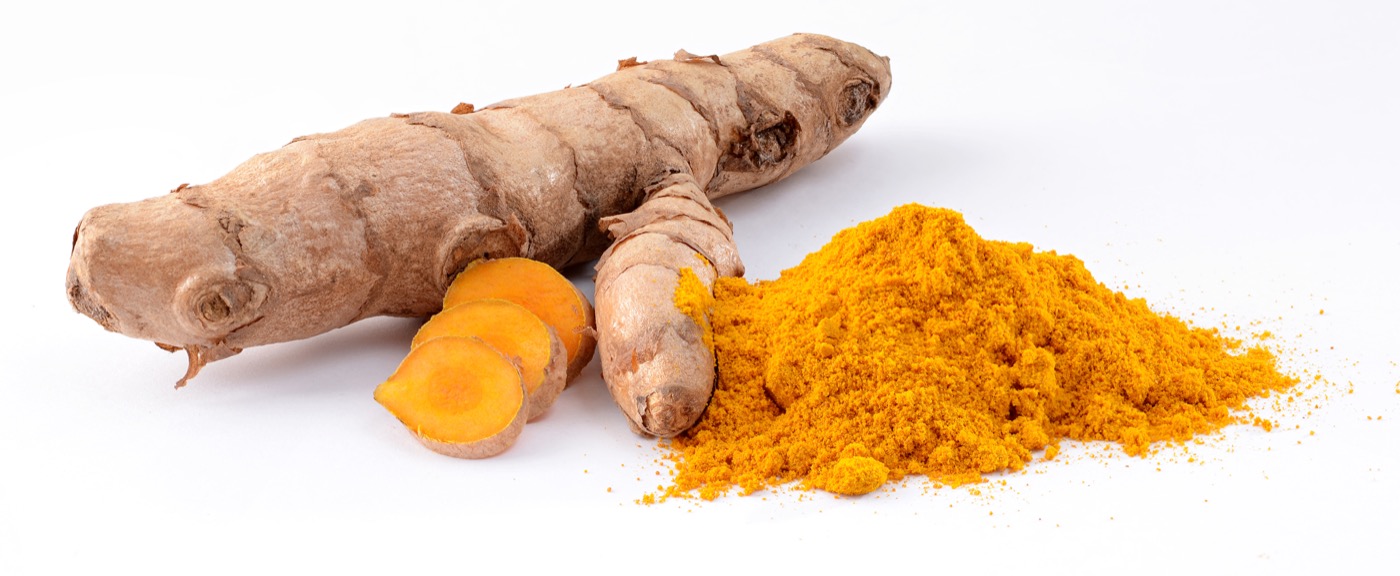
Turmeric Extract / Curcumin 95%
Purified Curcuma longa rhizome extract assaying NLT 95% total curcuminoids by HPLC, in USP curcumin / desmethoxy / bisdesmethoxy proportions. Orange-yellow crystalline powder, vegan.
Turmeric / Curcumin Extract
Standardized curcumin extract (up to 95% curcuminoids) for high-potency anti-inflammatory supplements.