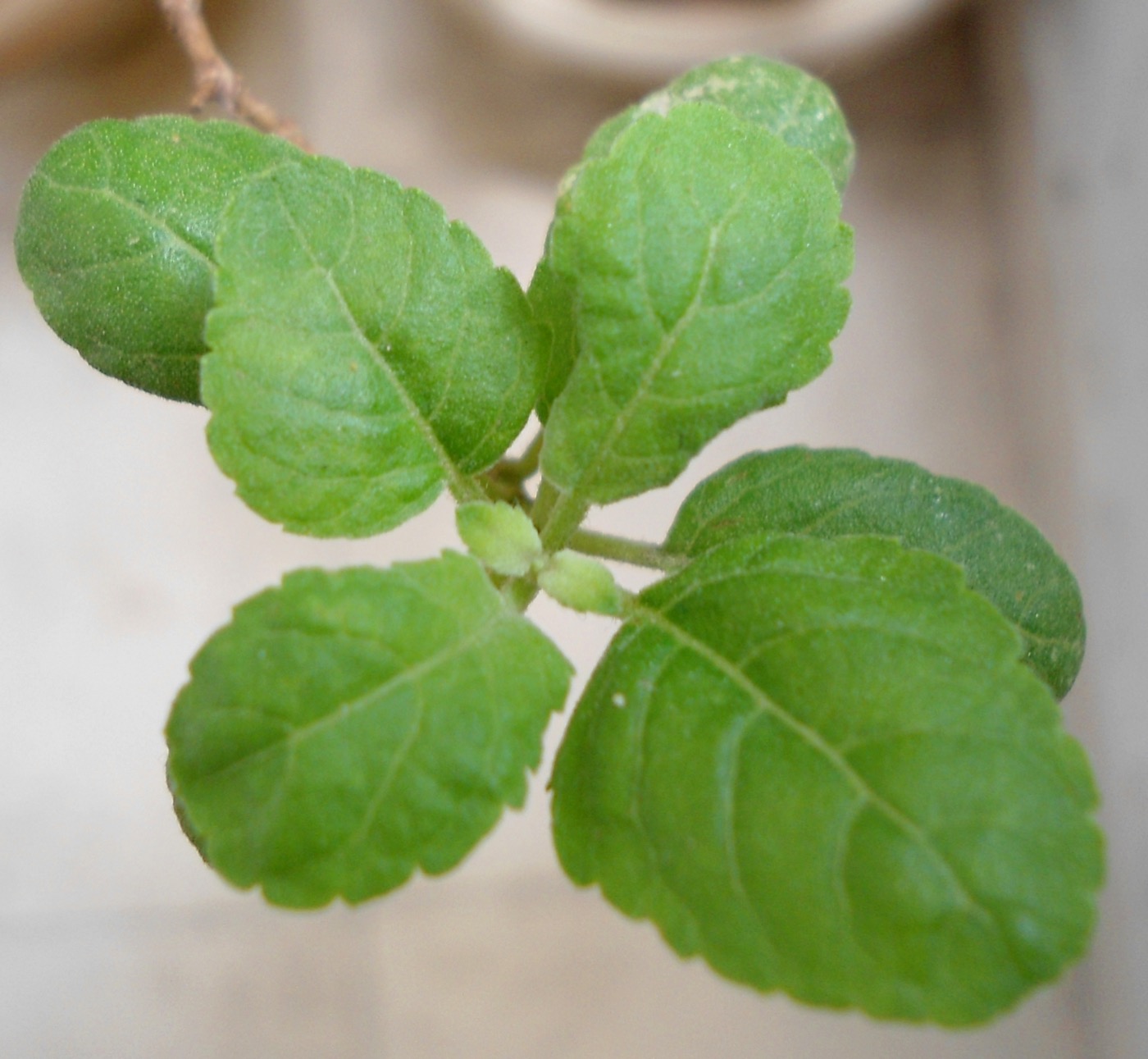
Holy Basil + Tulsi Blend
A blended tulsi ingredient: Rama and Krishna leaf (Ocimum tenuiflorum) with Vana (Ocimum gratissimum), as shade-dried powder or extract standardised on ursolic and oleanolic acids.
Specifications
| Botanical composition | Ocimum tenuiflorum L. (syn. O. sanctum L.) Rama and Krishna types blended with Ocimum gratissimum L. (Vana tulsi). Family Lamiaceae. Holy basil and tulsi are one plant. |
| Part used | Shade-dried leaf, with the ratio of the three tulsi types fixed to the agreed blend recipe and held constant lot to lot. |
| Forms supplied | Blended leaf powder (unextracted); blended hydro-alcoholic dry extract at 4:1, 10:1 and 20:1 native ratios; marker-standardised extract. |
| Standardisation, extract | 2.5% or 3.0% total triterpene acids (ursolic + oleanolic) by HPLC; eugenol-standardised grades to 8% (GC) available to order. |
| Pharmacopoeial reference | USP Holy Basil Leaf: dried leaf of Ocimum tenuiflorum L., not less than 0.5% triterpenes as the sum of oleanolic and ursolic acid, dried basis. |
| Secondary markers | Rosmarinic acid by HPLC and eugenol by GC reported on request; identity confirmed by TLC/HPTLC fingerprint against the reference blend. |
| Appearance and odour | Leaf powder green to greyish-green; extract light green to greenish-brown free-flowing powder. Characteristic aromatic, clove-like odour. |
| Solubility | Dry extract disperses in water and dissolves in aqueous ethanol. Leaf powder is whole plant matter and suspends rather than dissolves. |
| Particle size and moisture | Leaf powder typically milled to 80 mesh, other cuts to order. Moisture and loss-on-drying limits fixed in the agreed specification and confirmed per batch. |
| Heavy metals | Lead NMT 10 ppm, arsenic NMT 3 ppm, cadmium NMT 0.3 ppm, mercury NMT 1 ppm per AYUSH/Ayurvedic Pharmacopoeia limits for purely herbal material; USP <232> on request. |
| Microbiology and residues | Total plate count, yeast and mould, E. coli and Salmonella to buyer specification. Pesticide residues and aflatoxins tested lot-wise. |
| Allergen and dietary status | No milk, egg, soy, fish, crustacean, gluten or tree nut inputs. Vegan and vegetarian; no bovine, porcine or marine material. Non-GMO, non-irradiated. |
| Origin and certification | Indian-grown leaf, shade-dried and milled at FSSAI-registered sites. NPOP/NOP and EU organic lots, kosher and halal certification available. |
| Shelf life, storage | 24 months unopened from manufacture; store below 25 C, RH under 60%, away from light. |
| HS code | 1302 19 19 for the extract, 1211 90 29 for leaf powder |
Applications
Available grades
Blended leaf powder, food and Ayurvedic grade, 80 mesh standard. Blended hydro-alcoholic dry extract at 4:1, 10:1 and 20:1 native ratio. Marker-standardised extract at 2.5% or 3.0% total triterpene acids (ursolic + oleanolic, HPLC) or 8% eugenol (GC). Water-dispersible spray-dried grade on maltodextrin or acacia carrier for beverage work. Conventional and NPOP/NOP/EU organic certified.
Related products
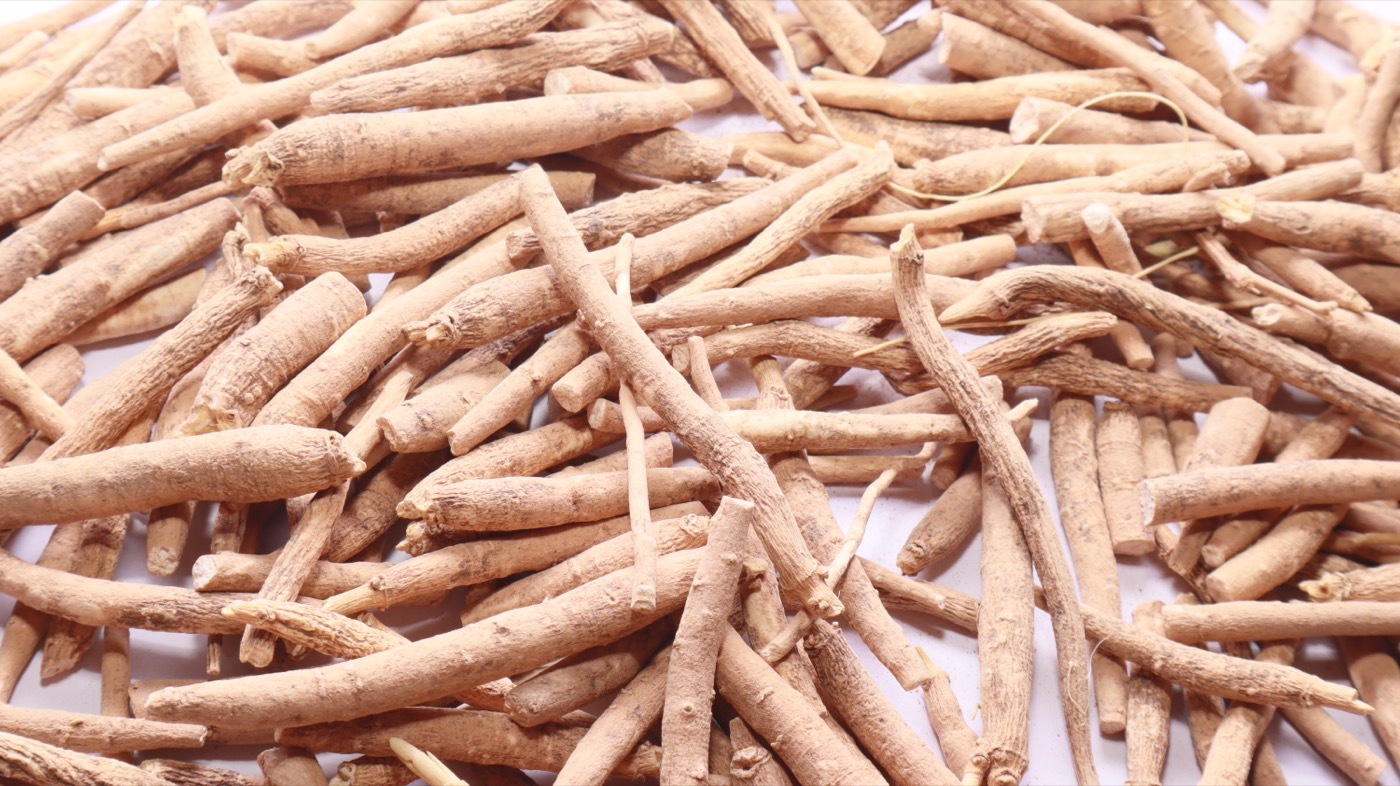
Ashwagandha Extract (Withania somnifera)
Hydro-alcoholic root extract of Withania somnifera standardised to 1.5–10% total withanolides by HPLC. Root-only material, vegan, bulk 25 kg export packing from India with batch COA.
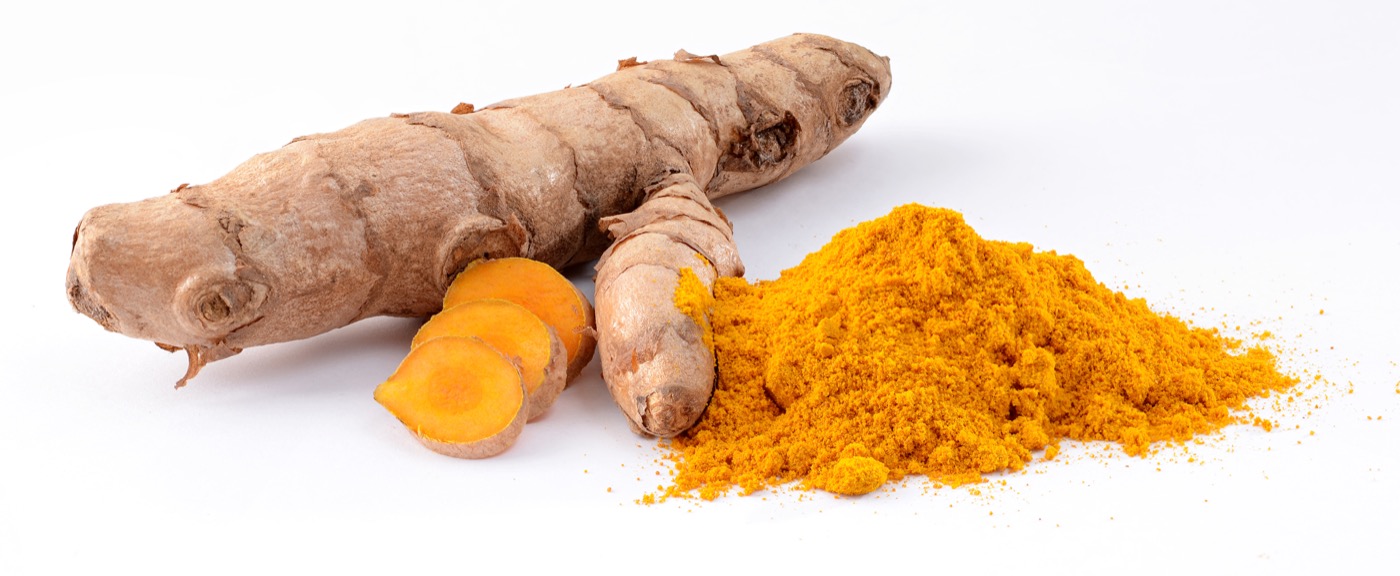
Turmeric Extract / Curcumin 95%
Purified Curcuma longa rhizome extract assaying NLT 95% total curcuminoids by HPLC, in USP curcumin / desmethoxy / bisdesmethoxy proportions. Orange-yellow crystalline powder, vegan.
Turmeric / Curcumin Extract
Standardized curcumin extract (up to 95% curcuminoids) for high-potency anti-inflammatory supplements.