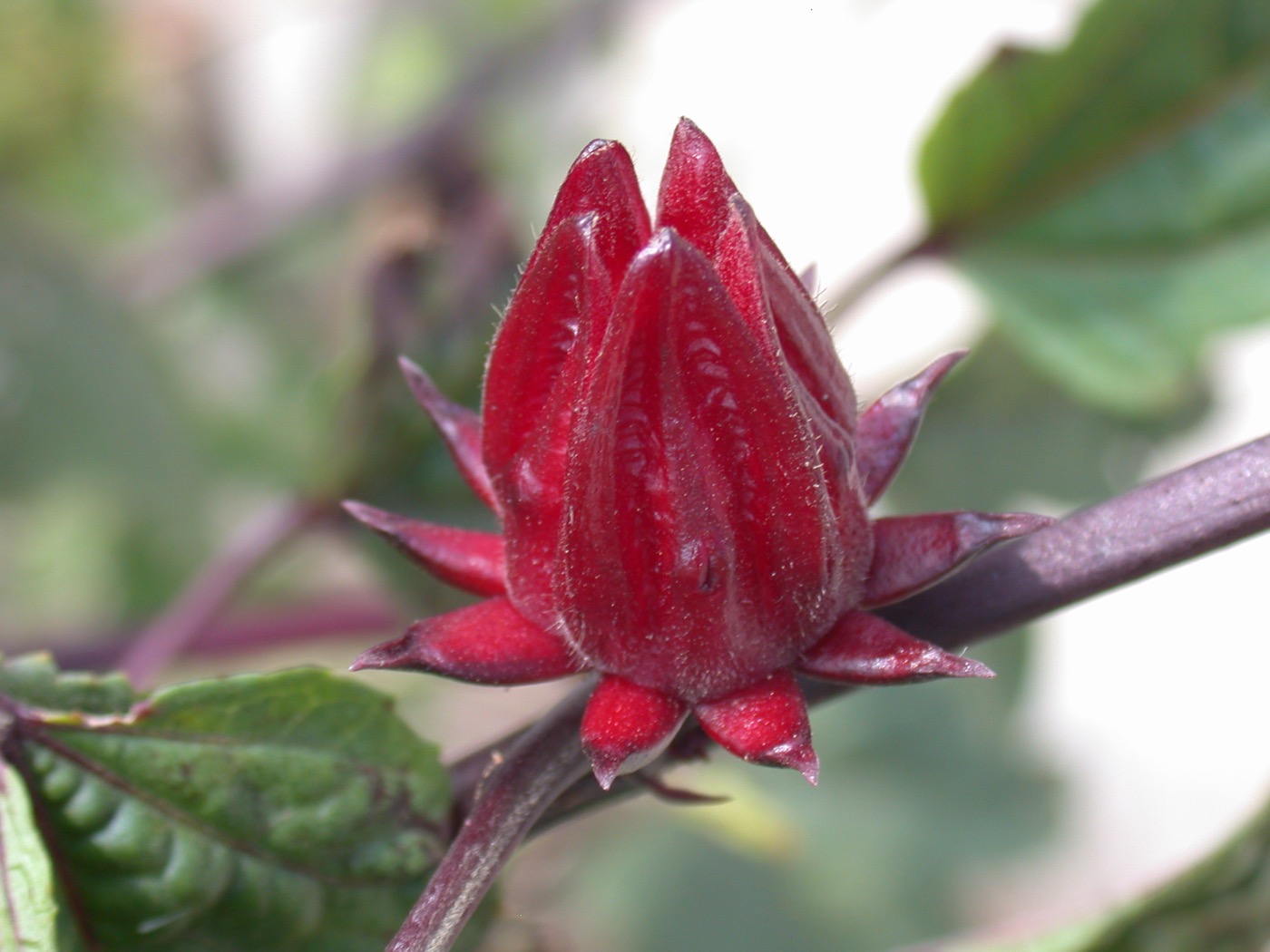
Hibiscus Extract
Deep red spray-dried extract of Hibiscus sabdariffa calyx, standardised to 1–25% anthocyanins by UV and freely soluble in water. Vegan, allergen-free, maize-derived carrier declared where used.
Specifications
| Botanical source | Hibiscus sabdariffa L. (Malvaceae) — roselle, karkade, sorrel; lal ambari or gongura in India |
| Plant part | Dried calyx (fleshy sepals surrounding the seed capsule); petals, leaves and seed excluded |
| Extraction | Water or ethanol–water, membrane-concentrated and spray-dried; solvents recovered, residues controlled to ICH Q3C |
| Standardisation options | Anthocyanins 1 / 2.5 / 5 / 10 / 25% by pH-differential UV; native 4:1 to 10:1 ratio powders; carrier-free grades on request |
| Marker chemistry | Principal anthocyanins delphinidin-3-O-sambubioside and cyanidin-3-O-sambubioside; UV reference cyanidin-3-O-glucoside chloride, C21H21ClO11, MW 484.84, CAS 7084-24-4 |
| Other constituents | Organic acids (hibiscus, hydroxycitric, citric, malic), protocatechuic acid, mucilage polysaccharides; dried calyx typically 0.3–2.4% total anthocyanins |
| Carrier | Maize-derived maltodextrin where a spray-drying aid is used — declared on the specification and gluten-free; carrier-free native powder available |
| Appearance and solubility | Deep red to purple-red hygroscopic powder, freely soluble in water; colour brightest below pH 3.5 and shifts blue-grey above pH 5 |
| Stability | Anthocyanins degrade with heat, light and prolonged oxygen exposure; nitrogen-flushed packing available for sensitive applications |
| Particle size and LOD | 100% through 80 mesh (≈180 µm); loss on drying ≤5.0%; hygroscopic — reseal immediately after sampling |
| Heavy metals | Lead ≤3.0, arsenic ≤1.0, cadmium ≤1.0, mercury ≤0.1 mg/kg |
| Microbiology and contaminants | TPC ≤10,000 cfu/g; yeast and mould ≤500 cfu/g; E. coli and Salmonella absent in 25 g; pyrrolizidine alkaloid screening under Reg. (EU) 2023/915 on request |
| Allergen and diet status | Vegan and vegetarian; no milk, egg, soy, fish, crustacean, gluten, peanut or tree nut; maize-derived carrier declared where used |
| Shelf life, storage | 24 months sealed at ≤25 °C, ≤60% RH, protected from light and moisture |
| HS code | 13021919 |
Applications
Available grades
Food, beverage and nutraceutical grade as standard; cosmetic grade on request. Assay options: anthocyanins 1%, 2.5%, 5%, 10% and 25% by UV, plus native 4:1 to 10:1 ratio powders and carrier-free variants. Conventional and certified organic (NPOP, USDA NOP, EU); kosher and halal available; non-irradiated and non-ethylene-oxide lots on request.
Related products
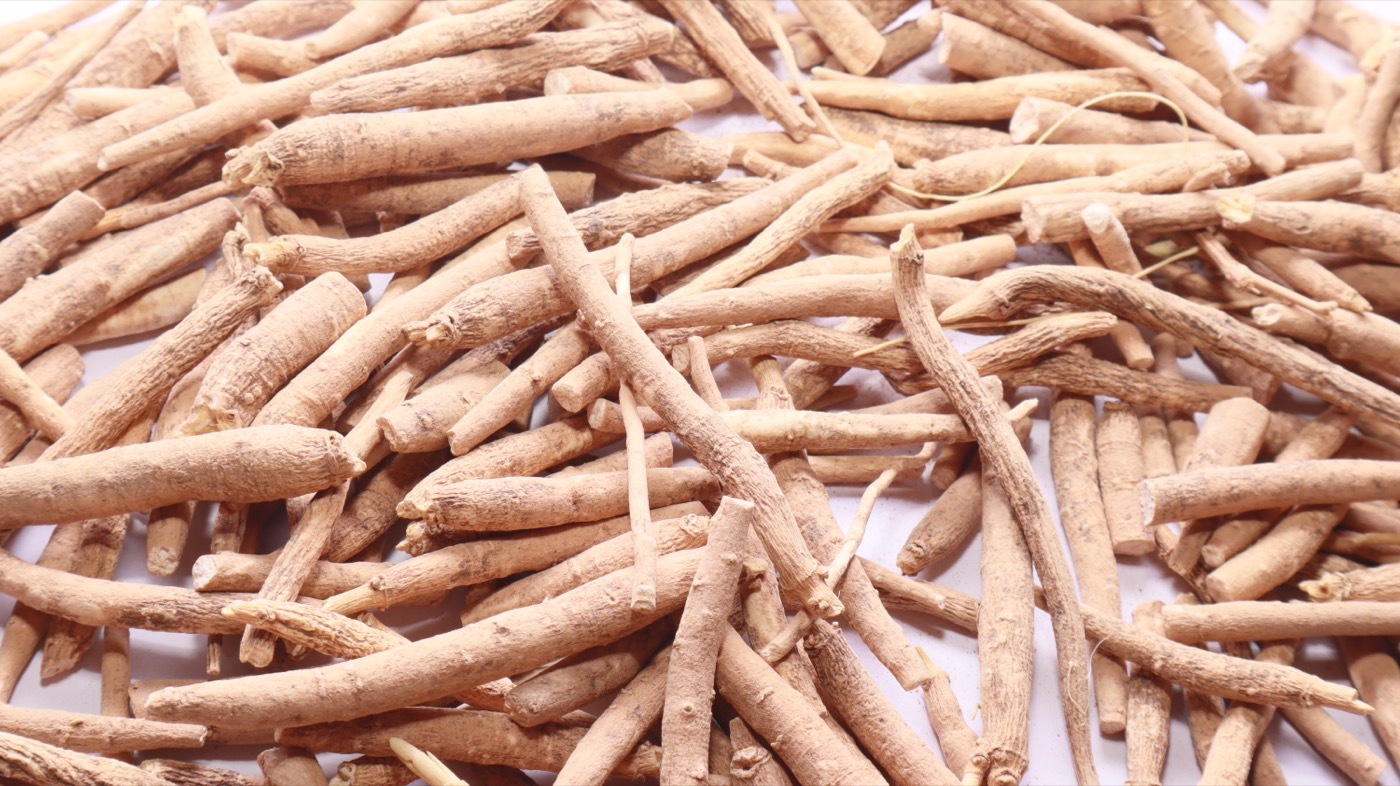
Ashwagandha Extract (Withania somnifera)
Hydro-alcoholic root extract of Withania somnifera standardised to 1.5–10% total withanolides by HPLC. Root-only material, vegan, bulk 25 kg export packing from India with batch COA.
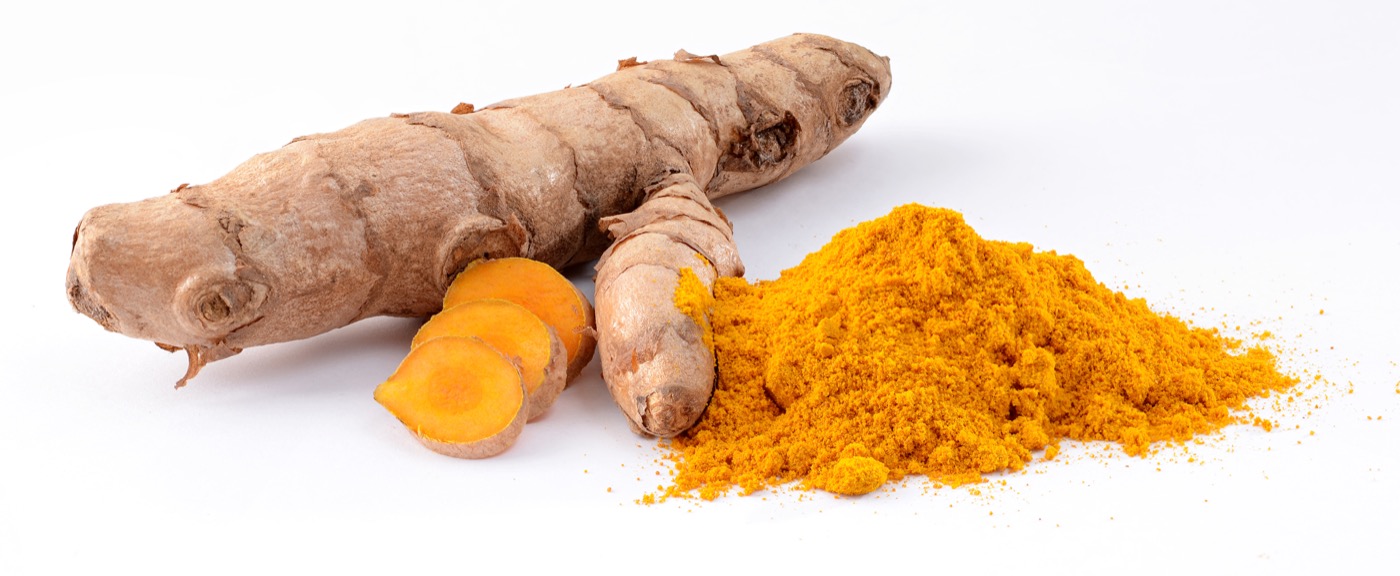
Turmeric Extract / Curcumin 95%
Purified Curcuma longa rhizome extract assaying NLT 95% total curcuminoids by HPLC, in USP curcumin / desmethoxy / bisdesmethoxy proportions. Orange-yellow crystalline powder, vegan.
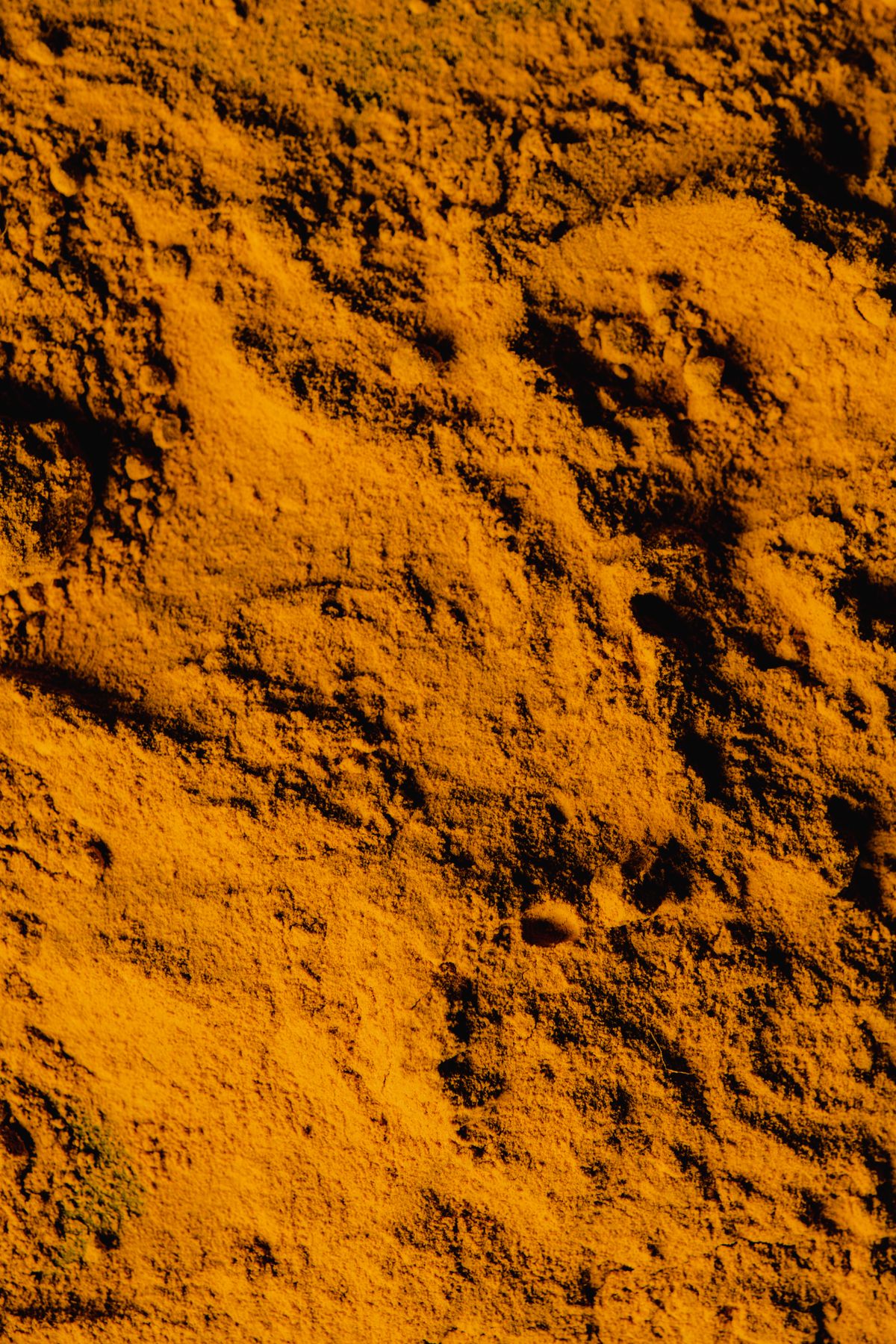
Turmeric / Curcumin Extract
Standardized curcumin extract (up to 95% curcuminoids) for high-potency anti-inflammatory supplements.