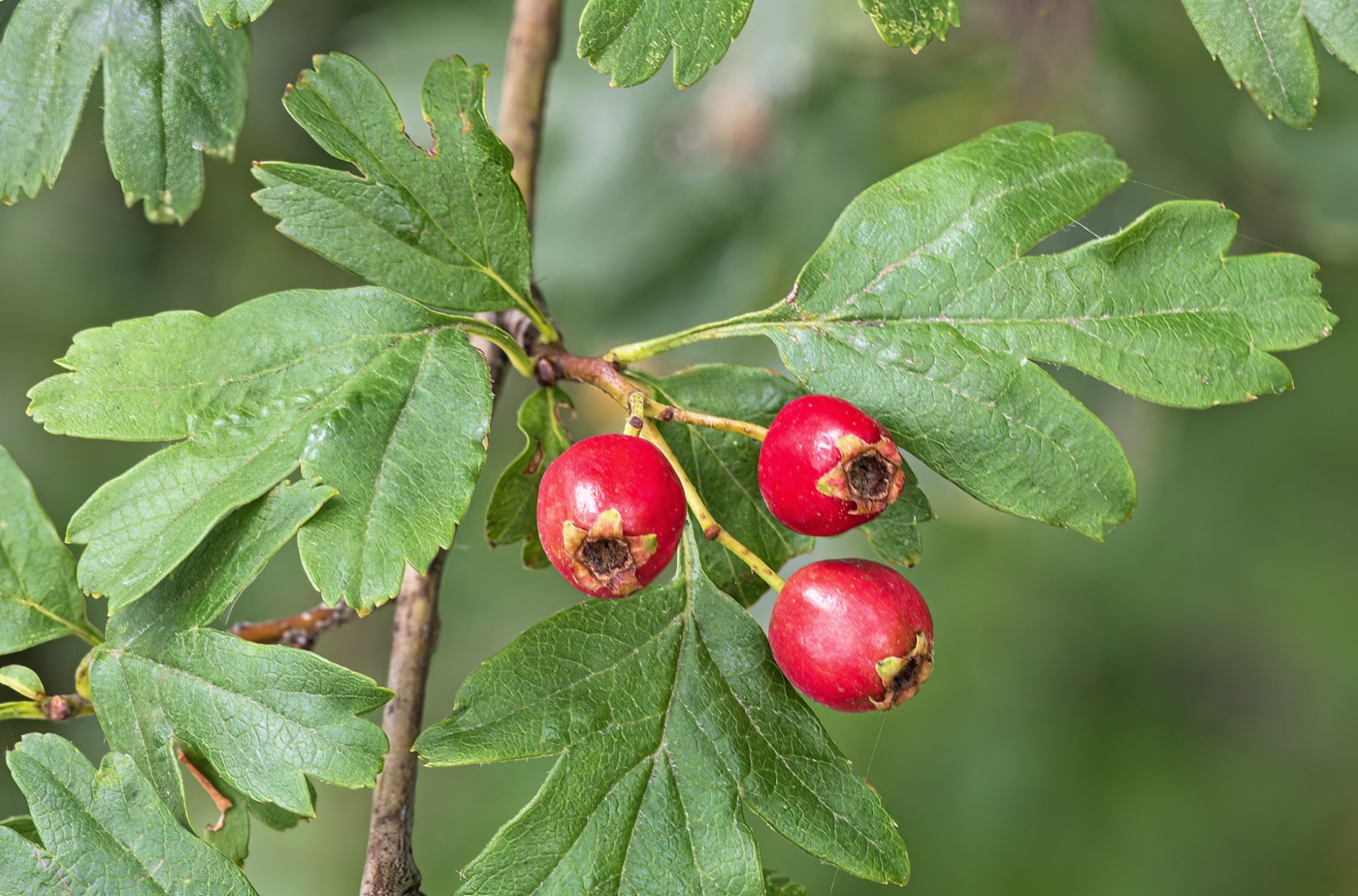
Hawthorn Berry Extract
Hawthorn (Crataegus) false-fruit extract standardised to total flavones by UV, vitexin by HPLC or oligomeric proanthocyanidins as cyanidin chloride. Vegan, allergen-free, species named on every CoA.
Specifications
| Botanical source | Crataegus monogyna Jacq., C. laevigata (Poir.) DC. (syn. C. oxyacantha) or C. pinnatifida Bunge, family Rosaceae; species named on each lot |
| Plant part | Dried false fruit (pome / haw) only. Hawthorn leaf-and-flower is a separate article with different markers and is not interchangeable |
| Extraction and native ratio | Water or ethanol–water; vacuum-concentrated and spray-dried; native ratio 4:1 to 20:1, stated on the certificate of analysis |
| Standardisation options | Total flavones 2 / 5 / 10 / 20% by UV as rutin; vitexin 1.8% by HPLC; oligomeric proanthocyanidins 5–25% by UV as cyanidin chloride |
| Flavonoid markers | Vitexin C21H20O10, MW 432.38, CAS 3681-93-4; vitexin-2''-O-rhamnoside C27H30O14, MW 578.52, CAS 64820-99-1; hyperoside C21H20O12, CAS 482-36-0 |
| Procyanidin chemistry | (+)-Catechin, (−)-epicatechin and oligomers led by procyanidin B2; reported as procyanidins expressed as cyanidin chloride, C21H21ClO11 |
| Pharmacopoeial reference | Ph. Eur. 01/2021:1432 requires ≥1.5% total flavonoids as hyperoside for hawthorn LEAF AND FLOWER; that limit does not govern this berry extract |
| Appearance and solubility | Brown to reddish-brown fine powder; flavone grades to 10% are water-soluble, higher-OPC grades disperse in warm water or 30–50% ethanol |
| Particle size, LOD and ash | 100% through 80 mesh (≈180 µm); loss on drying ≤5.0%; total ash ≤5.0% |
| Heavy metals and microbiology | Pb ≤3.0, As ≤1.0, Cd ≤1.0, Hg ≤0.1 mg/kg; TPC ≤10,000 cfu/g; yeast and mould ≤500 cfu/g; E. coli and Salmonella absent in 25 g |
| Allergen and diet status | Vegan and vegetarian; no milk, egg, soy, fish, crustacean, gluten, peanut or tree nut. Rosaceae pome fruit — note for pome-fruit sensitivity screening |
| Regulatory status | Several EU member states regulate Crataegus preparations as traditional herbal medicinal products (EMA/HMPC) rather than food supplements; confirm before import |
| Shelf life and storage | 24 months from manufacture in sealed original packing; store ≤25 °C, ≤60% RH, away from direct light |
| HS code | 13021919 (India ITC-HS) — vegetable saps and extracts: other: extracts: other |
Applications
Available grades
Food and nutraceutical grade as standard. Assay options: total flavones 2%, 5%, 10% and 20% by UV as rutin; vitexin 1.8% by HPLC; oligomeric proanthocyanidins 5% to 25% by UV as cyanidin chloride; native 4:1 to 20:1 ratio powders. Species-specific lots (C. monogyna, C. laevigata or C. pinnatifida) on request; conventional and certified organic (NPOP, USDA NOP, EU); kosher and halal available; non-irradiated and non-ethylene-oxide lots on request.
Related products
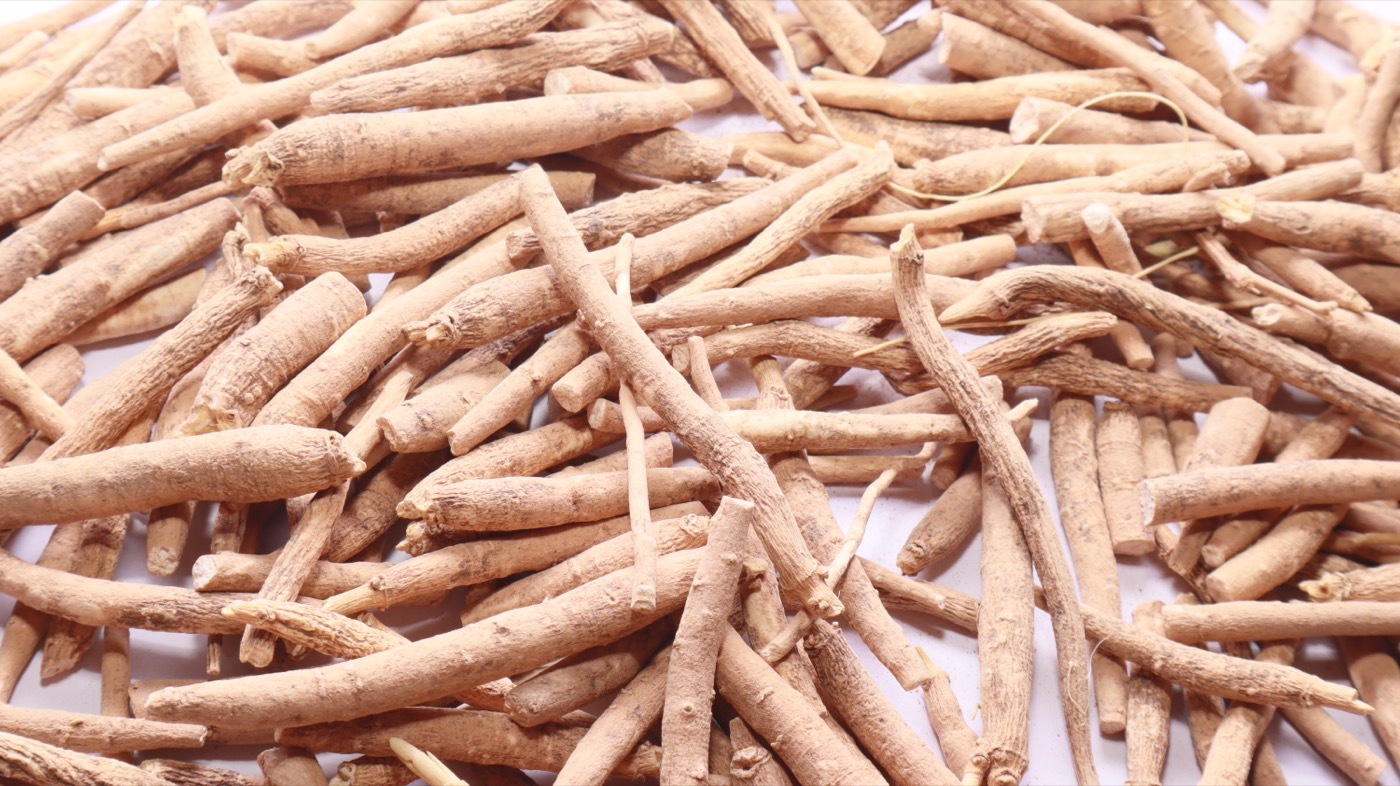
Ashwagandha Extract (Withania somnifera)
Hydro-alcoholic root extract of Withania somnifera standardised to 1.5–10% total withanolides by HPLC. Root-only material, vegan, bulk 25 kg export packing from India with batch COA.
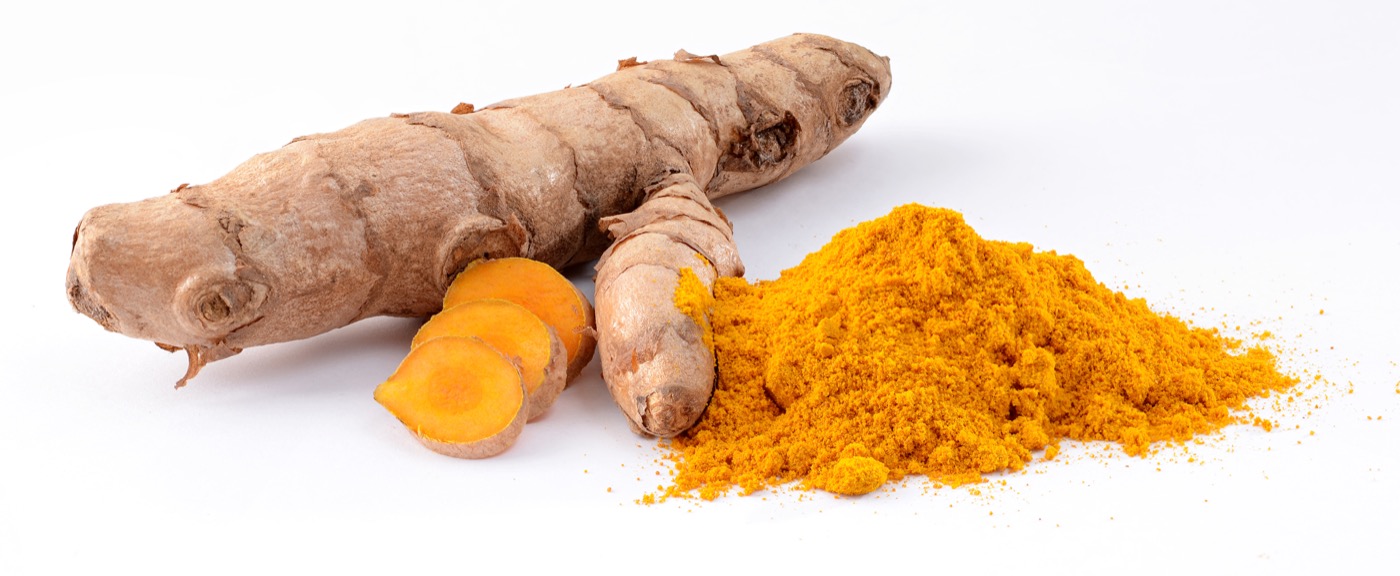
Turmeric Extract / Curcumin 95%
Purified Curcuma longa rhizome extract assaying NLT 95% total curcuminoids by HPLC, in USP curcumin / desmethoxy / bisdesmethoxy proportions. Orange-yellow crystalline powder, vegan.
Turmeric / Curcumin Extract
Standardized curcumin extract (up to 95% curcuminoids) for high-potency anti-inflammatory supplements.