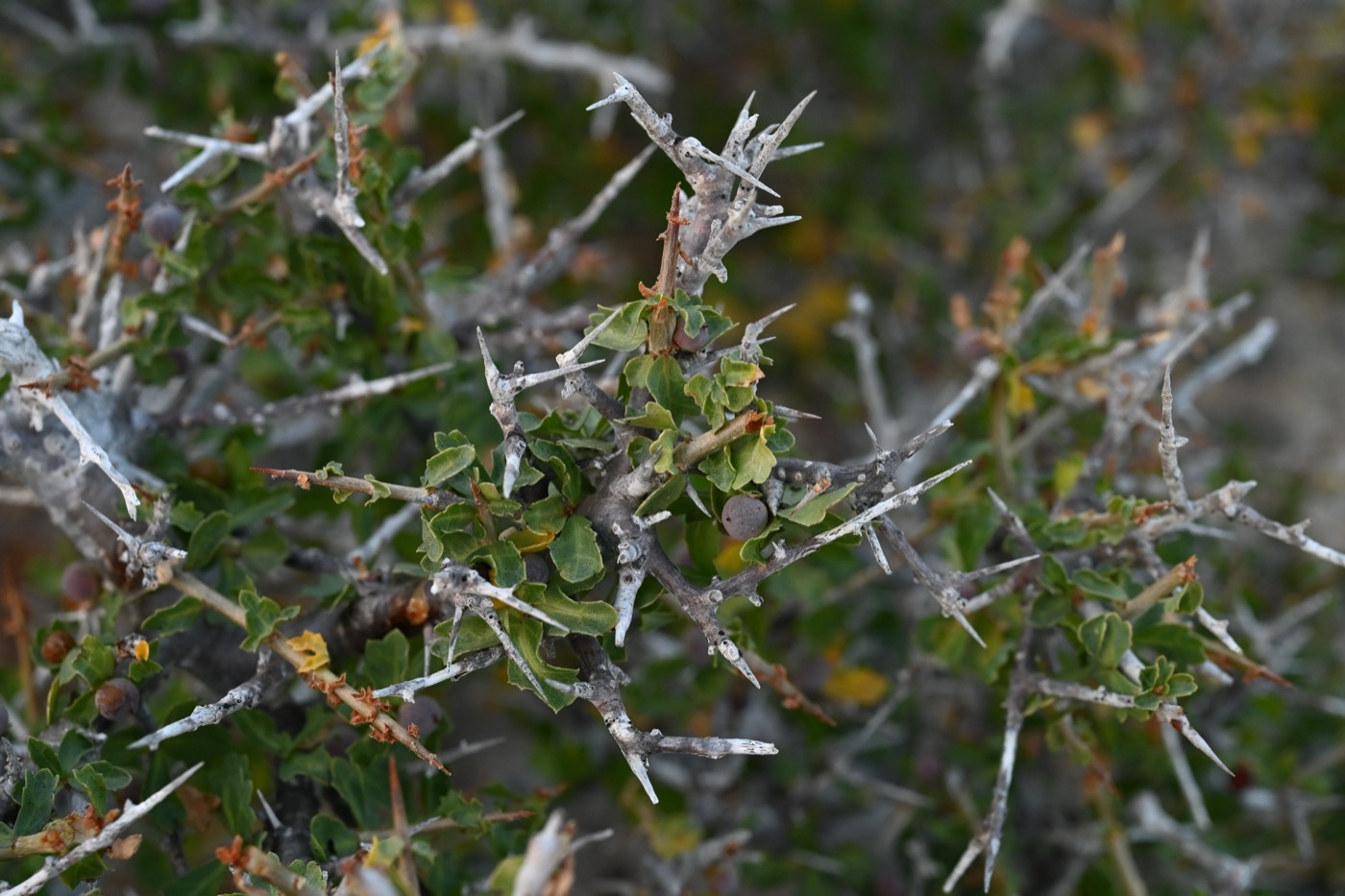
Guggul Extract (Commiphora wightii)
Ethanol extract of Commiphora wightii oleo-gum-resin, standardised to 2.5% guggulsterones E and Z by HPLC. CITES Appendix II since 5 March 2026 — supplied under export permit. Vegan.
Specifications
| Botanical source | Commiphora wightii (Arn.) Bhandari, family Burseraceae. Synonym Commiphora mukul (Stocks) Hook. Also traded as Indian bdellium or guggulu |
| Part used | Oleo-gum-resin exuded from the stem bark, cleaned of bark and grit before extraction |
| Standardisation | Guggulsterones E + Z NLT 2.5% by HPLC. 1.5%, 5% and 10% grades available; UV-assayed grades quoted separately |
| Marker chemistry | (Z)-Guggulsterone CAS 39025-23-5 and (E)-Guggulsterone CAS 39025-24-6, both C21H28O2, MW 312.45 |
| Assay method caution | UV reads higher than HPLC on the same lot because co-absorbing resin constituents interfere. Name the method on the PO; HPLC is the defensible basis for a label claim |
| Guggulipid grade | Ethyl acetate fraction of the gum-resin, approx. 40% guggulipid by gravimetry, for buyers matching legacy specifications |
| CITES status | Appendix II, Annotation #19, in force 5 March 2026. Bulk extract and powder are in scope; export permit required. Retail-ready finished dosage forms are exempt |
| Extraction solvent | Food-grade ethanol only. Residual solvents to ICH Q3C and USP <467>. No chlorinated solvents |
| Appearance & odour | Fine yellowish-brown to brown powder with a characteristic balsamic, resinous odour |
| Solubility | Soluble in ethanol; only partly dispersible in water. Carrier grades available where aqueous dispersion is needed |
| Particle size / LOD / ash | NLT 95% through 40 mesh; LOD NMT 5.0% at 105 °C; total ash NMT 5.0% |
| Heavy metals & microbiology | Pb, As, Cd, Hg by ICP-MS to USP <232>. TPC NMT 10,000 cfu/g; yeast & mould NMT 100 cfu/g; E. coli and Salmonella absent |
| Allergen & diet status | Solvent-extracted grade is vegan; free from milk, egg, soy, fish, crustacean, peanut, tree nut, sesame and gluten. Classical shodhita guggul uses cow's milk and ghee — declare milk |
| Shelf life & storage | 24 months from manufacture in sealed original packing below 25 °C, protected from light and moisture; resinous, keep cool to avoid caking |
| HS code | 1302.19 (13021919) |
Applications
Available grades
Guggulsterones E + Z at 1.5%, 2.5%, 5% and 10% — state HPLC or UV on the order, the two are not equivalent. Guggulipid at approx. 40% by gravimetry. Native 10:1 concentrate. Powder or granulated. Cultivated and sustainably tapped source lots documented for CITES non-detriment findings.
Related products
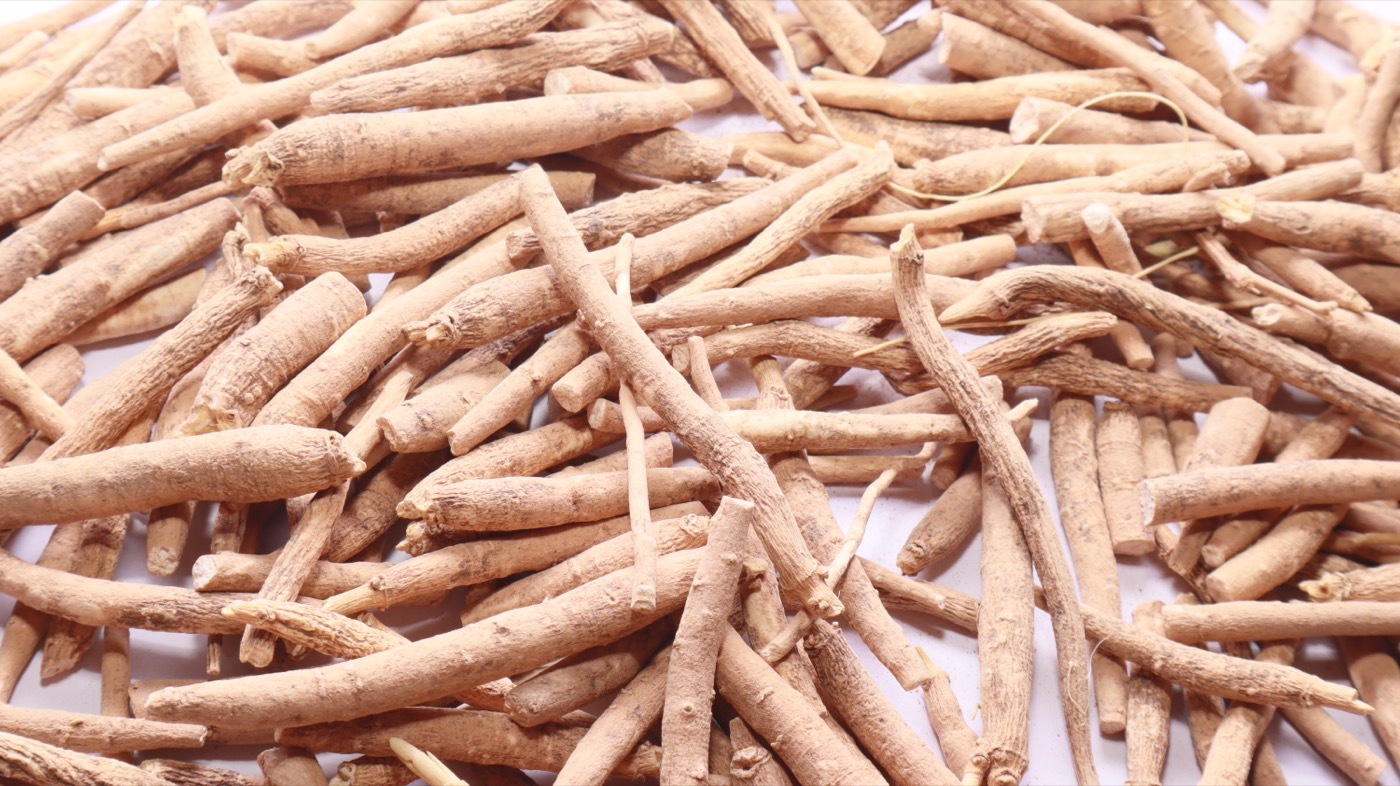
Ashwagandha Extract (Withania somnifera)
Hydro-alcoholic root extract of Withania somnifera standardised to 1.5–10% total withanolides by HPLC. Root-only material, vegan, bulk 25 kg export packing from India with batch COA.
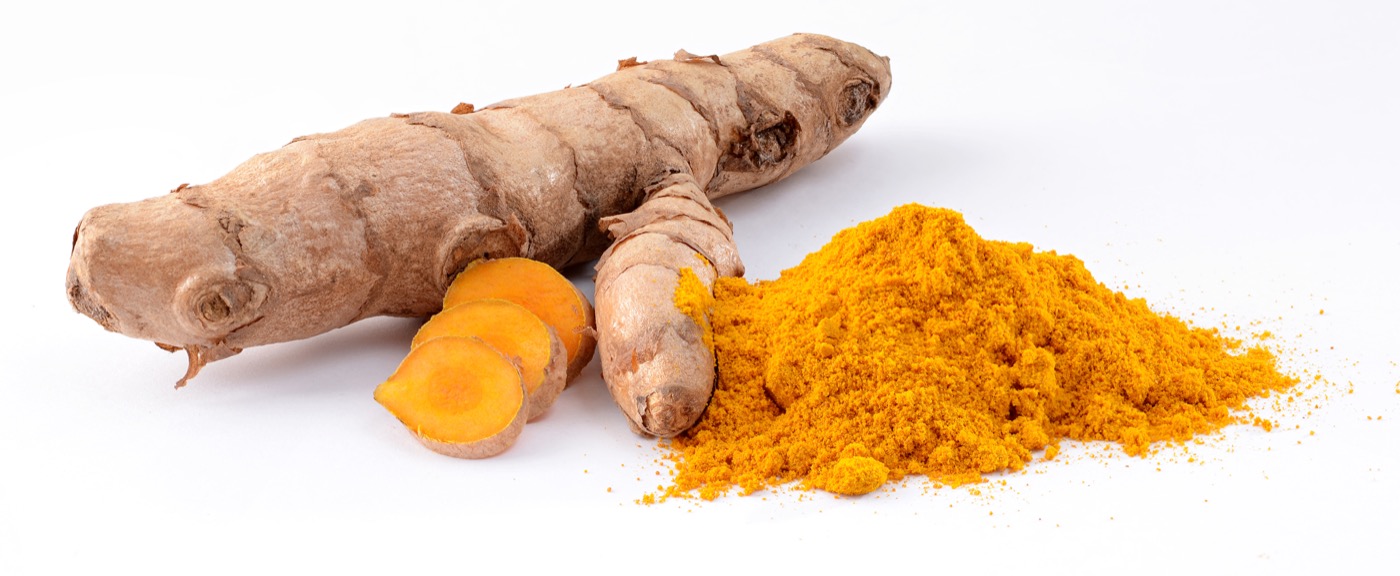
Turmeric Extract / Curcumin 95%
Purified Curcuma longa rhizome extract assaying NLT 95% total curcuminoids by HPLC, in USP curcumin / desmethoxy / bisdesmethoxy proportions. Orange-yellow crystalline powder, vegan.
Turmeric / Curcumin Extract
Standardized curcumin extract (up to 95% curcuminoids) for high-potency anti-inflammatory supplements.