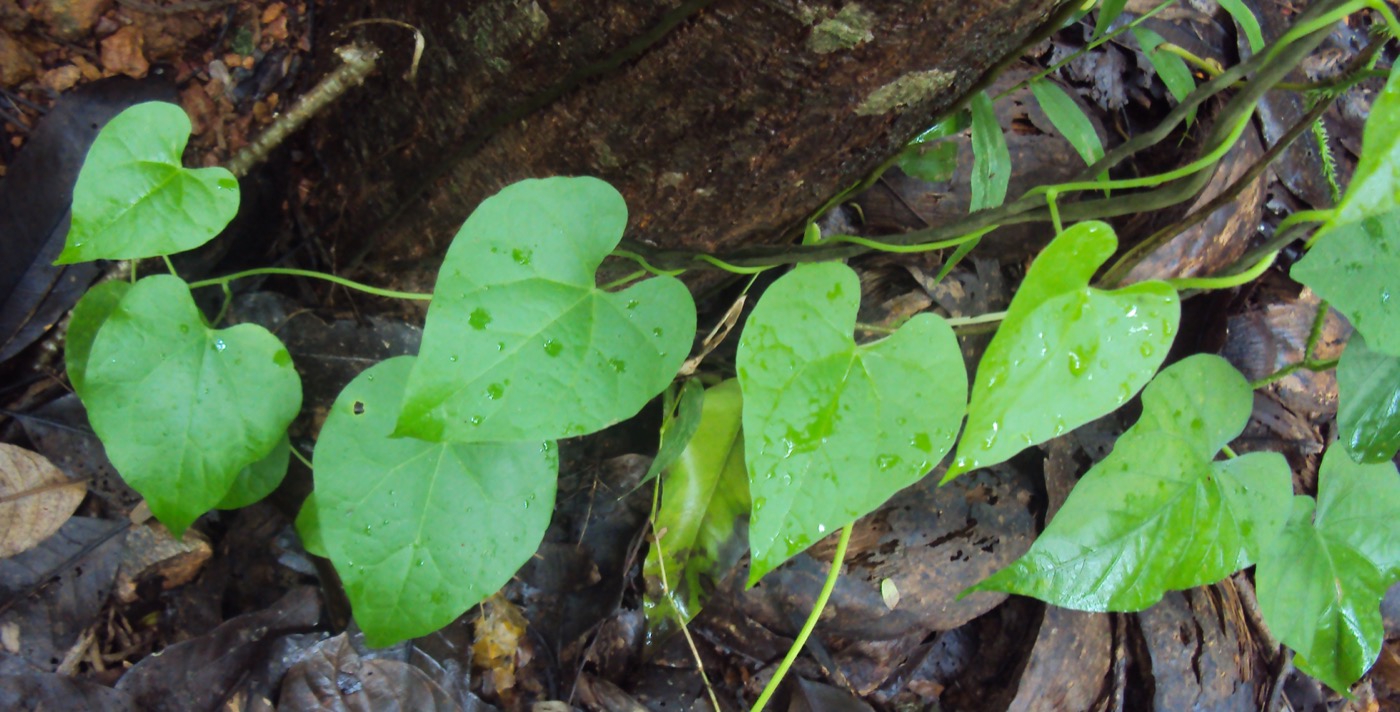
Guduchi Satva (Tinospora cordifolia starch)
The classical Ayurvedic satva of Guduchi: the starch-rich sediment settled from macerated Tinospora cordifolia stem. A starch material, not a marker-standardised Tinospora extract.
Specifications
| Botanical source | Tinospora cordifolia (Willd.) Hook.f. & Thomson, family Menispermaceae. Ayurvedic names Guduchi, Giloy, Amrita. Stem is the officially recognised drug in the API. |
| Product type | Classical satva: starch-rich sediment settled from aqueous maceration of crushed stem, then filtered and dried. Not a solvent extract and not marker-standardised. |
| What this is not | Not a bitters-standardised Guduchi extract. If a tinosporaside, cordifolioside A or magnoflorine assay is required, order Thovek's Tinospora extract SKU instead. |
| Composition profile | Screening of multi-season satva found alkaloids, carbohydrates and starch present; glycosides, tannins, saponins, flavonoids, phenols, proteins and steroids absent. |
| Appearance | Cream to greenish white fine powder. Stem-derived material runs slightly greyish to greenish; root-derived satva is pure white. Microscopy shows starch grains. |
| Organoleptics and season | Varsha (monsoon) lots are greenish white, slightly bitter, with the characteristic smell of Guduchi juice; other seasons give essentially tasteless, odourless material. |
| Yield and seasonality | Yield is highest in Shishira Ritu (January to February) and lowest in Grishma (May to June). Total alkaloid content runs somewhat higher in Varsha and Vasanta. |
| Collection season declared | The stem collection season is stated on the certificate of analysis so buyers can hold colour, taste and alkaloid character consistent across repeat orders. |
| Raw material authentication | DNA barcoding of southern Indian raw drug markets found ~20% of traded Guduchi stem non-authentic; T. sinensis is the closest adulterant. DNA identity report on request. |
| Solubility and particle size | Practically insoluble in cold water, forms a paste on heating in water as a starch does; insoluble in ethanol. 100% through 60 mesh as standard. |
| Loss on drying | Thovek default offer NMT 5.0% w/w at 105 °C; final figure and pH range set in the buyer-approved specification. |
| Heavy metals | Lead NMT 10 ppm, arsenic NMT 3 ppm, cadmium NMT 0.3 ppm, mercury NMT 1 ppm — the AYUSH / Ayurvedic Pharmacopoeia of India limits for ASU herbal products. |
| Microbiology | Total plate count NMT 1x10^5 cfu/g; yeast and mould NMT 1x10^3 cfu/g; E. coli, Salmonella spp., S. aureus and P. aeruginosa absent, per ASU pharmacopoeial limits. |
| Allergen and dietary status | Plant starch. No milk, egg, soy, fish, crustacean, gluten or tree-nut input; not a cereal starch. Vegan and vegetarian; no bovine, porcine or marine material. |
| HS code | 1108.19 (11081990) |
Applications
Available grades
Stem-derived satva (standard, greyish to greenish white) and root-derived satva (pure white, limited availability, quoted separately). Season-declared lots for buyers holding a fixed colour and taste profile. Food grade and ASU/nutraceutical grade; kosher and halal certification available on request.
Related products
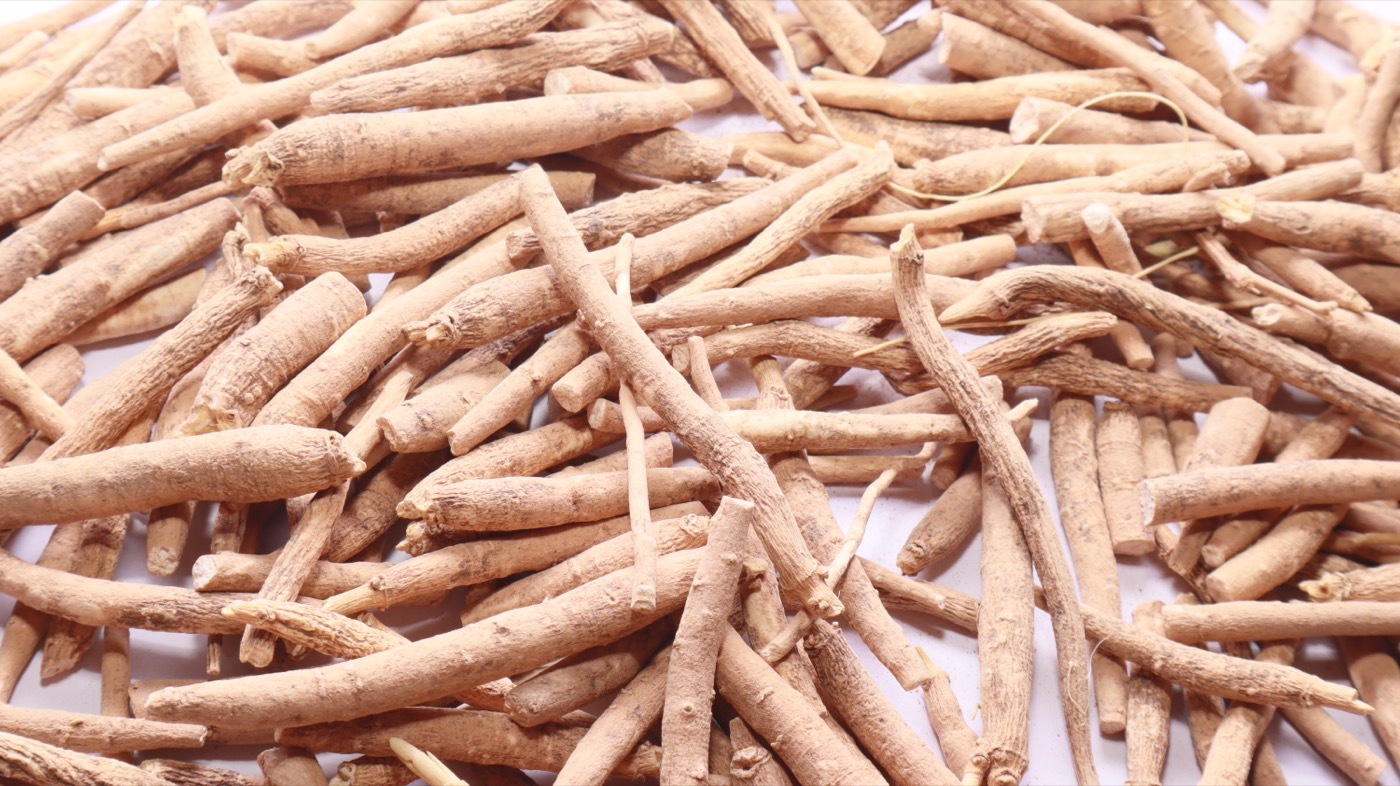
Ashwagandha Extract (Withania somnifera)
Hydro-alcoholic root extract of Withania somnifera standardised to 1.5–10% total withanolides by HPLC. Root-only material, vegan, bulk 25 kg export packing from India with batch COA.
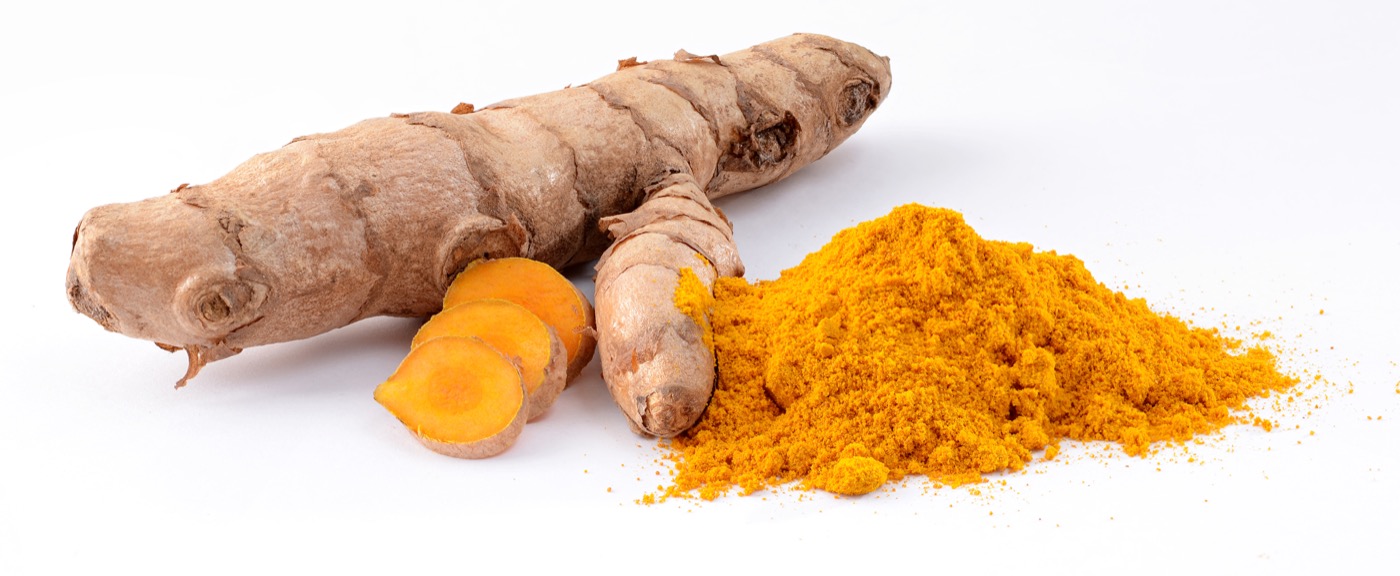
Turmeric Extract / Curcumin 95%
Purified Curcuma longa rhizome extract assaying NLT 95% total curcuminoids by HPLC, in USP curcumin / desmethoxy / bisdesmethoxy proportions. Orange-yellow crystalline powder, vegan.
Turmeric / Curcumin Extract
Standardized curcumin extract (up to 95% curcuminoids) for high-potency anti-inflammatory supplements.