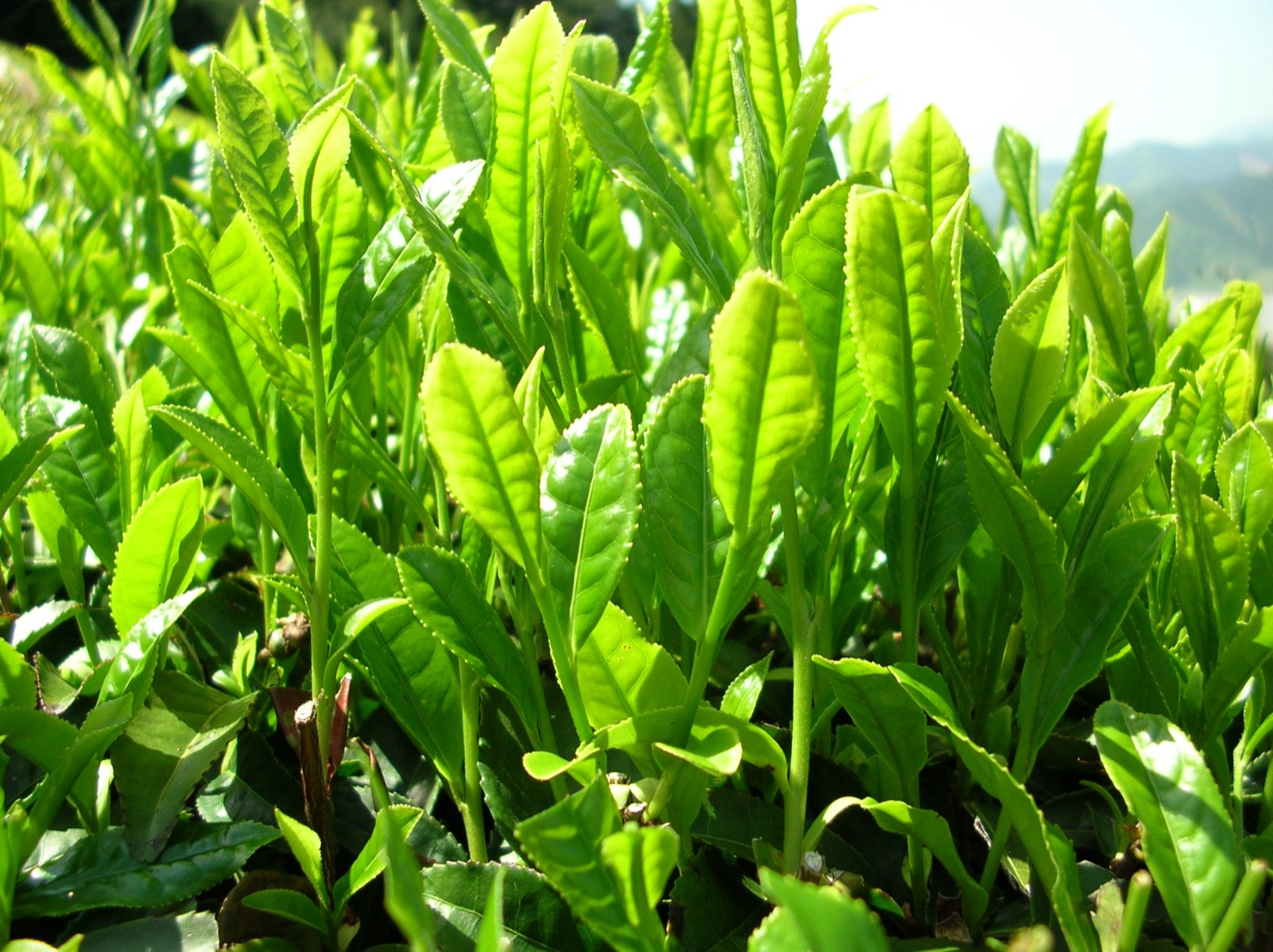
Green tea extract (EGCG)
Extract of unfermented Camellia sinensis leaf standardised on tea polyphenols and EGCG, from 50% polyphenols up to 98% EGCG isolates, in regular and decaffeinated grades for capsules, beverages and premixes.
Specifications
| Botanical source | Camellia sinensis (L.) Kuntze (Theaceae), young unfermented leaf and leaf bud; plant-to-extract ratio typically 6:1 to 10:1 (USP basis) |
| Standardisation | Total tea polyphenols 50-98% and EGCG 40-98% by HPLC, to the agreed grade; total catechins reported separately on the CoA |
| USP reference limits | Powdered Decaffeinated Green Tea Extract: total catechins NLT 60.0% as EGCG, EGCG NLT 40.0%, caffeine NMT 0.1% anhydrous |
| Marker compound | (-)-Epigallocatechin gallate (EGCG), C22H18O11, MW 458.37, CAS 989-51-5 |
| Companion catechins | (-)-Epigallocatechin, (-)-epicatechin-3-O-gallate and (-)-epicatechin, quantified alongside EGCG in the USP catechin assay |
| Appearance | Off-white to light yellow or yellowish-brown fine powder depending on purity grade, with a characteristic tea odour |
| Solubility | EGCG dissolves in water, ethanol, DMSO and dimethylformamide at about 20 g/L; high-polyphenol grades are supplied water-dispersible |
| Caffeine | Declared per grade: USP decaffeinated NMT 0.1% anhydrous; non-decaffeinated grades retain native leaf caffeine, quantified by HPLC per batch |
| Loss on drying (water) | Not more than 6.0%, determined on 0.5 g (USP) |
| Residue on ignition | Not more than 0.5%, determined on 1.0 g (USP) |
| Heavy metals and microbiology | USP heavy metals NMT 20 ug/g; aerobic count NMT 10^4 cfu/g, yeast and mould NMT 10^3 cfu/g, Salmonella and E. coli absent |
| EU market restriction | Reg. (EU) 2022/2340 keeps a food portion below 800 mg EGCG and mandates EGCG-per-portion, max-portion and warning statements on the label |
| Allergens and origin | Plant-derived, vegan and vegetarian; no milk, egg, soy, fish, crustacean, peanut, tree nut, sesame or gluten input; any carrier is maize maltodextrin |
| Shelf life | 24 months unopened, stored cool, dry and protected from light |
| HS code | 2101 20 90 |
Applications
Available grades
Polyphenols 50% / EGCG 30%; polyphenols 90% / EGCG 45%; polyphenols 98% / EGCG 50%; total catechins 80% / EGCG 50%; EGCG 90% and 98% isolates; decaffeinated (caffeine NMT 0.5%) and USP-basis decaffeinated (NMT 0.1%); water-soluble, granulated and organic-certified options.
Related products
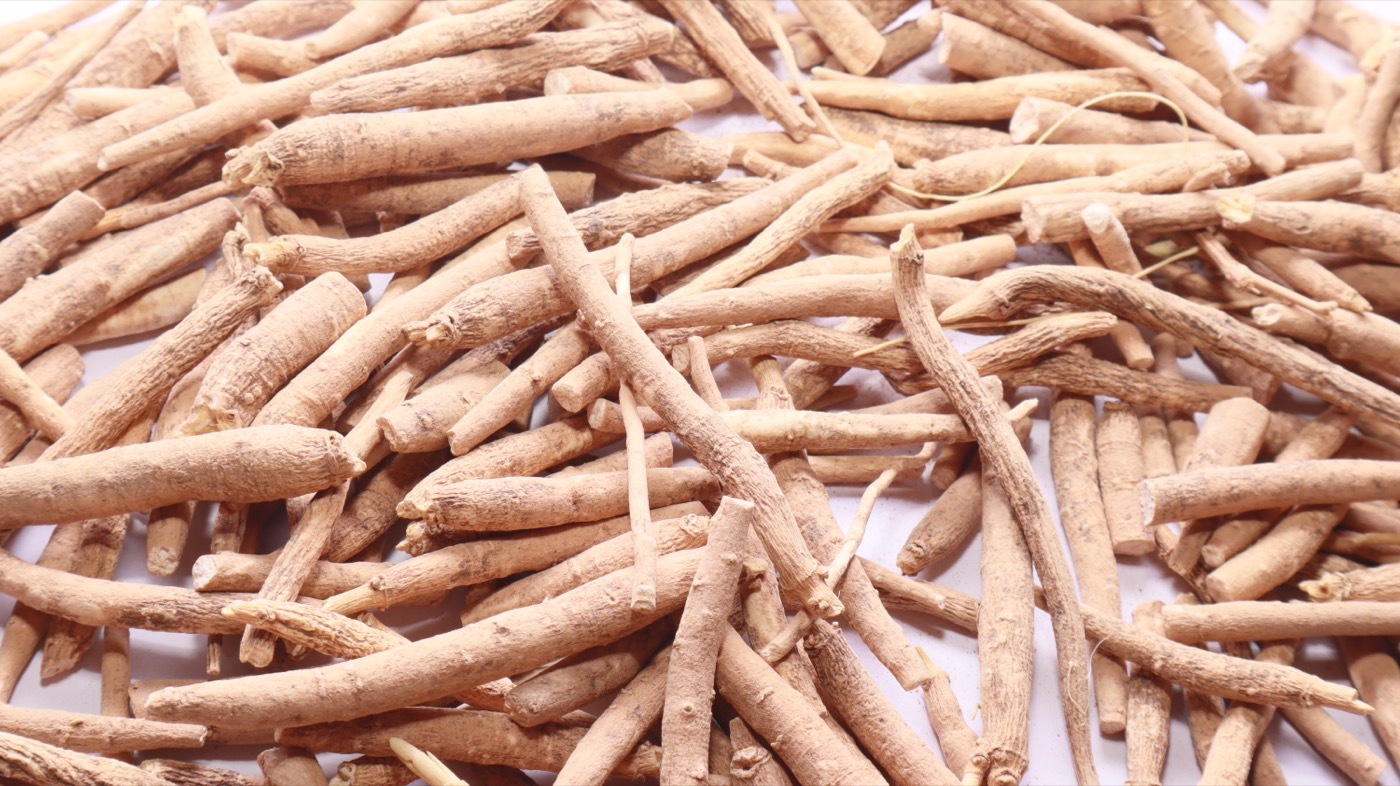
Ashwagandha Extract (Withania somnifera)
Hydro-alcoholic root extract of Withania somnifera standardised to 1.5–10% total withanolides by HPLC. Root-only material, vegan, bulk 25 kg export packing from India with batch COA.
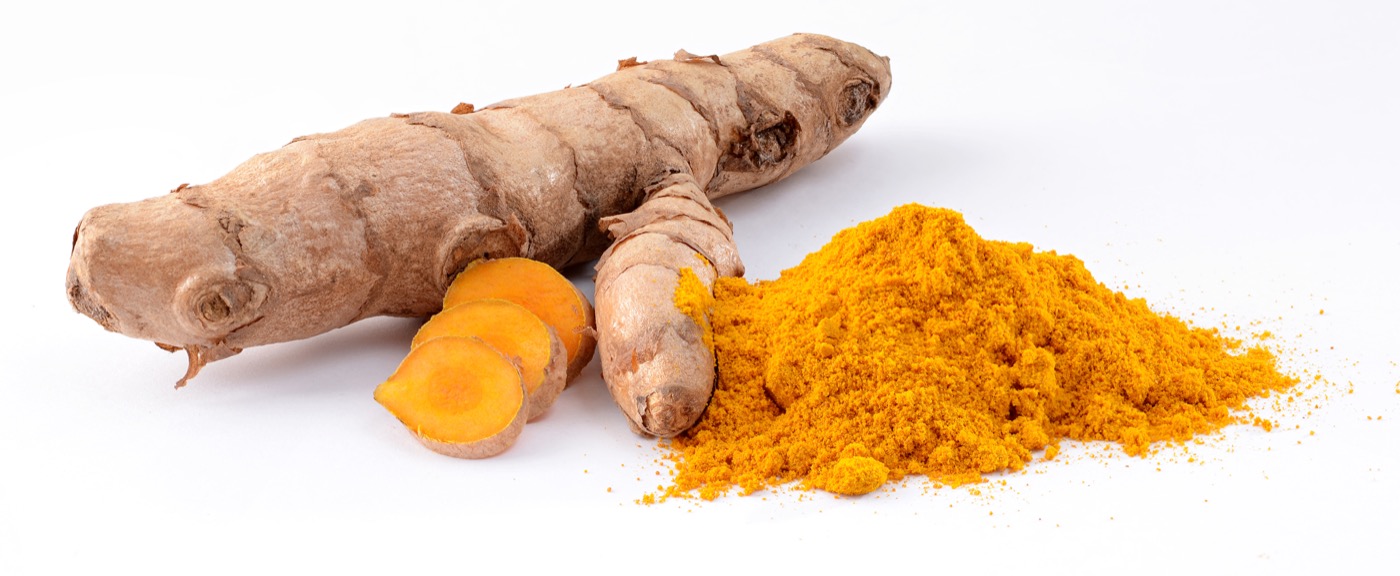
Turmeric Extract / Curcumin 95%
Purified Curcuma longa rhizome extract assaying NLT 95% total curcuminoids by HPLC, in USP curcumin / desmethoxy / bisdesmethoxy proportions. Orange-yellow crystalline powder, vegan.
Turmeric / Curcumin Extract
Standardized curcumin extract (up to 95% curcuminoids) for high-potency anti-inflammatory supplements.