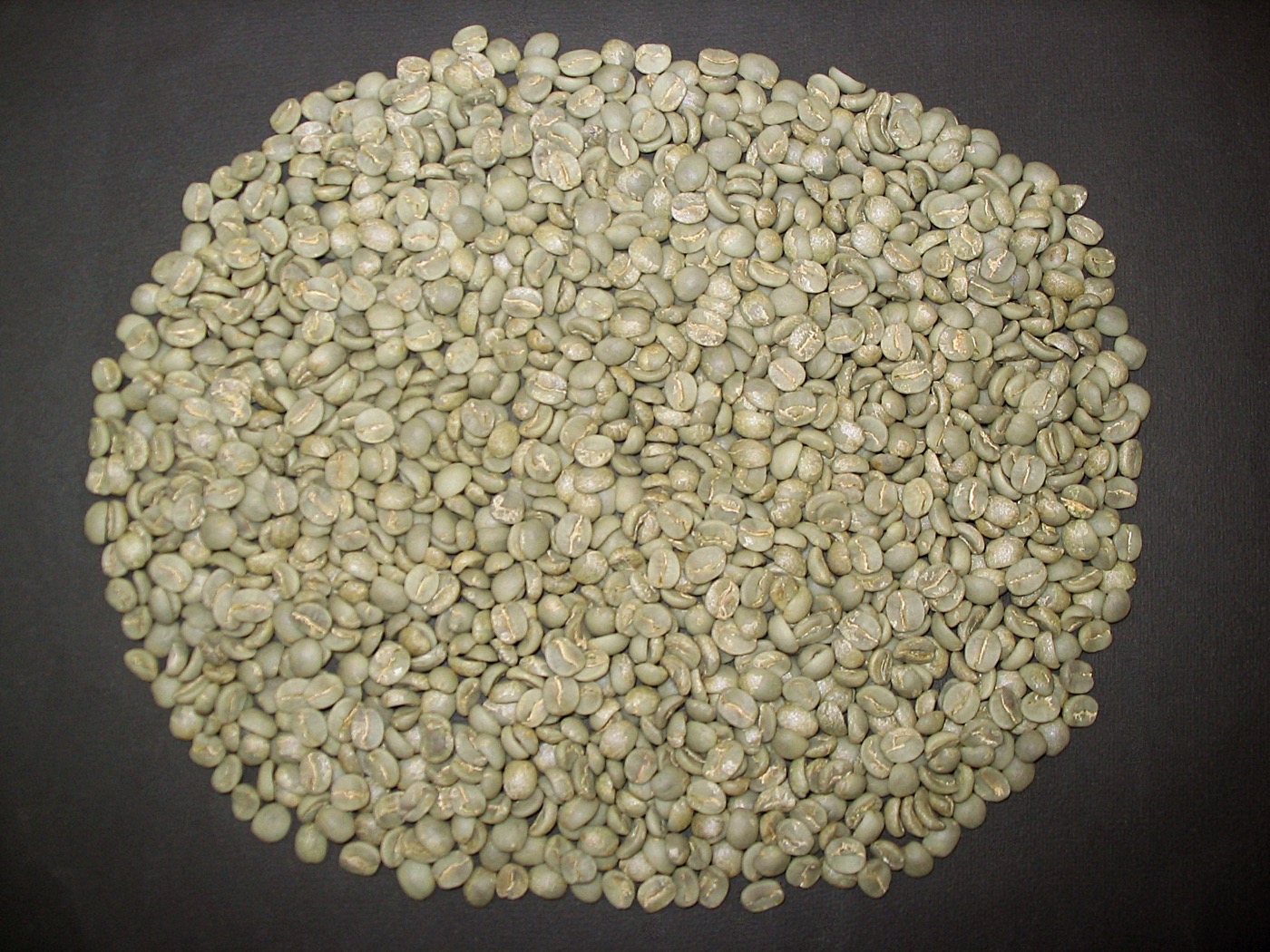
Green coffee bean extract (Chlorogenic acid)
Extract of unroasted Coffea canephora and Coffea arabica seed standardised to 45-50% total chlorogenic acids by HPLC, with a per-batch caffeine declaration and water-soluble grades for beverage work.
Specifications
| Botanical source | Unroasted green seed of Coffea canephora Pierre ex A. Froehner (robusta) and/or Coffea arabica L. (Rubiaceae) |
| Standardisation | Total chlorogenic acids 45% and 50% by HPLC as headline grades; 10%, 20% and 60% grades available to order |
| Marker compound | Chlorogenic acid (5-O-caffeoylquinic acid), C16H18O9, MW 354.31, CAS 327-97-9 |
| CGA profile | Total CGA is a family of caffeoylquinic and feruloylquinic acid isomers dominated by 5-CQA, with dicaffeoylquinic acids also present |
| Assay method | Specify HPLC on the purchase spec - UV against a single 5-CQA standard reads higher than an isomer-resolved HPLC assay for the same material |
| Extraction | Hot water or water-ethanol extraction of green beans, vacuum concentration and spray drying; no roasting step, which would degrade the CGA fraction |
| Appearance | Light brown to brown fine powder with a characteristic mild green-coffee odour and astringent taste |
| Solubility | Water-soluble (instant) grades supplied for beverage work; standard grades disperse in hot water and in aqueous ethanol |
| Caffeine | Native caffeine varies widely across commercial green coffee extracts; an HPLC caffeine figure is declared on every batch, low-caffeine grades to order |
| Mycotoxins | Green coffee is an ochratoxin A risk commodity; OTA tested on incoming beans and on finished extract to the destination limit |
| Heavy metals and microbiology | Lead, arsenic, cadmium and mercury plus total plate count, yeast and mould, Salmonella and E. coli reported per batch to the destination limit |
| Pesticides and residual solvents | Screened per batch against the buyer's regional panel; residual solvent limits set to ICH Q3C class 3 where ethanol is used |
| Allergens and origin | Plant-derived, vegan and vegetarian; no milk, egg, soy, fish, crustacean, peanut, tree nut, sesame or gluten input; any carrier is maize maltodextrin |
| Shelf life | 24 months unopened, stored cool, dry and below 25 C, away from direct light |
| HS code | 2101 11 90 |
Applications
Available grades
Total chlorogenic acids 10%, 20%, 45%, 50% and 60% by HPLC; UV-basis grades quoted separately and never interchanged with HPLC figures; water-soluble (instant) grades for beverages; low-caffeine, organic-certified, granular and 80-mesh options.
Related products
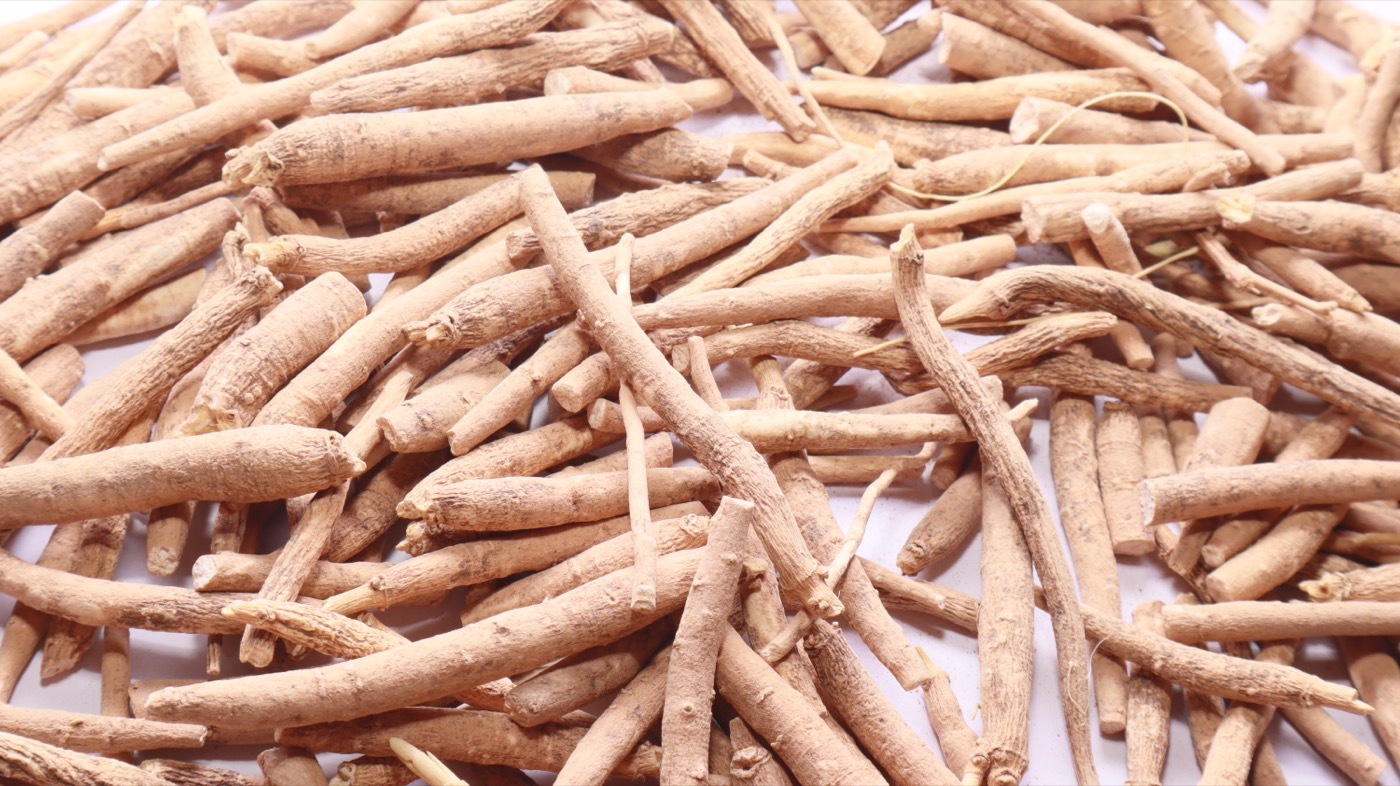
Ashwagandha Extract (Withania somnifera)
Hydro-alcoholic root extract of Withania somnifera standardised to 1.5–10% total withanolides by HPLC. Root-only material, vegan, bulk 25 kg export packing from India with batch COA.
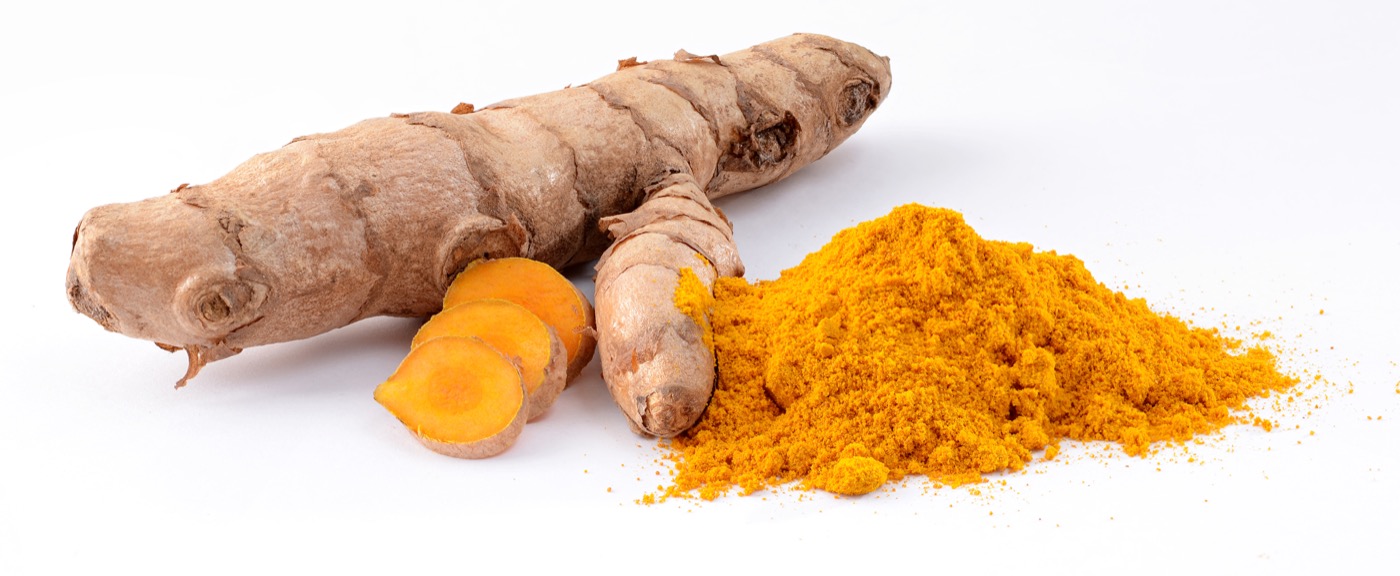
Turmeric Extract / Curcumin 95%
Purified Curcuma longa rhizome extract assaying NLT 95% total curcuminoids by HPLC, in USP curcumin / desmethoxy / bisdesmethoxy proportions. Orange-yellow crystalline powder, vegan.
Turmeric / Curcumin Extract
Standardized curcumin extract (up to 95% curcuminoids) for high-potency anti-inflammatory supplements.