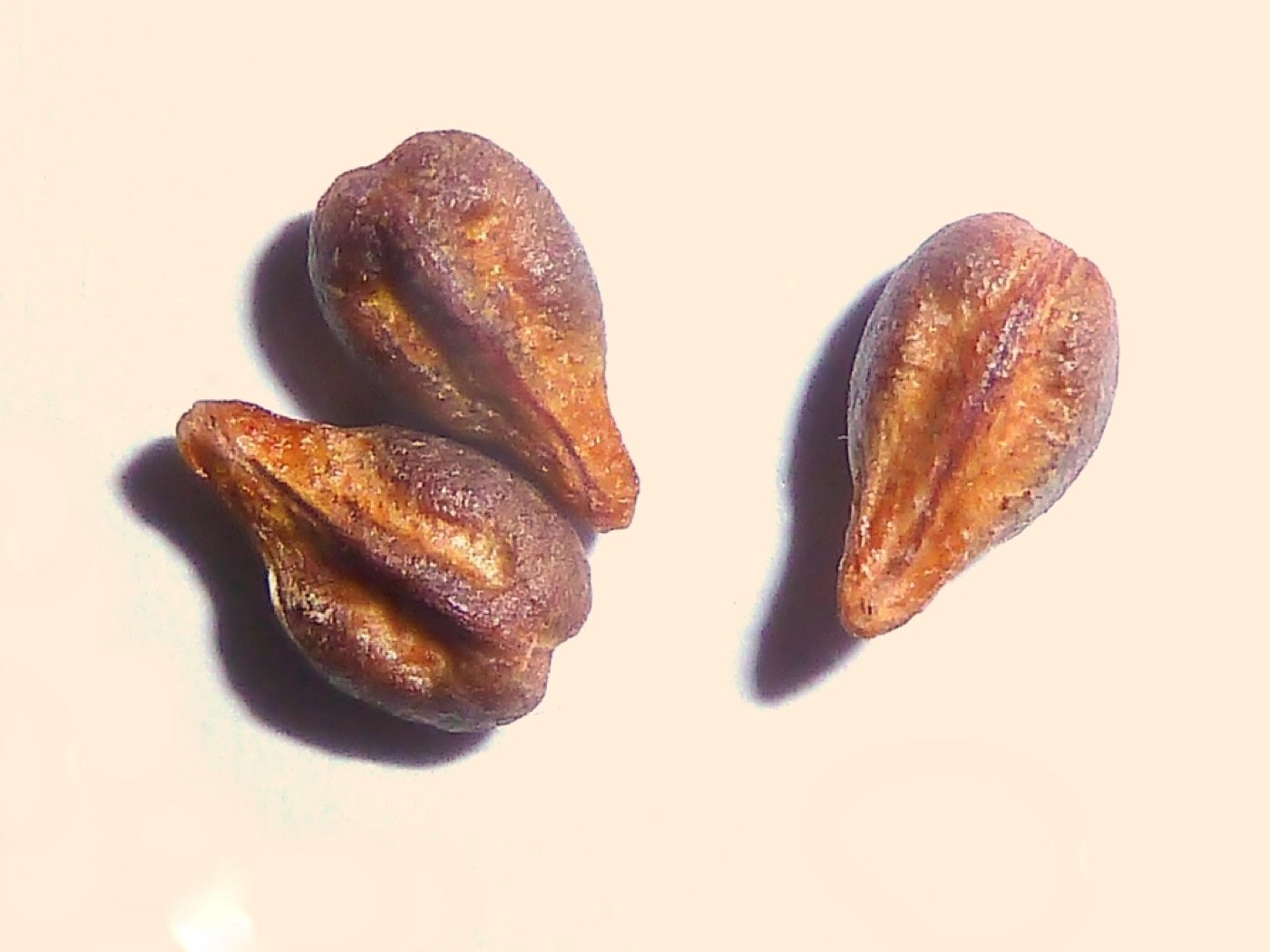
Grape seed extract (OPC)
Bulk grape seed extract from ripe Vitis vinifera seeds, standardised to 95% total proanthocyanidins by UV and not less than 75% oligomeric proanthocyanidins by HPLC, fingerprinted peanut-skin-free.
Specifications
| Botanical source | Vitis vinifera L. (Vitaceae), ripe seeds recovered from wine and juice processing; food-grade water-ethanol extraction |
| Standardisation | Total proanthocyanidins NLT 95.0% by UV-Vis; oligomeric proanthocyanidins (OPC) NLT 75.0% by HPLC. Both lines stated on every CoA |
| Reference monograph | USP Grape Seeds Oligomeric Proanthocyanidins: NLT 75.0% OPC on the anhydrous basis, plant-to-extract ratio 70:1 to 10:1 |
| Marker chemistry | (+)-Catechin and (-)-epicatechin monomers, procyanidin dimers B1 and B2, DP2-DP5 oligomers, plus a polymeric procyanidin fraction above DP5 |
| Adulteration control | HPLC and TLC fingerprint against authenticated grape seed material every lot, to exclude peanut skin and pine bark extract; peanut-free statement issued |
| Appearance and taste | Fine reddish-brown to purple-brown powder, characteristic astringent taste |
| Solubility | Soluble in water and in ethanol; suitable for aqueous beverage, liquid-shot and effervescent bases |
| Particle size | NLT 95% through 80 mesh (180 micron); instantised and granulated grades available |
| Loss on drying and ash | Loss on drying NMT 5.0%; total ash NMT 2.0%; sulphated ash reported on request |
| Heavy metals | Lead NMT 3.0 ppm, arsenic NMT 1.0 ppm, cadmium NMT 1.0 ppm, mercury NMT 0.1 ppm |
| Solvents and pesticides | Ethanol residues to USP <467> and ICH Q3C; pesticide residues to USP <561> or EU MRLs as the destination market requires |
| Microbiology | Total plate count NMT 10,000 cfu/g; yeast and mould NMT 500 cfu/g; E. coli and Salmonella absent in 10 g |
| Allergens and origin | Verified peanut-free; free from milk, egg, soy, fish, crustacean, tree nut and gluten. Vegan; no animal-derived processing aids or carriers |
| Shelf life | 24 months from manufacture in unopened original packing, stored cool and dry. |
| HS code | 1302 19 19 |
Applications
Available grades
Standard 95% proanthocyanidins (UV) with NLT 75% OPC (HPLC); 95% UV / 60% OPC economy grade; 80% and 85% proanthocyanidin grades; instantised water-dispersible grade; low-residual-solvent grade for pharma buyers. Organic-certified (NOP/EU), kosher and halal available on request.
Related products
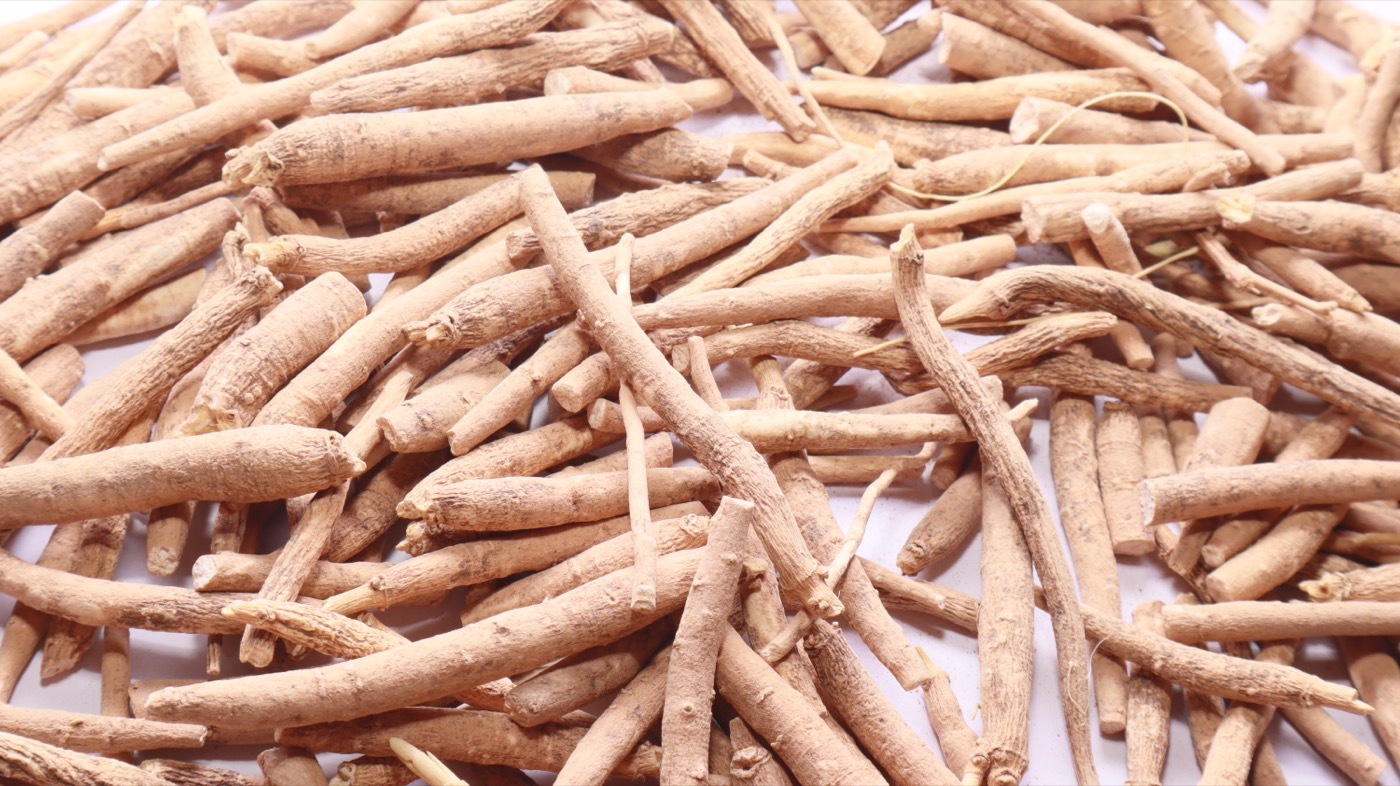
Ashwagandha Extract (Withania somnifera)
Hydro-alcoholic root extract of Withania somnifera standardised to 1.5–10% total withanolides by HPLC. Root-only material, vegan, bulk 25 kg export packing from India with batch COA.
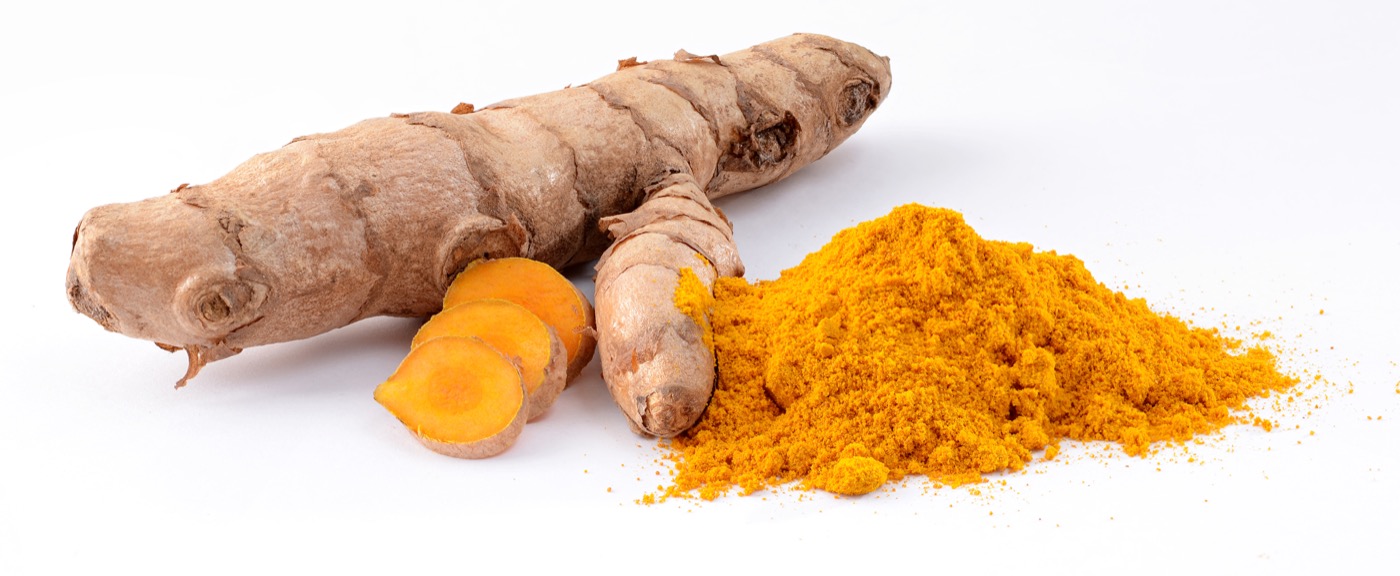
Turmeric Extract / Curcumin 95%
Purified Curcuma longa rhizome extract assaying NLT 95% total curcuminoids by HPLC, in USP curcumin / desmethoxy / bisdesmethoxy proportions. Orange-yellow crystalline powder, vegan.
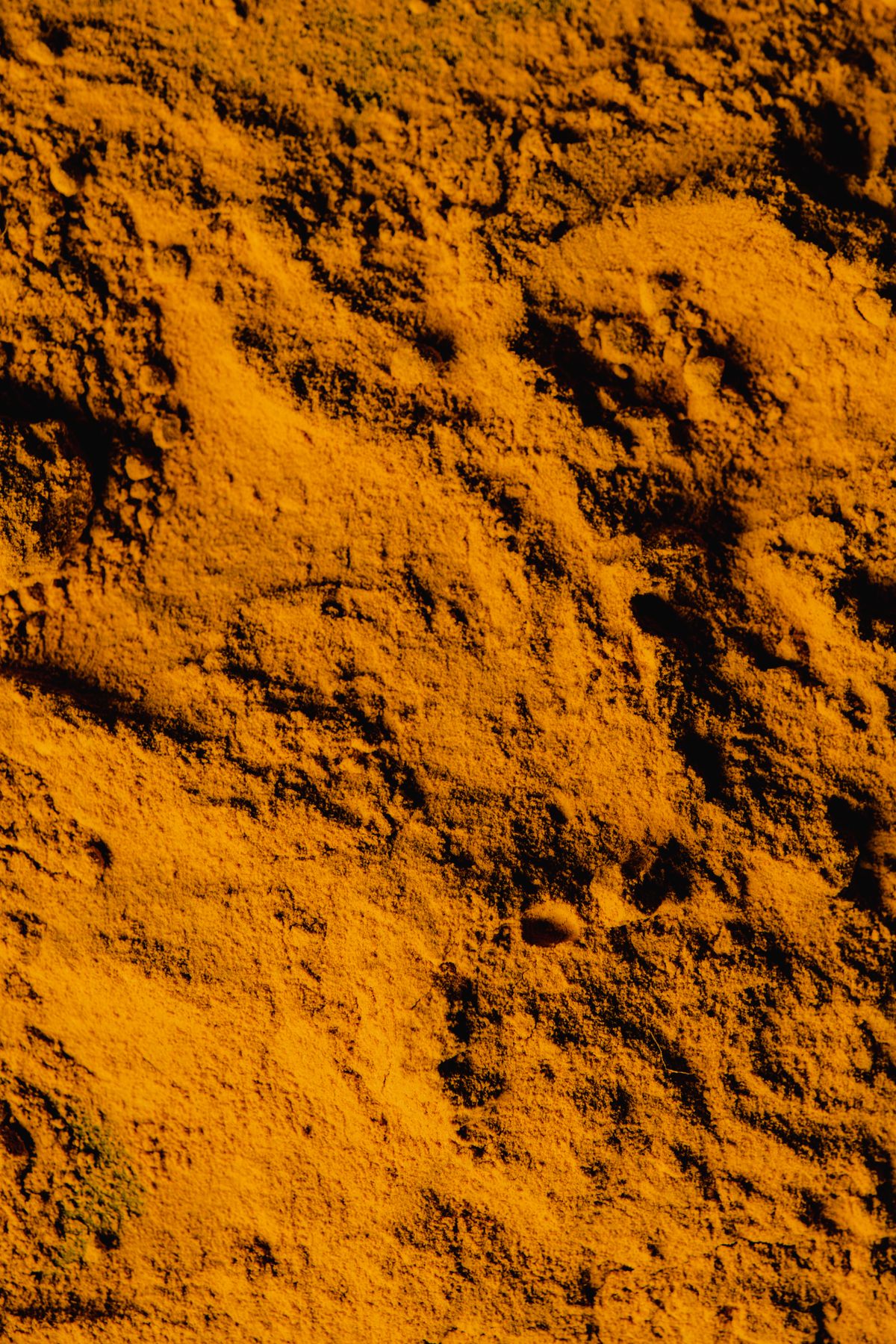
Turmeric / Curcumin Extract
Standardized curcumin extract (up to 95% curcuminoids) for high-potency anti-inflammatory supplements.