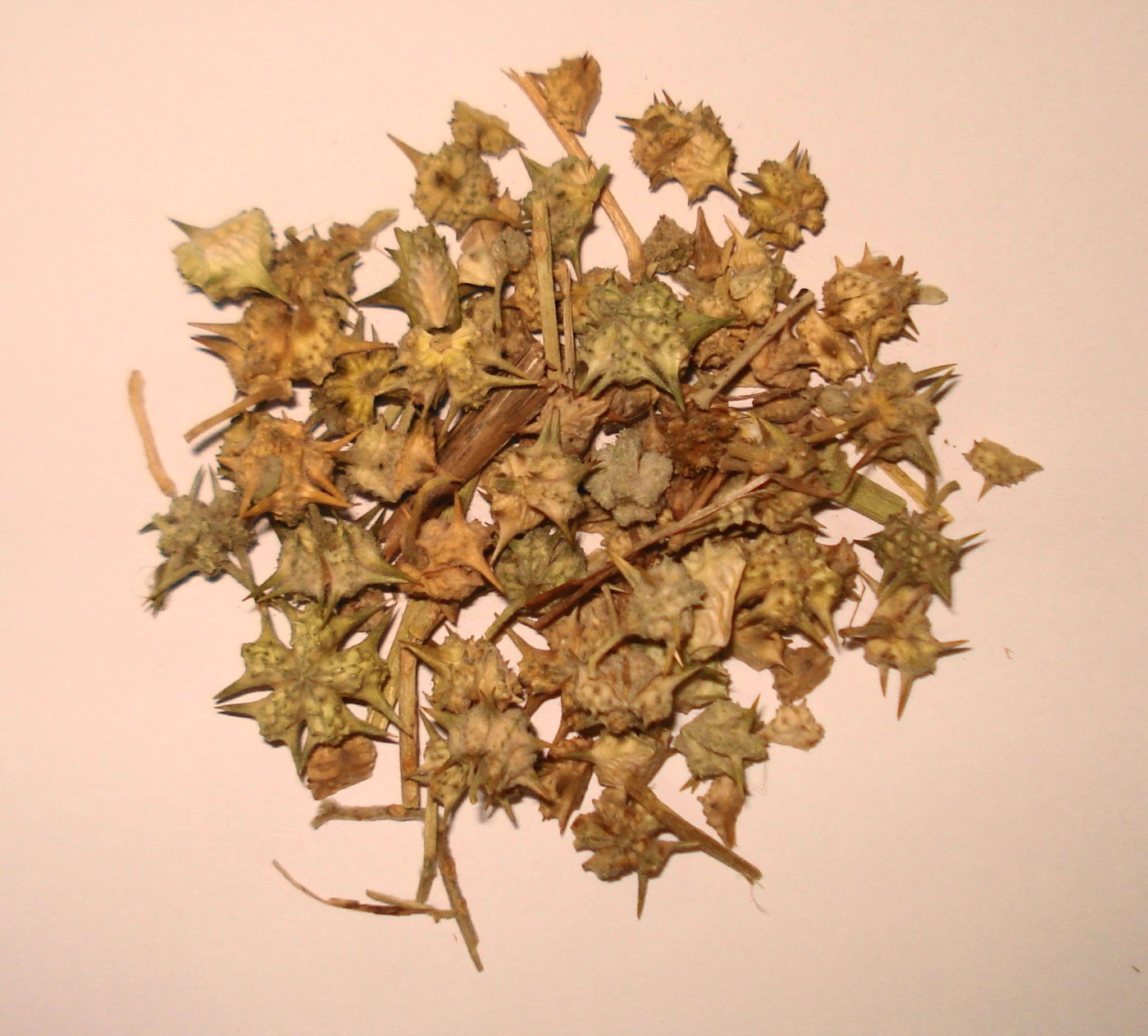
Gokshura Extract (Tribulus terrestris)
Dried Tribulus terrestris fruit extract standardised to 20%, 40%, 60% or 90% total steroidal saponins by gravimetry, with honest chemotype disclosure on protodioscin. Vegan, allergen-free, 25 kg drums.
Specifications
| Botanical source | Tribulus terrestris L., family Zygophyllaceae; dried ripe fruit, the drug Gokshura of the Ayurvedic Pharmacopoeia of India. Aerial-part material quoted separately. |
| Trade and Ayurvedic names | Gokshura, gokhru, chota gokhru, puncture vine, caltrop, devil's thorn, bindii. |
| Assay / standardisation | Total steroidal saponins 20%, 40%, 60% or 90% w/w by gravimetry (n-butanol partition), the working assay for Indian fruit material. |
| Protodioscin — chemotype note | Indian fruit is naturally low in protodioscin (Dinchev, Phytochemistry 2008). High-protodioscin grades are a Bulgarian aerial-part chemotype, quoted only where so sourced. |
| Marker compounds | Protodioscin, CAS 55056-80-9, C51H84O22, MW 1049.20 (furostanol saponin); diosgenin, CAS 512-04-9, C27H42O3, MW 414.62 (sapogenin). |
| Analytical methods | Gravimetric total saponins; protodioscin by HPLC-ELSD or HPLC-UV against a certified reference standard where specified. HPTLC identity fingerprint on every lot. |
| Extraction and solvents | Water or ethanol–water on cleaned de-stemmed fruit; no chlorinated solvents. Residual solvents within ICH Q3C Class 3 limits. |
| Appearance and particle size | Light brown to brown fine powder, characteristic odour and bitter taste. NLT 95% through 80 mesh (BSS). |
| Loss on drying and ash | LOD NMT 5.0% at 105 °C; total ash NMT 5.0%; acid-insoluble ash NMT 2.0%. Carrier, where used, is non-GM maize maltodextrin. |
| Heavy metals | Lead NMT 10 ppm, arsenic NMT 3 ppm, cadmium NMT 0.3 ppm, mercury NMT 1 ppm, to the AYUSH export limits for Ayurvedic products aligned with WHO guidance. |
| Microbiology | Total plate count NMT 10^5 cfu/g; yeast and mould NMT 10^3 cfu/g; E. coli, Salmonella, S. aureus and P. aeruginosa absent. |
| Allergen status | Free from milk, egg, soy, fish, crustacean, mollusc, gluten, peanut, tree nut, sesame, celery, mustard, lupin and sulphites. |
| Origin declaration | Vegan and vegetarian. No bovine, porcine or marine input. Fruit from Rajasthan, Gujarat and Madhya Pradesh; non-GMO, non-irradiated unless a treated lot is ordered. |
| Shelf life, storage | 36 months from manufacture in sealed original packing below 25 °C, protected from light and moisture. |
| HS code | 1302 19 19 |
Applications
Available grades
Total saponins 20%, 40%, 60% and 90% by gravimetry; protodioscin-declared grades subject to chemotype and origin; native ratio extracts 4:1 and 10:1; plain milled fruit powder at 80 mesh. Options: NPOP/NOP organic certification, EU-MRL pesticide screening, low-microbial steam-treated, documentation for sports banned-substance programmes, kosher and halal.
Related products
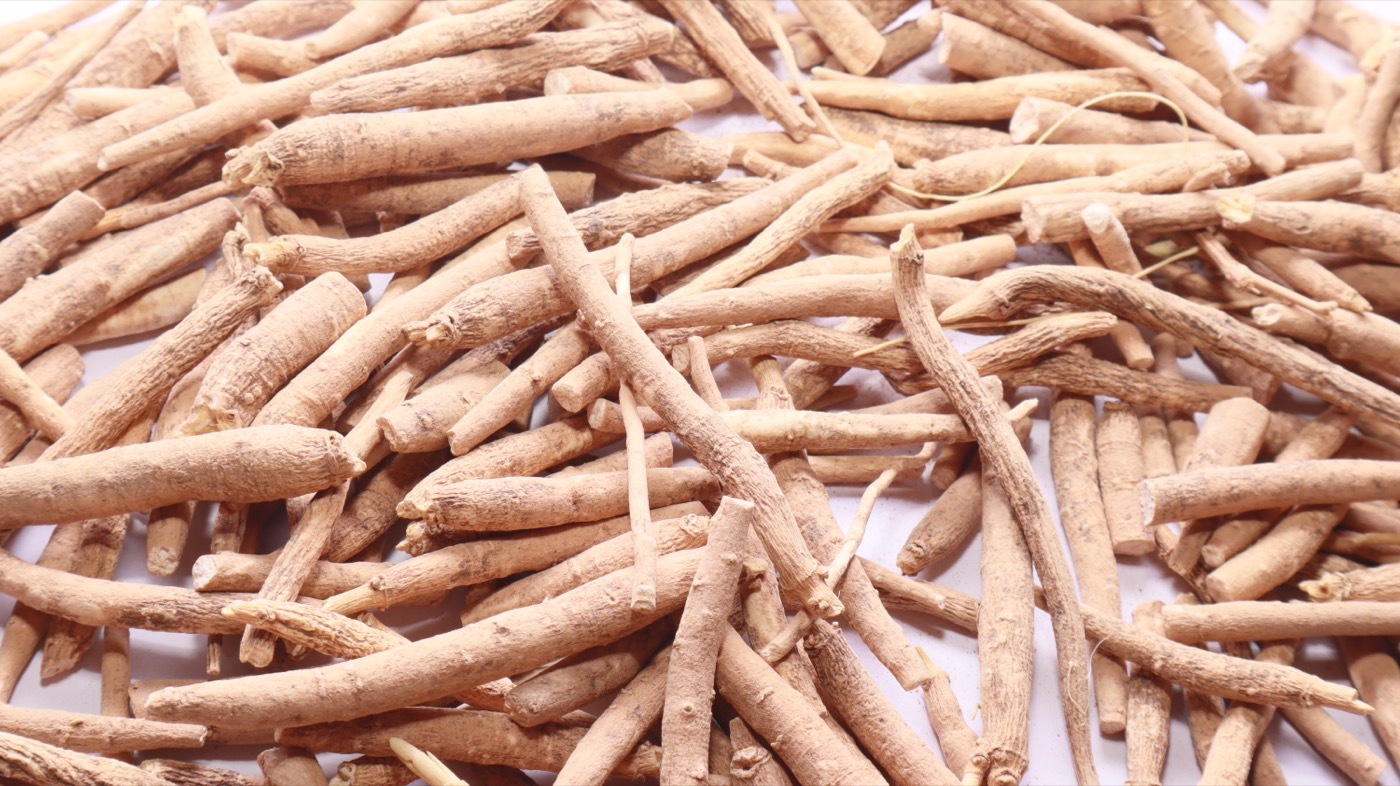
Ashwagandha Extract (Withania somnifera)
Hydro-alcoholic root extract of Withania somnifera standardised to 1.5–10% total withanolides by HPLC. Root-only material, vegan, bulk 25 kg export packing from India with batch COA.
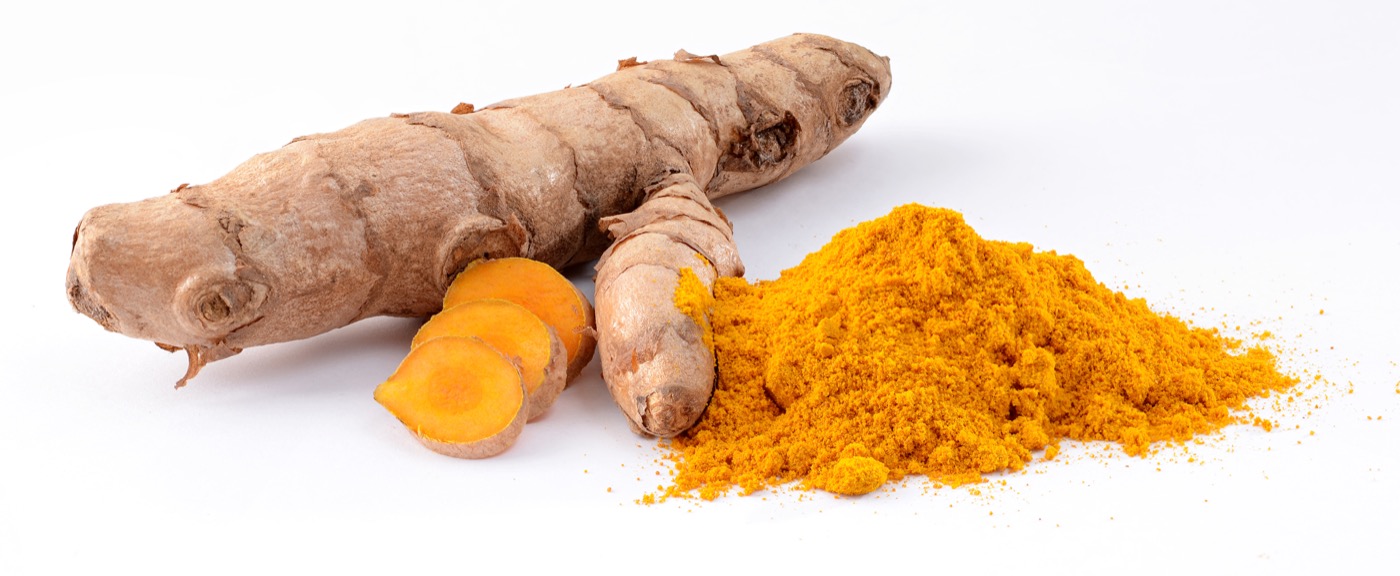
Turmeric Extract / Curcumin 95%
Purified Curcuma longa rhizome extract assaying NLT 95% total curcuminoids by HPLC, in USP curcumin / desmethoxy / bisdesmethoxy proportions. Orange-yellow crystalline powder, vegan.
Turmeric / Curcumin Extract
Standardized curcumin extract (up to 95% curcuminoids) for high-potency anti-inflammatory supplements.