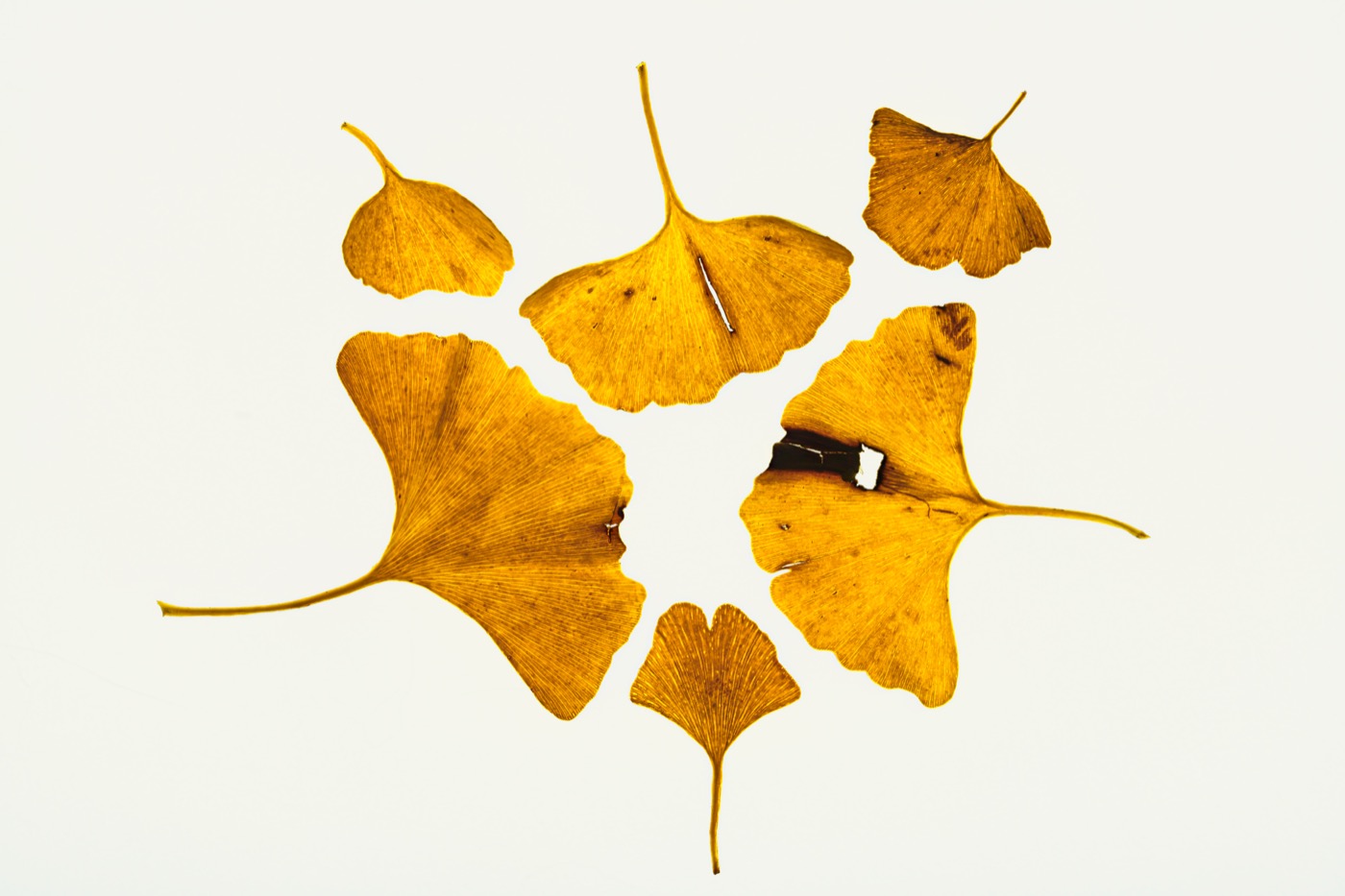
Ginkgo Biloba Leaf Extract 24/6
Refined Ginkgo biloba leaf extract at 24% flavone glycosides and 6% terpene lactones by HPLC, with ginkgolic acids held below 5 ppm. Ph. Eur. and USP compliant, vegan and allergen-free.
Specifications
| Botanical identity | Ginkgo biloba L., family Ginkgoaceae — dried leaf. Refined and quantified dry extract; extract CAS 90045-36-6 |
| Drug-to-extract ratio | 35–67:1 per Ph. Eur. monograph 1827, extraction solvent acetone and water, followed by partition and adsorbent purification |
| Flavonoid assay | 22.0–27.0% flavonoids expressed as flavone/flavonol glycosides by HPLC, mean molecular mass 756.7 (USP); nominal grade 24%. Ph. Eur. and USP concur |
| Terpene lactone assay | Ph. Eur.: bilobalide 2.6–3.2% and ginkgolides A+B+C 2.8–3.4%, i.e. 5.4–6.6% total. USP: total 5.4–12.0%, bilobalide 2.6–5.8%, ginkgolides 2.8–6.2% |
| Terpene trilactone identity | Bilobalide CAS 33570-04-6 C15H18O8 326.30; ginkgolide A 15291-75-5 C20H24O9 408.4; B 15291-77-7 C20H24O10 424.4; C 15291-76-6 C20H24O11 440.4 |
| Flavonol aglycones | Quantified after acid hydrolysis as quercetin, kaempferol and isorhamnetin; their ratio is used as an identity and authenticity check |
| Ginkgolic acids | NMT 5 ppm by HPLC, per both Ph. Eur. 1827 and USP Powdered Ginkgo Extract. Assayed and numerically reported on every lot, not simply passed |
| Adulterant limits | USP limit test on the unhydrolysed extract: rutin NMT 4.0%, quercetin NMT 0.5%. Sophora japonica screen for genistin and genistein run in addition |
| Appearance | Light brown to yellowish-brown fine free-flowing powder, characteristic odour, slightly bitter; passes 80 mesh unless another cut is specified |
| Solubility | Soluble in ethanol and in hot water to a slightly turbid solution; partially soluble in cold water. Water-soluble and granulated grades offered separately |
| Allergen status | Free of milk, egg, soy, fish, crustacean, mollusc, peanut, tree nut, sesame, mustard, celery, lupin and gluten. Soy-free and Sophora-free declared |
| Origin and diet | Leaf-derived. Vegan and vegetarian; not bovine, porcine, marine or dairy-derived. Non-GMO. Halal and kosher certification available |
| Purity limits | Loss on drying NMT 5.0%; sulphated ash NMT 1.0%; lead NMT 3 ppm, arsenic NMT 2 ppm, cadmium NMT 1 ppm, mercury NMT 0.1 ppm; pesticides to EU MRLs |
| Shelf life and storage | 24 months from manufacture in sealed original packaging below 25 °C, protected from light, air and moisture. Hygroscopic; reseal opened liners promptly |
| HS code | 1302.19 (13021919) |
Applications
Available grades
Ginkgo 24/6 refined extract meeting Ph. Eur. 1827 and USP Powdered Ginkgo Extract, ginkgolic acids NMT 5 ppm (standard); a tighter NMT 1 ppm ginkgolic acid grade for pharmaceutical customers; 24/6 with terpene lactones held to the narrower Ph. Eur. 5.4–6.6% window rather than the wider USP window; water-soluble and granulated direct-compression grades; 10:1 and 20:1 unquantified leaf extracts offered as separate, lower-cost articles that must not be described as 24/6; organic-certified (NOP/EU) material subject to availability.
Related products
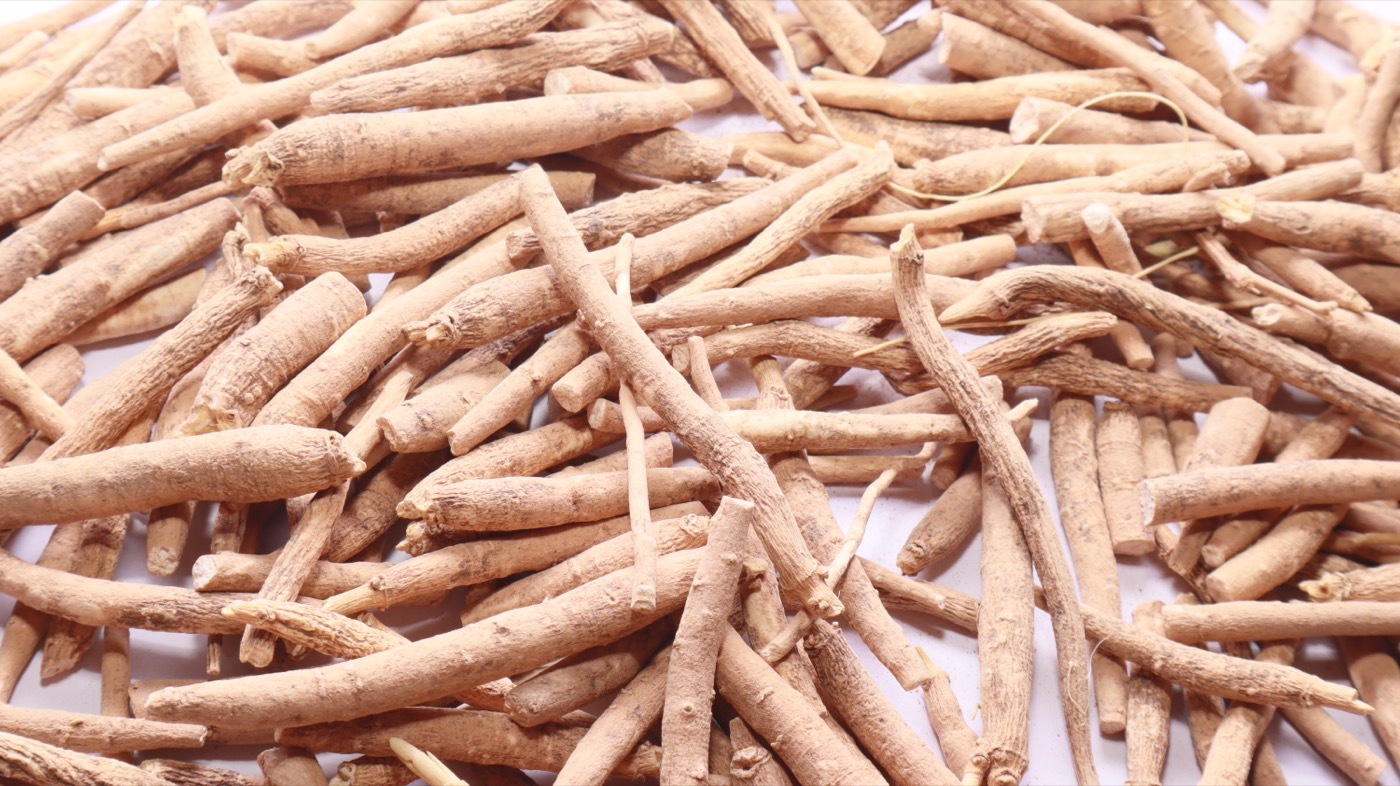
Ashwagandha Extract (Withania somnifera)
Hydro-alcoholic root extract of Withania somnifera standardised to 1.5–10% total withanolides by HPLC. Root-only material, vegan, bulk 25 kg export packing from India with batch COA.
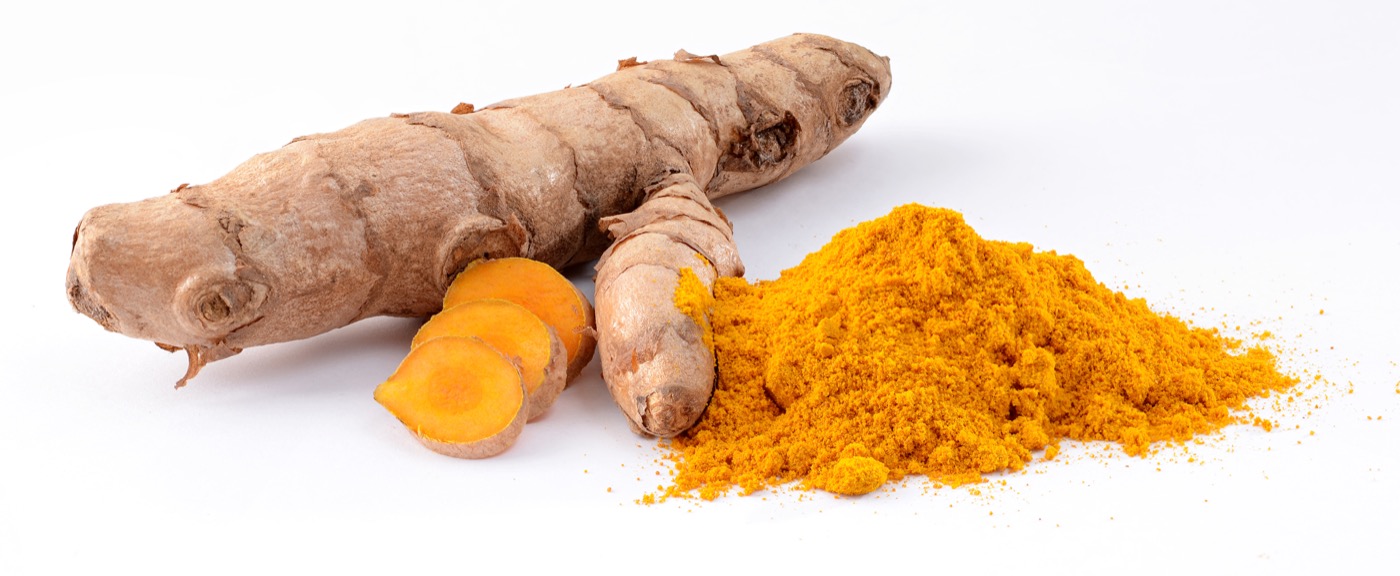
Turmeric Extract / Curcumin 95%
Purified Curcuma longa rhizome extract assaying NLT 95% total curcuminoids by HPLC, in USP curcumin / desmethoxy / bisdesmethoxy proportions. Orange-yellow crystalline powder, vegan.
Turmeric / Curcumin Extract
Standardized curcumin extract (up to 95% curcuminoids) for high-potency anti-inflammatory supplements.