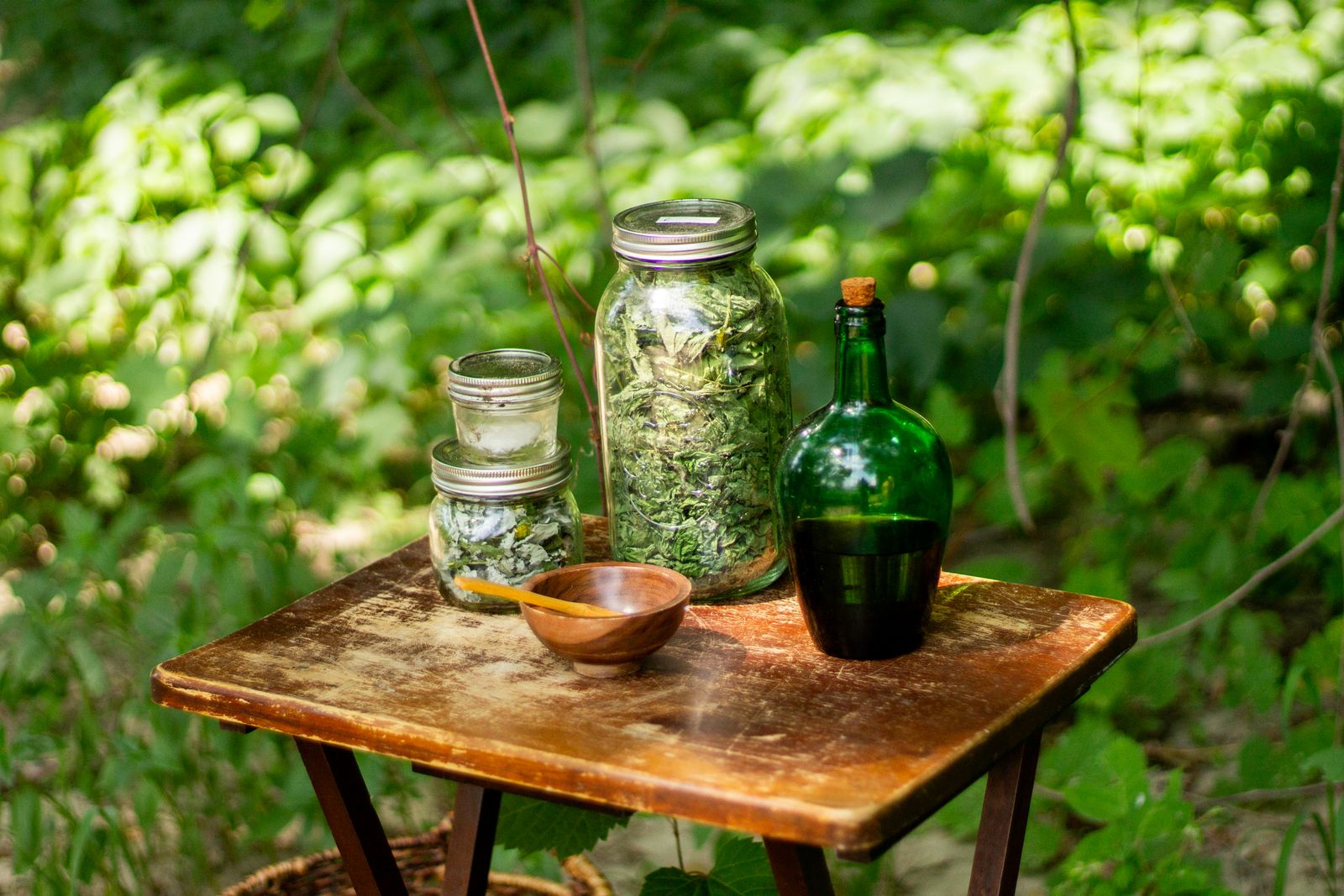
Ginger Oleoresin
Total extract of dried Zingiber officinale rhizome, carrying both the volatile oil and the non-volatile pungent gingerols. Supplied as a viscous liquid or a carrier-dispersed powder.
Specifications
| Botanical source | Zingiber officinale Roscoe, family Zingiberaceae; dried rhizome |
| Process | Solvent extraction with food-grade ethanol or acetone, or supercritical CO2 for the solvent-free grade |
| Appearance | Dark brown to reddish-brown viscous liquid; powder grades free-flowing, light to mid brown |
| Odour and taste | Characteristic warm aromatic ginger, strongly pungent; no rancid, smoky or solvent notes |
| Total gingerols (HPLC) | Sum of [6]-, [8]- and [10]-gingerol. Target fixed at contract; actual value declared per lot on the CoA |
| Marker chemistry | [6]-gingerol C17H26O4, MW 294.38, CAS 23513-14-6; [6]-shogaol C17H24O3, MW 276.4, CAS 23513-13-5; zingerone C11H14O3, MW 194.23 |
| Volatile oil | By Clevenger distillation, reported v/w per lot. Fresh rhizome carries 1-3% volatile oil, mainly sesquiterpenes; the oleoresin concentrates it |
| Reported extraction yields | From dried rhizome: Soxhlet with ethanol 17.70% ± 1.78; supercritical CO2 1.54% ± 0.01 |
| Solubility | Liquid grade soluble in ethanol and edible oils; water-dispersible only via polysorbate or gum systems. Spray-dried powder disperses in water |
| Diluent and carrier | Declared per lot. Oil dilution may be soy-based; sunflower or MCT diluent on request. Powder carriers: gum acacia or maize maltodextrin |
| Allergen status | Free from milk, egg, fish, crustacean, gluten, peanut and tree nut. Soy-free when a non-soy diluent is specified. Vegan and vegetarian |
| Regulatory reference | Ginger, Zingiber officinale Rosc. is listed in 21 CFR 182.20 (essential oils, oleoresins (solvent-free) and natural extractives) |
| Shelf life and storage | 24 months from manufacture in unopened original packing below 25 °C, protected from light; re-blanket with nitrogen after part use |
| HS code | 33019090 — extracted oleoresins of heading 3301, not chapter 13. See the classification note |
Applications
Available grades
Ethanolic oleoresin (food grade); acetone-extracted oleoresin; supercritical CO2 oleoresin, solvent-free; water-dispersible liquid built with polysorbate 80; spray-dried powder on gum acacia or maize maltodextrin. Non-soy diluent (sunflower or MCT) on request. Organic under NPOP, NOP and EU equivalence, plus Kosher and Halal certification, available on request. Total gingerol and volatile-oil targets are set per contract.
Related products
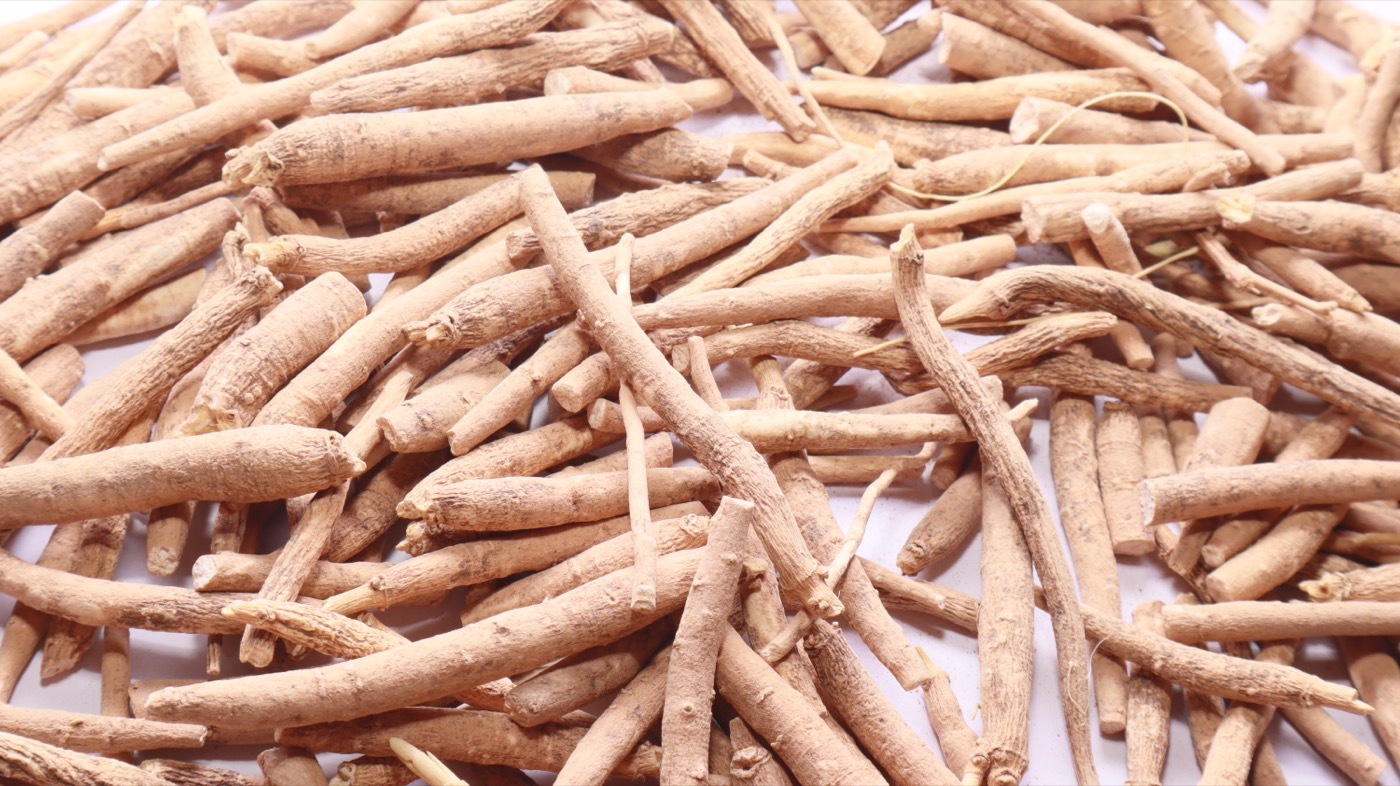
Ashwagandha Extract (Withania somnifera)
Hydro-alcoholic root extract of Withania somnifera standardised to 1.5–10% total withanolides by HPLC. Root-only material, vegan, bulk 25 kg export packing from India with batch COA.
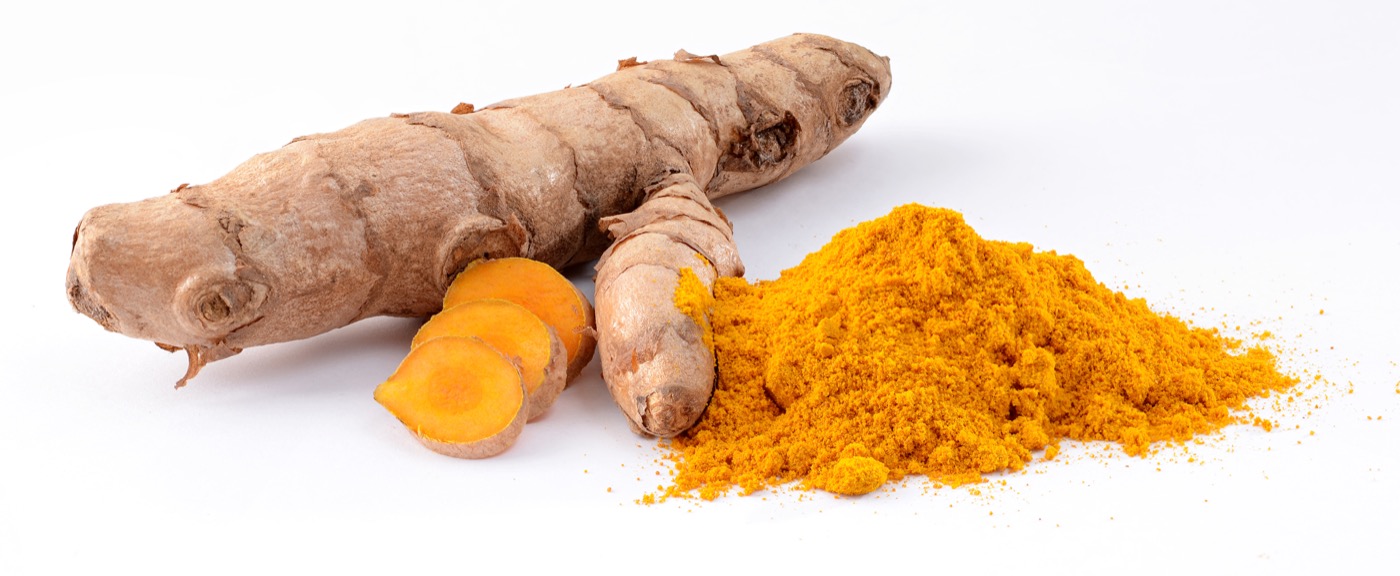
Turmeric Extract / Curcumin 95%
Purified Curcuma longa rhizome extract assaying NLT 95% total curcuminoids by HPLC, in USP curcumin / desmethoxy / bisdesmethoxy proportions. Orange-yellow crystalline powder, vegan.
Turmeric / Curcumin Extract
Standardized curcumin extract (up to 95% curcuminoids) for high-potency anti-inflammatory supplements.