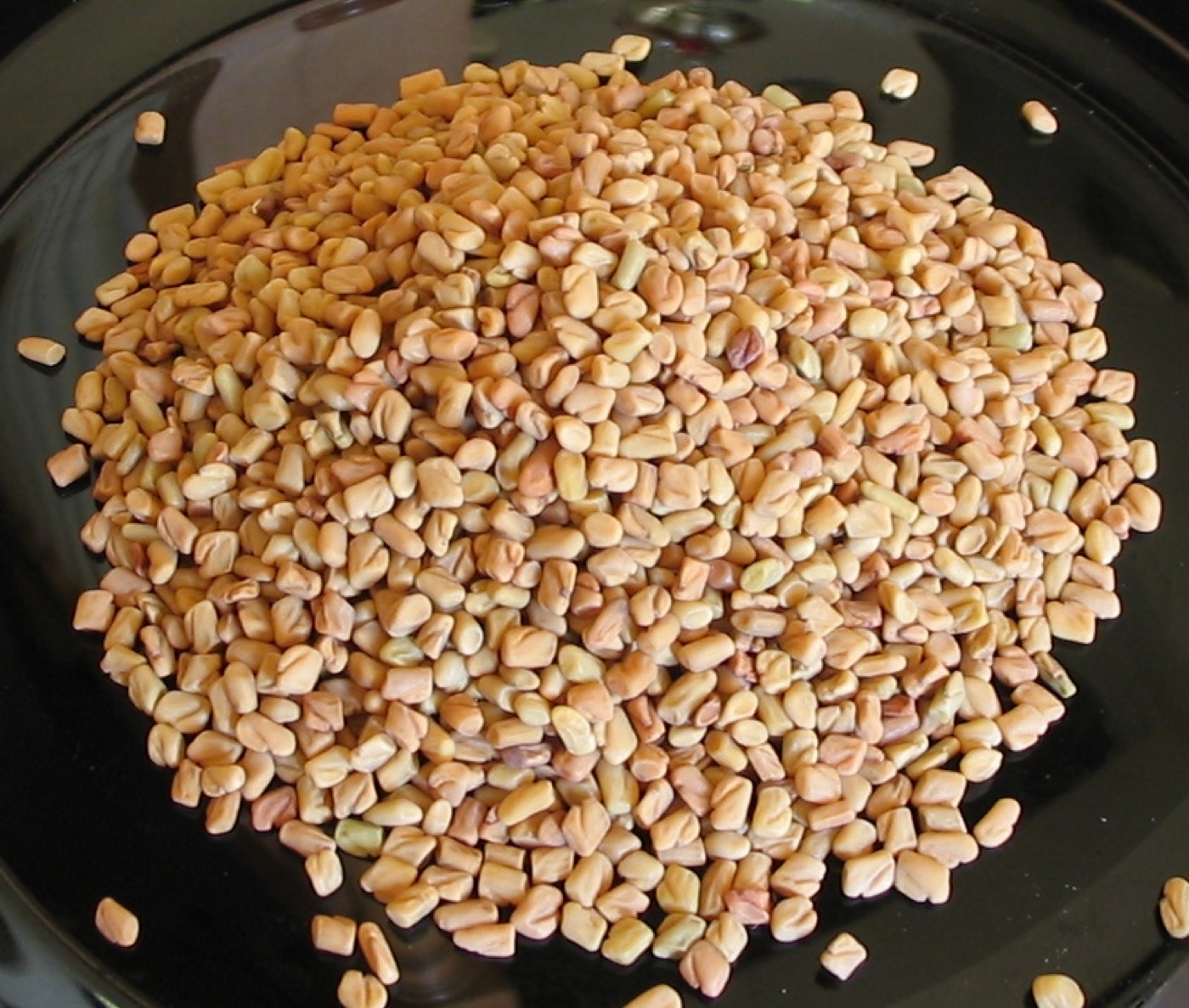
Fenugreek seed extract (4-hydroxyisoleucine)
Seed extract of Trigonella foenum-graecum standardised 20-60% furostanolic saponins by UV or 1-20% 4-hydroxyisoleucine by HPLC. Vegan, legume-derived, extracted and spray dried in India.
Specifications
| Botanical source | Trigonella foenum-graecum L., family Fabaceae; dried ripe seed. Hindi methi, Ayurvedic Methika, Tamil venthayam. Indian-grown, conventional or organic. |
| Product type | Aqueous or hydroalcoholic seed extract, concentrated and spray dried. Distinct from milled seed powder and from de-oiled seed meal, which are not extracts. |
| Standardisation - saponins | Furostanolic or total saponins 20%, 40%, 50% and 60% by UV or gravimetry; diosgenin grades by HPLC. State method and reference standard on the order. |
| Standardisation - 4-OH-Ile | 4-hydroxyisoleucine 1%, 5%, 10% and 20% by HPLC as standard. Higher grades to order; see native seed levels below before specifying above 20%. |
| Marker chemistry | 4-Hydroxyisoleucine CAS 55399-93-4, C6H13NO3, MW 147.17, (2S,3R,4S) isomer. Saponin aglycone is diosgenin; trigonelline also present. |
| Native seed levels | Literature across 31 genotypes: 4-hydroxyisoleucine 0.41-1.90%, diosgenin 0.50-0.93%, trigonelline 5.22-13.65 mg/g of seed. High-assay grades are purified fractions. |
| Assay method caution | Gravimetric, UV and HPLC saponin numbers can differ twofold on one lot. Specify the method; a percentage alone is not a specification. |
| Branded ingredient note | Testofen and Fenuside are Gencor Pacific marks for a patented proprietary extract. This is generic material and must not be sold or labelled as either. |
| Appearance and odour | Fine yellow-brown to brown powder, bitter taste, strong maple and curry odour from sotolon. Odour carries into finished product and taints stored neighbours. |
| Particle size, density, LOD | Typically 100% through 80 mesh (approx. 180 microns); untapped bulk density typically 0.35-0.60 g/mL, lot dependent. Loss on drying typically NMT 5.0% w/w. |
| Extraction and solvents | Potable water and/or food-grade ethanol. Residual solvents to ICH/USP <467> Class 3 limits; no Class 1 or Class 2 solvents used. |
| Purity and microbiology | Lead, arsenic, cadmium and mercury to USP <232> and EU 2023/915 where applicable; pesticides screened; microbiology to USP <2021>/<2022>. Reported per batch. |
| Allergen and dietary status | Vegan, vegetarian, non-GMO. Legume (Fabaceae): not an EU Annex II or US major allergen, but peanut and chickpea cross-reactivity is documented. Gluten-free. |
| Shelf life, storage | 24 months from manufacture in unopened original packaging below 25 degrees C, protected from light, moisture and odour transfer. |
| HS code | 13021919 |
Applications
Available grades
Furostanolic or total saponins 20%, 40%, 50% and 60% by UV or gravimetry; 4-hydroxyisoleucine 1%, 5%, 10% and 20% by HPLC, higher on request; diosgenin and trigonelline standardised grades; native ratio extracts 4:1, 10:1 and 20:1. Separately, fenugreek galactomannan soluble-fibre powder and de-bittered seed powder are offered as distinct products with their own specifications. Carrier-free and maltodextrin-carried versions; conventional, organic (NPOP/NOP/EU), Kosher and Halal.
Related products
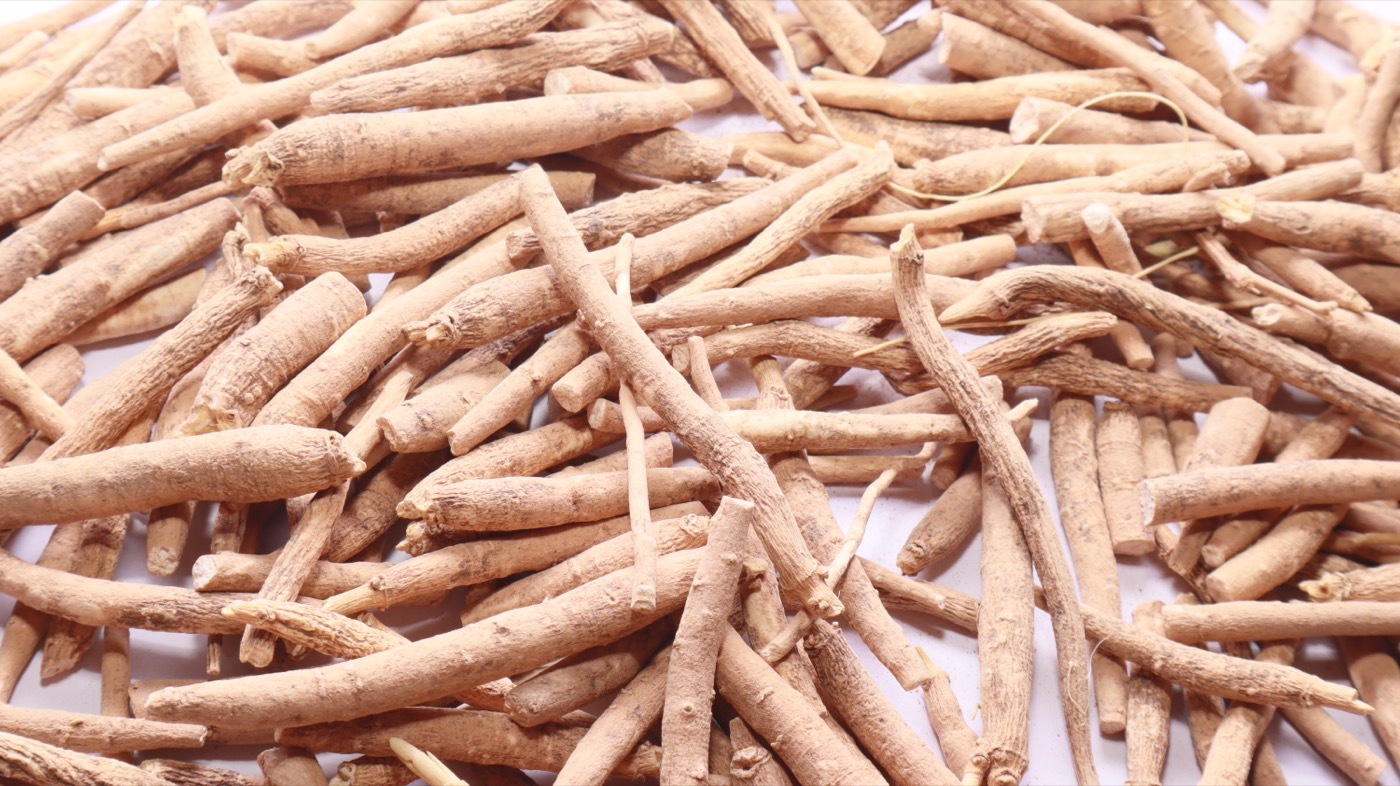
Ashwagandha Extract (Withania somnifera)
Hydro-alcoholic root extract of Withania somnifera standardised to 1.5–10% total withanolides by HPLC. Root-only material, vegan, bulk 25 kg export packing from India with batch COA.
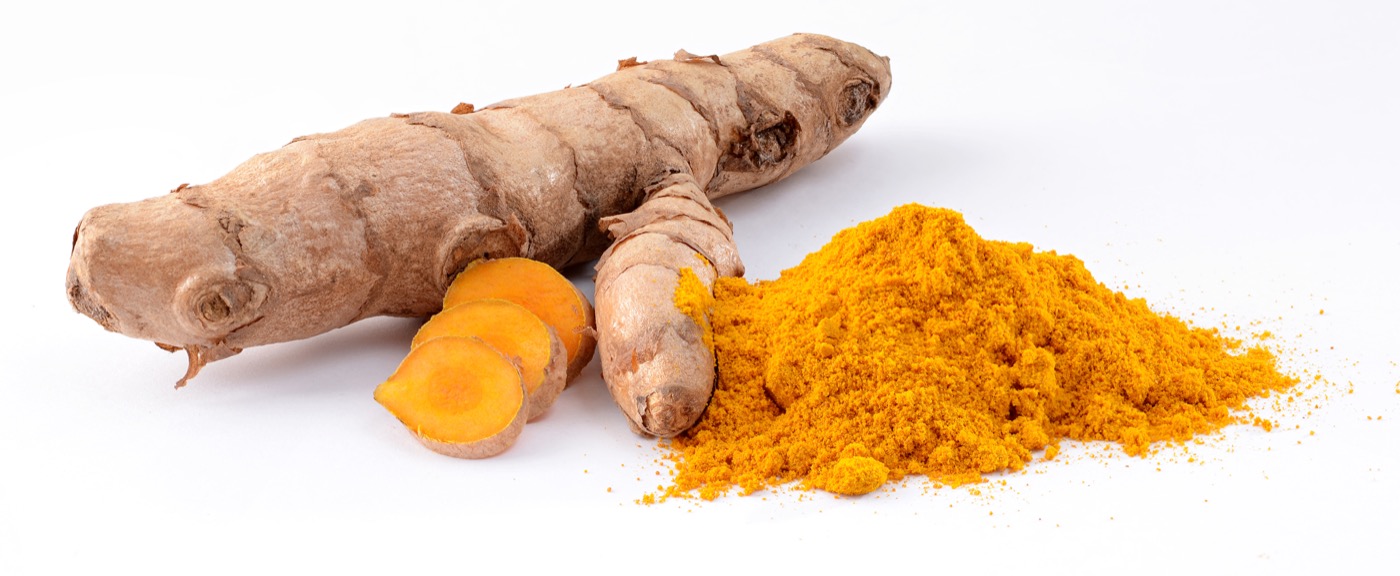
Turmeric Extract / Curcumin 95%
Purified Curcuma longa rhizome extract assaying NLT 95% total curcuminoids by HPLC, in USP curcumin / desmethoxy / bisdesmethoxy proportions. Orange-yellow crystalline powder, vegan.
Turmeric / Curcumin Extract
Standardized curcumin extract (up to 95% curcuminoids) for high-potency anti-inflammatory supplements.