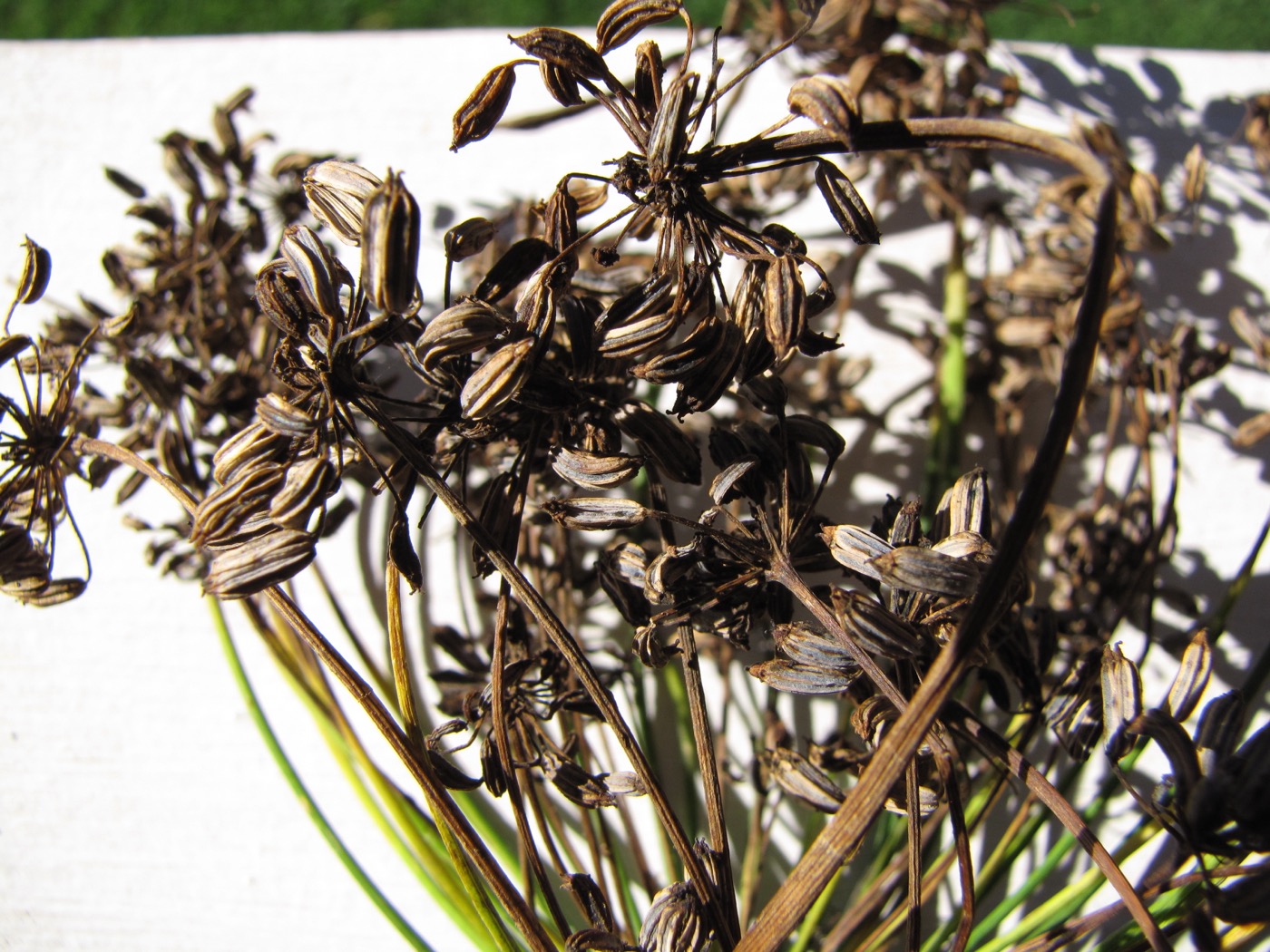
Fennel Extract
Spray-dried extract of dried ripe fennel fruit, Foeniculum vulgare Mill., at 4:1–10:1 native ratio or standardised on trans-anethole. Vegan, non-GMO, non-irradiated, bulk from India.
Specifications
| Botanical source and part | Foeniculum vulgare Mill. (Apiaceae), dried ripe fruit (saunf). Sweet fennel var. dulce or bitter fennel var. vulgare selectable at order stage. |
| Product form | Free-flowing spray-dried powder; extract dried onto maize-derived maltodextrin, or gum acacia where a clean-label carrier is required. |
| Standardisation options | Native 4:1 or 10:1 drug-to-extract ratio; or trans-anethole 1.0–5.0% by GC. Higher anethole grades quoted against a firm specification. |
| Marker compound | trans-Anethole, CAS 4180-23-8, C10H12O, MW 148.20, FEMA 2086. Secondary constituents fenchone and estragole reported by GC. |
| Raw-material reference, bitter fennel | Ph. Eur.: min 40 mL/kg essential oil in the anhydrous drug; oil min 60% anethole, min 15% fenchone, max 5% estragole. |
| Raw-material reference, sweet fennel | Ph. Eur.: min 20 mL/kg essential oil; oil min 80% anethole, max 10% estragole. Estragole reported per lot for EU-bound material. |
| Appearance and organoleptics | Pale yellow to light brown powder, characteristic sweet anise-like odour and taste, free from foreign matter. |
| Extraction and residual solvents | Water and food-grade ethanol only. Residual solvents to ICH Q3C Class 3 limits. No chlorinated and no ICH Class 1 solvents used. |
| Solubility | Water-dispersible; partially soluble in aqueous ethanol. Native oleoresin-type grades are oil-dispersible and quoted separately. |
| Physical limits | 98% through 80 mesh (approx. 180 micron); loss on drying NMT 5.0%; total ash NMT 5.0%; acid-insoluble ash NMT 1.0%. |
| Heavy metals and pesticides | Pb NMT 3 ppm, As NMT 1 ppm, Cd NMT 1 ppm, Hg NMT 0.1 ppm. Pesticide residues to EU 396/2005; ICH Q3D elemental profile on request. |
| Microbiology | Total plate count NMT 10,000 cfu/g; yeast and mould NMT 100 cfu/g; E. coli, Salmonella and S. aureus absent in 25 g. |
| Allergen, dietary and origin status | Vegan and vegetarian. No milk, egg, fish, crustacean, mollusc, soy, peanut, tree nut, sesame, mustard, lupin or sulphites. Gluten-free (maize carrier). |
| Shelf life, storage | 24 months unopened, below 25 C and under 60% RH, away from light. |
| HS code | 13021919. Non-GMO, non-irradiated, no ethylene oxide treatment |
Applications
Available grades
Native 4:1 and 10:1 drug-to-extract ratio grades; trans-anethole standardised grade (1.0–5.0% by GC); low-estragole sweet fennel (var. dulce) grade for EU-bound formulations; gum acacia carrier grade for clean-label claims; organic-certified grade against confirmed order. Food, nutraceutical and cosmetic grades available.
Related products
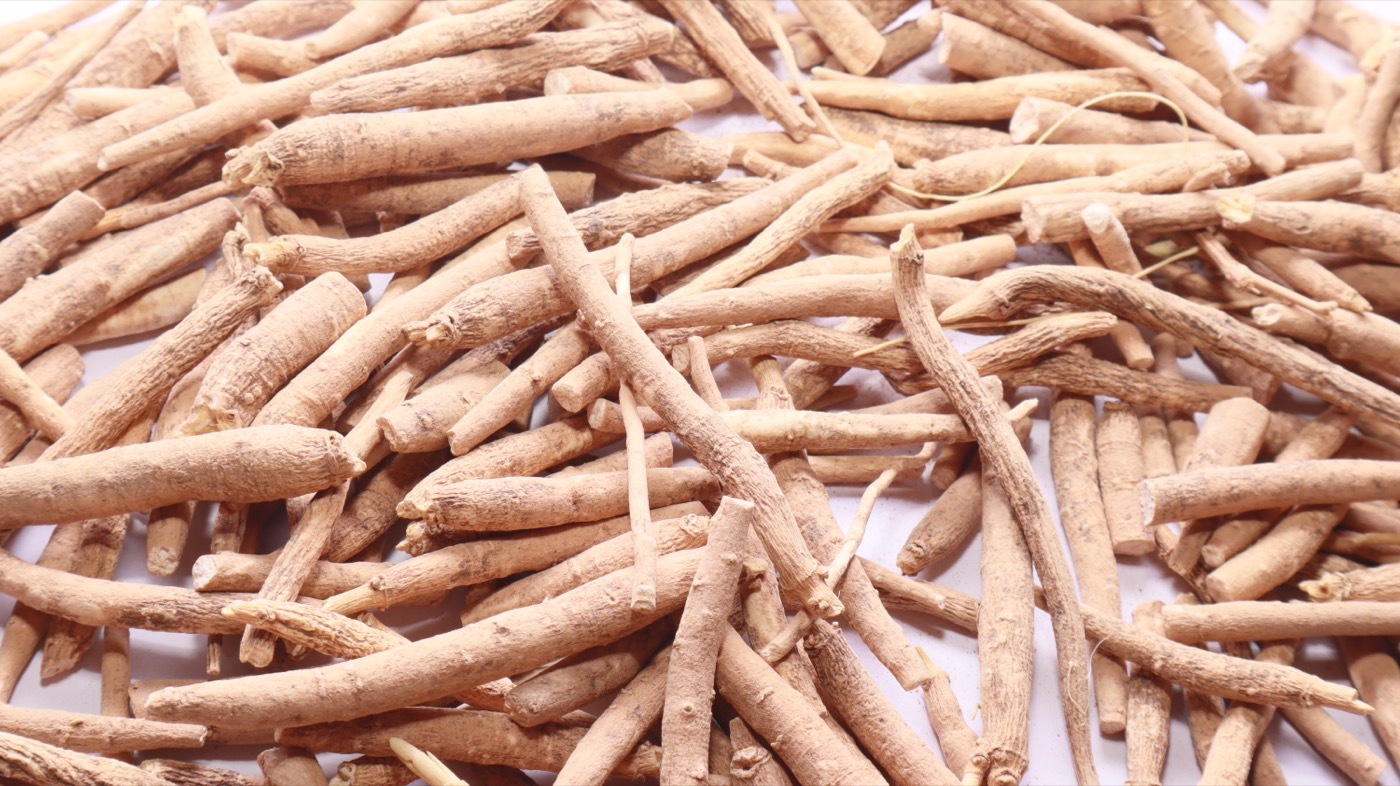
Ashwagandha Extract (Withania somnifera)
Hydro-alcoholic root extract of Withania somnifera standardised to 1.5–10% total withanolides by HPLC. Root-only material, vegan, bulk 25 kg export packing from India with batch COA.
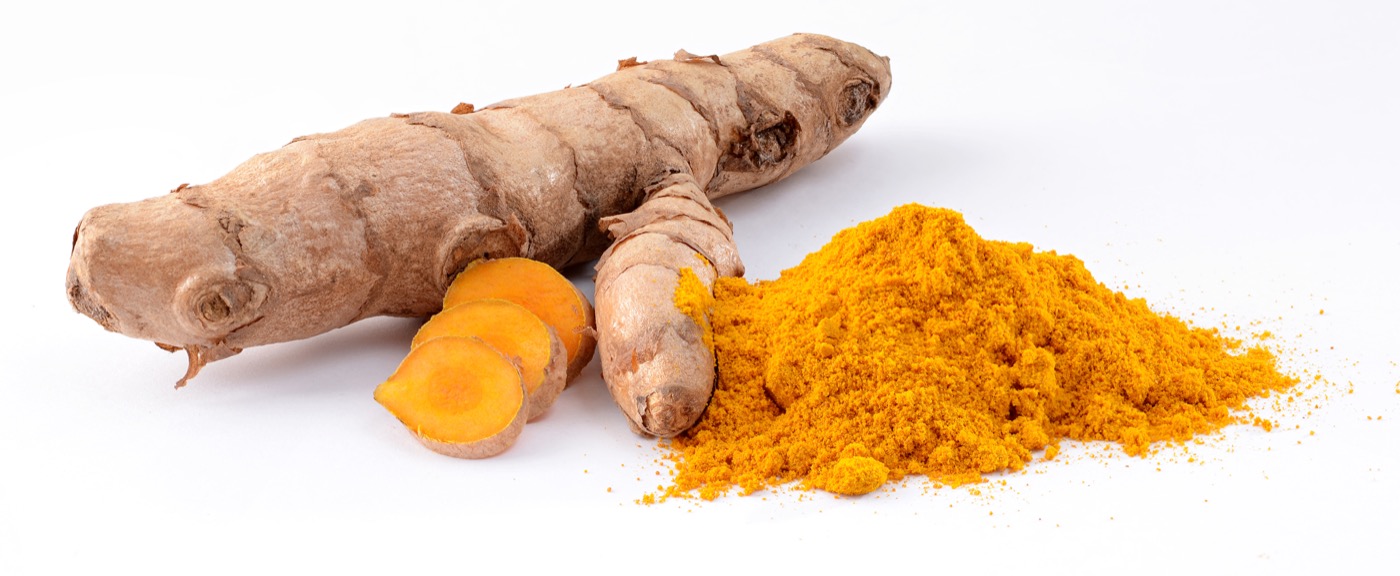
Turmeric Extract / Curcumin 95%
Purified Curcuma longa rhizome extract assaying NLT 95% total curcuminoids by HPLC, in USP curcumin / desmethoxy / bisdesmethoxy proportions. Orange-yellow crystalline powder, vegan.
Turmeric / Curcumin Extract
Standardized curcumin extract (up to 95% curcuminoids) for high-potency anti-inflammatory supplements.