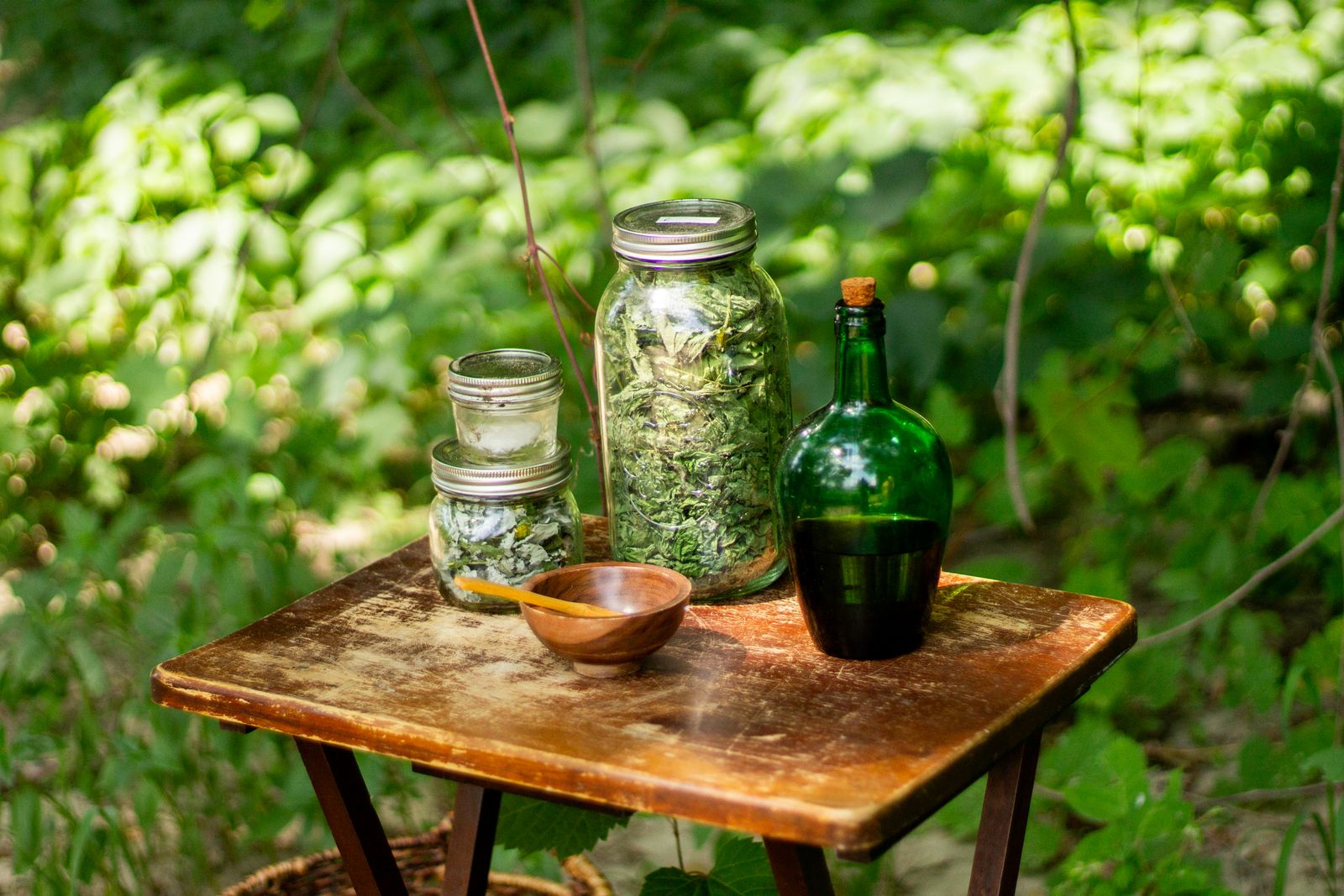
Echinacea Extract
A water-ethanol extract of Echinacea purpurea aerial parts standardised to 4% total polyphenols by UV and 2% chicoric acid by HPLC, supplied as a free-flowing brown powder for capsule, tablet and syrup lines.
Specifications
| Botanical source | Echinacea purpurea (L.) Moench, family Asteraceae; cultivated herb, harvested at flowering |
| Plant part | Aerial parts (herb) as standard; root, or herb-and-root blends, made to order |
| Standardisation | Total polyphenols NLT 4.0% by UV; chicoric acid NLT 2.0% by HPLC. Grades from 0.4% to 4.0% chicoric acid available on order |
| Marker chemistry | Chicoric (cichoric) acid, C22H18O12, MW 474.37, CAS 6537-80-0. Echinacoside (CAS 82854-37-3) is absent from E. purpurea |
| Pharmacopoeial reference | USP Powdered Echinacea purpurea Extract: NLT 4.0% total phenols as the sum of caftaric, chicoric and chlorogenic acids, dried basis |
| Alternative grades | Native ratio extracts 4:1 and 10:1; E. angustifolia root extract standardised on echinacoside 2-4% supplied as a separate article |
| Appearance and solubility | Fine yellowish-brown to brown free-flowing powder, characteristic odour and slightly pungent taste; dispersible in water, soluble in 50% ethanol |
| Extraction solvent | Water and food-grade ethanol; residual solvents within ICH Q3C Class 2 and Class 3 limits, no Class 1 solvents used |
| Physical limits | NLT 95% through 80 mesh (approx. 180 micron); loss on drying NMT 5.0%; total ash NMT 5.0% |
| Heavy metals and pesticides | Lead NMT 3.0 ppm, arsenic NMT 1.0 ppm, cadmium NMT 1.0 ppm, mercury NMT 0.1 ppm; pesticide residues to EU Reg. 396/2005 MRLs on request |
| Microbiology | Total plate count NMT 10,000 cfu/g; yeast and mould NMT 500 cfu/g; E. coli, S. aureus and Salmonella absent; aflatoxin B1 NMT 2 ppb, total NMT 4 ppb |
| Allergen and dietary status | Vegan and vegetarian, plant origin. No milk, egg, soy, fish, crustacean, gluten or nut input. Asteraceae species: flag Compositae and ragweed cross-sensitivity |
| Identity and adulteration control | HPTLC and HPLC profile against authenticated E. purpurea; screened for E. angustifolia, E. pallida and Parthenium integrifolium root substitution |
| Shelf life | 24 months in unopened original packing below 25 C, dry and away from light. |
| HS code | 13021919 |
Applications
Available grades
Standard: E. purpurea aerial-part extract, 4% polyphenols UV / 2% chicoric acid HPLC. Also offered: 4% polyphenols / 0.4% chicoric acid economy grade; 4% chicoric acid high-marker grade; native 4:1 and 10:1 ratio extracts, carrier-free or on maltodextrin; E. purpurea root extract; herb-and-root blends; E. angustifolia root extract on echinacoside 2-4%; organic (NOP/EU) and kosher/halal certified lots to order; granulated and DC grades for direct compression.
Related products
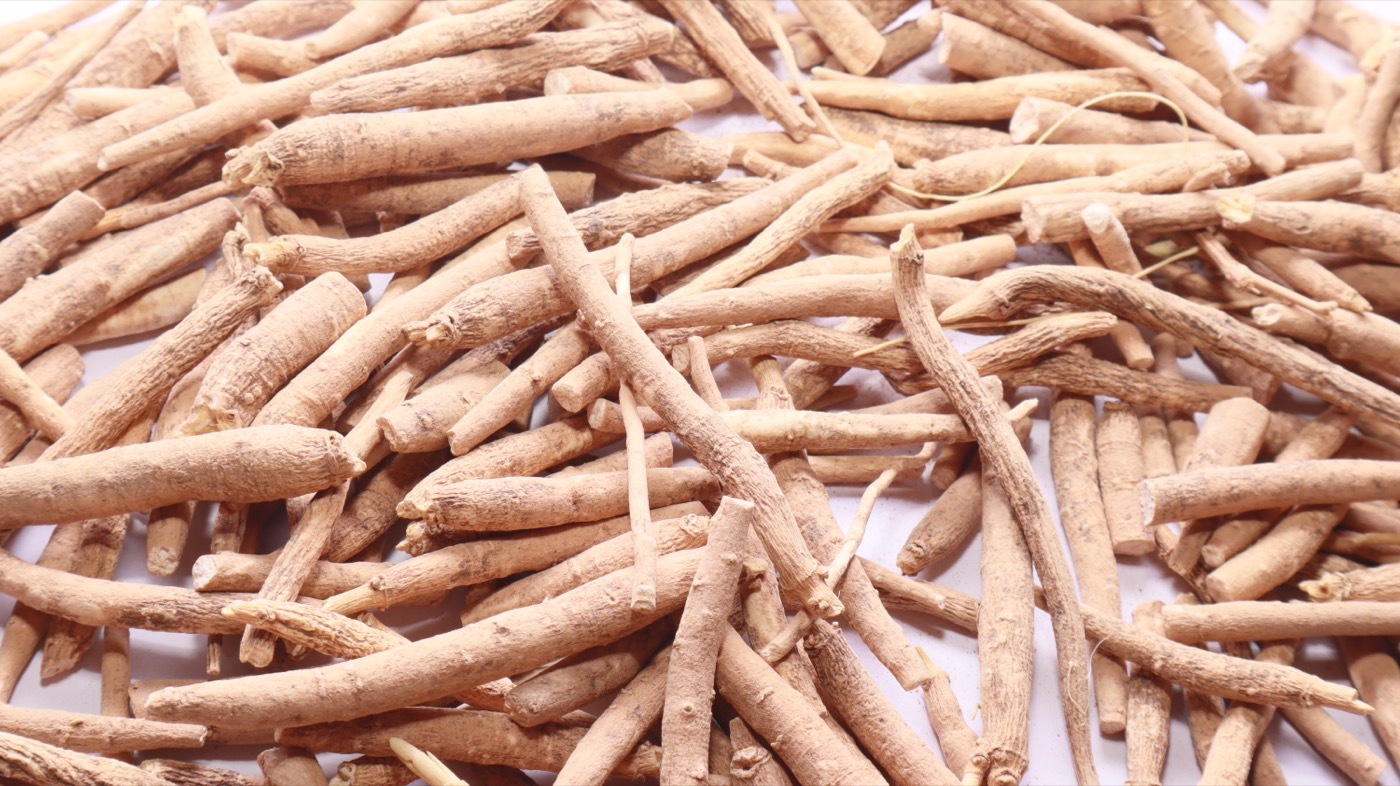
Ashwagandha Extract (Withania somnifera)
Hydro-alcoholic root extract of Withania somnifera standardised to 1.5–10% total withanolides by HPLC. Root-only material, vegan, bulk 25 kg export packing from India with batch COA.
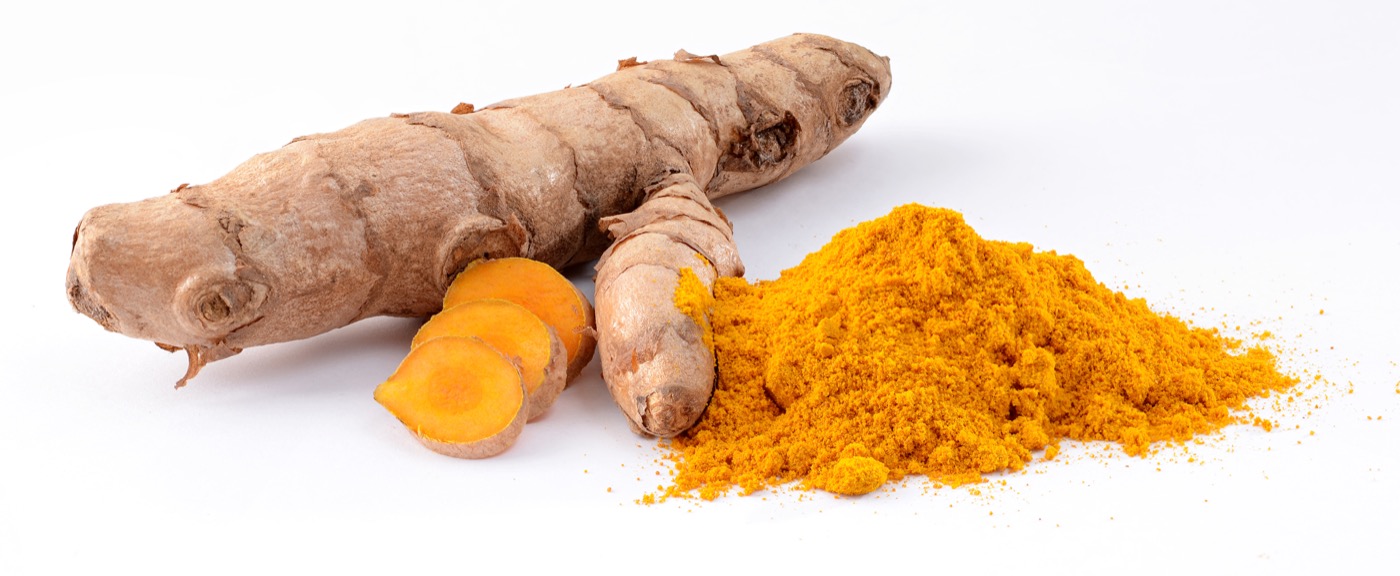
Turmeric Extract / Curcumin 95%
Purified Curcuma longa rhizome extract assaying NLT 95% total curcuminoids by HPLC, in USP curcumin / desmethoxy / bisdesmethoxy proportions. Orange-yellow crystalline powder, vegan.
Turmeric / Curcumin Extract
Standardized curcumin extract (up to 95% curcuminoids) for high-potency anti-inflammatory supplements.